Key Points
- Planning approval has been granted for the redevelopment of The Reed Hotel, a Grade-II listed pub in Rochdale town centre, into 10 residential apartments.
- The scheme comprises eight one-bedroom and two two-bedroom flats spread across the building’s four floors.
- The project is led by Brightwise Properties, which describes the plan as a “sensitive conversion” that will preserve the building’s listed status and historic architectural features.
- Most of the interior will be demolished to create the new flats, but the building’s footprint will remain largely unchanged.
- New windows and a single-storey rear extension, constructed in materials matching the existing structure, are proposed as part of the scheme.
- The pub is located just off Reed Hill, close to Rochdale’s main high street, which developers say makes it an ideal location for housing.
- Planning papers argue there is “very little harm” to the building from the proposal, given the limited potential for other uses.
- The developers state there is a “public benefit to the community” through the provision of housing in a central town location.
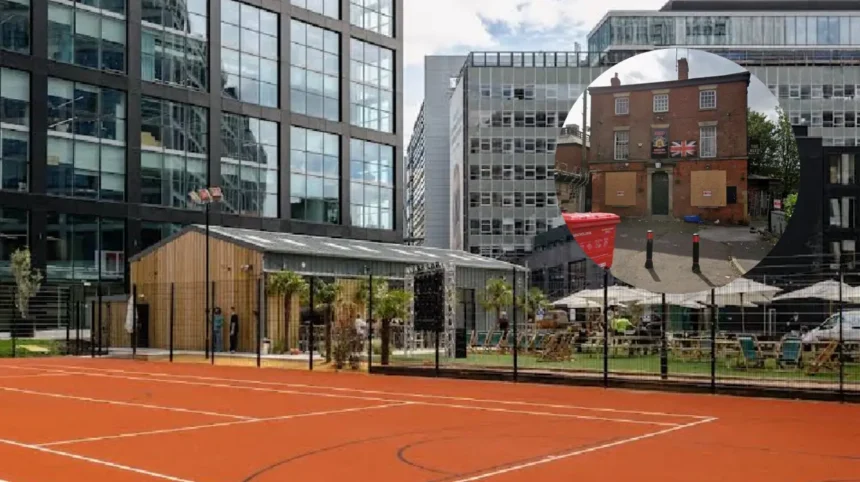
- The Reed Hotel has stood in Rochdale since around the late 18th century and is currently boarded up and in a run-down condition.
- The redevelopment is expected to give the historic building a “new lease of life” as a residential property rather than a pub.
Rochdale (Manchester Mirror) July 07, 2026 – A town centre is set to gain a new residential scheme after planning approval was granted for the conversion of The Reed Hotel, a 200-year-old pub, into 10 apartments. The Grade-II listed building, which has stood in the town since around the late 18th century, is now boarded up and described by developers as being in a run-down state. Brightwise Properties, the firm behind the project, intends to give the historic structure a new lease of life by converting it into a block of flats while retaining its listed status.
The scheme will create eight one-bedroom and two two-bedroom apartments across the pub’s four floors, with much of the existing interior demolished to make way for the new layout. Because of the building’s historic nature, the proposal keeps the footprint largely unchanged, adding new windows and a single-storey rear extension built in materials that match the existing structure. Brightwise Properties has described the plan as a “sensitive conversion” of a listed building and has vowed to maintain its historic architectural features.
How Will the Conversion Work Inside the Listed Building?
As reported by the editorial team at Love Manchester covering Rochdale developments, the scheme would see the interior of The Reed Hotel substantially reconfigured to create modern flats while respecting the building’s heritage status. The developers say that although a lot of the interior will be demolished, the overall footprint of the building will remain largely the same, with changes focused on internal layout rather than external massing. New windows are proposed to improve light and ventilation, and a single-storey rear extension will be added using materials that match the existing façade, ensuring visual continuity with the rest of the structure.
Brightwise Properties have stressed that the conversion will be carried out in a way that protects the building’s Grade-II listed status. Their planning submission emphasises that the historic architectural features will be maintained, even as the internal spaces are transformed into residential units. This approach is intended to balance the needs of modern housing with the preservation requirements that apply to listed buildings in the UK.
Why Is the Site Considered Ideal for Housing?
The Reed Hotel is located just a stone’s throw from Rochdale’s main high street in the town centre, a position that the developer sees as ideal for housing. In planning papers submitted by Brightwise Properties, the firm argues that the site’s central location makes it particularly suitable for residential use, given the existing demand for housing in Rochdale town centre. The proximity to shops, transport links, and community facilities is cited as a key factor supporting the change of use from pub to apartments.
Planning documents state that “there is a public benefit to the community” through the provision of housing in such a central location. The developers argue that converting the building into apartments will help address local housing needs while also revitalising a property that has been vacant and deteriorating for some time. This dual benefit – housing provision and building preservation – is presented as a strong justification for the change of use.
What Arguments Were Made in the Planning Papers?
According to the planning papers read by Love Manchester, Brightwise Properties consider that “there is very little harm to the building from the proposal in consideration of its potential for all other uses which are limited”. The firm notes that the options for alternative uses of the building are restricted, particularly given its current condition and the challenges of operating a pub in that location. In this context, the conversion to residential is presented as a practical solution that avoids further decay while delivering a usable outcome.
The planning submission also states:
“I feel that there is a public benefit to the community by the provision of housing”.
This phrase underscores the developers’ view that the project is not only about saving a building but also about meeting a broader social need for housing in Rochdale. The argument combines heritage preservation with affordable or market housing delivery, a combination often highlighted in UK planning decisions involving listed buildings.
How Has the Building Fallen Into Disrepair?
The Reed Hotel has stood in Rochdale town centre since around the late 18th century, making it one of the area’s older commercial buildings. Over recent years, however, the pub has become boarded up and is described by developers as being in a run-down state. Its condition has raised concerns about the potential loss of a historic asset if no intervention is made. The conversion plan is framed by Brightwise Properties as a way to give the building a “new lease of life” rather than allowing it to continue deteriorating.
The building’s current state is said to be a result of declining use as a pub and the challenges of maintaining an old listed property without a clear commercial purpose. Its location just off Reed Hill, close to the high street, means it remains visible to many passers-by, making its condition a noticeable part of the town’s streetscape. The proposed redevelopment aims to address both the physical condition of the building and its role in the community by transforming it into residential units.
Background of the Development
The Reed Hotel redevelopment sits within a longer pattern of regeneration in Rochdale town centre, where historic buildings are increasingly being repurposed for housing as traditional pub use declines. Grade-II listed buildings in the UK are protected by law, and any change of use or alteration must balance modern needs with heritage preservation. Planning authorities often support conversions where the building would otherwise continue to deteriorate and where the new use offers a clear public benefit, such as additional housing in a central location.
This project follows a similar approach to other listed pub conversions across the North of England, where developers work with councils to create apartments while retaining external heritage features. The emphasis on a “sensitive conversion” reflects national guidance that encourages adaptive reuse of historic buildings rather than demolition or long-term vacancy. The granting of planning approval indicates that Rochdale Council views the scheme as a viable way to preserve the building while meeting local housing needs.
Prediction: How This Development Can Affect Rochdale Residents
The conversion of The Reed Hotel into 10 apartments is likely to affect Rochdale residents in several ways, particularly those living or working in the town centre. On the positive side, the scheme will add new housing stock in a central location, which can support local demand for apartments and potentially reduce pressure on housing elsewhere in the borough. The revitalisation of a boarded-up, run-down building may also improve the visual quality of the streetscape and contribute to a perception of a more active town centre.
However, some residents may be concerned about changes to the character of the area, particularly if the loss of a traditional pub is seen as reducing community space. The demolition of much of the interior, while necessary for the conversion, could also raise questions about how much of the building’s original feel will remain. Overall, the development is likely to be seen as a mixed but largely constructive step: it preserves a historic asset and adds housing, while also reflecting the shifting use of town centre buildings in the modern era.