Key Points
- Rochdale Boroughwide Housing (RBH) has notified 229 households in the Seven Sisters Blocks Closures, known as College Bank, to vacate due to safety concerns identified in recent surveys.
- Issues include structural and electrical faults, water pumping system problems, roof damage, and rising heating costs for residents.
- Residents accuse RBH of using safety warnings as a pretext to drive them out, a claim the housing provider denies.
- Tenants have vowed to “stay put” despite instructions to leave, with some stating “they want to drive us out of our homes”.
- RBH pledges financial assistance and help finding new homes, with no immediate eviction required; moves to occur over coming months.
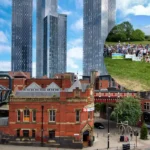
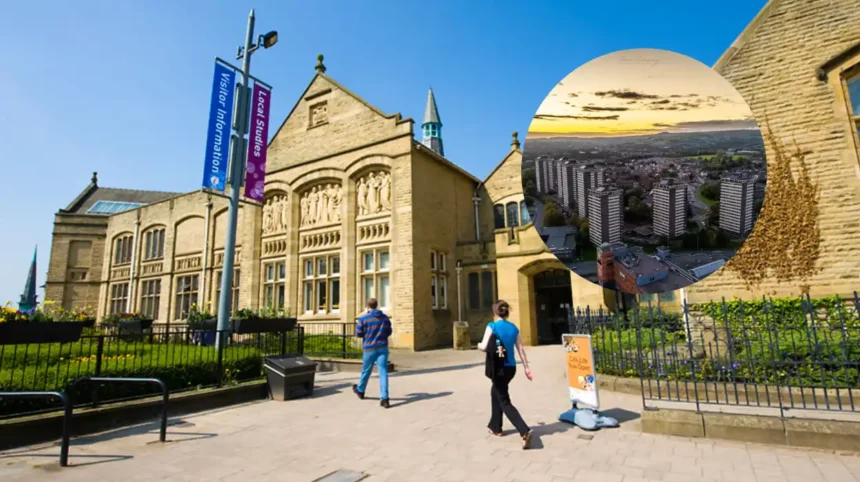
- The seven 1960s blocks dominate Rochdale’s skyline; past proposals included demolishing four as part of regeneration.
- Decision on refurbishment or demolition pending; recent £55m funding secured by RBH for regeneration priorities including this site.
- Evacuation follows independent expert surveys; buildings ageing, making risks more pressing.
Rochdale (Manchester Mirror)April 21, 2026 – Residents of the Seven Sisters tower blocks face imminent relocation after Rochdale Boroughwide Housing (RBH) declared the structures unsafe, raising fears that closure could lead to demolition.
- Key Points
- Why Are Residents Being Asked to Leave the Seven Sisters Towers?
- What Safety Concerns Were Identified in the Surveys?
- How Are Residents Reacting to the Evacuation Order?
- What Is the History of the Seven Sisters Blocks?
- Who Is Rochdale Boroughwide Housing and What Do They Plan Next?
- Background of the Development
- Prediction: Impact on Rochdale Residents
Why Are Residents Being Asked to Leave the Seven Sisters Towers?
Surveys by independent experts revealed critical issues prompting the evacuation order. As reported by staff at Rochdale Valley Radio, structural and electrical problems, water pumping system failures, roof damage, and escalating heating costs were flagged, with risks intensifying as the 1960s buildings age. RBH confirmed these findings in letters sent on Wednesday to 229 households across the seven blocks, stating residents must move out while the towers’ future is assessed.
The social landlord emphasised that current management of safety risks is in place but becoming unsustainable. According to BBC News coverage, RBH announced the move after assessments uncovered “major issues,” instructing remaining occupants to depart in the coming weeks. Housing Today similarly detailed the independent surveys pinpointing electrical faults, water supply disruptions, and roof deterioration.
What Safety Concerns Were Identified in the Surveys?
The core problems centre on ageing infrastructure unfit for modern standards. Rochdale Times reported that warnings over building safety form part of ongoing tensions, with residents receiving formal notices to vacate. RBH stated explicitly that “surveys had found the buildings to be unsafe,” covering the full scope from structural integrity to electrical systems.
Rochdale Valley Radio elaborated on specifics: “problems with the water pumping system; roof damage; and the ever-increasing costs for customers to heat,” alongside structural and electrical faults. BBC News noted electrical faults, water supply issues, and roof damage as key factors, with RBH warning that “the long safety of buildings cannot be guaranteed”. These align with Housing Today’s account of surveys by independent experts.
How Are Residents Reacting to the Evacuation Order?
Tenants have mounted strong resistance, viewing the move as forced displacement. As reported by (unnamed journalist) of Rochdale Times, residents believe “warnings over the safety of the buildings are the latest part of a plan to drive them out,” a claim RBH denies. One resident stated,
BBC News highlighted defiance, with residents of the Seven Sisters declaring they “refuse to vacate” despite the safety declaration. Tenants told to leave “say ‘we are staying put’,” refusing relocation orders. Earlier coverage from the Labour Campaign for Council Housing noted historical opposition to RBH’s regeneration plans involving the demolition of four blocks.
RBH counters by pledging support. The provider assured tenants of “financial support offered… as well as assistance in finding new and suitable places to live,” with no immediate moves required. Letters promised help for all 229 households over the coming months.
What Is the History of the Seven Sisters Blocks?
The towers, formally College Bank, have defined Rochdale’s skyline since the 1960s. Residents were informed this week of the decision, echoing past controversies. RBH, formed after Rochdale Council’s stock transfer in 2012—approved by tenants 3-to-1 on 56% turnout—proposed demolishing four blocks for regeneration.
Place North West recently covered RBH securing £55m for recovery, including “regeneration priorities that will deliver new housing and community benefits,” with Seven Sisters as a high-profile scheme. Kevin Brady, chair of the RBH Board, said the funding addresses such sites. All residents have now been asked to leave amid unresolved refurbishment or demolition debate.
A YouTube short referenced a water pipe burst, forcing families out of one tower, leaving flats without water, underscoring recurring issues.
Who Is Rochdale Boroughwide Housing and What Do They Plan Next?
RBH, the social housing landlord, manages the blocks post-2012 transfer. They are “managing these safety risks right now, but these issues are becoming ever more pressing,” per their statement. No final decision on demolition exists; options include refurbishment or teardown.
RBH pledged comprehensive aid: financial packages and rehousing support. Tenants do not face instant eviction, allowing phased moves.
Background of the Development
The Seven Sisters, or College Bank, consist of seven tower blocks built in the 1960s, housing 229 households until recent notices. Rochdale Council’s housing was transferred to RBH in 2012 following a tenant ballot. Early regeneration proposals targeted four blocks for demolition to make way for new development. Safety surveys escalated in 2025, culminating in October letters and ongoing resistance into 2026. RBH’s £55m funding in January 2026 targets sites like this for new housing. The blocks remain prominent landmarks despite mounting concerns.
Prediction: Impact on Rochdale Residents
This development could require 229 households to relocate over months, disrupting lives with packing, school changes for children, and community ties. Financial support from RBH may ease costs, but finding suitable alternative homes in Rochdale’s market poses challenges, potentially leading to temporary housing or moves elsewhere. Resistance might delay timelines, prolonging uncertainty and safety risks for those staying put. Successful rehousing could improve living standards with modern facilities, while prolonged disputes risk heightened tensions between tenants and RBH. Regeneration, if pursued, holds potential for upgraded community benefits, but demolition would erase a skyline icon, affecting local identity.