Key Points
- Nigel Farage deleted a post using Andy Burnham’s portrait after artist Stanley Chow launched legal action
- The portrait was used to promote “anti-immigration” messaging without Chow’s permission
- Stanley Chow instructed law firm Brabners to seek redress for copyright infringement
- Chow stated his work was used to share a message he “fundamentally disagrees with”
- Reform UK claimed the use amounted to “fair use” and called the legal action “politically motivated”
- Despite their defence, Reform UK removed posts “in good faith and without any admission of liability”
- Chow is a second-generation immigrant born in Manchester to parents from Hong Kong
- The artist said the unauthorised use “misrepresents what the image stands for and what I believe in”
Manchester Crime(Manchester Mirror) June 06, 2026 — Nigel Farage has deleted a social media post featuring Manchester artist Stanley Chow’s portrait of Andy Burnham after the artist launched legal action for using it to push “anti-immigration” messaging without permission.
- Key Points
- What Led to Farage’s Post Removal and Legal Threat?
- How Did Reform UK Respond to the Legal Action?
- Why Does Chow Consider This Use Fundamentally Unfair?
- What Is the Connection Between the Portrait and Andy Burnham?
- Which Law Firm Is Chow Instructing for the Copyright Case?
- What Does Fair Use Defence Mean in This Context?
- How Does Chow’s Immigrant Background Influence His Position?
- What Is the Timeline of This Legal Dispute?
- Could This Case Impact Future Copyright Disputes in UK Politics?
- What Are the Potential Legal Outcomes for Chow?
- Why Did Reform UK Remove Posts Despite Their Defence?
- What Message Does This Incident Send to Artists in Political Contexts?
- Background of the Development: Artist Rights and Political Messaging in UK
- Prediction: How This Development Could Affect UK Artists, Immigrants, and Political Parties
What Led to Farage’s Post Removal and Legal Threat?
As reported by the editorial team of About Manchester, Stanley Chow whose portrait of Andy Burnham has been used on Burnham’s by-election literature said: “My work has been used without permission to share a message that I fundamentally disagree with”.
Chow says he was not consulted or asked for permission and has now instructed law firm Brabners to seek redress on the basis of copyright infringement.
How Did Reform UK Respond to the Legal Action?
A Reform UK spokesman said: “We maintain that the use of the material amounts to fair use and that this legal action is politically motivated. However, we have removed the posts in good faith and without any admission of liability on our part”.
Why Does Chow Consider This Use Fundamentally Unfair?
Chow said:
“For me, this is straightforward – my work has been used without permission to share a message that I fundamentally disagree with. While I am a proud Mancunian, I’m also a second-generation immigrant born and raised here to parents from Hong Kong. To see my portrait, created to represent something positive about Manchester and Andy’s vision for the city, being used without my permission to push agendas, including an anti-immigration message, is fundamentally unfair and wrong. It misrepresents what the image stands for and what I believe in. I want to be clear about that, and I want to set the record straight”.
What Is the Connection Between the Portrait and Andy Burnham?
The portrait by Stanley Chow depicts Andy Burnham, who is a political figure in Manchester. The artwork had previously been used on Burnham’s by-election literature before being repurposed by Farage for anti-immigration messaging.
Which Law Firm Is Chow Instructing for the Copyright Case?
Chow has instructed the law firm Brabners to seek redress on the basis of copyright infringement. Brabners is a well-established legal firm that will handle the copyright infringement case against Reform UK and Farage’s use of the unauthorised image.
What Does Fair Use Defence Mean in This Context?
Reform UK’s spokesman maintained that “the use of the material amounts to fair use”. Fair use is a legal defence that allows limited use of copyrighted material without permission under certain circumstances, such as for commentary, news reporting, or parody. However, the company’s defence appears to be challenged by Chow’s claim that the use was unauthorised and misrepresents the original intent of the artwork.
How Does Chow’s Immigrant Background Influence His Position?
Chow’s personal background as a second-generation immigrant is central to his objection. As reported by About Manchester, Chow stated: “I’m also a second-generation immigrant born and raised here to parents from Hong Kong”. This personal connection makes the anti-immigration messaging particularly contradictory to his own identity and experiences, reinforcing his statement that the unauthorised use is “fundamentally unfair and wrong”.
What Is the Timeline of This Legal Dispute?
The incident occurred in early June 2026, with Farage deleting the post shortly after Chow threatened legal action. The timeline shows Chow’s initial statement about unauthorised use, followed by his instruction to Brabners, and then Reform UK’s removal of the posts despite their fair use defence.
Could This Case Impact Future Copyright Disputes in UK Politics?
This case represents a significant moment where an artist successfully challenged political figures over unauthorised use of copyrighted artwork. The outcome may set a precedent for how political parties must obtain permission before using artists’ work for political messaging, particularly when the messaging contradicts the artist’s own values or identity.
What Are the Potential Legal Outcomes for Chow?
If Chow’s copyright infringement claim succeeds, he could potentially receive financial compensation for the unauthorised use of his work. The case may also result in a court order preventing further use of the portrait without permission. However, Reform UK has already removed the posts, which may limit the scope of damages available.
Why Did Reform UK Remove Posts Despite Their Defence?
Despite maintaining their fair use defence and calling the legal action “politically motivated,” Reform UK removed the posts “in good faith and without any admission of liability on our part”. This suggests the party may have wanted to avoid further legal complications or public controversy while maintaining their legal position that the use was permissible.
What Message Does This Incident Send to Artists in Political Contexts?
This incident sends a clear message that artists have the right to control how their work is used, particularly when it is repurposed for political messaging they disagree with. It reinforces the importance of obtaining permission before using copyrighted artwork in political campaigns or social media posts.
Background of the Development: Artist Rights and Political Messaging in UK
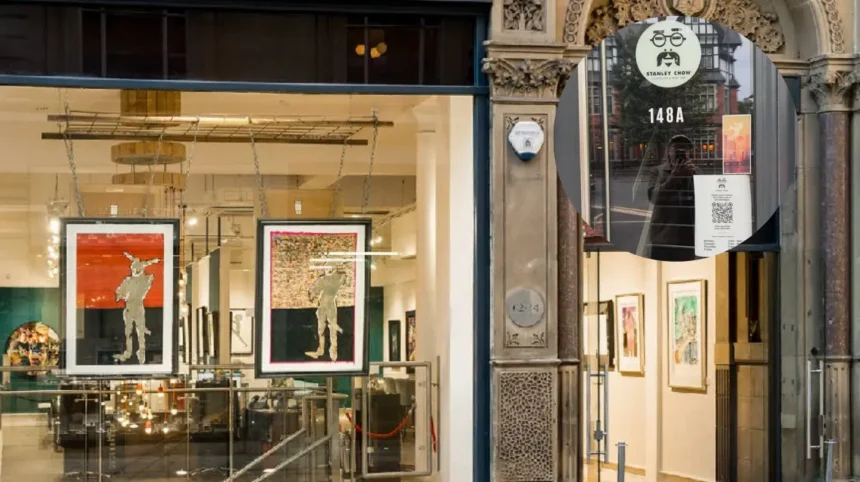
This development stems from the growing tension between copyright protection and political messaging in the United Kingdom. Stanley Chow is an established Manchester-based artist known for creating portraits that capture the identity and spirit of Manchester and its political figures. His portrait of Andy Burnham had been originally commissioned for Burnham’s by-election literature, representing a positive vision for the city.
The controversy emerged when Nigel Farage, leader of Reform UK, repurposed Chow’s portrait without permission to promote anti-immigration messaging. This repurposing created a direct contradiction between the original intent of the artwork and its new political use. Chow, as a second-generation immigrant born in Manchester to Hong Kong parents, found the anti-immigration messaging particularly offensive given his own identity.
The legal action was initiated through Brabners, a prominent UK law firm, on the basis of copyright infringement. Reform UK’s defence relied on the “fair use” principle, which allows limited use of copyrighted material without permission under certain circumstances. However, the party’s decision to remove the posts despite their defence suggests they may have wanted to avoid further legal or public relations complications.
This case reflects broader issues about artist rights in political contexts, particularly when political messaging contradicts the artist’s personal values or identity. It also highlights the increasing scrutiny on how political parties use copyrighted material in their campaigns and social media presence.
Prediction: How This Development Could Affect UK Artists, Immigrants, and Political Parties
This development could have significant implications for multiple groups in the United Kingdom:
For UK Artists: This case establishes a stronger precedent that artists can successfully challenge political figures over unauthorised use of their work. Artists may feel more confident in asserting their copyright rights when their work is repurposed for political messaging they disagree with. This could lead to more artists seeking permission before their work is used in political contexts, potentially slowing down political campaigns that rely on borrowed imagery.
For Immigrants in the UK: Chow’s statement as a second-generation immigrant resonates with many immigrants who may see their identities misrepresented in political messaging. This case could encourage other immigrants to challenge political messaging that contradicts their personal experiences or identities. It may also strengthen support for immigrant communities who face anti-immigration rhetoric, particularly when such rhetoric is promoted using imagery that misrepresents their contributions to society.
For Political Parties in the UK: Political parties may need to become more cautious about using copyrighted material without permission, particularly when the messaging could be seen as contradicting the artist’s values. This could lead to increased costs for political campaigns as parties must commission original artwork or obtain proper permissions. The case may also make parties more vulnerable to legal challenges from artists, potentially resulting in financial damages or court orders preventing further use of disputed material.
For UK Copyright Law: This case could influence how “fair use” is interpreted in UK copyright law, particularly in political contexts. If Chow’s claim succeeds, it may narrow the scope of fair use defence when copyrighted material is used for political messaging that contradicts the artist’s identity or values. This could set a precedent for future copyright disputes involving political figures and artists.
For Public Discourse on Immigration: The incident highlights the contradiction between using an immigrant artist’s work to promote anti-immigration messaging. This may encourage more public scrutiny of how political messaging is constructed and whether it aligns with the values of those whose imagery is used. It could also strengthen arguments against anti-immigration rhetoric by demonstrating its inconsistency with the contributions of immigrant communities to British society.
The outcome of this case will likely influence how political parties, artists, and immigrants navigate the complex relationship between copyright protection, political messaging, and identity representation in the United Kingdom. Whether Chow’s claim succeeds or Reform UK’s fair use defence prevails, this incident has already sparked important conversations about artist rights and political accountability in the digital age.