Heaton Park is the largest public park in Greater Manchester, covering exactly 600 acres of municipal land. The local council acquired the estate in 1902 to provide recreational space for the growing industrial population. The site features a Grade I listed neoclassical country house designed by James Wyatt in 1772.
The municipal estate contains multiple historical structures, including an ornamental temple, a colonnade, and a papal monument. The park provides specialized recreational zones, including an 18-hole golf course, a boating lake, and an animal center. The animal center houses various livestock species, including alpacas, pigs, and highland cattle. The landscape consists of expansive grasslands and ancient woodlands that support local wildlife populations. The park registers over two million annual visitors due to its extensive amenities and transport links. The Manchester Metrolink network connects directly to the park via the Heaton Park tram stop.
The grounds host large outdoor events, including music festivals, charity runs, and theatrical performances. Park maintenance requires an annual budget of several million pounds funded by the Manchester City Council. The local authority employs a dedicated team of park rangers and groundskeepers to manage the estate. Ongoing restoration projects target the preservation of the historic buildings and the enhancement of public facilities. The recent renovations included the refurbishment of the historic tramway system operating within the park boundaries.
Which Botanical Gardens Exist in the Manchester Area?
Fletcher Moss Botanical Garden and RHS Garden Bridgewater operate as the primary horticultural spaces within the region. Fletcher Moss Botanical Garden occupies 10 acres in Didsbury and opened to the public in 1915. Alderman Fletcher Moss donated the estate to the city of Manchester to preserve its unique flora.
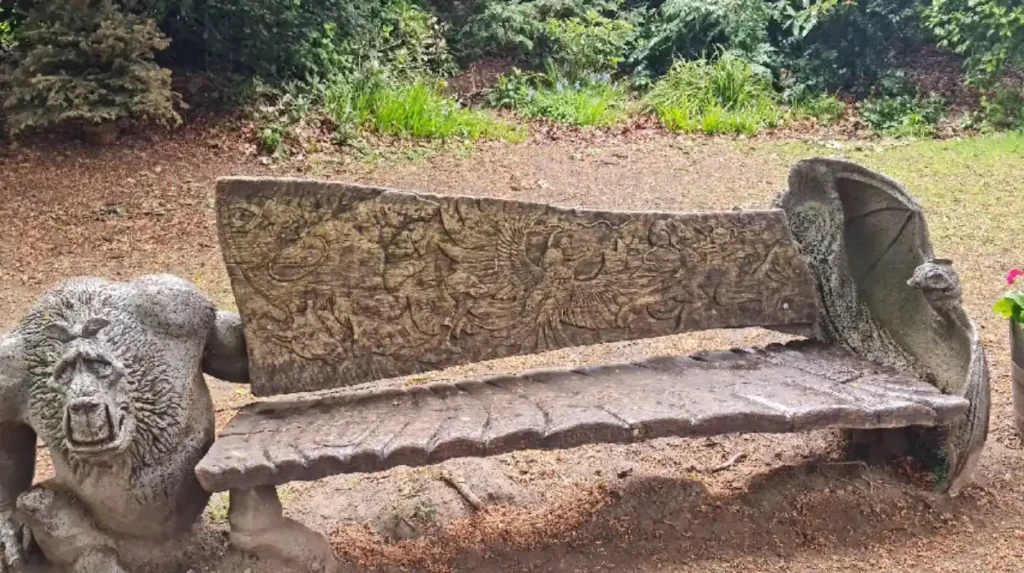
Fletcher Moss features specialized planting zones, including a rock garden, an alpine collection, and a wildlife meadow. The rock garden utilizes a south-facing slope to cultivate rare plant species, including exotic orchids, Japanese maples, and royal ferns. The site maintains strict conservation protocols to protect local amphibian populations residing in the lower marshlands. The botanical garden connects directly to the River Mersey via a network of maintained footpaths. The local community groups organize weekly volunteer sessions to assist the council with horticultural maintenance.
RHS Garden Bridgewater represents a 154-acre horticultural project located in Worsley, Salford. The Royal Horticultural Society opened this site in 2021 after a 35 million pound redevelopment of the Worsley New Hall estate. The garden contains distinct horticultural areas, including a walled garden, a kitchen garden, and a Chinese streamside garden. The walled garden spans 11 acres and ranks among the largest enclosed Victorian gardens in Europe. The site employs advanced sustainable water management systems to irrigate the extensive plant collections throughout the year.
How Does Urban Green Infrastructure Impact Manchester?
Urban green infrastructure reduces surface temperatures and mitigates localized flood risks within the Manchester city center. The Greater Manchester Combined Authority actively develops new green spaces to combat the urban heat island effect. Mayfield Park opened in 2022 as the first new public park in the city center in over 100 years. The park covers 6.5 acres and features the uncovered River Medlock flowing through its center.
The development of Mayfield Park required the removal of tons of industrial waste and the planting of 120 mature trees. These trees provide essential ecological services, including carbon sequestration, air filtration, and noise reduction. The park incorporates 120,000 specific plants, including aquatic reeds, native ferns, and flowering perennials. The root systems of these plants stabilize the riverbanks and prevent soil erosion during periods of heavy rainfall. Engineers designed the park to act as a natural floodplain to protect surrounding commercial properties from water damage.
The presence of urban parks increases adjacent property values and stimulates local economic development. The Manchester City Council integrates green infrastructure into all new commercial and residential planning applications. The incorporation of green roofs and vertical gardens on modern buildings supplements the traditional park network. These interconnected green corridors facilitate the movement of urban wildlife across the metropolitan area. The local government monitors biodiversity metrics to evaluate the effectiveness of these environmental initiatives.
What Water Features Exist Within Manchester Parks?
Manchester parks contain diverse water features, including ornamental lakes, natural rivers, and engineered splash pads. Platt Fields Park features a large central boating lake constructed during the initial park development in 1910. The lake provides a habitat for various waterfowl species, including mallards, mute swans, and Canada geese.
The local angling club manages fishing rights on the lake and stocks the water with carp and bream. The water quality undergoes regular testing by environmental officers to ensure safety for both wildlife and park visitors. Visitors rent pedal boats during the summer months to navigate the perimeter of the 15-acre lake. The council installed mechanical aerators in 2019 to maintain oxygen levels and prevent harmful algal blooms. The surrounding pathways allow visitors to exercise while observing the aquatic ecosystem in the urban environment.
Alexandra Park contains an ornamental lake that underwent extensive restoration between 2012 and 2014. The 5 million pound Heritage Lottery Fund project dredged the lake and rebuilt the surrounding Victorian retaining walls. The water feature includes a newly constructed central island designed specifically as a secure nesting site for local birds. The restoration improved water circulation and introduced aquatic vegetation to naturally filter the water supply. The park incorporates modern drainage systems that channel rainwater directly into the lake to maintain water levels.
How Are Manchester Parks Funded and Maintained?
Manchester City Council allocates a dedicated annual budget to manage and maintain over 130 parks and open spaces. The council relies on a combination of local taxation, government grants, and commercial revenue to fund these operations. Commercial revenue sources include cafe leases, event licensing, and specialized sporting facility rentals.
The local authority employs professional grounds maintenance teams to execute scheduled landscaping tasks across the city. These tasks involve routine procedures, including grass cutting, tree pruning, and seasonal floral planting. The council partners with external contractors to perform specialized arboricultural assessments on mature trees. The parks department utilizes modern machinery to process green waste generated during these maintenance operations. The processed green waste transforms into compost that the council reuses across the municipal park network.
Volunteer organizations play a critical role in supplementing the official council maintenance programs. The city supports numerous “Friends of the Park” groups that organize regular community action days. These community groups secure independent funding from charitable trusts to finance specific park improvement projects. The collaborative approach between the local government and community volunteers ensures the long-term sustainability of the green spaces. The council publishes annual reports detailing the financial expenditure and ecological improvements achieved within the park system.
FAQs About Manchester Parks and Green Spaces
Which Manchester park is best for a family picnic?
Heaton Park provides the best facilities for family picnics due to its vast open grasslands and dedicated picnic areas. The park offers essential amenities, including public toilets, cafes, and extensive parking facilities. The presence of the animal center and large adventure playgrounds provides additional entertainment for children after the meal.
Is it safe to walk in Manchester parks at night?
Manchester City Council officially closes the majority of public parks from dusk until dawn for safety and security reasons. The parks lack adequate artificial lighting to ensure safe pedestrian navigation during nighttime hours. Police advise residents to utilize well-lit public pavements rather than crossing unlit green spaces after dark.
Are dogs allowed in all Manchester public parks?
Dogs possess access to the majority of Manchester public parks under the supervision of their owners. The local council enforces strict bylaws requiring dogs to remain on leads in specific zones, including ornamental gardens and wildlife reserves. Owners face financial penalties for failing to clear up dog waste or allowing dogs into fenced children’s play areas.
Do Manchester parks have public toilets available?
The larger municipal parks in Manchester maintain dedicated public toilet facilities for visitors. Parks providing these facilities include Heaton Park, Platt Fields Park, and Wythenshawe Park. The council standardizes the opening hours of these facilities to align with the operating hours of the on-site cafes.