Remote work expands across Manchester coffee shops due to increasing freelance populations and improved commercial digital infrastructure. Hospitality venues adapt to remote demands by providing high-capacity broadband and specialized working zones. This infrastructure supports professionals seeking collaborative environments outside traditional offices.
- What criteria define a productive workspace in the city centre?
- Which establishments offer the best remote working environments in the Northern Quarter?
- Where can professionals find reliable work spots in Deansgate and the Civic Quarter?
- How do regional spaces compare across Greater Manchester hubs?
- What regulations and etiquette govern long stay venue use?
- How will emerging real estate shifts impact urban remote working spaces?
- FAQs About Laptop-Friendly Cafés in Manchester
- What are the typical Wi-Fi speeds available in laptop-friendly cafés across Manchester?
- Are there specific restrictions on using laptops during weekend hours in central venues?
- How do independent coffee shops manage power outlet access for remote workers?
- Which Manchester café stays open late enough for evening remote working sessions?
- Is it acceptable to take video calls inside open public working spaces in the city?
The structural transition toward distributed corporate operations accelerates the utilization of public hospitality venues as primary workspaces. Manchester undergoes a significant economic diversification, moving from its nineteenth-century manufacturing heritage as a textile metropolis toward a knowledge-driven technology ecosystem. Statistics from the Office for National Statistics indicate that twenty-four percent of the regional workforce utilizes hybrid working models. Local hospitality operators observe this demographic shift and reconfigure their physical floor designs to capitalize on daytime occupancy demands. This commercial real estate adaptation ensures regular revenue streams during off-peak morning and afternoon hours.
The expansion of mobile telecommunications and portable computational devices directly fuels the integration of work and leisure environments. Laptop-friendly establishments act as intermediary spaces that mitigate the professional isolation associated with permanent home working arrangements. Urban professionals select these environments to leverage collective focus dynamics, where observing peers engaged in labor enhances individual task performance. The presence of artisanal coffee programs and curated dietary selections functions as a premium baseline incentive for workers abandoning corporate campuses. Consequently, the commercial footprint of these spaces grows to accommodate the requirements of digital sectors.
What criteria define a productive workspace in the city centre?
A productive city centre workspace requires symmetric internet connectivity, accessible power distributions, and balanced acoustic designs. Successful remote hubs supply consistent data transmission speeds alongside ergonomically viable furniture configurations to sustain prolonged professional focus. These components distinguish professional environments from standard recreational cafes.
Symmetric wireless broadband with download speeds exceeding fifty megabits per second forms the baseline infrastructure for remote working operations. Data transmission reliability prevents software disconnections during enterprise resource planning activities, cloud database synchronization, and high-definition video conferencing sessions. Network administrators in laptop-friendly venues deploy localized load balancing algorithms to distribute bandwidth equally among eighty simultaneous active connections. Security protocols, including isolated guest wireless networks, safeguard corporate data from interception by malicious local agents. These technical measures ensure that digital assets remain secure throughout the working session.
Physical architecture and electrical infrastructure represent the second critical component of workspace viability within urban commercial districts. Outlets for laptop chargers must sit within geometric reach of eighty percent of available seating options to prevent battery depletion. Sound pressure levels must remain below sixty-five decibels to allow cognitive processing without causing auditory fatigue for the occupants. Ergonomic seating options include reinforced wooden benches, padded task chairs, and elevated stools positioned at standard seventy-six centimeter desk heights. Venues optimizing these structural elements experience extended customer retention cycles and increased daily transaction volumes.
Which establishments offer the best remote working environments in the Northern Quarter?
The Northern Quarter hosts premier remote working options, including Foundation Coffee House, TAKK, and Chapter One Books. These venues provide large floor layouts, dedicated charging networks, and quiet environments tailored for extended laptop utilization. Each establishment services specific professional requirements within the local creative economy.
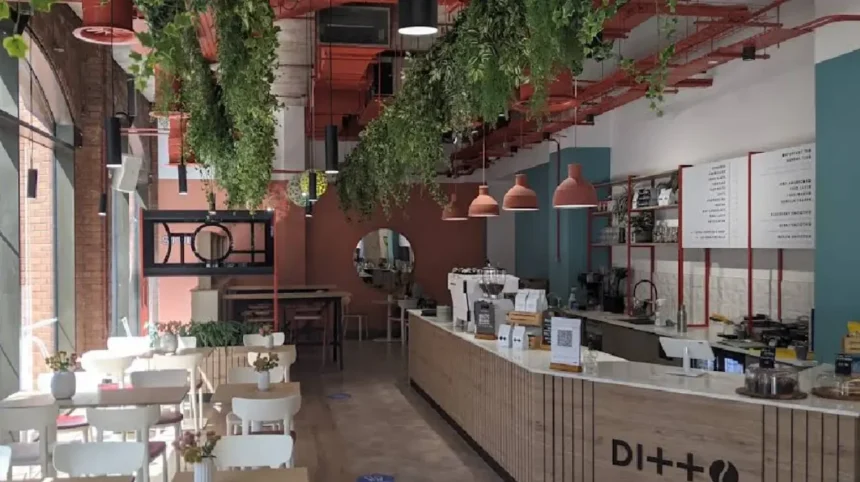
Foundation Coffee House on Lever Street occupies an expansive three-hundred square meter industrial floorplan designed for high-density laptop usage. The venue integrates industrial design components with functional workspace engineering, featuring concrete communal tables fitted with integrated copper power channels. Wireless infrastructure here delivers verified upload speeds of eighty-five megabits per second to support digital media creators. The menu supplies pour-over coffee variations and protein-dense meals to sustain intellectual endurance across prolonged working periods. Spatial design modifications reflect ongoing urban developments across creative zones, including how the Manchester approves 1 Piccadilly Pavilion NQ building changes Manchester Council project reshapes real estate structures.
TAKK on Tariff Street applies Scandinavian design principles to create a minimalist environment optimized for solitary concentration and deep work tasks. The interior utilizes raw timber materials, low-slung ambient hanging lights, and dedicated single-worker benches to maximize available floor space efficiency. Power sockets are positioned beneath every alternate seat along the primary brick wall to ensure continuous machine operations. The venue sources single-origin espresso beans from international roasteries located in Iceland and El Salvador to maintain premium product standards. Remote workers utilize the rear seating section as a quiet zone for text composition and database programming.
Chapter One Books on Lever Street provides a hybrid bookstore environment that achieves low ambient noise levels through soft furnishings. The layout incorporates a central water fountain structure that generates white noise, effectively masking individual vocal conversations during dense occupancy. Operating hours extend until twenty-one hours daily, making this location the primary choice for freelancers aligning with international time zones. Perimeter walls feature built-in bookshelves housing three thousand literary volumes, creating an academic atmosphere that encourages prolonged research. Independent power points serve every individual armchair station situated along the street-facing window line.
Where can professionals find reliable work spots in Deansgate and the Civic Quarter?
Professionals find reliable work spots in Deansgate and the Civic Quarter at Pot Kettle Black and Haunt MCR. These central establishments supply sophisticated environments with reliable technical provisions for corporate remote workers. They position themselves close to core transport networks for maximum transit accessibility.
Pot Kettle Black inside the historic Barton Arcade architecture features a glass-domed ceiling structure providing abundant natural lighting for computer users. The venue offers dedicated booths that reduce screen glare from sunlight, enabling precise visual calibration for graphic designers. Wireless networks operate via high-capacity fiber nodes, ensuring latency remains under twelve milliseconds during corporate virtual private network connections. The automated ordering system allows workers to purchase refreshments directly from their mobile applications without vacating their workspace. Maintaining physical wellbeing between extended desk sessions is supported by municipal health programs, like when a free outdoor fitness series launches in Manchester city centre to encourage active lifestyle choices.
Haunt MCR on Peter Street operates as a dual-concept Italian espresso bar and workspace that accommodates professional client meetings during daytime hours. The interior comprises marble surfaces, leather banquettes, and brass fixtures that align with corporate standards of professional presentation. Desktop charging arrays are embedded into the peripheral seating structures to support dual-device charging for phones and laptops. The acoustic environment stays conversational, making it an ideal location for administrative task execution and email correspondence. Taking structural mental breaks outside commercial establishments helps remote workers reduce cognitive fatigue, highlighting why learning what are the best Manchester parks and green spaces worth exploring on a sunny day is beneficial for overall output.
How do regional spaces compare across Greater Manchester hubs?
Regional spaces across Greater Manchester hubs present high-quality alternatives to city centre venues through specialized neighborhood working environments. Establishments in Ancoats and Altrincham integrate community infrastructure with fast connectivity to replicate central workspace performance standards. These suburban options lower commuting requirements for home-based professionals.
Ancoats Coffee Company situated inside the Grade Two listed Royal Mill development utilizes historic industrial brickwork to house a modern roasting facility. The monumental internal courtyard architecture accommodates forty large-scale desks that easily support multiple layout documents alongside portable computers. Thick masonry walls provide natural thermal insulation, keeping internal temperatures at twenty-one degrees Celsius without relying on mechanical air conditioning units. The venue operates its own wholesale roasting machine, supplying fresh single-origin espresso to remote workers throughout the working day. The surrounding district features pedestrianized public walkways that permit short recreational walks during professional break intervals.
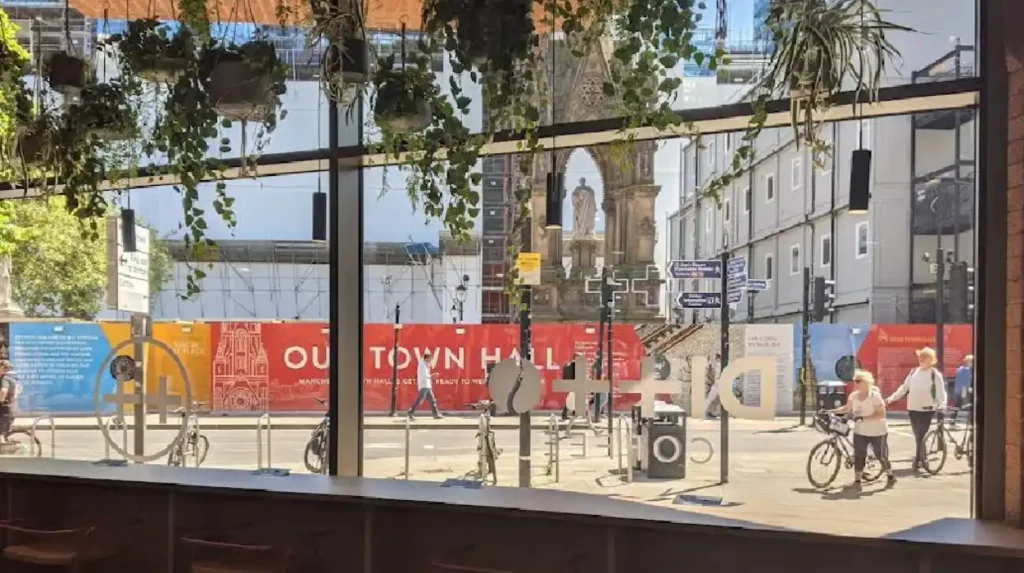
Professionals seeking environments outside the immediate core can explore regional hubs, such as checking the options available at the best cafes in Altrincham town centre for alternative study locations. These peripheral venues install business-grade connectivity matrices to capture remote market share from workers residing in south Manchester suburbs. The proliferation of these regional sites decreases public transit loads on the Manchester Metrolink tram network during morning peak hours. Suburban workspace deployment matches the polycentric urban model favored by modern regional development authorities across the United Kingdom.
What regulations and etiquette govern long stay venue use?
Long stay venue use is governed by financial transaction frequencies, audio management regulations, and spatial consideration protocols. Remote workers must execute routine transactions to compensate business operators for table usage and electrical grid resource consumption. Adhering to these behavioral guidelines ensures mutual sustainability for both hospitality businesses and remote workers.
Commercial sustainability requires patrons to purchase one substantial menu item for every one hundred and twenty minutes of table occupancy. Suitable expenditures include artisanal espresso beverages, specialty teas, baked pastries, and hot lunch options to generate sufficient gross margins. Occupying a multi-person table while spending minimum amounts restricts venue capacity and lowers total daily sales capabilities for small independent brands. Workers should select single-seat counters or specific laptop benches to maximize floor utilization efficiency for walk-in lunch crowds. Financial contributions directly fund the upkeep of high-speed wireless routers and local building maintenance overheads.
Auditory management requires the mandatory deployment of enclosed noise-isolating headphones during all audio-visual playback sessions. Vocal communication during online conference interactions must remain at low conversational volumes to preserve the focus capabilities of adjacent workers. Utilizing speakerphone functions or activating external device alarms violates established collective working guidelines within open public environments. Individuals anticipating extended interactive presentations must book private meeting rooms or return to home office stations to conduct business. These practices minimize collective distraction levels and prevent friction between recreational visitors and corporate remote workers.
How will emerging real estate shifts impact urban remote working spaces?
Emerging real estate shifts will redefine urban remote working spaces through corporate decentralization and the construction of hybrid hospitality developments. Commercial landlords integrate dedicated co-working fixtures directly into traditional coffee shop infrastructures to maximize financial yield per square meter. This integration creates structured networks of flexible municipal workspaces.
The integration of professional amenities into standard hospitality settings represents a long-term evolution within urban property management sectors. Traditional office leases facing contraction lead commercial developers to partner with established coffee brands to provide flexible hospitality spaces. Future venues will install metered power pods, privacy shields, and soundproof telephone booths operating via automated reservation software applications. These technological installations transform casual public cafes into highly organized satellite offices that service regional corporate networks. The resulting infrastructure shortens daily travel distances for knowledge workers while sustaining city center economic performance metrics.
Taking brief video calls is permissible provided users use headphones and maintain low vocal volumes to prevent disturbing surrounding patrons. Long interactive presentations or sensitive business conversations require private room hires or home office settings.
FAQs About Laptop-Friendly Cafés in Manchester
What are the typical Wi-Fi speeds available in laptop-friendly cafés across Manchester?
Manchester establishments provide connection speeds ranging from thirty megabits per second to one hundred megabits per second on symmetric fiber networks. Venues like Foundation Coffee House install enterprise-grade routers to maintain data stability during peak usage times.
Are there specific restrictions on using laptops during weekend hours in central venues?
Many establishments implement laptop restrictions on Saturdays and Sundays between ten and fifteen hours to accommodate high-volume brunch dining demands. Venues indicate these policies through table signage or oral instructions delivered by floor staff.
How do independent coffee shops manage power outlet access for remote workers?
Venues install perimeter power tracks, floor sockets, and integrated table charging bars to distribute electricity across their seating layouts. Operators prioritize laptop users at long communal benches while keeping smaller round tables clear for brief recreational visitors.
Which Manchester café stays open late enough for evening remote working sessions?
Chapter One Books on Lever Street operates until twenty-one hours every day of the week to support late-stage productivity. This extended schedule makes it the premier choice for professionals coordinating tasks with international business partners.
Is it acceptable to take video calls inside open public working spaces in the city?
Taking brief video calls is permissible provided users use headphones and maintain low vocal volumes to prevent disturbing surrounding patrons. Long interactive presentations or sensitive business conversations require private room hires or home office settings.