Key Points
- Manchester Council voted Thursday to approve three major development applications in the city centre and Wythenshawe
- Legal & General secured permission for an 8,600 sq ft roof terrace with 3,500 sq ft internal space plus a new 2,600 sq ft entrance at 1 Piccadilly Gardens
- DLG Architects designed the proposed new entrance that will eliminate the current cut-through between Piccadilly Gardens and Portland Street
- The new entrance address covers anti-social behaviour and protests that previously occurred in the covered walkway
- Renaker Build obtained permission to convert two vacant ground-floor offices (Units 1 and 3) at NQ Building into restaurants, wine bars, or a pub
- Units 1 and 3 at 43-45 and 49 Bengal Street have remained empty for more than a decade
- Lowry Investments (NW) owns the NQ Building and shares the same directors as Renaker Build
- Wythenshawe Town FC supports Padel & Pickle’s plans to convert an unused grass football pitch into padel courts, tennis courts, and a 3G artificial pitch
- The Wythenshawe project includes six doubles padel courts (three covered), two multi-use courts, and five shipping containers for café and storage
- Sports England objected to the loss of a grass pitch but S106 agreement will provide money for a replacement grass pitch
- The council meeting took place on Thursday, 28 May 2026, with applications approved on 1 June 2026
- Application references: 144522/FO/2025 (1 Piccadilly), 145564/FO/2026 (NQ Building), 141898/FO/2025 (Wythenshawe)
Manchester Council(Manchester Mirror)June 01, 2026 – Manchester City Council has approved three significant development applications that will transform office spaces in the city centre and create new sports facilities in Wythenshawe, marking a major step forward for the city’s regeneration programme. As reported by Julia Hatmaker of Place North West, councillors debated and ultimately voted to approve the applications at Thursday’s meeting, with Legal & General securing a green light for its rooftop pavilion plans at 1 Piccadilly while Renaker Build is lined up to convert two vacant Northern Quarter offices into restaurants.
- Key Points
- How Will the 1 Piccadilly Gardens Transformation Add New Amenity Space?
- Why Will the New 1 Piccadilly Entrance Eliminate the Covered Walkway?
- What Changes Are Planned for the Vacant NQ Building Offices in the Northern Quarter?
- How Will Unit 1 Be Divided to Help Find Tenants for the NQ Building?
- What Sports Facilities Will Replace the Unused Wythenshawe Town FC Football Pitch?
- Why Did Sports England Object to the Wythenshawe Pitch Conversion?
- Background on the Approved Developments and Planning Process
- How Will These Developments Impact Manchester Residents and Workers?
How Will the 1 Piccadilly Gardens Transformation Add New Amenity Space?
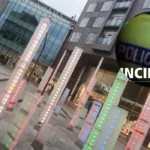
The 1 Piccadilly Gardens application (reference 144522/FO/2025) will add 11,200 sq ft of amenity space to the 114,000 sq ft office block owned by Legal & General, according to planning documents reviewed by Place North West. DLG Architects drew up the proposals that include a new 2,600 sq ft entrance from Piccadilly Gardens and an 8,600 sq ft roof terrace featuring 3,500 sq ft of internal space.
The project team for 1 Piccadilly includes DLG Architects alongside EKHO Studio, Savills, Waterman Structures, Hoare Lea, and Colliers, as confirmed in the approved planning documentation. The approved designs also include provision for solar panels to be added to the building, demonstrating the development’s commitment to sustainable construction practices.
Why Will the New 1 Piccadilly Entrance Eliminate the Covered Walkway?
The new entrance will eliminate the current cut-through between Piccadilly Gardens and Portland Street, which has been a source of anti-social behaviour and protests in the past, as reported by Julia Hatmaker. This design change addresses long-standing safety concerns that had plagued the covered walkway connecting the gardens to the street.
As stated in the planning documents, the covered walkway has historically attracted anti-social activities, making the area less welcoming for pedestrians and workers accessing the office block. The new entrance design provides a more secure and controlled access point while maintaining connectivity between Piccadilly Gardens and Portland Street.
What Changes Are Planned for the Vacant NQ Building Offices in the Northern Quarter?
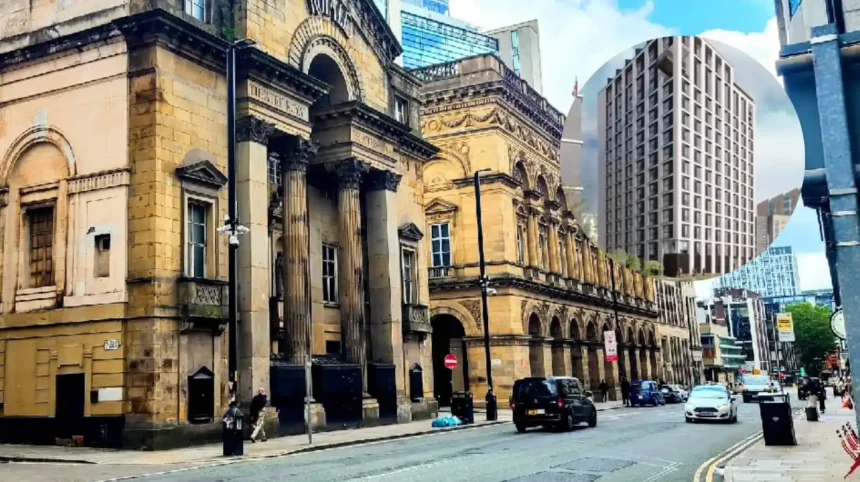
Units 1 and 3 at NQ Building, located at 43-45 and 49 Bengal Street in the Northern Quarter, have been empty for more than a decade, according to Place North West. NQ Building owner Lowry Investments (NW), which shares the same directors as Renaker Build, has secured permission to convert these long-vacant offices into flexible commercial uses.
The converted spaces are likely to become restaurants, wine bars, or a pub, bringing new life to the ground floor of the building. The project team includes Deloitte, FutureServ, and Fisher Acoustics, who will oversee the conversion work.
How Will Unit 1 Be Divided to Help Find Tenants for the NQ Building?
The hope is that by converting Unit 1 into two smaller self-contained units and repurposing Unit 3, the narrative can change at last and they can find a tenant, as explained in the planning application. This strategy addresses the difficulty of occupying large, single-unit office spaces in the current commercial market.
By creating smaller, self-contained units, the development makes the space more accessible to smaller businesses and restaurant operators who may not have the capacity to occupy the entire original unit. This approach aligns with broader trends in commercial real estate where flexible, smaller spaces are increasingly preferred.
What Sports Facilities Will Replace the Unused Wythenshawe Town FC Football Pitch?
Wythenshawe Town FC has put its full support behind the plans from Padel & Pickle to convert an existing grass football pitch into a smaller 3G artificial pitch suitable for seven-a-side matches. The current pitch is not used by the football club as it has issues around drainage, making it unsuitable for regular play.
Padel & Pickle’s plans call for adding two multi-use courts for tennis, pickleball, or netball to the west of the site, while the southern end will have six doubles padel courts. Three of these padel courts will be covered, providing protection from weather conditions and extending the usable hours for players.
The proposals, submitted by McDonald Wilkinson Tonge, also include five shipping containers that could serve as a café, viewing terrace, storage facilities, and changing area. Parking will be provided for 35 cars and secure cycle storage for six bicycles, ensuring adequate access for visitors.
Why Did Sports England Object to the Wythenshawe Pitch Conversion?
Sports England had objected to the proposals due to the loss of a grass pitch, according to the planning documentation. However, as part of the proposed S106 agreement, money towards a replacement grass pitch will be provided, addressing the objection.
The S106 agreement is a legal mechanism in UK planning that ensures developers provide compensatory measures for lost community assets. This financial provision will enable the creation of a new grass pitch elsewhere, maintaining the overall quantity of grass sports facilities in the area.
The project team for Wythenshawe includes LMP, BEK, GSA, Stantec, Yew Tree Gardens, Envirotech, and E3P, bringing together expertise in sports facility design and construction.
Background on the Approved Developments and Planning Process
The three approved applications represent different aspects of Manchester’s ongoing regeneration strategy, targeting office space improvement, commercial vacancy reduction, and sports facility modernisation. The 1 Piccadilly Gardens development (application reference 144522/FO/2025) adds significant amenity space to an existing office block owned by Legal & General, a major financial services firm.
DLG Architects, the design practice behind the 1 Piccadilly proposals, has a established presence in northern England’s architectural sector. The project team’s inclusion of Savills, a major property consultancy, and Waterman Structures, an engineering firm, indicates the development’s complexity and scale.
The NQ Building conversion (application reference 145564/FO/2026) addresses a persistent vacancy problem in the Northern Quarter, a key cultural and commercial district. Lowry Investments (NW)’s connection to Renaker Build, a developer known for major Manchester skyscraper projects including the proposed 71-storey Lighthouse tower, suggests the company’s continued investment in the city.
Renaker Build has previously secured planning consent for multiple skyscrapers at Great Jackson Street, with combined gross development value exceeding £1bn. The company’s turnover rose from £130.3m to £176.7m in the year to October 2025, demonstrating financial strength despite inflationary pressures.
The Wythenshawe Town FC project (application reference 141898/FO/2025) responds to drainage issues that have rendered the original grass pitch unusable. Padel & Pickle specialises in padel court installations, a sport experiencing rapid growth in the UK.
Manchester City Council’s planning and highways committee conducted the Thursday debate, with councillors voting to approve all three applications. The meeting took place on 28 May 2026, with formal approval recorded on 1 June 2026.
Sports England’s objection to the Wythenshawe pitch conversion highlights the tension between adapting facilities for modern sports and preserving traditional grass pitches. The S106 agreement’s financial provision for a replacement pitch demonstrates the council’s approach to balancing development needs with community asset preservation.
How Will These Developments Impact Manchester Residents and Workers?
The approved developments will directly affect multiple audience groups across Manchester, from office workers at 1 Piccadilly to Northern Quarter visitors and Wythenshawe residents. Office workers at Legal & General’s 1 Piccadilly building will gain access to 11,200 sq ft of new amenity space, including an 8,600 sq ft roof terrace with 3,500 sq ft of internal space. This addition provides workers with enhanced break spaces, potential networking areas, and outdoor access that could improve workplace satisfaction and wellbeing.
The new 2,600 sq ft entrance from Piccadilly Gardens will improve access security by eliminating the problematic covered walkway that has been a source of anti-social behaviour and protests. Workers and visitors entering from Piccadilly Gardens will experience a safer, more controlled access point, potentially reducing anxiety about entering the building through the previous walkway.
Northern Quarter residents and visitors will benefit from the conversion of two vacant ground-floor offices at NQ Building into restaurants, wine bars, or a pub. Units 1 and 3 at 43-45 and 49 Bengal Street have been empty for more than a decade, creating a visual and commercial void in the area. The new commercial uses will activate this dormant space, potentially increasing foot traffic, supporting local economy, and enhancing the Northern Quarter’s reputation as a vibrant dining and cultural destination.
The division of Unit 1 into two smaller self-contained units will make the space more accessible to smaller restaurant operators and businesses that previously could not occupy the entire unit. This approach may increase the variety of dining options available in the Northern Quarter, supporting the area’s diverse commercial character.
Wythenshawe residents will gain access to new sports facilities including six doubles padel courts (three covered), two multi-use courts for tennis, pickleball, or netball, and a 3G artificial pitch for seven-a-side matches. The current grass pitch has been unusable due to drainage issues, leaving the football club without a functioning home pitch. The new facilities will provide accessible sports options for residents of all ages, with covered padel courts extending usable hours regardless of weather conditions.
The five shipping containers serving as café, viewing terrace, storage, and changing areas will create a community hub around the sports facilities. The provision of 35 car parking spaces and six secure cycle storage spots ensures adequate access for visitors using different transport modes.
Local sports participants will benefit from the variety of court options, with padel being a rapidly growing sport in the UK that attracts players seeking social, accessible tennis alternatives. The multi-use courts provide flexibility for different sports, maximising the facility’s utility for the community.
Office property values in the Piccadilly Gardens area may increase following the amenity additions at 1 Piccadilly, as enhanced workplace facilities become a competitive advantage in the commercial property market. The solar panel provision also aligns with growing demand for sustainable office spaces, potentially attracting environmentally conscious businesses.
The activation of vacant Northern Quarter office space could influence neighbouring property values, as filled commercial spaces typically support higher property values than vacant ones. This effect may extend to residential properties in the immediate vicinity, where improved street-level activity enhances neighbourhood appeal.
The Wythenshawe sports facility conversion addresses a specific local need for functional sports pitches, potentially reducing demand on other council-managed sports facilities in the area. This could free up capacity at other locations for different community uses.
Workers commuting to Piccadilly Gardens will experience improved pedestrian safety following the entrance redesign, which removes the anti-social behaviour hotspot. This change may encourage more people to use Piccadilly Gardens as a commuting route, potentially increasing foot traffic for nearby businesses.
The developments collectively demonstrate Manchester City Council’s approach to approving projects that enhance existing assets rather than solely pursuing new construction, reflecting a regeneration strategy focused on optimising current infrastructure.