Key Points
- Greater Manchester Police (GMP) are searching for 35-year-old Dave Walsh, wanted on recall to prison.
- Walsh was born on 30 March 1991 and has known links to the Bury area of Greater Manchester.
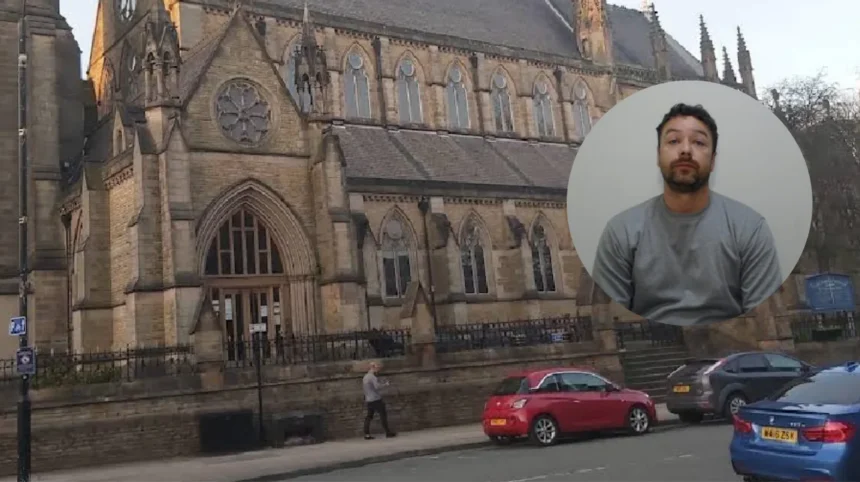
- GMP has released a custody mugshot as part of a public appeal to help locate him.
- People with information are urged to contact Bury Police or Crimestoppers anonymously.
- The appeal was published on Facebook and has been reported by local media including Bury Times.
- Walsh’s recall to prison indicates a breach of licence conditions or other legal trigger, though GMP has not specified exact reasons.
- The operation is being treated as a priority by local police, who are using social media and community networks to widen the search.
- The case highlights ongoing efforts by GMP to manage offenders recalled from the community and reduce the risk of further offences.
Bury (Manchester Mirror) July 15, 2026 – Greater Manchester Police have launched a public search for Dave Walsh, a 35-year-old man wanted on recall to prison and known to have connections with the Bury area, as officers warn he may pose a risk and urge anyone with information to contact them immediately.
- Key Points
- Why Is Dave Walsh Wanted and What Does “Recall to Prison” Mean?
- How Are Police Using Media and Community Networks to Find Walsh?
- What Impact Could This Developments Have on Residents and Local Communities?
- Background of the Development: Offender Recall and Community Safety in Greater Manchester
- Prediction: How This Development Could Affect Local Audiences and Future Police Actions
Bury, a town in the north-west of Greater Manchester, has become the focal point of a police operation after GMP confirmed that Walsh is wanted on recall to prison. The force has issued a custody image and published a detailed appeal on social media, identifying Walsh by name, age, and date of birth (30/03/1991) while emphasising his local links.
As reported by the Bury Times, Greater Manchester Police said:
“Can you help us locate Dave Walsh (30/03/1991), who is wanted on recall to prison? He has links to the #Bury area of Greater Manchester.”
The statement was posted on Facebook and has been widely shared across local online channels, with police stressing the need for swift community assistance.
Those with information on Walsh’s whereabouts are being asked to call Bury Police directly or to contact Crimestoppers, the independent charity that allows people to provide details anonymously. Crimestoppers has long worked with UK police forces to gather intelligence without putting callers at risk, and its involvement in this case underlines the seriousness with which GMP is treating the search.
Why Is Dave Walsh Wanted and What Does “Recall to Prison” Mean?
Recall to prison is a legal mechanism used in England and Wales when someone released from custody, often on licence or under supervision, is considered to have breached conditions or to pose an increased risk to the public. When an offender is recalled, they are taken back into prison, and their release is effectively suspended until a formal review can be carried out.
In Walsh’s case, GMP has not publicly disclosed the specific reasons for the recall, and no court documents or official statements have been released detailing the alleged breach. However, the fact that police have issued a public appeal with a mugshot suggests that the matter is being treated as urgent and that there may be concerns about potential risk if Walsh remains at liberty.
As explained in standard newswriting guidelines, the “who, what, when, where, why and how” must be clearly addressed in a story, but where official information is limited, journalists must avoid speculation and stick to what is confirmed. Accordingly, while the exact trigger for Walsh’s recall is not known, the public nature of the search indicates that police believe community awareness could help locate him quickly.
How Are Police Using Media and Community Networks to Find Walsh?
Greater Manchester Police are using a multi-channel approach to widen the search for Walsh, combining social media, local news coverage, and traditional police publicity methods. The Facebook appeal includes Walsh’s name, age, date of birth, and a custody photograph, all designed to make identification easier for members of the public.
Local media outlets, including the Bury Times, have reported the appeal and reiterated GMP’s request for information, helping to extend the reach of the message beyond police channels. This reflects common practice in UK policing, where forces routinely co-operate with regional newspapers and online news platforms to ensure that warnings and alerts are seen by people who live in or near the affected area.
Crimestoppers’ involvement adds another layer to the strategy, enabling people who may fear retaliation or simply prefer anonymity to pass on details about Walsh’s location. The charity’s national infrastructure allows it to forward information to the relevant police team quickly, which is critical in cases where time is a key factor.
What Impact Could This Developments Have on Residents and Local Communities?
The public search for Walsh is likely to affect residents in Bury and neighbouring areas in several ways. First, it raises awareness that an individual wanted by police is potentially in the locality, which may lead some people to be more cautious, particularly when encountering unfamiliar individuals at night or in isolated areas.
Second, the case may influence how local communities engage with police. High-profile searches often encourage people to report suspicious behaviour or share information they might previously have ignored, strengthening the flow of intelligence to officers. For already active neighbourhood groups or volunteer schemes, this can lead to increased communication with local police stations and more frequent updates on developments.
However, there is also a risk of unwarranted speculation or stigmatisation if residents begin to associate the search with particular streets or groups without clear evidence. Newswriting best practice stresses that journalists and police must avoid naming areas or communities unless there is confirmed information, to prevent discrimination or fear based on assumptions. GMP’s appeal has carefully limited its geographic reference to “the Bury area” rather than pinpointing specific neighbourhoods, which helps to mitigate this risk.
Background of the Development: Offender Recall and Community Safety in Greater Manchester
The recall of offenders to prison is part of a broader framework used by the UK probation and prison system to manage risk in the community. When an offender is released on licence, they must comply with conditions such as attending supervision sessions, avoiding certain individuals or areas, and not committing further offences. If these conditions are breached, or if new information suggests the person poses a heightened risk, the system can trigger a recall.
Greater Manchester Police, like many forces across England and Wales, work closely with probation services and the National Offender Management Service to monitor released offenders and act quickly when risks emerge. Public appeals for information, mugshot releases, and anonymous reporting channels are standard tools in this process, used when an offender is at liberty and there is a need to locate them promptly.
The case of Dave Walsh illustrates how these mechanisms operate in practice: a local links-based search, a public appeal via social media, and collaboration with Crimestoppers to gather intelligence without exposing witnesses. Such approaches are designed to balance community safety with the rights of individuals, ensuring that recalled offenders are detained while avoiding unnecessary harm to those who are not involved.
Prediction: How This Development Could Affect Local Audiences and Future Police Actions
In the short term, the search for Walsh is likely to increase vigilance among residents in Bury and surrounding areas, with more people paying attention to unfamiliar individuals and reporting suspicious activity. This can lead to a temporary rise in calls to police and Crimestoppers, which forces must manage carefully to avoid overwhelming resources while still responding to genuine concerns.
If Walsh is located quickly, the case may serve as a reminder of the effectiveness of public–police cooperation and could encourage forces to continue using similar high-profile appeals for other recalled offenders. Conversely, if he remains at liberty for a prolonged period, there is a chance that local anxiety could grow, potentially leading to calls for increased patrols, more visible policing, or additional community safety measures in Bury.
Over the longer term, repeated use of public recall appeals in Greater Manchester may normalise this approach, making it a standard part of the force’s community safety toolkit. For residents, this could mean more frequent visibility of police searches for individuals wanted on recall, with corresponding expectations that they will play an active role in helping to locate such persons. The net effect, if managed responsibly, is likely to be a more informed and engaged community, better equipped to support police in maintaining public safety while minimising stigma and fear based on speculation.