Key Points
- The Kimpton Clocktower workers who are members of Unite will go on strike on the Saturday of Manchester Pride.
- The strike is among other ongoing disputes that pertain to trade union recognition and anti-union activities at the Manchester hotel according to Unite.
- The dispute is also linked to the hotel’s restaurant and bar known as The Refuge.
- The InterContinental Hotels Group (IHG) that owns the hotel had previously stated that it respects its employees’ right to lawfully go on strike.
- Workers at the hotel have been staging several strikes since the month of June.
- Manchester City Council had previously threatened that any future bookings at the venue would be reviewed should the dispute not be sorted out.
- Unite had previously claimed that two union organizers were fired after workers started organizing themselves.
Manchester (Manchester Mirror) August 24, 2026 — Kimpton Clocktower workers strike action is set to continue during Manchester Pride, with Unite members at the city-centre hotel planning a walkout on the Saturday of the annual event, August 24, 2026. The planned industrial action forms part of a long-running dispute between Unite and InterContinental Hotels Group UK (IHG), the hotel owner, over trade-union recognition and allegations made by the union about the treatment of workplace representatives.
- Key Points
- Why are Kimpton Clocktower workers striking during Manchester Pride?
- What have Unite and IHG said about the dispute?
- How has the industrial action developed since June?
- What are the workers’ reported concerns?
- How has Manchester City Council responded to the dispute?
- Background: What led to the Kimpton Clocktower dispute?
- Prediction: How could the Pride strike affect guests, workers and Manchester visitors?
Why are Kimpton Clocktower workers striking during Manchester Pride?
Unite said workers at the Kimpton Clocktower Hotel will strike on the Saturday of Manchester Pride as the union continues its campaign for recognition at the venue. The action concerns staff at both the hotel and The Refuge, the restaurant and bar based within the building.
The union describes the dispute as one involving “union busting”, an allegation that IHG disputes in its wider responses to the concerns raised by employees. Unite has said staff have sought a recognised union presence in discussions with management about working arrangements and conditions.
According to Unite’s earlier statements, workers’ concerns have included staffing levels, sick pay, shift rotas, rest periods between shifts and notice given for changes to working patterns. The union has also called for the reinstatement of workplace representatives it says were dismissed or suspended after organising activity began.
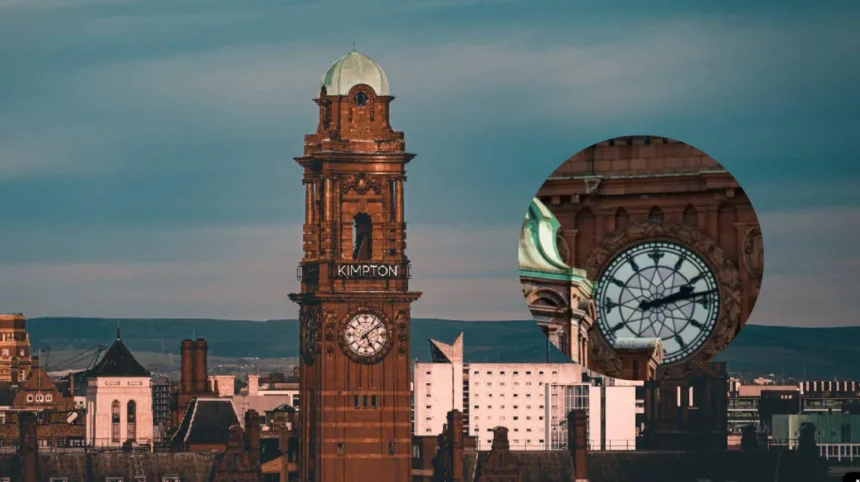
The Kimpton Clocktower occupies a prominent site on Oxford Street, close to Manchester’s main Pride activity areas. Manchester Pride traditionally brings large numbers of visitors into the city over the August bank-holiday period, and the strike has therefore been scheduled during a major weekend for the local hospitality sector.
Unite’s announcement does not itself establish what operational effect the walkout will have on hotel guests, restaurant customers or Pride-related events. The practical impact will depend on the number of workers participating, the departments involved and the hotel’s contingency arrangements.
What have Unite and IHG said about the dispute?
As reported by the BBC in May, Unite alleged that two workers involved in efforts to establish union representation at the Kimpton Clocktower had been dismissed. The union described the dismissals as victimisation connected to the campaign for recognition.
Bryan Simpson, Unite’s hospitality lead, was quoted by the BBC describing the situation as “the most overt case of union victimisation we have ever encountered”. That statement represented Unite’s position in the dispute.
In its response reported by the BBC, IHG said it was aware of concerns raised by some workers and took the issues seriously. The company said it had channels through which employees could raise concerns and that it remained committed to working collaboratively with staff. IHG did not comment on individual employment cases.
The Manchester Evening News reported in June that hotel management said it respected workers’ individual rights to take part in lawful industrial action. That response came as workers prepared for the first phase of planned walkouts.
The central disagreement remains whether Unite should receive formal recognition at the workplace and whether management’s actions towards union representatives were appropriate. Unite says the company has refused to engage constructively on recognition. IHG has said it has mechanisms in place for dialogue with its workforce.
How has the industrial action developed since June?
The Manchester Evening News reported that a first series of walkouts began at 5pm on 30 June, followed by action on 4, 5, 11 and 12 July.
Further action was then announced for later in July. Manchester TV reported that workers at the Kimpton Clocktower and The Refuge were scheduled to strike on 11 and 12 July, followed by dates on 18 and 19 July and again on 25 and 26 July.
Unite subsequently escalated the dispute into August. Its 28 July announcement said workers would walk out from 31 July to 2 August and from 7 to 9 August. Roch Valley Radio, reporting on the same development, said the action was linked to IHG’s refusal to grant formal recognition to the union.
The union’s campaign has drawn attention partly because of the nature of the sector. Hospitality workplaces often rely on shift patterns, part-time employment and flexible staffing arrangements, making collective organisation more difficult than in some other industries.
Campaigners supporting the workers have described the dispute as the first official hospitality strike in North West England, although that characterisation has been made by union and campaign sources rather than independently established in the material available.
What are the workers’ reported concerns?
Unite and organisations supporting the strike have listed a range of workplace concerns. These include alleged understaffing, problems with sick pay, short-notice rota changes and insufficient rest between shifts.
A report by RevSoc21, based on interviews with Unite members, said workers had raised concerns about late-issued rotas, inadequate sick pay, staffing levels and equipment. It also reported that late rota information had particular consequences for some women workers with caring responsibilities. Those are claims made by workers and supporters of the industrial action.
A separate report from Socialist Alternative said workers were seeking formal union recognition, reinstatement of representatives and what it described as improved arrangements concerning rotas, staffing, full-time contracts and late-shift travel. These demands have been reported by campaign sources and should be understood as the workers’ position in the dispute.
The hotel’s parent company has not publicly addressed every individual allegation in the reporting available. Its stated position has been that it takes concerns seriously, offers established channels for staff feedback and is committed to continuing engagement with employees.
How has Manchester City Council responded to the dispute?
Manchester City Council has previously intervened in relation to its proposed use of the venue. Unite said in July that the council was considering withdrawing a provisional booking for the Best of Manchester Awards, which had been expected to take place at the Kimpton Clocktower in October.
Roch Valley Radio reported that the council had told hotel management it could reconsider the booking while the dispute remained unresolved. The report said the council’s position followed ongoing strikes and concerns about the company’s approach to union recognition.
A Unite statement also said the authority had warned that current and future bookings could be reviewed if the dispute continued. The council’s intervention added commercial and reputational pressure to a dispute that had initially focused on workplace representation and conditions.
There is no indication in the available reporting that the council had made a final decision to cancel the awards booking. The position described was that the booking could be reconsidered.
Background: What led to the Kimpton Clocktower dispute?
The dispute developed after workers at the Kimpton Clocktower and The Refuge began organising with Unite and sought union recognition. Unite says staff raised concerns over working conditions and requested meaningful discussions with the employer.
In March, the Manchester Evening News reported that Unite members had protested outside the Oxford Street hotel. At that stage, workers had raised concerns including workloads, staffing and the notice provided for rota changes. IHG said it was aware of concerns raised by some team members and remained committed to dialogue through its existing processes.
The dispute intensified after Unite alleged that two workplace representatives had been removed from their jobs or suspended. The union says those actions were related to lawful trade-union activity. IHG has declined to discuss individual employment matters publicly.
Strike action began in late June and has continued through subsequent dates in July and August. The proposed Manchester Pride Saturday walkout represents the latest announced stage of that campaign.
Prediction: How could the Pride strike affect guests, workers and Manchester visitors?
For guests and visitors, the principal possible effect is disruption to normal service at the Kimpton Clocktower or The Refuge if a substantial number of staff take part. Customers with bookings during Manchester Pride may seek confirmation directly from the venue about services, events and reservations.
For workers, the action is likely to maintain public attention on union recognition, rota practices and workplace conditions. It may also increase pressure for further talks between Unite and IHG, although no agreement has been announced.
For Manchester’s hospitality sector, the dispute may prompt wider discussion about staffing, union representation and working conditions during busy event periods. The planned action coincides with a major visitor weekend, meaning the disagreement is likely to receive greater public visibility than a strike held at a quieter time.