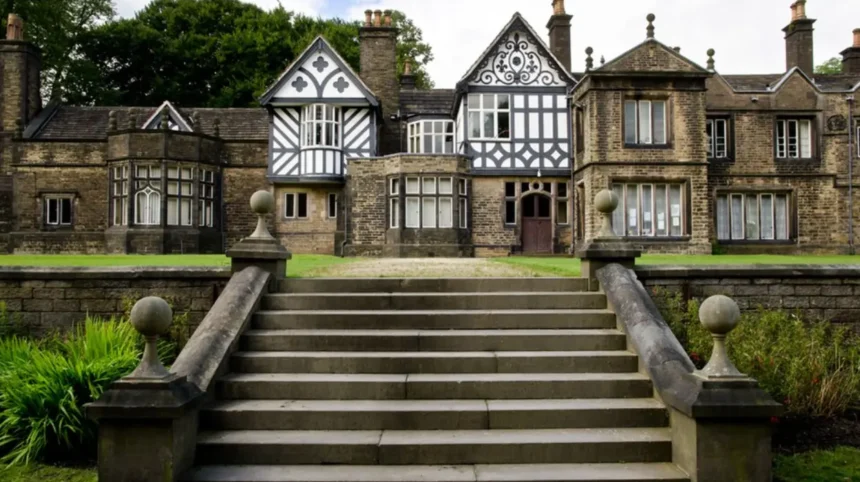
Bolton is a historic mill town located in Greater Manchester, England, featuring a rich industrial heritage, Victorian architecture, and vibrant cultural attractions. The town evolved significantly during the Industrial Revolution as a major center for textile manufacture, cotton spinning, and coal mining. Visitors can explore distinct landmarks such as the Bolton Steam Museum, the Octagon Theatre, and Le Mans Crescent. The municipality spans approximately 139 square miles and accommodates a diverse population of nearly 300,000 residents across multiple distinct districts. Regional transportation links connect the settlement directly to Manchester city center via frequent rail services operated by Northern.
- How does the industrial history of Bolton influence its modern visitor attractions?
- What are the top historical landmarks and museums to visit in Bolton?
- Where are the best natural spaces and outdoor recreation areas in Bolton?
- How can travelers efficiently plan a multi-day itinerary in Bolton?
- Frequently Asked Questions
Industrial heritage shapes the architectural landscape of the town center through preserved civic buildings constructed from local Yorkshire stone and red brick. The town hall serves as a prime example of neoclassical architecture, completed in 1873 and officially opened by the Prince of Wales. Cultural institutions within the municipal boundary offer free public access to extensive collections of fine art, archaeology, and natural history specimens. Local governance operates through the Bolton Metropolitan Borough Council, which manages public parks, leisure facilities, and heritage conservation programs. Tourism initiatives highlight the integration of modern retail developments alongside centuries-old industrial structures to attract regional and international visitors.
Travelers arriving for the first time encounter a dynamic urban environment blending Victorian civic pride with contemporary community regeneration projects. Public squares host weekly outdoor markets that have operated under charter rights granted centuries ago by royal decree. Independent cafes and traditional pubs provide authentic dining experiences featuring regional specialties such as the famous Bolton pastie. Green spaces such as Queen Park and Moss Bank Park offer tranquil environments for outdoor recreation and botanical appreciation. Urban planners prioritize pedestrian-friendly zones to enhance visitor mobility and connect major retail hubs with historical landmarks.
Surrounding geographical features include the scenic West Pennine Moors, which provide extensive hiking trails and panoramic views across the Lancashire landscape. Outdoor enthusiasts frequently visit Jumbles Country Park and Turton Tower to experience rural heritage combined with protected natural habitats. Strategic investment in tourism infrastructure aims to increase visitor duration and stimulate local economic growth through hospitality and leisure sectors. Cultural festivals occur throughout the calendar year, celebrating music, literature, and culinary traditions unique to the North West of England. Comprehensive visitor centers provide detailed maps and itineraries to assist tourists in navigating both urban highlights and rural countryside.
How does the industrial history of Bolton influence its modern visitor attractions?
Industrial history defines Bolton through preserved textile mills, transport museums, and heritage sites that showcase its pivotal role in the global cotton industry. During the nineteenth century, the town operated hundreds of power-driven cotton mills, earning international recognition as a powerhouse of textile production. Key inventions such as Samuel Crompton spinning mule were developed locally, revolutionizing yarn manufacturing processes worldwide. Visitors can explore this legacy at specialized venues like Hall i’ th’ Wood Museum and the Bolton Steam Museum. These heritage sites preserve operational steam engines and original machinery dating back to the height of the industrial era.
Local museums curate permanent exhibitions detailing the daily lives of mill workers, factory owners, and engineers who built the local economic foundation. Educational programs sponsored by regional authorities teach students about mechanical engineering principles and Victorian social history. Preservation societies maintain vintage locomotives and stationary steam engines to demonstrate nineteenth-century power generation techniques to the public. Architectural tours highlight surviving multi-story brick mills that have been successfully converted into modern residential apartments and creative business hubs. This adaptive reuse strategy protects the structural heritage of the town while accommodating contemporary urban requirements.
Economic shifts during the mid-twentieth century led to the gradual decline of traditional textile manufacturing and heavy engineering across the region. Local authorities responded by diversifying the economic base toward service industries, digital technology, and tourism promotion. Government grants funded the restoration of derelict industrial sites to transform them into vibrant cultural attractions and community venues. Public art installations throughout the town center pay homage to coal miners, weavers, and metalworkers who shaped the local identity. Research initiatives conducted by regional universities document oral histories from retired mill workers to preserve intangible heritage.
The integration of industrial history into modern tourism creates a compelling narrative for visitors interested in British manufacturing heritage and social evolution. Guided walking tours lead participants past historical canal networks, railway viaducts, and former warehouse districts that fueled international trade. Informative plaques installed by historical societies provide contextual details about significant buildings and notable historical figures associated with the town. Special commemorative events occur annually to celebrate industrial innovations and honor the labor contributions of past generations. Strategic marketing campaigns position the municipality as an essential destination for industrial archaeology enthusiasts and history scholars alike.
What are the top historical landmarks and museums to visit in Bolton?
Key historical landmarks in Bolton include Smithills Hall, Hall i’ th’ Wood Museum, Bolton Museum, and Turton Tower, offering deep insights into medieval and Victorian heritage. Smithills Hall stands as one of the oldest and best-preserved manor houses in the North West, featuring medieval timber framing and Tudor wings. Hall i’ th’ Wood is a late-medieval manor house where inventor Samuel Crompton designed and built the spinning mule in the eighteenth century. Bolton Museum houses an internationally renowned Egyptology gallery alongside comprehensive collections of fine art and natural history specimens. Turton Tower combines medieval pele tower architecture with Elizabethan and Victorian domestic extensions set within landscaped gardens.
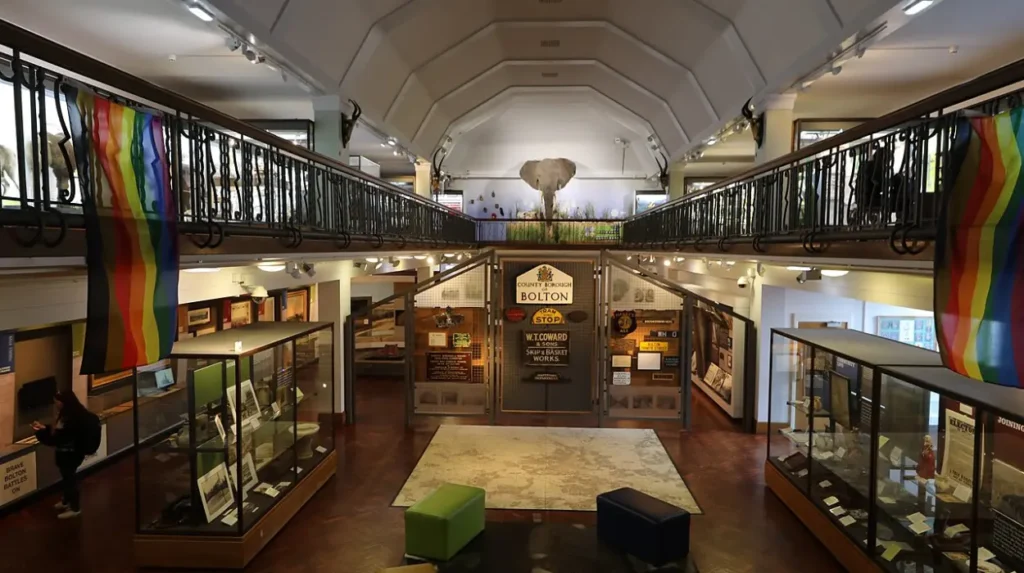
Smithills Hall provides guided tours that explore its intricate oak-paneled rooms, chapel, and historical artifacts dating back over seven hundred years. Visitors discover stories of religious dissent, royal visits, and generational land ownership connected to the prominent Ainsworth and Barton families. Hall i’ th’ Wood operates as a museum managed by local authorities, displaying authentic period furniture and interactive exhibits on textile innovation. Bolton Museum welcomes thousands of annual visitors who explore mummies, pottery, and jewelry from ancient Egyptian archaeological excavations. Turton Tower hosts seasonal exhibitions, craft workshops, and educational programs focusing on local folklore and architectural evolution.
Conservation efforts at these heritage sites involve collaboration between municipal preservation officers, historical societies, and national funding bodies. Restoration projects utilize traditional building materials and techniques to maintain structural authenticity and prevent deterioration caused by weathering. Educational outreach programs connect local schools with museum curators to foster historical appreciation among younger generations. Security systems and climate control technologies protect delicate artifacts, manuscripts, and textiles from environmental damage. Gift shops at each venue offer specialized literature, local history books, and handcrafted items produced by regional artisans.
Ticket pricing strategies ensure affordable access for families, students, and senior citizens through subsidized admission rates and seasonal promotional offers. Public transport networks provide direct bus connections from the town center to suburban heritage sites, facilitating convenient travel for visitors. Visitor feedback mechanisms allow management teams to continuously improve exhibition displays, accessibility features, and guided tour experiences. Academic researchers frequently access archival materials housed within the museum complexes to publish studies on textile history and local governance. Strategic partnerships with regional tourism boards enhance the visibility of these cultural assets across national marketing platforms.
Where are the best natural spaces and outdoor recreation areas in Bolton?
Outdoor recreation areas in Bolton include Rivington Pike, Jumbles Country Park, Moss Bank Park, and Queens Park, offering extensive walking trails and scenic landscapes. Rivington Pike is a prominent hill located within the West Pennine Moors, rising 1,191 feet above sea level and featuring a historic stone tower. Jumbles Country Park encompasses a picturesque reservoir surrounded by mature woodland, walking paths, and a dedicated visitor center. Moss Bank Park spans over 80 acres of formal gardens, woodland walks, and recreational facilities suitable for family outings. Queens Park provides urban green space near the town center, featuring ornamental lakes, Victorian bridges, and manicured lawns.
Rivington Pike attracts hikers and fell runners who seek challenging ascents and panoramic views extending across the Lancashire and Cheshire plains. The terraced gardens designed by industrialist William Hesketh Lever provide a mystical landscape of ruined fountains, Japanese lakes, and stone pavilions. Jumbles Country Park offers accessible circular walking routes around the reservoir, popular with birdwatchers and casual strollers alike. Moss Bank Park features adventure play areas, a butterfly house, and horticultural displays that change with the seasons. Queens Park hosts community events, bandstand concerts, and outdoor fitness classes throughout the spring and summer months.
Environmental management of these green spaces is overseen by local council rangers and conservation volunteer groups who maintain pathways and habitats. Ecological surveys monitor native wildlife populations, including roe deer, badgers, and numerous migratory bird species inhabiting the moorland and woodlands. Interpretive signage along walking trails educates visitors about local flora, fauna, and geological formations shaped by glacial activity. Sustainable drainage systems and tree planting initiatives protect water quality in local reservoirs and mitigate flood risks in urban areas. Facilities such as public restrooms, cafes, and parking lots ensure visitor comfort during recreational excursions.
Public safety measures include clearly marked trails, emergency contact information stations, and regular patrols by park rangers to assist visitors. Cycling routes connect urban residential neighborhoods directly to country parks, promoting active transportation and healthy lifestyles. Regional tourism campaigns emphasize the proximity of wild moorland landscapes to urban amenities, appealing to nature lovers and city dwellers. Photography enthusiasts capture stunning landscapes during sunrise and sunset across the West Pennine Moors and reservoir valleys. Community stewardship programs encourage local residents to participate in tree planting and litter-picking events to preserve environmental standards.
How can travelers efficiently plan a multi-day itinerary in Bolton?
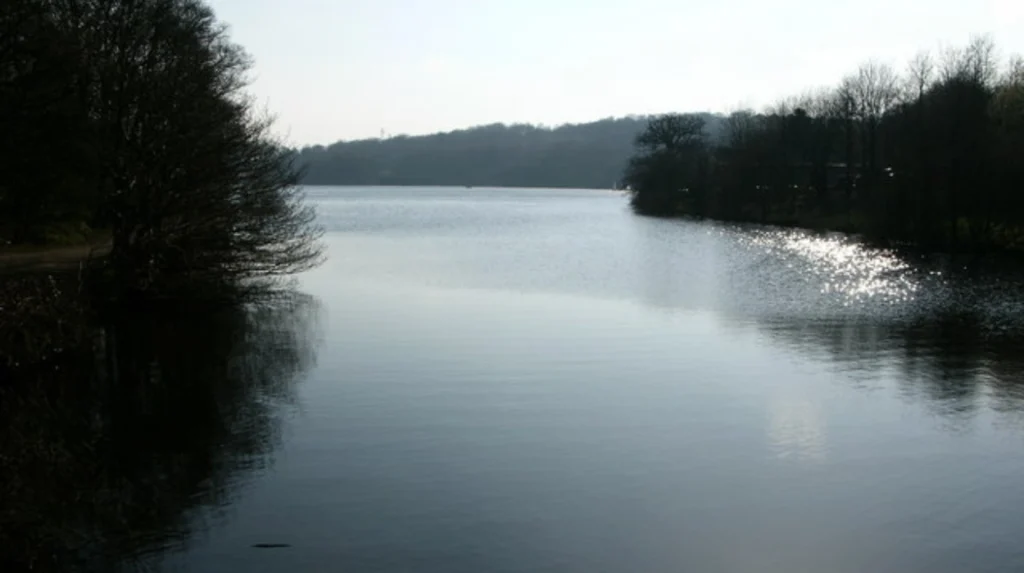
Travelers can efficiently plan a multi-day itinerary in Bolton by dedicating day one to town center heritage, day two to country parks, and day three to cultural venues. Day one typically begins with a visit to Bolton Town Hall and Le Mans Crescent, followed by exploring Bolton Museum and Aquarium. Afternoon activities involve walking through historic shopping arcades and dining at traditional local establishments in the municipal center. Day two focuses on outdoor excursions to Rivington Pike, Lever Park, and the scenic trails surrounding Jumbles Country Park. Day three involves discovering suburban historical treasures such as Smithills Hall, Hall i’ th’ Wood, and Turton Tower.
Accommodation options range from historic coaching inns and boutique hotels to modern chain properties located near major transport interchanges and arterial roads. Public transportation networks, including local bus routes and regional rail services, enable seamless travel between urban attractions and rural destinations. Dining recommendations highlight traditional Lancashire hotpot, locally brewed cask ales, and diverse international cuisine available throughout the town. Evening entertainment options include attending theatrical performances at the Octagon Theatre or enjoying live music in local venues. Comprehensive travel apps and tourist information offices provide real-time updates on attraction opening hours, ticket availability, and weather forecasts.
Effective time management ensures visitors experience both the industrial heritage and natural beauty of the region without experiencing itinerary fatigue. Advance booking for guided tours at historic manor houses secures entry during peak tourism seasons and weekend periods. Travelers with mobility requirements can consult accessibility guides provided by local tourism authorities to identify wheelchair-friendly routes and facilities. Souvenir shopping opportunities include purchasing local artisan crafts, Lancashire cheese, and regional history books from independent retailers. Emergency preparedness guidelines advise carrying appropriate outdoor clothing, footwear, and navigation tools for moorland hiking expeditions.
Post-trip evaluation surveys distributed by regional tourism boards gather valuable data to refine future destination marketing strategies and service standards. Repeat visitors often explore niche attractions, such as local industrial heritage trails and lesser-known architectural landmarks across neighboring districts. Collaborative marketing initiatives with Greater Manchester tourism partners encourage visitors to extend their stay and explore wider regional attractions. Sustainable travel initiatives promote carbon-reduction practices, including the use of electric vehicle charging stations and public transit systems. Ultimately, structured itineraries empower travelers to maximize their cultural engagement and appreciation of the local destination.
Frequently Asked Questions
What are the primary historical attractions to see in Bolton?
Primary historical attractions in Bolton include Smithills Hall, Hall i’ th’ Wood Museum, Turton Tower, and the Bolton Museum. These sites feature medieval timber framing, industrial heritage exhibits, and extensive archaeological collections that showcase the town past. Visitors can explore preserved manor houses and learn about regional textile innovations.
Is Bolton easily accessible via public transportation from Manchester?
Bolton is easily accessible via frequent regional rail services and bus routes operating directly from Manchester city center. Northern rail services connect Bolton railway station to Manchester Victoria and Manchester Piccadilly in approximately twenty minutes. Local transport networks provide seamless connections to surrounding country parks and heritage sites.
Where can visitors learn about the Industrial Revolution in Bolton?
Visitors can learn about the Industrial Revolution at Hall i’ th’ Wood Museum, where Samuel Crompton invented the spinning mule. The Bolton Steam Museum also houses operational steam engines and historical machinery from the height of the textile manufacturing era. Educational displays provide detailed accounts of local engineering achievements.
What local food specialties should travelers try in Bolton?
Travelers visiting Bolton should try traditional Lancashire hotpot, local meat pasties, and regionally brewed cask ales at historic pubs. Numerous independent cafes and restaurants offer authentic British comfort food alongside diverse international culinary options throughout the town center. Local food markets also feature regional produce and baked goods.