Lola Manchester refers to the prominent three-level entertainment venue located at Arches 9 and 10 on Whitworth Street West in the Deansgate Locks sector. It operates as a Polynesian-themed tiki bar, nightclub, and event space serving up to 600 patrons.
- How did Deansgate Locks evolve into the primary home for Lola Manchester?
- What architectural layout and structural components define Lola Manchester?
- How does the operational and service model function at Lola Manchester?
- What dynamic events and weekly programming take place at Lola Manchester?
- What economic impact does Lola Manchester have on the local hospitality industry?
- What regulatory standards and safety protocols govern Lola Manchester?
- What future trends will shape the evolution of Lola Manchester?
- Frequently Asked Questions
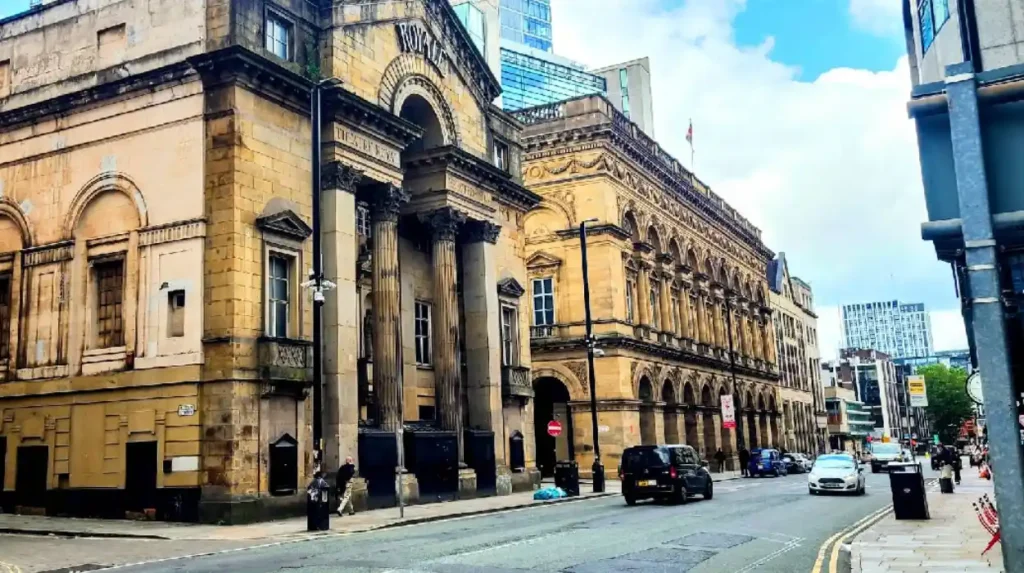
The venue occupies historical Victorian railway arches made from red engineering brick, which form part of the historic transport infrastructure of Greater Manchester. Established as a key leisure location within the city center, the establishment integrates distinct architectural levels including a ground floor bar, a mezzanine area, and a lower ground dance space. The geographic position within the Deansgate Locks canal corridor places it within a designated conservation zone known for high density hospitality operations. The business model combines commercial nightlife, private venue rentals, live music production, and specialized mixology services targeting students, young professionals, and corporate client groups.
How did Deansgate Locks evolve into the primary home for Lola Manchester?
Deansgate Locks underwent massive urban regeneration during the late 1990s and early 2000s under municipal development plans aimed at converting disused railway infrastructure into commercial leisure venues. Lola Manchester established its operations within this commercial zone during the expansion of modern night-time economy sector.
The historical site originally served as supporting arches for the Manchester South Junction and Altrincham Railway, completed during the nineteenth century industrial expansion. Municipal planners redirected the usage of these vaulted brick structures toward commercial retail and leisure leases to capitalize on proximity to Castlefield and Oxford Road. The venue became part of a larger cluster of hospitality establishments operating along the Rochdale Canal corridor. Over two decades, this concentrated entertainment zone transformed municipal revenue collection, increased night-time foot traffic, and redefined how historical industrial sites are repurposed for commercial entertainment within urban centers across the United Kingdom.
What architectural layout and structural components define Lola Manchester?
Lola Manchester utilizes a multi-tiered structural design built into two large railway arches, encompassing a total guest capacity of 600 persons. The internal space features three distinct operational zones connected by internal staircases and specialized service bars.
The physical interior consists of a main ground-floor bar area, an elevated mezzanine seating section, and a subterranean lower level that functions as the primary dance space. Construction materials include exposed brickwork from the original nineteenth-century railway viaduct, reinforced steel supports, bamboo cladding, custom wooden booths, and tropical decorative elements matching Polynesian tiki design standards. Functional components include three dedicated service bars, sound reproduction systems tuned for low frequencies within brick vaults, intelligent lighting rigs, acoustic dampening panels, emergency egress routes meeting municipal fire safety standards, and climate control installations designed to manage thermal loads during maximum occupancy events.
How does the operational and service model function at Lola Manchester?
Lola Manchester operates on a structured multi-phase service model that transitions from early evening lounge dining and cocktail preparation to late-night high-volume clubbing operations. Operations rely on dedicated bar staff, security teams, and event coordinators.
The operational workflow begins during early evening hours with cocktail mixology masterclasses and casual food service, utilizing specialized bar stations equipped with speed rails, ice wells, and draught dispensers. Staffing models scale upward as guest intake increases, transitioning security personnel to door access management, ID verification systems, and capacity monitoring via digital clickers. The beverage program focuses on high-margin tropical cocktails, spirit packages, and table service offerings managed via point-of-sale terminal networks connected to central inventory tracking. Sound levels are strictly regulated through electronic decibel limiters to remain within municipal environmental health compliance limits while delivering high sound pressure levels across active dance floor zones.
What dynamic events and weekly programming take place at Lola Manchester?
Lola Manchester hosts scheduled weekly club nights, themed student events, corporate bookings, private hire functions, and specialized Latin dance sessions. Program schedules run throughout the calendar year with peak attendance recorded on weekends and midweek university nights.
Weekly schedules feature specific music genres including Hip Hop, Top 40 charts, House, and Latin dance music managed by resident and guest disc jockeys. Corporate functions and private hire bookings utilize entire levels or the complete venue layout, incorporating custom catering, bespoke cocktail menus, and dedicated audio-visual setups. Special calendar events include university welcome week parties, holiday celebrations, bank holiday extended operations, and mixology workshops where guests receive hands-on instruction in spirit blending and drink assembly. Attendance tracking indicates that university student nights account for a major share of total weekly foot traffic during academic terms.
What economic impact does Lola Manchester have on the local hospitality industry?
Lola Manchester contributes significantly to the local night-time economy by generating direct employment, commercial rates taxes, supply chain purchases, and peripheral spending within surrounding transport and food sectors.
The venue employs approximately 30 to 50 full-time and part-time staff members, including bartenders, floor hosts, glass collectors, security guards, cleaning technicians, and management executives. Secondary economic activity benefits regional beverage distributors, waste management contractors, local taxi services, and late-night food retailers operating along Whitworth Street West. Economic data from urban hospitality reports indicates that mid-sized venues of this scale generate substantial annual economic output within municipal entertainment zones. Furthermore, licensing fees and commercial property leases directly support local infrastructure maintenance and municipal management initiatives overseen by the Manchester City Council.
What regulatory standards and safety protocols govern Lola Manchester?
Lola Manchester operates under strict municipal licensing conditions enforced by Manchester City Council, Greater Manchester Police, and the Health and Safety Executive. These regulations mandate precise limits on capacity, operating hours, noise emissions, and safety measures.
Licensing terms require the continuous presence of Security Industry Authority licensed door supervisors during operational hours, equipped with body-worn cameras and radio communications. The premises maintain comprehensive Closed-Circuit Television coverage monitored in real time to prevent public disorder and ensure patron safety. Fire safety protocols demand clear emergency egress pathways, automatic fire suppression systems, flame-retardant interior materials, and routine staff training in evacuation procedures. Health regulations dictate strict food safety practices in food preparation areas, daily cleaning schedules, chemical handling safety, and pest control contracts to maintain compliance with environmental health inspections.
What future trends will shape the evolution of Lola Manchester?
Lola Manchester faces evolving consumer trends including shifting alcohol consumption habits, increasing demand for experiential entertainment, changing student demographic distributions, and stringent urban environmental policies.
Strategic adaptation involves expanding non-alcoholic beverage menus, integrating interactive digital entertainment platforms, and enhancing sustainability protocols across energy and waste management systems. Hospitality industry forecasts suggest that venues in historic railway arches will need to invest in advanced sound insulation materials to comply with tightening noise pollution standards resulting from new residential developments nearby. Additionally, digital ticketing integrations, cashless payment systems, and personalized marketing powered by customer relationship software will remain central to maintaining guest retention and operational efficiency in competitive regional market environments.
Frequently Asked Questions
What are the main opening hours and entry age requirements for Lola Manchester?
Lola Manchester typically operates during late-night hours, opening around 10 PM and closing at 4 AM on peak trading nights. Entry is strictly restricted to individuals aged 18 and over, with valid physical photo identification required for electronic scanning at the door.
What dress code policy is enforced at Lola Manchester?
The venue enforces a smart casual dress code policy. Clean trainers, jeans, and casual tops are permitted, but athletic sportswear, gym attire, tracksuits, and swimwear are strictly prohibited from entry.
Does Lola Manchester offer cocktail making masterclasses?
Yes, the venue offers interactive cocktail masterclasses for private groups, hen parties, and corporate events. Participants learn mixology techniques from expert bartenders and prepare signature tropical cocktails in a dedicated bar space.
Is Lola Manchester accessible for guests with mobility impairments?
Due to its location within historical Victorian arches, access varies across the three distinct internal levels. Guests requiring specific accessibility accommodations are advised to contact venue management prior to visiting to arrange appropriate assistance.