To impress Manchester as a commercial entity, an organization must align its operational goals with the economic, historical, and civic structure of Greater Manchester. The region operates as the secondary economic hub of the United Kingdom, possessing a Gross Value Added of over thirty-eight billion pounds annually. Succeeding in this market requires a direct commitment to local supply chains, civic participation, and sustainable urban integration rather than relying solely on national marketing campaigns.
- How Has the Industrial Heritage of Manchester Shaped Modern Consumer Expectations?
- What Key Infrastructure and Economic Sectors Drive Greater Manchester?
- How Do Cultural and Sports Institutions Influence Brand Perception in Manchester?
- What Strategies Ensure Sustainable and Ethical Growth in the Manchester Market?
- Frequently Asked Questions
- What makes the Manchester business environment unique in the UK?
- How does MediaCityUK impact local business development?
- Why is local heritage important for modern corporate messaging in Manchester?
- How can a company align with Manchester’s zero-carbon goals?
- What role do local universities play in commercial growth across Greater Manchester?
Companies that successfully establish a footprint in Manchester engage directly with regional governance structures, such as the Greater Manchester Combined Authority. This authority oversees key policy areas including transport, housing, and skill development across ten metropolitan boroughs. Aligning corporate initiatives with local priorities, such as the target to achieve net-zero carbon emissions by 2038, creates measurable credibility among local stakeholders and consumer bases.
Commercial integration also involves collaborating with regional education networks. Greater Manchester hosts over one hundred thousand post-secondary students across institutions like the University of Manchester and Manchester Metropolitan University. Businesses that build direct recruitment pipelines, offer apprenticeships, and fund local research projects build long-term talent pipelines while demonstrating authentic investment in the regional economy.
How Has the Industrial Heritage of Manchester Shaped Modern Consumer Expectations?
The historical transition of Manchester from the global center of the textile trade during the Industrial Revolution to a modern digital economy deeply influences local consumer values. Modern residents evaluate commercial entities based on authenticity, labor standards, and community contribution. Historical developments, such as the formation of the Co-operative Movement in nearby Rochdale in 1844, established a regional tradition of prioritizing ethical business practices and collective economic benefits.
During the nineteenth century, rapid urbanization transformed the city into an industrial power, earning it the moniker Cottonopolis. This industrial intensity fostered a distinct working-class culture grounded in civic pride, industrial innovation, and social reform. These historical roots mean contemporary audiences often resist top-down corporate messaging that lacks local context or fails to demonstrate genuine regional investment.
Modern market entry strategies must acknowledge this historical context by adopting transparent practices. Organizations that highlight ethical sourcing, fair wage certifications, and local employment initiatives achieve higher engagement metrics. Demonstrating respect for the heritage of the city while contributing to its future development forms the core foundation of sustained brand loyalty across the region.
What Key Infrastructure and Economic Sectors Drive Greater Manchester?
Greater Manchester relies on five dominant economic sectors: financial and professional services, digital and creative media, advanced manufacturing, life sciences, and urban tourism. MediaCityUK in Salford stands as a primary infrastructure asset, housing major broadcasting network hubs and hundreds of digital technology firms. This concentration of media infrastructure makes the region a major center for creative production and digital innovation across Europe.
Transport infrastructure serves as another critical driver of regional economic cohesion. The Metrolink light rail system spans over ninety-nine stops across ninety-six kilometers, connecting outer boroughs to the central commercial district. Additionally, Manchester Airport functions as the primary international gateway for the North of England, handling over twenty-eight million passengers annually and facilitating direct international freight and trade links.
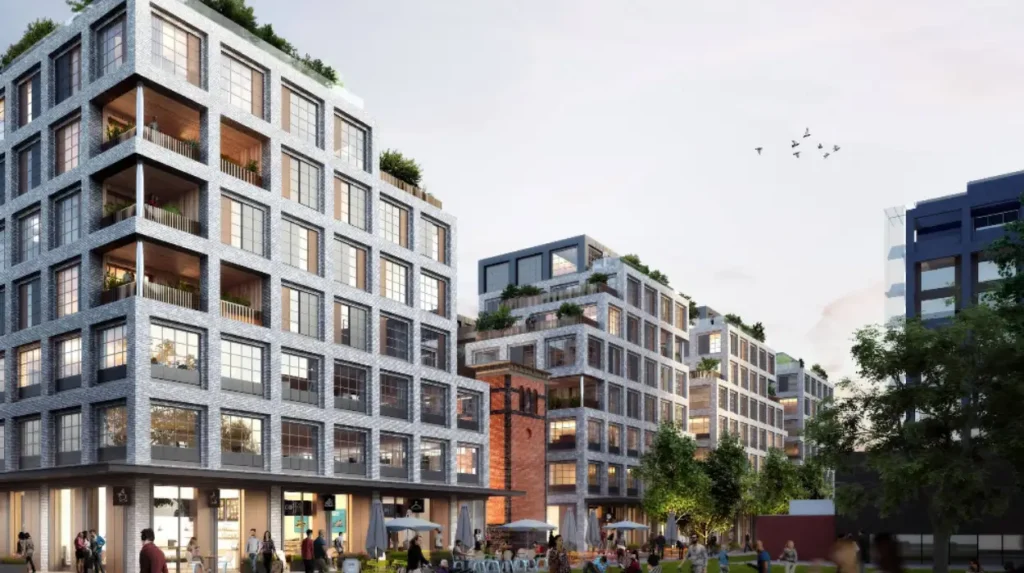
Investment in physical real estate continues to alter the city skyline, particularly within the St John’s quarter and Ancoats. These redevelopment projects combine commercial office space, residential housing, and cultural venues designed to attract international capital while retaining local talent. Understanding these spatial and sector dynamics allows businesses to target investments in areas experiencing the highest growth.
How Do Cultural and Sports Institutions Influence Brand Perception in Manchester?
Cultural and sporting engagement provides a direct channel for commercial entities seeking to build local affinity and audience trust. Greater Manchester contains iconic sports organizations, most notably Manchester City Football Club and Manchester United Football Club, which generate global visibility and local economic activity. Supporting local athletics, youth academies, and grassroots sports initiatives helps organizations establish broad visibility across diverse demographic segments.
The artistic infrastructure of the city similarly shapes public perception and community engagement. Venues such as Aviva Studios, home of Factory International, alongside the Manchester International Festival, showcase global cultural events and drive creative tourism. Corporate sponsorship of local arts programs demonstrates a non-commercial commitment to the quality of life and cultural identity of the region.
Participating in regional events requires strategic alignment rather than simple logo placement. Brands that sponsor community initiatives, commission local artists, or fund public accessibility programs build positive brand equity. Authentic engagement with local cultural institutions creates positive associations that standard advertising formats rarely achieve.
What Strategies Ensure Sustainable and Ethical Growth in the Manchester Market?
Long-term success in the Manchester market demands strict adherence to environmental sustainability metrics and social value frameworks. The climate action strategy of the region mandates aggressive carbon reduction targets across both commercial operations and public infrastructure projects. Companies operating in the area must implement measurable decarbonization plans, energy-efficient facility designs, and waste-reduction policies to maintain regulatory compliance and consumer support.
Social value procurement rules implemented by local councils prioritize contracts that deliver direct benefits to the immediate community. Organizations seeking public sector partnerships or large-scale commercial contracts must demonstrate local hiring practices, supply chain spend within the region, and educational outreach programs. Investing in local supply chains directly retains capital within the regional economy.
Businesses must establish clear tracking systems to measure their social and environmental footprint continuously. Transparent reporting on carbon output, local employment metrics, and community investments provides verifiable proof of corporate responsibility. Meeting these criteria ensures alignment with regional governance standards and establishes an enduring operational foundation.
Frequently Asked Questions
What makes the Manchester business environment unique in the UK?
Greater Manchester combines a massive post-secondary student population with decentralized regional governance under a single combined authority. Its economy balances historical strengths in manufacturing with advanced sectors in digital media, life sciences, and financial services, making it the primary commercial hub of Northern England.
How does MediaCityUK impact local business development?
MediaCityUK acts as a major hub for creative technology, media production, and digital innovation. It attracts international firms, fosters startup growth, and provides commercial infrastructure that elevates the region’s overall digital capabilities and employment opportunities.
Why is local heritage important for modern corporate messaging in Manchester?
The industrial history and cooperative legacy of the region have created a consumer base that values corporate transparency, fair labor, and authentic community investment. Messaging that ignores local history or lacks practical regional involvement often fails to resonate.
How can a company align with Manchester’s zero-carbon goals?
Organizations can align by adopting verifiable carbon-reduction targets, optimizing facility energy use, utilizing clean transit options like the Metrolink network, and sourcing materials through sustainable local supply chains to support the regional 2038 net-zero target.
What role do local universities play in commercial growth across Greater Manchester?
Regional universities provide a continuous pipeline of skilled graduates, drive commercial research, and partner with businesses on innovation projects. Corporate collaboration with these institutions strengthens talent acquisition and accelerates research and development capabilities.