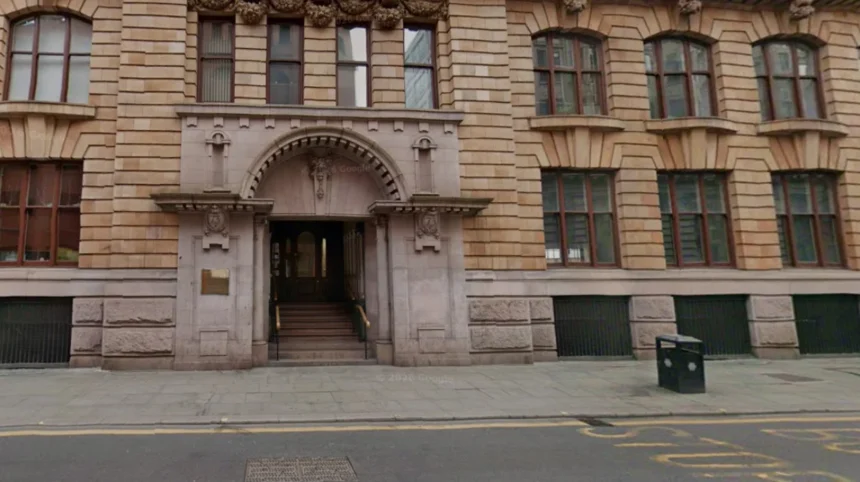
India House Manchester is a Grade II listed historic commercial building situated on Whitworth Street in the city center of Manchester, England. Constructed between 1905 and 1906, the structure stands as a prime example of early twentieth-century Edwardian Baroque architecture designed by the prominent architect Harry S. Fairhurst. The building occupies a central position within the historic cotton warehouse district, reflecting the industrial prosperity of Manchester during the height of the international textile trade. Today, India House has been converted into residential apartments while preserving its ornate exterior facade, steel frame structure, and historic significance within the urban landscape of Greater Manchester.
- Why is the architectural design of India House Manchester significant?
- How did India House contribute to the textile trade in Manchester?
- What role does India House Manchester play in modern urban regeneration?
- What is the heritage status and cultural impact of India House Manchester?
- Frequently Asked Questions
The construction of India House occurred during a period of massive economic expansion for Manchester, which was known globally as Cottonopolis. Textile merchants required vast, well-lit spaces to display, package, and ship cotton goods to international markets, leading to the development of massive packing warehouses along Whitworth Street. Harry S. Fairhurst designed India House specifically for Lloyds House Limited, incorporating innovative structural engineering techniques such as a heavy steel frame and large glazed windows to maximize natural daylight on the working floors. The exterior features detailed red brickwork, terracotta dressings, and grand decorative entrances that symbolized the wealth and global commercial reach of the Manchester textile industry at the turn of the century.
As the global textile trade shifted away from the United Kingdom during the mid-twentieth century, the traditional commercial purpose of packing warehouses in central Manchester declined significantly. Many historic structures faced potential demolition or prolonged neglect until heritage conservation initiatives in the late twentieth century recognized their architectural and historical value. India House received official protection when Historic England designated it as a Grade II listed building, ensuring the preservation of its architectural integrity. During the 1980s and 1990s, urban regeneration projects transformed the building into residential flats, converting industrial floors into living spaces while maintaining the iconic exterior that continues to define the architectural character of Whitworth Street.
Why is the architectural design of India House Manchester significant?
The architectural design of India House Manchester is significant because it represents a transitional phase in British commercial building design, combining traditional decorative elements with modern structural engineering. Architect Harry S. Fairhurst utilized an internal steel frame clad in red brick and decorative terracotta, allowing for higher building heights and wider internal floor spans than traditional load-bearing masonry permitted. The exterior facade displays distinct Edwardian Baroque styling, characterized by rusticated lower levels, dramatic archways, elaborate carved stone motifs, and symmetrical window arrangements. This combination of structural strength, practical commercial space, and striking visual ornamentation set a new benchmark for industrial building design in early twentieth-century urban centers.
The interior layout of India House was engineered specifically to facilitate the efficient handling and sorting of textile products. Large basement areas were designed to accommodate heavy hydraulic packing machinery, while upper floors featured high ceilings and large window openings to allow maximum light penetration for inspecting fabric quality. Fairhurst incorporated advanced fire-proofing techniques, including concrete floors and encased iron columns, to mitigate the constant fire hazards associated with storing high volumes of dry cotton goods. The clever integration of hydraulic lifts allowed goods to move smoothly between arrival bays, processing areas, and dispatch docks, establishing India House as one of the most technologically functional commercial warehouses of its era.

In addition to its industrial efficiency, the aesthetic detailing of India House reflects the civic pride and commercial confidence of Manchester merchants at the peak of the Industrial Age. The entrance portals feature grand carved stone surrounds and heavy timber doors intended to impress visiting international buyers and business partners. Terracotta ornamentation across the upper elevations provided a durable, pollution-resistant surface capable of withstanding the coal smoke that filled the atmosphere of industrial Manchester. Today, architectural historians study India House as a vital bridge between nineteenth-century Victorian industrialism and twentieth-century modern commercial architecture, demonstrating how form and function were balanced in warehouse construction.
How did India House contribute to the textile trade in Manchester?
India House contributed to the textile trade in Manchester by operating as a centralized hub for finishing, packing, and exporting cotton goods to overseas destinations. The building served as a major packing warehouse where raw woven cloth was brought from regional Lancashire mill towns, inspected for quality, folded, packed into dense bales, and prepared for shipping across the British Empire. By consolidating these final supply chain processes in a single modern facility near major rail links, India House enabled trading companies to handle massive volumes of textiles efficiently, lowering transport costs and solidifying the status of Manchester as the global epicenter of cotton commerce during the early 1900s.
The operational structure inside India House involved distinct departments dedicated to specific stages of textile preparation and export documentation. Merchants leased spaces within the building to showcase fabric samples to domestic and foreign merchants, creating a competitive wholesale environment under one roof. Skilled packing workers operated high-pressure hydraulic presses located in the basement to compress bulky fabric rolls into compact, waterproof bales capable of enduring long sea voyages. The proximity of India House to major transport routes, including the Rochdale Canal and local rail freight depots, allowed finished goods to be transported rapidly to coastal ports like Liverpool and the Manchester Ship Canal for international export.
The economic impact of facilities like India House extended far beyond the immediate building footprint, driving employment and commercial activity throughout the region. Thousands of workers, ranging from shipping clerks and warehouse packers to dray drivers and textile merchants, depended on the daily operations within the Whitworth Street warehouse corridor. India House catered extensively to trade routes serving South Asia, East Asia, and the Americas, handling millions of yards of processed cotton annually. This continuous high-volume trade generated immense capital that funded further infrastructure developments across Greater Manchester, cementing the economic foundation of the city for several decades before global market dynamics evolved.
What role does India House Manchester play in modern urban regeneration?
India House Manchester plays a crucial role in modern urban regeneration by serving as a successful model for adaptive reuse, converting historic industrial architecture into modern residential space. During the late twentieth century, the decline of heavy manufacturing left central Manchester with numerous vacant warehouses that threatened urban decay. The conversion of India House into residential apartments helped pioneer the repopulation of the city center, transforming a former industrial district into a vibrant mixed-use neighborhood. This preservation effort retained the cultural identity of the area while supporting contemporary housing demand, proving that heritage conservation and urban modernization can operate in complete harmony.
The conversion process of India House required careful structural modification to adapt commercial spaces for residential living without compromising historic character. Interior developers partitioned the vast, open warehouse floors into individual residential apartments, taking advantage of the high ceilings and oversized window frames to create light-filled living spaces. Modern plumbing, electrical wiring, and insulation were integrated into the historic framework while preserving original features such as exposed brickwork, structural columns, and decorative exterior masonry. This adaptive reuse project demonstrated the economic viability of preserving historic structures over demolition, inspiring similar regeneration initiatives across the canal corridors and industrial zones of central Manchester.
In the contemporary real estate market, India House remains a highly sought-after residential address due to its central location, architectural prestige, and historic charm. The presence of permanent residents within former commercial zones has stimulated local economic growth, supporting nearby retail, dining, and cultural establishments along Whitworth Street and the nearby Village district. Furthermore, India House stands as an important landmark on historical walking tours, educational programs, and architectural studies, reminding visitors and residents of the rich industrial heritage of the city. By successfully transitioning from a industrial textile hub to a residential community, India House continues to contribute actively to the social and economic vitality of modern Manchester.
What is the heritage status and cultural impact of India House Manchester?
The heritage status and cultural impact of India House Manchester center on its official designation as a Grade II listed building and its representation of regional industrial heritage. Listed status, granted by Historic England, legally protects the building from unauthorized alterations or demolition, preserving its distinct Edwardian Baroque facade and structural framework for future generations. Culturally, India House serves as a tangible link to the global industrial network of the early twentieth century, symbolizing the labor, innovation, and international trade that shaped the identity of Manchester. Its preserved presence enriches the urban fabric, providing continuity between the industrial past and the modern cultural landscape of the city.
The cultural impact of India House extends into popular culture and local artistic heritage through its connection to notable music history. During the late twentieth century, the building housed members of famous local bands, including Oasis, during the formative years of the Britpop musical movement. Rock musicians Noel and Liam Gallagher lived in an apartment within India House during the early 1990s, writing several classic tracks that defined the Manchester music scene of that era. This musical connection adds a layer of contemporary cultural value to the historic industrial site, drawing music tourists and pop culture enthusiasts alongside traditional architectural historians to view the landmark building.
Today, India House is recognized as an integral component of the Whitworth Street Conservation Area, a designated zone created to protect the density of historic packing warehouses. Local heritage organizations, civic groups, and urban planners reference India House as an example of successful urban stewardship, where historic preservation supports sustainable urban living. The building stands as a visual testament to the ability of Manchester to reinvent its economy and physical spaces while honoring the physical structures that built its global reputation. By maintaining both its structural integrity and cultural relevance, India House remains one of the defining architectural icons of the central Manchester skyline.
Frequently Asked Questions
What is the historic building style of India House Manchester?
India House Manchester was designed in the Edwardian Baroque architectural style by architect Harry S. Fairhurst. The building features an ornate exterior with red brick, detailed terracotta dressings, rusticated stone features, and a heavy structural steel frame.
Is India House Manchester open to the public for tours?
India House Manchester is now a private residential building containing apartments, so internal areas are not open for public walk-through tours. However, visitors can view the preserved Edwardian Baroque facade and exterior architectural details from Whitworth Street.
Who designed India House Manchester and when was it built?
India House Manchester was designed by the renowned local architect Harry S. Fairhurst. Construction on the massive textile packing warehouse began in 1905 and was officially completed in 1906 during the height of the industrial cotton boom.
What musical connection does India House Manchester have?
Members of the popular British rock group Oasis, including Noel and Liam Gallagher, lived in an apartment within India House during the early 1990s. Several early songs were written inside the building during the rise of the Manchester music scene.
Where is India House situated within central Manchester?
India House is situated on Whitworth Street in central Manchester, England. It stands in the heart of the historic warehouse district, situated near the Rochdale Canal, Oxford Road Station, and the vibrant Gay Village area of the city.