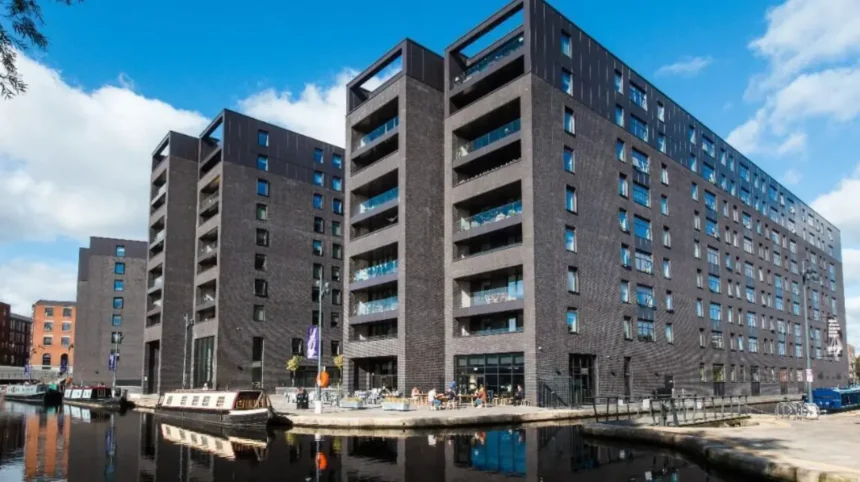
Manchester is one of the UK’s major employment, education and cultural centres. The city attracts young professionals working in finance, technology, media, healthcare, engineering, education and professional services. Its combination of employment opportunities, public transport, restaurants, nightlife and residential neighbourhoods makes it an established destination for people starting or developing their careers.
- What Makes Manchester an Attractive City for Young Professionals?
- Which Manchester Areas Are Best for Young Professionals?
- Ancoats: Modern Apartments and Independent Businesses
- Northern Quarter: Creative Businesses and City-Centre Living
- Deansgate: Business District Access and Apartment Living
- Castlefield: Waterside Living and Historic Architecture
- Salford Quays: Waterfront Apartments and Media Employment
- Hulme: Residential Accommodation Near the University District
- Didsbury: Residential Streets and Village Facilities
- Chorlton: Independent Shops and Community Facilities
- Withington: Shared Housing and Local Amenities
- How Much Does It Cost to Rent in Manchester?
- What Are the Latest Average Rental Prices?
- How Do Rental Costs Differ Between Neighbourhoods?
- What Additional Costs Should Young Professionals Budget For?
- Which Manchester Areas Offer the Best Transport Connections?
- Which Areas Are Convenient for City-Centre Workers?
- Which Areas Are Suitable for Tram Commuters?
- How Important Are Railway Connections?
- Which Manchester Areas Are Suitable for Different Professional Lifestyles?
- Where Should Professionals Working in Finance and Law Live?
- Where Should Technology and Creative Professionals Live?
- Which Areas Suit Healthcare Professionals?
- Which Neighbourhoods Suit Hybrid Workers?
- What Should Young Professionals Check Before Renting a Property in Manchester?
- How Should Renters Calculate Their Housing Budget?
- What Legal Requirements Apply to Private Renting?
- What Should Renters Inspect During a Property Viewing?
- Why Is Energy Efficiency Important?
- Which Manchester Neighbourhoods Offer Access to Parks and Green Spaces?
- Didsbury and Fletcher Moss Botanical Garden
- Chorlton and Chorlton Water Park
- Castlefield’s Canalside Environment
- Salford Quays Waterfront
- How Can Young Professionals Find Affordable Rental Accommodation in Manchester?
- Is Shared Accommodation a Practical Option?
- Are Residential Areas Outside the City Centre Cheaper?
- How Can Renters Reduce Moving Costs?
- What Is the Future of Manchester’s Rental Market for Young Professionals?
- How Is Residential Development Changing Manchester?
- Why Will Transport Continue to Influence Rental Decisions?
- What Should Professionals Expect From Manchester’s Rental Market?
- How Should Young Professionals Choose the Right Area to Rent in Manchester?
Choosing the right area to rent in Manchester depends on several factors. These include monthly rent, distance from work, public transport connections, access to social activities, property type and everyday living costs. Some neighbourhoods offer modern apartments close to offices, while others provide traditional terraced houses, shared accommodation and quieter residential streets.
The main residential areas considered by young professionals include the Northern Quarter, Ancoats, Deansgate, Castlefield, Salford Quays, Hulme, Didsbury, Chorlton and Withington. Each area has a different housing market, transport network and residential environment.
Understanding these differences helps renters compare accommodation based on their income, commuting requirements and lifestyle rather than relying on location alone.
What Makes Manchester an Attractive City for Young Professionals?
Manchester attracts young professionals through its employment opportunities, established universities, public transport, cultural attractions and varied rental accommodation. Its city centre combines major business districts with residential neighbourhoods, while surrounding areas offer different property prices and commuting options.
Manchester is a major city in Greater Manchester, a metropolitan county in North West England. It has a diverse economy supported by financial services, digital technology, creative industries, healthcare, education, manufacturing and professional services.
The city centre contains offices, retail destinations, restaurants, entertainment venues and residential developments. Major employment locations include Spinningfields, St Peter’s Square, Piccadilly, Oxford Road and the Northern Quarter.
Manchester also has a substantial graduate population. The University of Manchester, Manchester Metropolitan University and the University of Salford contribute to the city’s education and research economy. Graduates frequently remain in the region to pursue employment opportunities.
Why Do Professionals Choose Manchester?
Manchester offers several practical advantages for people entering the rental market.
The city has a concentration of employers in central locations. Professionals working in finance and legal services often commute to Spinningfields. Technology and creative workers frequently work around the city centre, Oxford Road and the Northern Quarter.
The city also provides access to cultural attractions, including museums, music venues, theatres, independent cinemas and sporting facilities. The combination of employment and entertainment makes Manchester suitable for people who want to live close to their workplace and social activities.
How Does Manchester’s Transport Network Support Commuters?
Manchester has an integrated public transport network consisting of Metrolink trams, buses and railway services. These connections link central neighbourhoods with residential districts and surrounding Greater Manchester towns.
The Metrolink system serves locations including Altrincham, Bury, Eccles, Rochdale, Ashton-under-Lyne, Manchester Airport and East Didsbury.
Manchester Piccadilly and Manchester Victoria provide regional and national railway connections. Oxford Road station is particularly useful for people working or studying around the university district.
Transport accessibility is an important consideration when comparing rental areas. A property close to a tram stop or railway station can reduce commuting time and dependence on a private vehicle.
Which Manchester Areas Are Best for Young Professionals?
The most established residential choices for young professionals include Ancoats, Northern Quarter, Deansgate, Castlefield, Salford Quays, Didsbury, Chorlton and Hulme. These neighbourhoods offer different combinations of accommodation, employment access, transport and social facilities.
Manchester does not have one residential area that suits every professional. The best location depends on employment location, household income and preferred living environment.
City-centre neighbourhoods provide access to offices and entertainment. Southern residential districts offer a different balance of housing and green space. Salford provides access to central Manchester while maintaining its own employment and residential centres.
Ancoats: Modern Apartments and Independent Businesses
Ancoats is an inner-city neighbourhood immediately north-east of Manchester city centre. It has developed from an industrial district into a residential and commercial area with modern apartments, restaurants, independent shops and creative businesses.
The neighbourhood is particularly associated with its former textile industry. Historic mills and industrial buildings remain important features of its architecture. Many former industrial properties have been converted into residential or commercial developments.
Cutting Room Square is a central meeting point. It has restaurants, cafés and outdoor seating. Ancoats Marina and nearby New Islington provide additional waterside residential environments.
Young professionals choose Ancoats because it provides relatively direct access to central employment locations. Residents can walk or cycle to the Northern Quarter, Piccadilly and parts of the central business district.
Rental properties include modern apartments, converted industrial buildings and developments with communal facilities. Renters should compare service charges, parking arrangements, furnished options and building management before signing a tenancy.
Northern Quarter: Creative Businesses and City-Centre Living
The Northern Quarter is a central Manchester neighbourhood known for independent businesses, music venues, street art, cafés and creative industries.
Its location makes it suitable for professionals who work around Piccadilly, Manchester Victoria, the central retail district and nearby office developments.
Stevenson Square is one of its recognisable public spaces. The surrounding streets contain independent retailers, restaurants, bars, record shops and creative businesses.
Rental accommodation includes apartments in converted commercial buildings, purpose-built developments and smaller residential properties. The neighbourhood has a strong concentration of entertainment venues, which makes noise levels an important consideration when choosing a flat.
Professionals who value walking access to restaurants, nightlife and workplaces frequently consider the Northern Quarter.
Deansgate: Business District Access and Apartment Living
Deansgate is a major central Manchester corridor containing offices, restaurants, hotels, retail destinations and residential developments.
It connects several important parts of the city, including Spinningfields, Castlefield and the central shopping district.
Deansgate is particularly relevant to professionals working in financial services, law, consultancy and corporate management. Its location provides convenient access to central offices and transport facilities.
The residential market includes modern apartment blocks, converted properties and high-rise developments. Some buildings offer concierge services, gyms and communal spaces.
Deansgate residents also have access to Deansgate-Castlefield Metrolink stop and Deansgate railway station.
The area generally attracts renters prioritising central accommodation and convenient commuting. Apartment size, building facilities and proximity to busy roads should form part of the rental comparison.
Castlefield: Waterside Living and Historic Architecture
Castlefield is a historic district in south-west Manchester city centre. It is recognised for its canals, railway viaducts, historic warehouses and industrial heritage.
The area contains the Castlefield Urban Heritage Park and remains of the Roman settlement of Mamucium, which developed into modern Manchester.
Castlefield offers a different residential environment from the busier Northern Quarter and Deansgate. Its canalside setting, converted warehouses and modern apartment buildings attract professionals looking for central accommodation in a relatively quieter district.
The neighbourhood provides access to Deansgate, Spinningfields and Manchester’s central employment locations. Deansgate-Castlefield tram stop also connects residents with the wider Metrolink network.
Rental accommodation includes waterside apartments, warehouse conversions and contemporary residential developments. Renters should check building maintenance, lift access, parking and the condition of older converted properties.
Salford Quays: Waterfront Apartments and Media Employment
Salford Quays is a waterfront district in the City of Salford, immediately west of Manchester city centre.
The area developed from former Manchester Ship Canal docklands into a residential, cultural and commercial destination. MediaCity is one of its major employment and business centres.
MediaCity houses organisations and businesses associated with broadcasting, digital media and creative production. The area also contains cultural attractions, including The Lowry theatre and gallery complex and the Imperial War Museum North.
Young professionals working in broadcasting, media, technology and communications frequently consider Salford Quays because of its proximity to local employers.
The Metrolink connects the area with Manchester city centre. Salford Quays and MediaCityUK stops provide access to the waterfront district.
Rental accommodation mainly consists of modern apartments, including developments with canal or waterfront views. Renters should compare tram accessibility, service charges, parking and building facilities.
Salford Quays is especially relevant to people whose workplaces are based around MediaCity rather than central Manchester.
Hulme: Residential Accommodation Near the University District
Hulme is located south of Manchester city centre, close to the universities and Oxford Road employment corridor.
The neighbourhood has a residential character with modern housing developments, traditional properties, community facilities and green spaces.
Hulme is particularly relevant to graduates, university employees, healthcare professionals and people working around Oxford Road.
Its location also provides access to Manchester Metropolitan University, the University of Manchester and Manchester Royal Infirmary.
Housing options include flats, shared accommodation and terraced houses. These properties offer alternatives to the higher-density apartment developments in central Manchester.
Professionals should compare walking and cycling routes, local bus connections and access to everyday shopping facilities when assessing properties in Hulme.
Didsbury: Residential Streets and Village Facilities
Didsbury is a residential district in south Manchester. It includes Didsbury Village and West Didsbury, which have distinct local centres and residential streets.
Didsbury is associated with independent restaurants, cafés, traditional houses, parks and established community facilities.
Didsbury Village has a high street with shops and hospitality businesses. West Didsbury’s Burton Road is known for independent restaurants, cafés and local businesses.
The area attracts professionals who prefer a residential setting rather than living directly above city-centre entertainment venues.
East Didsbury and Didsbury Village have Metrolink connections, while nearby railway services provide additional commuting options. The transport facilities vary by specific residential location.
Housing includes Victorian and Edwardian properties, terraced houses, converted apartments and modern developments. Shared housing is also available in parts of the district.
Chorlton: Independent Shops and Community Facilities
Chorlton is a residential neighbourhood in south Manchester. It has independent shops, restaurants, cafés, community facilities and access to green spaces.
Beech Road is one of its best-known local shopping and hospitality streets. The area also provides access to Chorlton Water Park and nearby outdoor recreation facilities.
Chorlton is suitable for professionals who want a residential neighbourhood with local amenities and tram connections.
The Metrolink serves Chorlton, providing connections to central Manchester and other parts of Greater Manchester.
Housing includes terraced properties, semi-detached houses, apartments and shared accommodation. Renters should compare walking distance to the nearest tram stop because transport convenience varies across the neighbourhood.
Withington: Shared Housing and Local Amenities
Withington is situated between Fallowfield, Didsbury and the wider university district.
It has a mix of residential housing, local shops, restaurants and community facilities. Wilmslow Road is an important local transport and commercial corridor.
Withington attracts students, graduates, healthcare workers and young professionals seeking accommodation outside the city centre.
The housing market includes shared Victorian houses, converted flats and traditional residential properties. Shared accommodation provides an option for renters who want to divide housing expenses.
Bus services connect Withington with central Manchester, the university district and other southern neighbourhoods.
Professionals should compare commuting costs and journey times before choosing accommodation. A lower advertised rent does not automatically produce lower monthly living costs when transport expenses are included.
How Much Does It Cost to Rent in Manchester?
Rental costs in Manchester depend on property size, location, condition and transport accessibility. The Office for National Statistics reported an average monthly private rent of £1,386 in October 2026, with one-bedroom properties averaging £1,010. Office for National Statistics+1
Manchester offers different rental options for professionals with different incomes. City-centre apartments generally provide convenient access to employment and entertainment. Residential neighbourhoods outside the centre provide alternatives, including shared houses and larger properties.
What Are the Latest Average Rental Prices?
According to the Office for National Statistics (ONS), Manchester’s average private rent increased from £1,324 in October 2025 to £1,386 in October 2026. This represented annual growth of 4.7%. Office for National Statistics
The October 2026 rental figures by property size were:
- One-bedroom property: £1,010 per month.
- Two-bedroom property: £1,244 per month.
- Three-bedroom property: £1,448 per month.
- Four-bedroom or larger property: £2,032 per month.
Property type also affects rental costs. The ONS reported average monthly rents of £1,156 for flats and maisonettes, £1,419 for terraced properties, £1,512 for semi-detached properties and £1,896 for detached properties. Office for National Statistics
These figures cover the Manchester local authority area. They do not represent individual neighbourhood averages or guaranteed advertised rents.
How Do Rental Costs Differ Between Neighbourhoods?
The Northern Quarter, Ancoats, Deansgate and Castlefield contain substantial numbers of city-centre apartments. Their locations attract renters who prioritise central employment access and apartment facilities.
Didsbury and Chorlton have different housing profiles. Traditional houses, converted flats and shared accommodation form part of their rental markets.
Hulme and Withington provide additional options for professionals who want to live near the university district or southern employment locations.
Renters should compare properties with similar bedroom numbers, furnishing arrangements and building facilities. Comparing a furnished city-centre apartment with an unfurnished suburban house does not provide an accurate assessment of location-based rental differences.
What Additional Costs Should Young Professionals Budget For?
Monthly rent is only one part of the cost of renting a property. Tenants also need to account for utilities, council tax, internet access, transport, food and household expenses.
Important additional expenses include:
- Council tax: The amount depends on the property’s valuation band and local authority charges. Eligible single occupants receive a 25% discount.
- Energy bills: Electricity and gas costs depend on property size, insulation, heating systems and usage.
- Water bills: Charges depend on the supplier’s billing arrangements and property circumstances.
- Internet: Broadband availability and package prices vary between buildings.
- Transport: Monthly commuting expenses depend on travel zones, frequency and transport modes.
- Contents insurance: Tenants arrange their own insurance for personal belongings.
The total monthly budget should include these expenses before a tenancy agreement is signed.
Which Manchester Areas Offer the Best Transport Connections?
Transport accessibility determines how easily young professionals travel between their homes, workplaces and social destinations. Deansgate, Ancoats, Salford Quays, Hulme and Didsbury have established connections through Metrolink, buses, rail services and walking routes.
Manchester’s transport network connects central employment districts with residential neighbourhoods across Greater Manchester.
The Transport for Greater Manchester network includes Metrolink trams, local buses and railway services. The most suitable transport option depends on the distance between a rental property and the nearest station or stop.
Which Areas Are Convenient for City-Centre Workers?
Professionals working in central Manchester have several residential options.
Ancoats and the Northern Quarter provide walking access to Piccadilly and central offices. Deansgate and Castlefield are convenient for Spinningfields and the western city centre.
Hulme is useful for professionals working around Oxford Road and the university district. Its proximity to central Manchester also makes cycling and bus travel practical options.
Renters should check the walking distance between the property and their workplace rather than relying solely on the neighbourhood name.
Which Areas Are Suitable for Tram Commuters?
Metrolink provides connections between central Manchester and residential districts.
Important locations include:
- Ancoats and New Islington: New Islington tram stop provides access to the central network.
- Castlefield and Deansgate: Deansgate-Castlefield stop serves the western city centre.
- Salford Quays: Salford Quays and MediaCityUK stops serve the waterfront district.
- Didsbury: Didsbury Village and East Didsbury provide tram connections.
- Chorlton: Chorlton tram stop connects the neighbourhood with central Manchester.
The tram network is useful for professionals who commute regularly without driving. However, actual journey times depend on service frequency, interchange requirements and the walking distance from home to the stop.
How Important Are Railway Connections?
Railway stations provide access to destinations beyond Manchester’s central neighbourhoods.
Manchester Piccadilly is a major railway station serving regional and national destinations. Manchester Victoria provides additional regional connections, while Oxford Road and Deansgate serve central districts.
East Didsbury railway station also provides services towards Manchester and other destinations.
Professionals who travel regularly for business should consider railway access when selecting accommodation. A property near a suitable station reduces the need for additional journeys through the city.
Which Manchester Areas Are Suitable for Different Professional Lifestyles?
Manchester’s neighbourhoods serve different working and residential requirements. Ancoats and the Northern Quarter suit professionals seeking city-centre facilities, Salford Quays serves media-sector workers, while Didsbury and Chorlton provide residential settings with local amenities.
A suitable rental location depends on the relationship between workplace, household budget and preferred residential environment.
Where Should Professionals Working in Finance and Law Live?
Spinningfields is one of Manchester’s established business districts. It contains offices associated with financial services, legal services, consultancy and professional management.
Deansgate, Castlefield and the Northern Quarter provide residential access to this employment area.
Professionals working long office hours often consider properties within walking or cycling distance of Spinningfields. This arrangement reduces reliance on public transport for daily commuting.
Where Should Technology and Creative Professionals Live?
Manchester has a significant digital, technology and creative business community.
The Northern Quarter and Ancoats contain creative businesses, independent companies and technology-related workplaces. Salford Quays has an established media and broadcasting presence through MediaCity.
These locations provide residential choices close to relevant employment clusters.
Which Areas Suit Healthcare Professionals?
Manchester has major healthcare facilities, including Manchester Royal Infirmary and associated university hospital services.
Hulme, Rusholme, Victoria Park and parts of the southern city provide access to the Oxford Road hospital and university district.
Healthcare professionals working shifts should assess public transport availability outside standard commuting hours. Walking distance, night bus services, cycling routes and parking arrangements are particularly relevant.
Which Neighbourhoods Suit Hybrid Workers?
Hybrid working combines home-based work with office attendance. It changes how professionals evaluate rental accommodation.
Didsbury, Chorlton and Salford Quays offer residential environments with cafés, restaurants and local facilities. Ancoats and the Northern Quarter provide access to central cafés and commercial spaces.
Renters working from home should examine broadband availability, room layouts, natural lighting and noise levels. A separate workspace also improves the practical use of smaller apartments.

What Should Young Professionals Check Before Renting a Property in Manchester?
Young professionals should assess affordability, tenancy conditions, property safety, transport access, energy efficiency and building management before renting in Manchester. A property viewing and written tenancy agreement help identify problems that online advertisements do not always reveal.
Choosing a neighbourhood is only the first stage of the rental process. The individual property must also meet practical and legal requirements.
How Should Renters Calculate Their Housing Budget?
Renters should calculate their total housing expenditure rather than focusing exclusively on monthly rent.
A useful budgeting method includes rent, council tax, utilities, broadband and transport expenses.
For example, a professional renting a one-bedroom apartment should compare the total monthly cost of living in Ancoats with the equivalent cost in Hulme or Withington.
A cheaper property outside the centre does not always create substantial savings if daily commuting costs increase.
Renters should also retain money for emergencies, moving expenses, furniture and tenancy-related payments.
What Legal Requirements Apply to Private Renting?
Private renting in England is governed by housing legislation and tenancy regulations.
The landlord must comply with applicable safety and property standards. These include gas safety requirements, electrical safety obligations and smoke alarm regulations.
The tenant should understand the tenancy agreement, rent payment arrangements, deposit conditions and responsibilities for repairs.
A tenancy deposit must be protected in a government-approved tenancy deposit protection scheme when the legal requirements apply.
Renters should also check whether a property requires a licence under Manchester City Council’s selective or additional licensing arrangements. Licensing requirements depend on the property, location and relevant local rules.
What Should Renters Inspect During a Property Viewing?
A property viewing provides an opportunity to assess the condition and suitability of accommodation.
Important checks include:
- Heating and hot water availability.
- Window condition and insulation.
- Water pressure and drainage.
- Mould, damp and ventilation.
- Door and window security.
- Electrical fittings and visible damage.
- Broadband availability.
- Shared facilities and building maintenance.
- Noise from nearby roads, restaurants and entertainment venues.
Apartment renters should also check lift maintenance, communal entrances, waste disposal facilities and parking arrangements.
Why Is Energy Efficiency Important?
Energy efficiency affects household expenditure and indoor comfort.
An Energy Performance Certificate (EPC) provides information about a property’s energy efficiency and estimated energy performance.
Renters should request the property’s EPC and examine its recommendations. Insulation, double glazing, heating controls and modern appliances influence energy consumption.
Older converted buildings in central Manchester require particular attention because insulation and heating arrangements differ between properties.
Which Manchester Neighbourhoods Offer Access to Parks and Green Spaces?
Didsbury, Chorlton, Castlefield, Hulme and Salford Quays provide access to different outdoor environments. These neighbourhoods combine residential accommodation with parks, canals, waterfront paths and recreational facilities for professionals seeking outdoor activities.
Access to green space is an important consideration for people who work in offices or spend significant time at home.
Didsbury and Fletcher Moss Botanical Garden
Fletcher Moss Botanical Garden is a public green space in Didsbury. It contains gardens, woodland and walking routes.
The nearby River Mersey provides additional outdoor opportunities. Professionals living in Didsbury can access walking routes and recreational spaces without travelling into central Manchester.
Chorlton and Chorlton Water Park
Chorlton Water Park is a local nature reserve with a lake, walking paths and wildlife habitats.
The surrounding area provides outdoor recreation opportunities for residents. Chorlton also offers access to independent businesses and local shopping facilities.
Castlefield’s Canalside Environment
Castlefield has canalside walking routes and historic industrial architecture. Its waterfront environment provides outdoor access close to central employment locations.
Salford Quays Waterfront
Salford Quays has waterfront paths connecting residential developments with MediaCity and cultural destinations. These routes provide opportunities for walking and cycling.
How Can Young Professionals Find Affordable Rental Accommodation in Manchester?
Affordable rental accommodation requires comparing neighbourhoods, property sizes, shared housing arrangements and commuting expenses. Hulme, Withington and selected residential streets outside central Manchester provide alternatives to premium city-centre apartment developments.
Manchester’s rental market includes different property categories and tenancy arrangements.
Professionals should compare individual properties instead of assuming that an entire neighbourhood has one standard rental price.
Is Shared Accommodation a Practical Option?
Shared accommodation allows tenants to divide rent and certain household expenses.
Manchester has shared houses and apartments in areas including Hulme, Withington, Fallowfield and parts of Salford.
This arrangement is relevant to graduates and professionals who want to reduce their individual housing costs.
Before agreeing to a shared tenancy, renters should establish whether they are signing an individual room agreement or a joint tenancy. These arrangements have different responsibilities.
They should also confirm whether utility bills, council tax and internet expenses are included in the advertised rent.
Are Residential Areas Outside the City Centre Cheaper?
Areas outside central Manchester provide different property choices, including terraced houses, converted flats and shared accommodation.
Withington and Hulme are useful locations to investigate because they have established residential housing markets and connections to central Manchester.
However, renters should compare actual available properties rather than assume that every suburban location is cheaper.
Property condition, bedroom size, furnishing, parking and proximity to transport facilities all influence rental prices.
How Can Renters Reduce Moving Costs?
A planned rental search helps reduce unnecessary expenses.
Renters should establish their maximum monthly budget before arranging property viewings. They should also compare furnished and unfurnished properties to understand the initial costs of moving.
Checking the tenancy agreement, deposit requirements and permitted payments before committing helps prevent unexpected expenses.
Explore More Area Guide
Is Manchester an Affordable City to Live in? Cost Guide
How Much Does It Cost to Live in Manchester in 2026?
What Is the Future of Manchester’s Rental Market for Young Professionals?
Manchester’s rental market remains connected to employment growth, residential development, population demand and transport investment. Continued development across the city centre, Salford Quays and surrounding neighbourhoods maintains the importance of location and affordability for professional renters.
Manchester continues to attract businesses, graduates and skilled workers.
Its established universities, commercial districts and cultural facilities support demand for residential accommodation.
How Is Residential Development Changing Manchester?
Ancoats, New Islington, Deansgate and Salford Quays illustrate the transformation of former industrial and commercial districts into mixed-use residential neighbourhoods.
Modern developments include apartments, retail facilities, communal spaces and commercial premises.
This development creates additional accommodation options for professionals seeking modern rental properties.
However, new apartments often differ in service charges, building facilities and management arrangements. Renters should examine these factors when comparing developments.
Why Will Transport Continue to Influence Rental Decisions?
Transport access remains an important factor in residential affordability.
Properties near tram stops and railway stations provide access to employment districts across Greater Manchester.
Transport improvements and changes to service frequency influence the practical value of residential locations. Professionals should review current Transport for Greater Manchester information before selecting accommodation.
What Should Professionals Expect From Manchester’s Rental Market?
The ONS reported that Manchester’s average private rent reached £1,386 in October 2026, compared with £1,324 one year earlier. This indicates continued pressure on household rental budgets. Office for National Statistics
Rental demand, property availability and economic conditions influence future market conditions. Individual neighbourhoods also experience different levels of demand depending on employment locations and housing supply.
Professionals who compare rental costs, transport access and property quality are better positioned to make informed housing decisions.
How Should Young Professionals Choose the Right Area to Rent in Manchester?
Young professionals should select Manchester accommodation according to their workplace, monthly budget, commuting requirements and residential preferences. Ancoats, Deansgate, Didsbury, Chorlton, Hulme and Salford Quays offer distinct housing and lifestyle characteristics.
The right neighbourhood is the location that provides a suitable balance between accommodation costs and everyday convenience.
City-centre professionals can investigate Ancoats, Deansgate, Castlefield and the Northern Quarter. These areas provide access to central employment locations, restaurants and entertainment facilities.
People working in media and broadcasting can compare Salford Quays with central Manchester neighbourhoods. Its proximity to MediaCity makes it relevant to employees working in the waterfront business district.
Professionals seeking established residential streets can investigate Didsbury and Chorlton. Both locations provide local shopping facilities, outdoor spaces and transport connections.
Hulme and Withington provide additional alternatives for graduates, healthcare workers and professionals seeking accommodation near the university district.
Manchester offers a broad range of rental environments. Comparing actual property prices, commuting costs, tenancy conditions and local facilities provides a more reliable way to choose accommodation than relying on neighbourhood reputation alone.
What is the best area to rent in Manchester for young professionals?
Ancoats, Deansgate, the Northern Quarter and Castlefield are popular choices for young professionals seeking city-centre accommodation. These neighbourhoods provide access to offices, restaurants, entertainment venues and public transport.