Altrincham is a historic market town in Trafford, Greater Manchester, situated 8 miles southwest of Manchester city centre with a population exceeding 52,000 residents. The town received its official charter in 1290 from Baron Hamon de Massey, establishing a commercial foundation that evolved through the Industrial Revolution via the Bridgewater Canal in 1761 and the Manchester South Junction and Altrincham Railway in 1849. While modern visitors often focus on high street retail, local residents utilize secondary historic venues, nature reserves, independent artisan workshops, and preserved heritage structures across the WA14 and WA15 postal districts.
- What makes Altrincham Market House a central community hub?
- How does Dunham Massey offer a peaceful escape from the town centre?
- What historical significance lies within Stamford Park?
- Why is the Garrick Playhouse a pillar of local performing arts?
- How does the Bridgewater Canal present unique walking and cycling paths?
- What unique treasures can be found at the Goose Green precinct?
- What role does the Bowdon Rooms play in regional cultural events?
- Why do nature lovers visit the Walkden Gardens in nearby Sale?
- How does King George V Playing Fields support local outdoor sports?
- What makes the Broadheath Retail and Heritage Trail historically important?
- What architectural features define the Bowdon Conservation Area?
- Why is the Stamford Arts Centre a creative hub for independent artists?
- How does the Silver Blades Ice Rink contribute to local sports culture?
- What green spaces surround the Timperley Brook corridor?
- Why is Old Market Place significant to Altrincham’s commercial history?
- Frequently Asked Questions
- What is the best time of year to visit hidden spots in Altrincham?
- How do I access Altrincham from central Manchester using public transport?
- Are the hidden parks and nature trails in Altrincham dog friendly?
- Is Altrincham suitable for a full day trip with family?
- Where can I park when exploring the independent precincts in Altrincham?
What makes Altrincham Market House a central community hub?
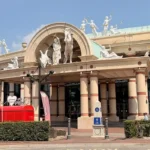
Altrincham Market House represents a grade two listed Victorian market structure built in 1879 that transformed into a modern artisan food hall in 2014. The venue houses ten independent micro-operators providing craft beverages, sourdough pizza, specialty coffee, and local meat products under a single timber-trussed roof. Local residents visit during off-peak weekday mornings to avoid regional tourist crowds while supporting regional producers who source ingredients within a 30-mile radius.
The revitalization of the building served as the primary catalyst for the broader economic regeneration of Altrincham town centre over the past decade. Urban planning records show that footfall increased by over 30 percent in the surrounding charter market precinct following the opening of the market house. The venue operates on a communal seating model that encourages social interaction among residents while maintaining historical architectural features such as exposed brickwork and original iron columns. Visitors who venture past the main dining area discover specialized regional traders selling artisanal cheeses, handmade garments, and vintage home goods on designated outdoor market days.
How does Dunham Massey offer a peaceful escape from the town centre?
Dunham Massey contains a 300-acre historic deer park, a Grade I listed Georgian mansion, and one of the largest winter gardens in the United Kingdom. The estate preserves a managed herd of approximately 150 fallow deer that roam freely through ancient oak woodlands and historical parkland pathways. Local residents regularly utilize the perimeter paths, including the northern boundary trails along the Bridgewater Canal, for quiet walking routes that bypass the main visitor visitor center.
The property was bequeathed to the National Trust in 1946 by Roger Grey, 10th Earl of Stamford, ensuring public conservation access in perpetuity. Historical records document that the estate functioned as a military hospital during World War I, treating over 3,000 wounded soldiers between 1917 and 1919. The surrounding timber structures and historic mill buildings provide a rare look into early industrial estate management in Cheshire. Residents often visit early in the morning to observe wildlife near the linear water features and avoid the midday parking congestion associated with major regional holidays.
What historical significance lies within Stamford Park?
Stamford Park covers 16 acres of Grade II listed public parkland situated between Altrincham and Hale, officially opened to the public in 1880. Designed by landscape architect John Shaw, the park features formal ornamental gardens, historic bowling greens, recreational tennis courts, and mature specimen trees planted during the late Victorian era. Local families utilize the quiet southern borders and historic conservatory areas away from the central playground equipment during peak weekend hours.
The land was donated by George Harry Grey, 7th Earl of Stamford, to provide green open space for the growing industrial workforce of Trafford. The park retains its original layout, including a central duck pond fed by local drainage systems and Victorian-era iron boundary railings. Environmental surveys identify several veteran tree species on the grounds, including European beech, English oak, and exotic conifers introduced during 19th-century botanical expeditions. Community preservation groups maintain active volunteer programs to restore the historic floral beds according to original Victorian planting schedules.
Why is the Garrick Playhouse a pillar of local performing arts?
The Altrincham Garrick Playhouse is a fully equipped community theatre established in 1914 that operates a main auditorium seating 400 patrons alongside a 49-seat studio space. The venue produces up to twelve mainstage productions annually, ranging from classical Shakespearean dramas to modern British comedies and musical theatre adaptations. Local theatregoers favor the intimate studio space, which hosts experimental writing, poetry readings, and independent chamber theatre productions throughout the academic year.
The theatre operates as a registered educational charity powered by over 300 active volunteers alongside a small professional technical staff. Historical archives confirm that former members have transitioned into prominent roles within national television, film production, and West End theatre companies. The facility includes a dedicated wardrobe department housing over 10,000 historic costumes used for community performances and educational rentals across Greater Manchester. Access to affordable ticket pricing models ensures that local residents can experience live performing arts without traveling to central Manchester venues.
How does the Bridgewater Canal present unique walking and cycling paths?
The Bridgewater Canal stretches through northern Altrincham, representing Britain’s first commercial canal constructed without following an existing natural waterway course. Commissioned by Francis Egerton, 3rd Duke of Bridgewater, and engineered by James Brindley, the canal opened in 1761 to transport coal directly from Worsley mines. Local cyclists and long-distance walkers utilize the restored towpaths heading west toward Dunham Town or east toward Broadheath for flat, traffic-free commuter routes.
The canal corridor serves as an essential green infrastructure belt providing habitat connectivity for water voles, kingfishers, and native bat species. Historic red-brick aqueducts, cast-iron footbridges, and former wharf structures remain preserved along the Altrincham stretch, indicating its past industrial role. Local watersports groups utilize specific calm basins for paddleboarding and canoeing, while anglers fish for roach, perch, and bream under environment agency permits. The towpath surface received major upgrades featuring crushed stone aggregate, allowing year-round accessibility during wet winter months.
What unique treasures can be found at the Goose Green precinct?
Goose Green is a secluded cobblestone courtyard located just off Stamford New Road that contains independent dining establishments, cocktail lounges, and personal service businesses. Originally a residential enclave during the 19th century, the precinct underwent careful urban conservation to preserve its traditional low-rise brick facades and central square layout. Local residents visit the square during warm summer evenings when outdoor seating expands to create an intimate European-style dining environment.
The area hosts regular acoustic music sessions and small-scale community events organized by the collective independent traders of the courtyard. Historic trade directories reveal that the site housed blacksmith workshops, coach maker premises, and small artisan stables throughout the Victorian industrial expansion. Today, the precinct provides a tranquil alternative to the main vehicular thoroughfares, allowing pedestrians to navigate between independent cafes without traffic interference. High tenant retention rates among the local business owners contribute to a stable neighborhood commercial identity.
What role does the Bowdon Rooms play in regional cultural events?
The Bowdon Rooms is a Grade II listed Edwardian venue built in 1903 that features an original sprung maple wood ballroom floor and 20-foot high ceilings. Situated on the border of Altrincham and Bowdon, the building hosts live jazz concerts, classical recitals, vintage dance events, and community meetings. Local residents frequently attend the mid-week acoustic performance series, which showcases touring national artists in an acoustically balanced environment.
Architecturally, the building displays prominent Edwardian Baroque details, including decorative plaster ceiling roses, stained glass window panels, and an elevated performer stage. The venue underwent comprehensive structural restoration to upgrade interior lighting, sound reinforcement, and heating systems while preserving historical features. Local community groups utilize the secondary function rooms for choir rehearsals, yoga instruction, and educational seminars throughout the week. The historic ballroom floor remains one of the few fully operational Edwardian dance floors remaining in the Trafford metropolitan borough.
Why do nature lovers visit the Walkden Gardens in nearby Sale?
Walkden Gardens, located short distance north of Altrincham town centre, is a protected public green space modeled after Japanese garden design principles and English formal layouts. Known locally as the Secret Garden, the 5-acre site contains a theater lawn, a doveote, formal beech hedges, and a dedicated Japanese garden section with gravel pathways. Local horticulturists and residents seek out the gardens for quiet study, peaceful reflection, and specialized botanical photography sessions.
The land was donated to the local authority by Harry Walkden, a prominent nurseryman who cultivated rare plant species on the site during the early 20th century. The gardens feature a re-erected portico structure originally salvaged from the demolished Manchester Royal Infirmary building in 1910. The Friends of Walkden Gardens voluntary group manages seasonal maintenance, planting updates, and community open days in partnership with Trafford Council. Dense boundary planting insulates the interior of the garden from surrounding urban road noise, creating a distinct microclimate for sensitive plant species.
How does King George V Playing Fields support local outdoor sports?
The King George V Playing Fields in Altrincham provide extensive grass athletic pitches, public drainage infrastructure, and open field space covering over 10 acres. Established as part of the national memorial trust network following the death of King George V in 1936, the site is legally protected against commercial development. Local amateur football leagues, youth training academies, and community runners use the fields daily for structured sports training and casual fitness.
The field layout accommodates multiple marked grass pitches during the winter sport season alongside temporary athletic tracks during summer months. Drainage improvements completed by the local council prevent waterlogging, ensuring the playing surfaces remain usable through heavy Cheshire rain events. Bordering tree lines composed of sycamore and poplar provide windbreaks for athletes while serving as urban bird habitats. The perimeter paths connect directly into local residential footpaths, allowing seamless pedestrian movement between Broadheath and central Altrincham.
What makes the Broadheath Retail and Heritage Trail historically important?
The Broadheath industrial corridor in northern Altrincham represents one of the world’s earliest purpose-built industrial parks, developed following the arrival of the railway line in 1849. Engineering firms such as George Richards & Company and Tilghman’s Sand Blast Company operated massive machine tool manufacturing plants on these grounds throughout the 20th century. Local historians walk the self-guided heritage trails to view preserved brick warehouse facades, former rail sidings, and historic worker housing complexes.
Broadheath played a key role in global manufacturing, producing heavy boring machines, industrial air compressors, and specialized metalworking equipment exported worldwide. The area served as the birth site of computer pioneer Alan Turing during his family’s temporary residence in the locality during the early 20th century. Modern urban redevelopment transformed several historic factory sites into modern commercial units while retaining structural ironwork and commemorative blue plaques. Guided walking tours organized by the Altrincham History Society highlight how the area transitioned from heavy machine manufacturing to light commercial services.
What architectural features define the Bowdon Conservation Area?
The Bowdon Conservation Area sits on a prominent sandstone ridge directly south of Altrincham town centre, characterized by grand Victorian villas and narrow winding lanes. Designated as a protected conservation precinct in 1970, the area preserves over 60 listed buildings designed by notable 19th-century Manchester architects like Alfred Waterhouse. Local residents walk the quiet residential lanes, such as Green Walk and Vale Road, to observe preserved Gothic Revial, Italianate, and Arts and Crafts architectural styles.
The development of Bowdon accelerated after the opening of the railway in 1849, allowing wealthy Manchester textile merchants to construct large country residences outside the industrial city. The steep topography creates unique visual vistas across the Cheshire Plain toward the Peak District hills on clear days. Strict local planning regulations protect the historic stone boundary walls, mature horse chestnut tree canopies, and original cast-iron streetlamps throughout the zone. The local parish church of St Mary occupies an ancient religious site dating back to the Domesday Survey of 1086.
Why is the Stamford Arts Centre a creative hub for independent artists?
The Stamford Arts Centre functions as a community-led creative space providing affordable artist studios, exhibition galleries, and workshop facilities in central Altrincham. Housed in a converted historic brick building, the centre supports independent painters, ceramicists, sculptors, and digital designers working within the Trafford district. Local art buyers visit the ground-floor gallery spaces during rotational weekend exhibitions to purchase original works directly from regional creators without gallery markups.
The organization runs weekly educational workshops covering printmaking, life drawing, pottery techniques, and textile design for skill levels ranging from novice to professional. Funding from local art grants and studio rental fees allows the facility to maintain open community access programs for local schools. The interior gallery layout features adjustable partition walls and professional track lighting designed to display fine art collections effectively. Annual open studio events allow the public to enter private working spaces, interact with resident artists, and observe traditional creation processes.
How does the Silver Blades Ice Rink contribute to local sports culture?
Planet Ice Altrincham, historically known as the Silver Blades Ice Rink, is a 2,000-capacity ice arena serving as the home venue for the Manchester Storm professional ice hockey team. Opened in 2007 to replace the original Devonshire Road rink, the facility provides international-standard ice surfaces for public skating, figure skating clubs, and ice hockey leagues. Local sports enthusiasts attend mid-week practice matches and early morning figure skating sessions to enjoy the facility outside of high-profile weekend game fixtures.
The arena operates a comprehensive development academy training junior ice hockey players from across Greater Manchester and Cheshire. The physical structure incorporates advanced industrial refrigeration systems that maintain optimal ice density and surface temperature despite ambient external weather variations. Community public skate sessions offer dedicated ice time for wheelchair users and adaptative sports participants under trained supervision. The venue remains an important indoor sports installation in Trafford, attracting over 200,000 visitors annually for recreational and competitive ice sports.
What green spaces surround the Timperley Brook corridor?
The Timperley Brook corridor forms a continuous natural green fairway flowing through eastern Altrincham and Timperley toward the River Mersey catchment basin. The protected brook valley features linear walking paths, wild meadows, damp woodlands, and pocket parks nestled behind suburban residential developments. Local residents use the secluded dirt paths following the watercourse for birdwatching, dog walking, and nature study away from formal public park setups.
Environmental surveys document that the brook habitat supports wild trout populations, grey herons, kingfishers, and various amphibious species sensitive to water pollution. Local environmental charities partner with Trafford Council to conduct regular water quality testing and native tree planting campaigns along the bank slopes. The natural floodplains surrounding the brook absorb heavy rainwater run-off, protecting adjacent residential neighborhoods from localized surface flooding. Interpretive signs installed along the public access points detail the native flora, fauna, and hydrologic functions of the stream ecosystem.
Why is Old Market Place significant to Altrincham’s commercial history?
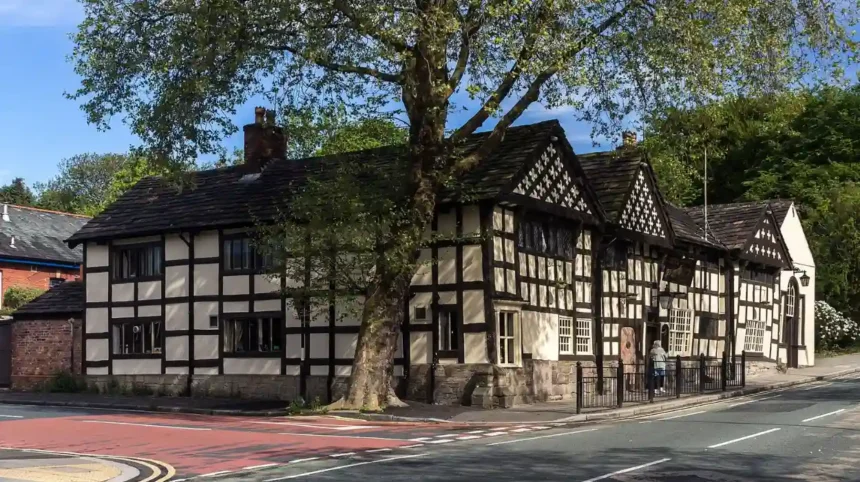
Old Market Place represents the original historical core of medieval Altrincham, situated at the junction of Market Street, Post Office Street, and Hospital Street. The cobble-paved square features historic timber-framed structures, including the Grade II listed modern public houses that served as 18th-century coaching inns. Local history enthusiasts visit the square to view the historic butter market site and preserved Victorian street furniture that anchor the northern entrance to the town center.
The area served as the primary site for the town’s weekly livestock and produce markets following the granting of the royal charter in 1290. Court Leet meetings, an ancient form of local manorial governance, were held in the historic buildings surrounding the square for over five centuries. Today, the precinct hosts specialized artisan pop-up stalls, outdoor dining terraces, and historical walking tour assembly points. The preservation of original stone setts and historic building footprints provides an authentic tangible link to Altrincham’s pre-industrial agricultural economy.
Frequently Asked Questions
What is the best time of year to visit hidden spots in Altrincham?
Spring and early autumn offer mild weather and fewer crowds at popular outdoor venues like Dunham Massey and Stamford Park. Weekday mornings provide the quietest experience for exploring indoor sites like Altrincham Market House and independent boutiques in Goose Green.
How do I access Altrincham from central Manchester using public transport?
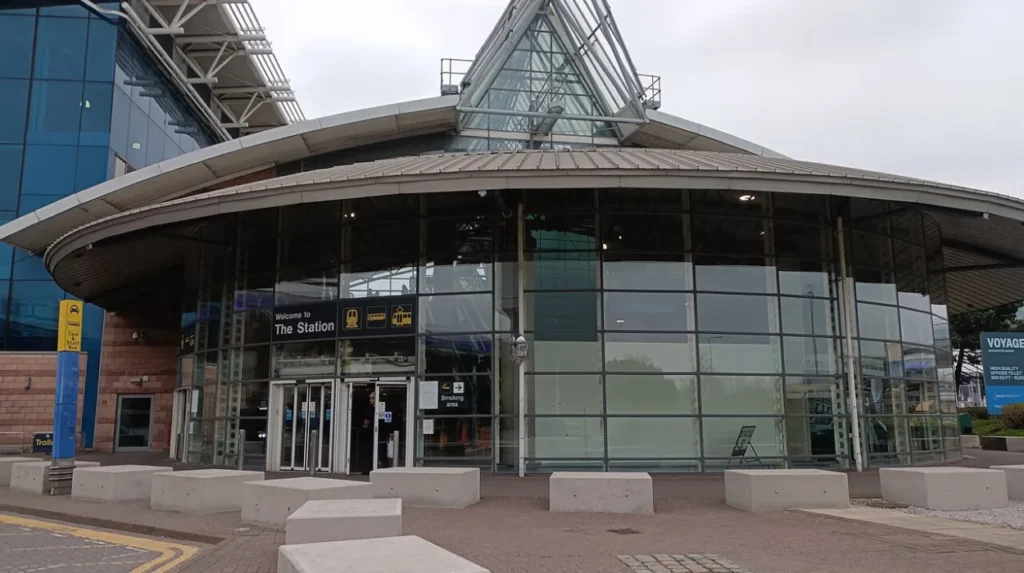
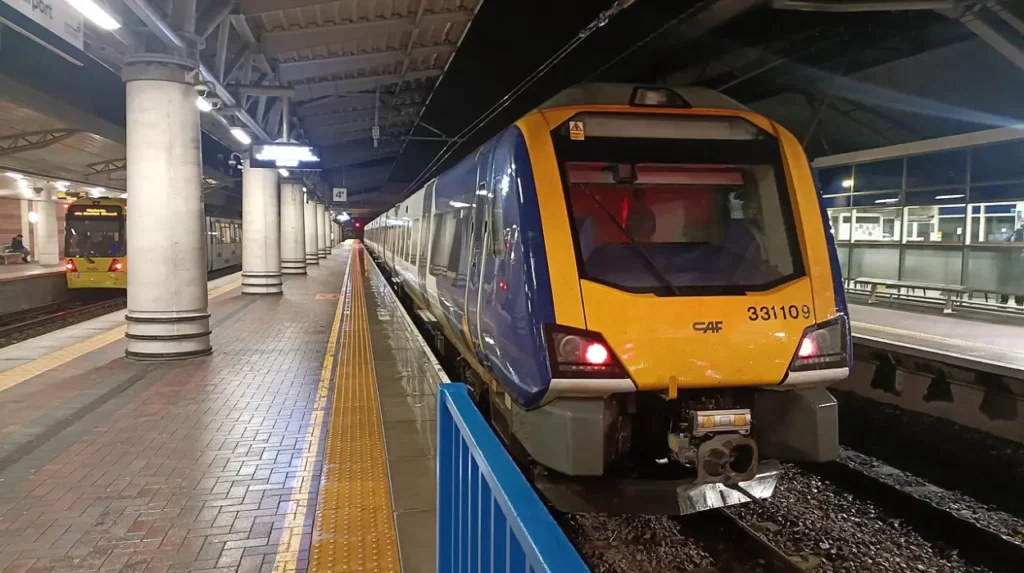
The Manchester Metrolink tram system operates direct service from Manchester Piccadilly and Victoria stations directly to Altrincham Interchange in 30 minutes. Northern Rail also operates regular heavy rail services connecting Altrincham Station with Manchester Oxford Road and Chester.
Are the hidden parks and nature trails in Altrincham dog friendly?
Yes, most green spaces including Dunham Massey parkland, Stamford Park, Walkden Gardens, and the Bridgewater Canal towpaths welcome dogs. Certain formal gardens and designated deer grazing enclosures require dogs to remain on short leads for wildlife protection.
Is Altrincham suitable for a full day trip with family?
Altrincham provides diverse family-friendly activities including interactive wildlife viewing at Dunham Massey, public ice skating at Planet Ice, and open playground spaces at Stamford Park. The town centre features accessible walking paths and numerous family-friendly dining options in Goose Green.
Where can I park when exploring the independent precincts in Altrincham?
Multi-storey and surface parking facilities are available at Stamford Quarter, Oakfield Road, and Altrincham Interchange. Short-stay pay-and-display street parking operates along main streets, while Dunham Massey provides dedicated on-site parking for visitors accessing the National Trust estate.