Bolton Museum and Aquarium provides completely free public admission for all visitors every single day of the week, with standard operating hours from nine in the morning until five in the afternoon on Mondays, Tuesdays, Thursdays, Fridays, and Saturdays, while opening slightly later at nine thirty in the morning on Wednesdays and operating shorter hours from ten in the morning until four in the afternoon on Sundays.
- How Can Visitors Travel to Bolton Museum and Aquarium and Where is it Located?
- What Can Visitors Expect to See Inside the Bolton Aquarium Exhibits?
- What Historical Artifacts and Collections Are Displayed in Bolton Museum?
- What Family Facilities and Amenities Are Available During a Visit?
- Frequently Asked Questions
- Where should I park when visiting Bolton Museum and Aquarium?
- Are there any admission charges for Bolton Museum and Aquarium?
- How long does a typical visit to the museum and aquarium take?
- Is the venue fully accessible for wheelchair users and pushchairs?
- Can visitors take photographs inside the museum and aquarium galleries?
This cultural institution located in Greater Manchester operates within a civic complex that houses multiple public services, regional archives, and community learning spaces managed by the local authority. Visitors never need to purchase tickets or book advance reservations for general admission to the permanent galleries, aquarium zones, or temporary exhibition spaces. Free entry policies ensure that educational resources remain accessible to families, school groups, and international tourists interested in regional heritage without financial barriers.
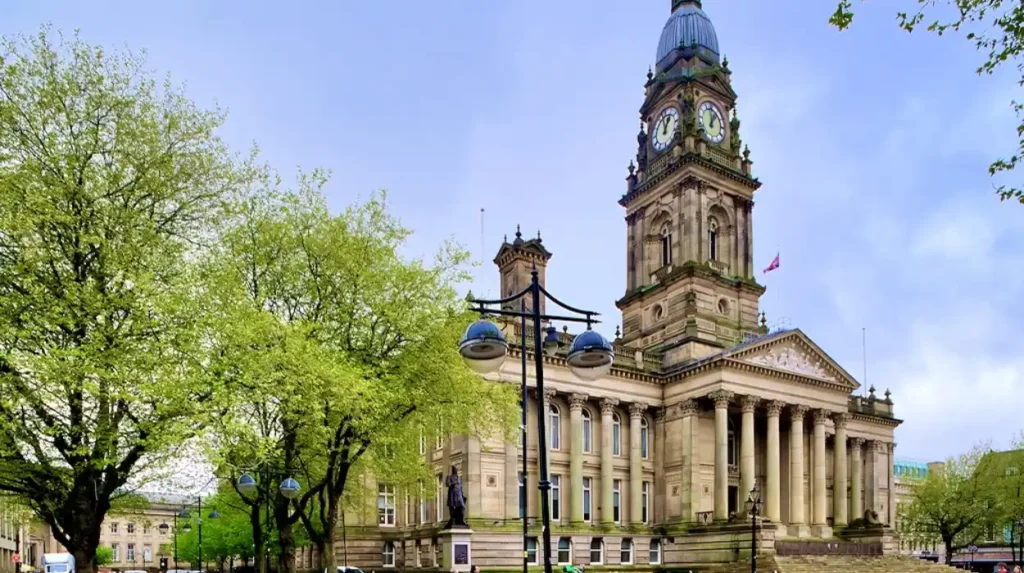
The facility observes standard holiday closures during major national holiday periods such as Christmas Day, Boxing Day, and New Year Day, which requires guests to verify special schedules online before traveling. Special events, workshops, or visiting collections occasionally utilize separate booking systems or nominal fees, but these represent exceptions to the standard free entry framework established by the council. Public funding and local government allocations sustain the operational costs of maintaining the historic building, animal habitats, and artifact preservation units year round. Visitors arriving at Le Mans Crescent can enter the building directly through the main portico without queuing for ticketing desks, simplifying arrival procedures for large tour groups and families with young children.
How Can Visitors Travel to Bolton Museum and Aquarium and Where is it Located?
Bolton Museum and Aquarium sits centrally at Le Mans Crescent, Bolton, BL1 1SE, offering straightforward access via major regional transport links including the nearby Bolton Interchange rail and bus station situated just zero point four miles away. Commuters traveling by train arrive at the main transport hub within ten minutes of walking distance, connecting directly to regional rail networks spanning Manchester, Blackburn, and surrounding Northern towns. Motorists can access the venue easily by utilizing the M60, M61, and M6 motorway corridors that link Greater Manchester with the wider national road network.
The nearest long stay public parking facility is the Octagon multi storey car park located at postcode BL1 1TN, providing ample vehicle capacity for visitors driving from outside the borough. Local bus routes operate frequent services stopping immediately adjacent to the civic centre precinct, ensuring seamless integration with regional public transit ticketing schemes. Pedestrian pathways feature well maintained accessibility ramps and wide automated sliding doors at the main entrance to accommodate wheelchair users and pushchairs. Visitors utilizing bicycles find secure outdoor bike racks installed near the civic square perimeter for locking equipment securely during their gallery tour.
What Can Visitors Expect to See Inside the Bolton Aquarium Exhibits?
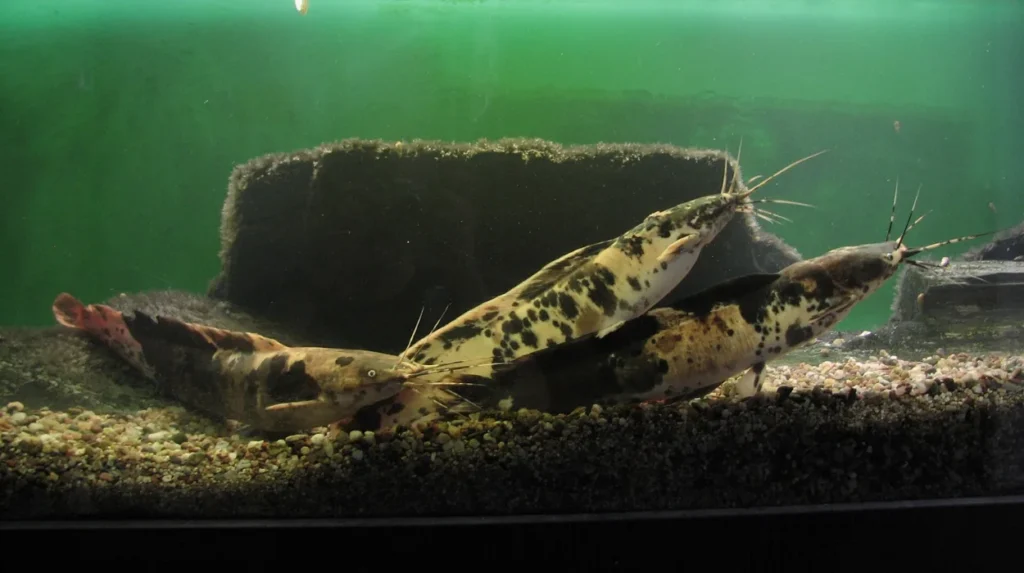
Bolton Aquarium houses more than seventy distinct varieties of freshwater and marine fish originating from diverse aquatic ecosystems across the globe, providing an immersive educational window into aquatic biodiversity. The facility maintains specialised freshwater habitats that replicate natural river systems, tropical lakes, and local waterways, allowing guests to observe complex aquatic behaviors up close. Educational signage stationed alongside every display tank details the scientific names, natural geographical distribution, feeding habits, and conservation statuses of species such as piranhas, cichlids, and native British fish.
Trained aquarists manage water chemistry parameters meticulously every single day, ensuring optimal health conditions for all aquatic inhabitants across multiple climate controlled display zones. The aquarium layout guides visitors sequentially through different ecological zones, moving from local British freshwater habitats toward exotic tropical river environments found in South America and Southeast Asia. Interactive learning panels and digital touch screens offer children and students engaging opportunities to test their knowledge of aquatic life cycles and water conservation principles. Staff members host scheduled feeding demonstrations throughout the week, offering deep insights into the dietary requirements and predatory adaptations of various fish species housed within the complex.
What Historical Artifacts and Collections Are Displayed in Bolton Museum?
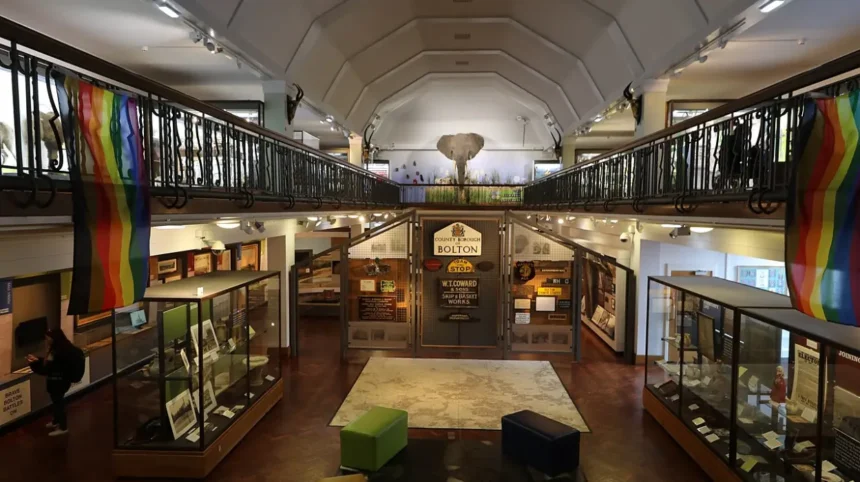
Bolton Museum features world class permanent collections encompassing ancient Egyptian history, local industrial heritage, fine art, and natural history specimens that reflect centuries of human and environmental evolution. The internationally renowned Egyptology gallery displays over two thousand authentic artifacts, including a fully reconstructed burial chamber and mummified remains that highlight ancient funerary practices. Regional history exhibits chronicle the transformation of Bolton from a medieval market town into a powerhouse of the British textile manufacturing revolution during the eighteenth and nineteenth centuries.
Fine art galleries showcase an extensive collection of British paintings, sculptures, and decorative arts created by prominent artists from the Victorian era onward. Natural history displays present diverse geological specimens, fossils, and taxidermy collections that document the rich biodiversity of the local Lancashire landscape and international ecosystems. Conservators utilize climate controlled display cases and advanced preservation techniques to protect fragile organic materials, textiles, and paper documents from light damage and environmental degradation. Curatorial teams rotate temporary exhibition schedules regularly, introducing new national touring collections and contemporary community art projects to returning local visitors.
What Family Facilities and Amenities Are Available During a Visit?
Bolton Museum and Aquarium provides comprehensive on site visitor amenities including accessible public restrooms, baby changing stations, a gift shop, and an integrated cafe serving hot meals, snacks, and beverages. The ground floor cafe offers a relaxing environment for families to rest during long museum visits, featuring high chairs and children meal options suitable for diverse dietary requirements. The museum gift shop sells educational toys, science kits, local history books, and souvenir items that support the ongoing operational funding of the charitable heritage trust.
Visitor services desks located near the main entrance are staffed by knowledgeable assistants ready to provide venue maps, daily event schedules, and accessibility guidance upon arrival. Lockers and cloakroom facilities allow guests to store heavy coats, umbrellas, and large bags securely while exploring the multi level exhibition galleries unencumbered. Educational workshop rooms host regular children arts and crafts sessions during school holiday periods, fostering creative engagement with the museum themes and historical collections. Visitors requiring specific assistance can request wheelchair loans or sensory support packs from the reception desk to ensure a comfortable and inclusive experience for every guest.
Frequently Asked Questions
Where should I park when visiting Bolton Museum and Aquarium?
Visitors can park at the Octagon multi storey car park located at postcode BL1 1TN, which serves as the nearest long stay public parking facility. The car park sits within a short walking distance of Le Mans Crescent and offers secure vehicle storage for visitors. Additional street parking and alternative municipal lots operate nearby throughout the town centre.
Are there any admission charges for Bolton Museum and Aquarium?
General admission to Bolton Museum, Aquarium, and Archive is completely free of charge for all visitors every day of the week. Guests can access all permanent galleries and the aquarium without booking tickets in advance. Special temporary exhibitions or workshops may occasionally require nominal fees or separate registration.
How long does a typical visit to the museum and aquarium take?
A standard visit typically lasts between two to three hours, allowing adequate time to explore the aquarium tanks and museum galleries. Visitors with a deep interest in the Egyptology collection or local archive records often spend half a day exploring the exhibits. The on site cafe provides a convenient spot to take a break during your tour.
Is the venue fully accessible for wheelchair users and pushchairs?
The venue is fully accessible, featuring wide automated sliding doors, level flooring, and internal lifts servicing multi level exhibition spaces. Accessible restrooms and baby changing facilities are located on the ground floor near the main entrance. Staff members can also provide wheelchair loans upon request at the reception desk.
Can visitors take photographs inside the museum and aquarium galleries?
Photography for personal, non commercial use is permitted throughout most areas of the museum and aquarium galleries. Visitors must refrain from using flash photography inside the aquarium zones to protect sensitive aquatic life forms. Commercial filming or professional photography shoots require prior written permission from the museum management team.