Manchester hotels conference facilities serve as vital hubs for corporate gatherings, trade expos, and international summits due to the city central economic position, high-speed regional transport links, extensive delegate capacities, and state-of-the-art audio-visual infrastructure tailored to global business requirements.
- How Has the Infrastructure of Event Venues in Manchester Evolved Historically?
- What Are the Key Structural Components of Premier Hotel Event Spaces?
- How Do Digital Technology and Audiovisual Systems Support Modern Conferences?
- Which Real-World Hotel Venues Exemplify Top-Tier Conference Facilities in Manchester?
- What Quantitative Data and Capacity Metrics Define Manchester Business Venues?
- What Are the Implications and Future Trends for Corporate Event Venues?
- Frequently Asked Questions
- What is the average cost of hiring a hotel conference room in Manchester?
- Which Manchester hotels with conference facilities are closest to Manchester Airport?
- Can Manchester hotel conference venues accommodate hybrid virtual meetings?
- How far in advance should I book a corporate venue in Manchester?
- Do Manchester hotel conference facilities provide on-site catering for special dietary requirements?
Business tourism in the North West of England relies heavily on venue infrastructure that can accommodate corporate functions of varying scales. Manchester functions as a primary economic engine in the United Kingdom, housing major financial institutions, technology hubs, and media networks. To support this commercial ecosystem, hospitality providers have developed extensive event spaces equipped with integrated technology, customizable floor plans, and dedicated event management teams. These venues host national conferences, training seminars, trade exhibitions, and executive board meetings throughout the calendar year. The strategic integration of overnight accommodation with flexible event spaces allows corporate planners to minimize logisitcal friction for traveling delegates.
Modern venue spaces prioritize high-speed fiber-optic internet connections, hybrid presentation technology, and ergonomic seating arrangements to maintain high engagement standards during multi-day conventions. Furthermore, proximity to international transport hubs like Manchester Airport and major railway stations renders these facilities highly accessible to international delegates and domestic attendees alike. The growth of the regional economy continues to fuel sustained demand for premium conference venues across the city center and wider metropolitan districts.
How Has the Infrastructure of Event Venues in Manchester Evolved Historically?
The evolution of Manchester meeting spaces progressed from nineteenth-century industrial trading halls to mid-century business hotels, culminating in modern, integrated hospitality complexes that combine historical architectural conservation with cutting-edge digital meeting infrastructure.
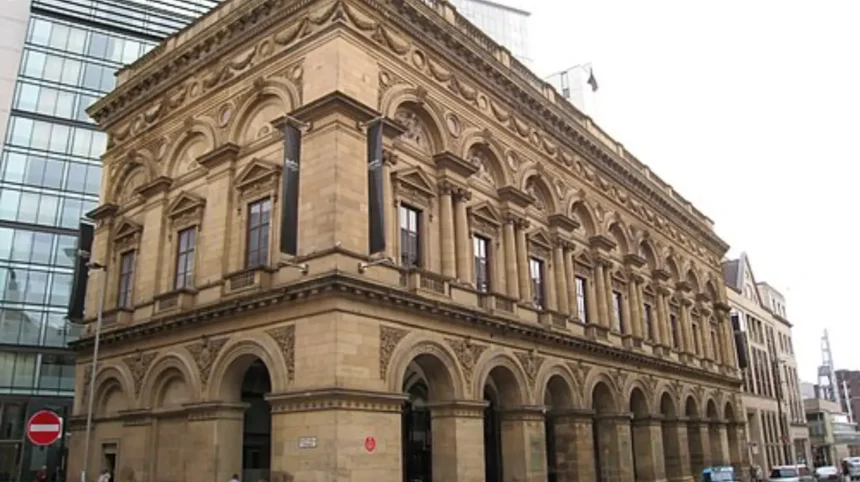
During the Industrial Revolution, business gatherings took place in specialized commercial buildings such as the Royal Exchange and the Free Trade Hall. These structures accommodated textile traders, political assemblies, and merchant guilds, establishing the city as a global commerce destination. As manufacturing shifted toward service and technology sectors during the twentieth century, the demand for corporate gathering spaces changed significantly. Hotels began acquiring larger physical footprints to construct dedicated ballrooms and meeting suites specifically designed for corporate events. The late twentieth century saw major urban regeneration initiatives that converted former industrial warehouses and civic landmarks into luxury hotels featuring high-capacity conference hubs.
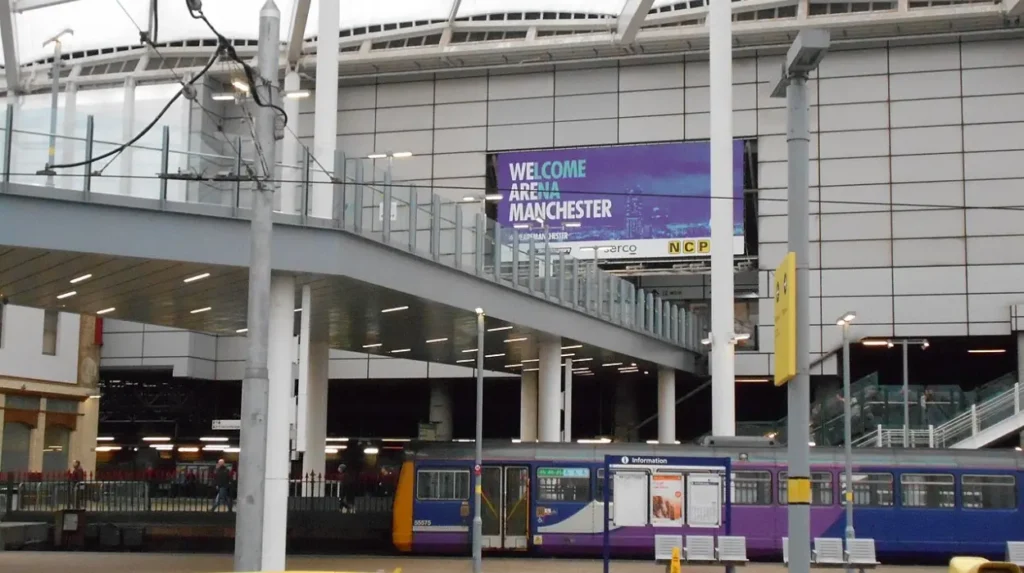
Public investment in transport, including the Metrolink tram network and railway expansions, further encouraged hotel developers to build integrated convention spaces near key transit points. Today, venue operators preserve historical architectural frameworks while installing digital infrastructure such as cloud-based presentation networks, smart lighting systems, and acoustic insulation. This historic progression ensures that contemporary venues deliver modern efficiency within distinct architectural environments.
What Are the Key Structural Components of Premier Hotel Event Spaces?
Premier hotel event spaces consist of multi-functional main plenaries, divisible breakout suites, dedicated exhibition foyers, advanced audiovisual control rooms, executive boardrooms, and specialized catering facilities designed to maintain smooth delegate flow.
The architecture of a modern venue is engineered around functionality, capacity, and delegate comfort. Main plenary rooms serve as the central anchor for large gatherings, often featuring high ceilings, column-free floor layouts, and moveable acoustic partitions. These partitions enable venue operators to divide vast halls into smaller seminar zones within minutes, adapting to dynamic event schedules. Surrounding the main hall are dedicated breakout rooms used for specialized workshops, panel sessions, or press briefings. Executive boardrooms are specifically built for high-level governance meetings, featuring built-in teleconferencing systems, climate controls, and soundproofing materials to guarantee confidentiality.
Dedicated pre-function areas or foyers handle delegate registration, networking breaks, and commercial sponsor exhibitions without cluttering main access corridors. Behind the scenes, these facilities incorporate specialized technical control booths for sound and lighting engineers, dedicated loading bays for event production crews, and commercial kitchens capable of serving banquet meals to hundreds of attendees simultaneously. Every component operates in tandem to prevent logistical bottlenecks during complex corporate functions.
How Do Digital Technology and Audiovisual Systems Support Modern Conferences?
Digital technology supports modern conference venues through high-capacity dedicated Wi-Fi networks, integrated digital screens, hybrid streaming capabilities, immersive LED backdrops, automated environmental controls, and centralized audio management infrastructure.
Contemporary corporate events demand technical infrastructure capable of supporting complex digital presentations and global broadcast feeds. High-density Wi-Fi networks are built with redundant bandwidth allocations to prevent connection drops when hundreds of delegates connect multiple devices simultaneously. Built-in interactive display screens and high-definition laser projectors eliminate the need for external equipment rentals, streamlining event setup times. Hybrid event technology is now a standard requirement, incorporating high-definition tracking cameras and ceiling-mounted microphone arrays that stream audio and video to remote global participants in real time.
Advanced digital mixing consoles and automated room lighting allow presentation teams to adjust illumination levels and sound acoustics according to presentation formats. Smart environmental control systems monitor carbon dioxide levels, ambient temperature, and room occupancy to dynamically adjust air circulation, ensuring optimal attendee focus throughout long sessions. Technical staff operate these systems from centralized control hubs, ensuring seamless transitions between keynote speeches, video playback, and live audience Q&A rounds.
Which Real-World Hotel Venues Exemplify Top-Tier Conference Facilities in Manchester?
Leading examples include The Edwardian Manchester with its historic Hallé Suite, Kimpton Clocktower Hotel boasting the massive Alexandra Ballroom, and Hyatt Regency Manchester offering corporate facilities near academic hubs.
The Edwardian Manchester, situated within the historic Free Trade Hall, represents a benchmark for luxury corporate hosting in the city center. Its premier venue space, the Hallé Suite, accommodates large corporate conferences while offering subterranean breakout rooms equipped with advanced presentation technology. Another landmark venue is the Kimpton Clocktower Hotel, situated on Oxford Road, which houses the Alexandra Ballroom, one of the largest hotel event spaces in the region capable of hosting major galas and national conventions.
The Hyatt Regency Manchester, positioned within the Innovation District, offers modern meeting rooms tailored to academic, medical, and scientific conferences due to its proximity to university research centers. For events requiring direct airport access, Radisson Blu Hotel Manchester Airport provides covered walkway connections to terminal buildings, presenting high-capacity conference suites for international business delegations. Each venue caters to specific event profiles, demonstrating how different properties optimize physical layout, geographic location, and technological features to satisfy diverse corporate requirements.
What Quantitative Data and Capacity Metrics Define Manchester Business Venues?
Manchester venue capacity metrics span spaces exceeding 1000 square meters, delegate accommodations from 10 to 1000 attendees, high-speed internet up to 1 Gbps, and thousands of hotel rooms across the city.
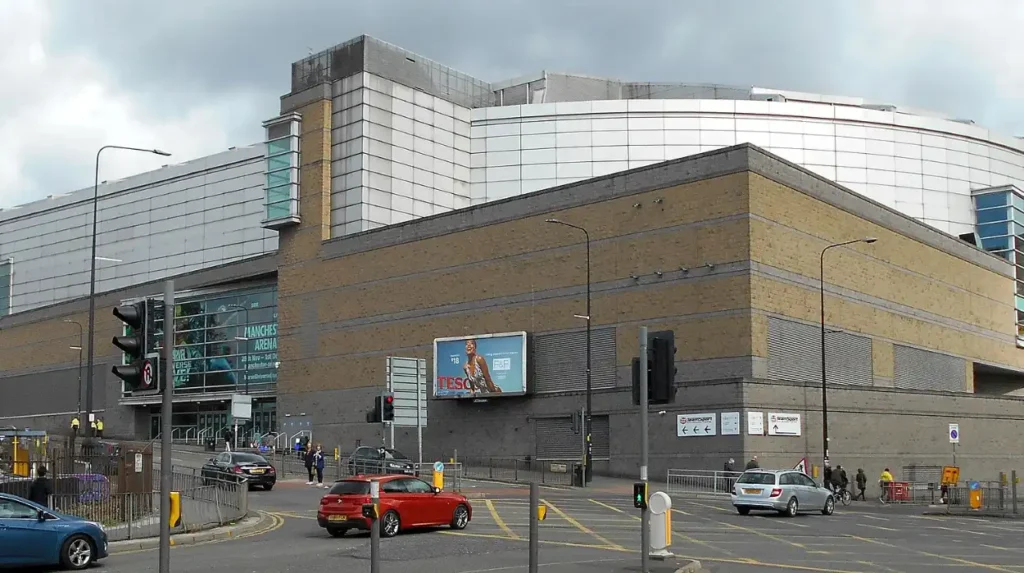
Corporate planners select venues based on precise numerical metrics that match event logistics to physical room dimensions. Large hotel ballrooms in the city center offer floor space ranging from 500 to over 1000 square meters, allowing banquet seating for up to 700 delegates or theater-style setups for over 1000 guests. Smaller meeting suites typically measure between 30 to 100 square meters, comfortably accommodating executive boards of 10 to 30 people. Network infrastructure across premier business hotels generally provides dedicated symmetric internet speeds of up to 1 Gigabyte per second to handle heavy data transfers and live video broadcasts.
The wider city offers over 10000 hotel rooms across various market tiers, ensuring adequate overnight capacity for multi-day conventions that draw thousands of visitors. Parking facilities at major conference sites accommodate dozens of vehicles, while Metrolink transit stops connect key venue locations within a 15-minute radius. Evaluating these quantitative benchmarks allows event organizers to optimize delegate density, budget allocation, and operational efficiency.
What Are the Implications and Future Trends for Corporate Event Venues?
Future venue trends emphasize sustainable operational practices, hybrid virtual event integration, AI-driven event management tools, wellness-focused room design, and adaptive spatial layouts tailored to modern corporate standards.
Environmental sustainability represents a major factor shaping the future of hotel conference operations across the region. Venues are rapidly implementing zero-waste catering protocols, energy-efficient LED lighting systems, and paperless digital signage to reduce environmental impacts. Corporate clients increasingly mandate green building certifications and detailed carbon offset reports before signing venue contracts. Simultaneously, hybrid meeting formats continue to evolve, driving investments in permanent virtual reality and extended reality broadcasting studios within hotel suites.
Artificial intelligence is being integrated into venue management software to optimize room heating, automate delegate check-in procedures, and analyze crowd movement patterns to improve safety protocols. Wellness-focused room features, including natural daylight optimization, air purification filtration, and ergonomic furniture, are replacing traditional conference setups to enhance delegate well-being. As flexible working models change corporate gathering habits, demand is shifting toward highly interactive, technology-rich, and sustainable venue environments that justify face-to-face business travel.
Frequently Asked Questions
What is the average cost of hiring a hotel conference room in Manchester?
Hotel conference room hire rates depend on room capacity, duration, and included amenities. Day delegate rates typically range from 35 to 75 pounds per person, which includes room rental, standard audiovisual equipment, lunch, and refreshments. Full-day room hire fees for major ballrooms can range between 1500 and 5000 pounds depending on venue location and seasonal demand.
Which Manchester hotels with conference facilities are closest to Manchester Airport?
The Radisson Blu Hotel Manchester Airport offers direct, covered walkway access to Terminals 1 and 2, making it the most accessible venue for international delegates. Other nearby hotels with extensive meeting rooms include the Clayton Hotel Manchester Airport and the DoubleTree by Hilton Manchester Airport, both situated within a short airport shuttle ride.
Can Manchester hotel conference venues accommodate hybrid virtual meetings?
Most major hotel conference centers across Manchester offer built-in hybrid presentation technology. These systems feature high-speed dedicated internet bandwidth, tracking video cameras, ambient ceiling microphones, and integrated digital displays to allow remote participants to join seamlessly. Venue technical staff assist in managing live broadcast feeds during events.
How far in advance should I book a corporate venue in Manchester?
It is recommended to book large corporate conference venues 6 to 12 months in advance, especially during peak business conference seasons in spring and autumn. Smaller executive boardrooms or seminar suites can often be reserved 1 to 3 months in advance depending on availability. Early booking helps secure preferred dates and accommodation blocks for delegates.
Do Manchester hotel conference facilities provide on-site catering for special dietary requirements?
Premier hotel event venues offer comprehensive in-house catering services tailored to diverse dietary needs. Executive chefs provide customized menus including vegan, vegetarian, gluten-free, halal, and kosher options upon request. Event organizers can coordinate meal plans, coffee breaks, and formal banquets directly with the hotel catering team during planning stages.