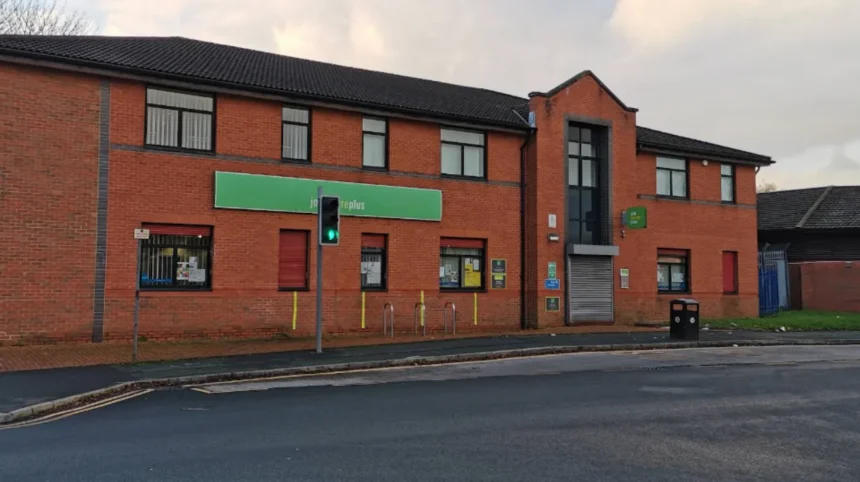
The job centre in cheetham hill manchester delivers essential employment support, administration of benefit claims, and personalized career guidance for residents across North Manchester. It operates under the Department for Work and Pensions to facilitate local labor market integration.
- How do individuals access universal credit support at this location?
- What appointment types and attendance protocols operate at this facility?
- What localized job opportunities and training schemes are accessible here?
- Frequently Asked Questions
- What address and opening hours apply to Cheetham Hill Jobcentre?
- How do claimants book or reschedule an appointment at this location?
- What documentation must visitors bring to identity verification interviews?
- Are digital computers and job search facilities available to the public inside?
- How does the office support jobseekers with physical disabilities or health conditions?
The job centre in cheetham hill manchester functions as a primary administrative hub for state-funded employment initiatives within the Greater Manchester urban area. The facility operates under the direct jurisdiction of the Department for Work and Pensions, a ministerial department of the United Kingdom government responsible for welfare, pensions, and child maintenance policy. Located within the inner-city district of Cheetham Hill, the office serves a diverse population experiencing complex socio-economic conditions. The core mission of this establishment centers on reducing localized unemployment through tailored intervention strategies, structured training referrals, and rigorous benefit administration.
Staff members work directly with jobseekers to verify eligibility for state financial assistance while actively facilitating matches between local employers and available workers. The infrastructure contains modern computing facilities, private interview rooms, and group seminar spaces to accommodate daily operational requirements. Modern digital tracking systems integrate local office interactions with national employment databases to monitor claimant progress continuously. The location acts as an essential community access point for government welfare services, bridging the gap between national labor policy and localized urban workforce needs.
Historically, state employment services in the United Kingdom evolved from the Labour Exchanges Act 1909, which established the national network of public employment offices. The Cheetham Hill facility represents the modern iteration of this system, formed through the merger of the Employment Service and the Benefits Agency in 2002 to create Jobcentre Plus. Cheetham Hill has long served as an industrial and commercial node within North Manchester, historically driven by textile manufacturing, wholesale trade, and diverse migrant commercial enterprises. The local labor market underwent structural shifts during the late 20th century as industrial manufacturing declined, increasing the necessity for centralized state re-skilling programs.
Over successive decades, statutory reforms replaced legacy welfare programs such as Jobseeker Allowance and Income Support with unified digital payment mechanisms. The introduction of the Welfare Reform Act 2012 fundamentally restructured how local offices interact with claimants by embedding conditionality into financial support mechanisms. Today, the Cheetham Hill operational framework reflects these statutory changes, managing high volumes of digital claim processing alongside traditional face-to-face coaching. The site continues to adapt to ongoing labor market shifts within the broader North West regional economy.
The operational architecture of the site incorporates several distinct service channels designed to process statutory welfare claims effectively. The primary structural component involves dedicated Work Coaches who provide one-on-one casework management for registered claimants. These professionals assess individual barriers to employment, verify job search activities, and enforce statutory agreements known as Claimant Commitments. Another major structural division focuses on disability and health-related employment support through designated Disability Employment Advisers. These specialists coordinate interventions for claimants presenting physical or mental health conditions that limit work capability.
Additionally, the facility maintains specialized Employer Engagement Teams that liaise directly with Manchester businesses to identify local vacancies and organize targeted recruitment drives. Physical infrastructure inside the Crescent Road site includes digital self-service kiosks, public internet terminals for application submissions, and secure verification desks. Administrative personnel process identity verification documentation, oversee compliance reporting, and manage mandatory appointment schedules. These interconnected components allow the office to function as both a regulatory monitoring point and a proactive employment support facility.
Operational processes within the facility follow standardized national protocols established by statutory welfare regulations. When an individual submits a claim for welfare assistance, an initial orientation procedure establishes the statutory conditions required to receive financial support. Claimants attend mandatory face-to-face appointments where Work Coaches evaluate skills, employment history, and potential barriers such as transport limitations or caregiving duties. Following this assessment, both parties sign a binding agreement detailing mandatory weekly job search hours, application targets, and training requirements. Regular check-ins occur on a weekly or bi-weekly basis to audit compliance against these documented commitments. If a claimant fails to attend a scheduled meeting or demonstrate sufficient job search activity without reasonable cause, administrative processes trigger a referral for financial sanctions. Conversely, compliant claimants receive referrals to vocational training courses, work experience placements, or direct job interviews arranged through local employer partnerships. The systematic workflow ensures that welfare disbursements remain strictly tied to active labor market participation strategies.
Real-world applications of these processes appear across various sectors of the North Manchester economy. For example, a redundant retail worker living in the M8 postcode district accesses the office to transition into the logistics sector. The local Work Coach identifies regional vacancies within nearby distribution parks and enrolls the individual into a subsidized commercial driving certificate program. In another instance, an individual managing long-term health conditions receives an assessment that routes them toward specialized occupational therapy and flexible remote work options. Data from national statistics illustrates the operational scale of these localized interventions. According to the Office for National Statistics, the unemployment rate in Greater Manchester stood at 4.2 percent in early 2024, with localized areas in North Manchester recording higher benefit claimant counts than the national average. Department for Work and Pensions data indicates that local job centres manage thousands of active Universal Credit accounts monthly, with work coaches handling individual caseloads designed to accelerate employment transitions.
The long-term impact of the Cheetham Hill operational hub extends directly into regional economic development and social mobility indicators. By providing a centralized mechanism for workforce integration, the office stabilizes household incomes and reduces long-term reliance on state welfare expenditures. Future developments continue to center on integrating artificial intelligence into job-matching platforms and expanding digital account management systems. As the labor market shifts toward digital literacy, green technology, and flexible service sector roles, the office must continuously adapt its vocational training pathways. The ongoing presence of the facility ensures that vulnerable populations within Cheetham Hill retain access to statutory financial protection while receiving direct assistance to navigate evolving employment requirements. The integration of localized support mechanisms alongside national policy directives maintains the facility as a critical component of Greater Manchester social infrastructure.
How do individuals access universal credit support at this location?
Claimants access Universal Credit support at the Cheetham Hill office through scheduled work coach appointments, identity verification sessions, and digital journal assistance. The facility provides specialized infrastructure to manage compliance, claims processing, and work-search commitments.
Accessing Universal Credit support at the Cheetham Hill facility requires a structured interaction between digital management systems and physical in-person appointments. Universal Credit serves as the primary means-tested benefit in the United Kingdom, combining six legacy welfare payments into a single monthly transfer. While initial claim applications are completed online via the central government portal, physical attendance at the Crescent Road office remains mandatory for identity verification and account activation.
The local centre provides specialized support for claimants who lack independent internet access or possess low digital literacy skills, ensuring equal access to public services. Inside the building, designated personnel assist individuals in uploading supporting documentation, such as tenancy agreements, wage slips, and official identification items. The site functions as the primary operational node where theoretical claim calculations convert into actual financial disbursements through validated compliance checks.

The structural mechanics of Universal Credit support in Cheetham Hill depend heavily on the statutory Claimant Commitment framework. Upon opening a claim, each beneficiary is assigned a specific Work Coach based on their employment capability category. These categories include intensive work search, preparation for work, switching work, and no work requirements. During face-to-face consultations at the centre, the Work Coach establishes the precise parameters of the claimant daily job search activities. Claimants must document all job applications, speculative employer inquiries, and training hours within their online Universal Credit Journal. Work Coaches at the Cheetham Hill site review these digital journals prior to and during scheduled physical appointments to verify compliance. The office also houses facilities for mandatory work-focused interviews, health-related capability assessments, and hardship payment applications for individuals facing severe financial distress.
The operational sequence for managing a Universal Credit account locally involves distinct procedural stages. The process begins when an applicant submits a claim online and receives a notification to book a First Commitment Interview at the Cheetham Hill office. During this initial visit, the claimant must present valid proof of identity, such as a passport or photo driving license, alongside evidence of residential address and bank account details. If documentation is verified successfully, the Work Coach drafts the Claimant Commitment outlining mandatory requirements, such as completing 35 hours of job search activity per week. Subsequent visits involve regular check-ins where the claimant presents evidence of recent applications, interview invitations, or attendance at vocational workshops. If changes in circumstance occur, such as gaining part-time employment, entering higher education, or suffering a health disruption, the claimant must report these developments during an in-person review to adjust their benefit calculation accordingly.
Practical applications of Universal Credit assistance illustrate how local services adapt to specific claimant needs. Consider a self-employed trade worker in Cheetham Hill experiencing a sudden drop in seasonal income. By scheduling an appointment at the Crescent Road location, the worker undergoes a gainful self-employment assessment to determine whether the Minimum Income Floor applies to their monthly benefit calculation. In another scenario, an single parent requiring childcare assistance receives direct administrative guidance at the centre to reclaim up to 85 percent of eligible childcare costs under statutory Universal Credit regulations. National welfare data published by the Department for Work and Pensions indicates that Universal Credit supports millions of households across Great Britain, with urban centers like Manchester demonstrating high utilization of work coach support services to manage household transitions.
The broader implications of localized Universal Credit support center on financial stabilization and sustained labor market participation across North Manchester. The strict administration of work search requirements paired with localized coaching aims to shorten the duration of benefit dependency. Furthermore, the integration of digital journal communication allows claimants to maintain constant contact with Cheetham Hill staff without requiring physical attendance for minor administrative queries. As digital infrastructure continues to evolve, the local office will increasingly focus on specialized casework, complex vulnerability management, and targeted skills development rather than routine paperwork verification. This operational model ensures that statutory welfare support remains responsive to individual economic shocks while maintaining national compliance standards.
What appointment types and attendance protocols operate at this facility?
The job centre in cheetham hill manchester conducts mandatory face-to-face interviews, digital journal reviews, phone appointments, and specialist health assessments. Attendance protocols require strict adherence to scheduled times, identity verification, and advance reporting of absence.
Appointment management at the Cheetham Hill facility follows rigid statutory protocols designed to enforce benefit conditionality and deliver targeted employment interventions. Every individual claiming condition-based financial assistance must participate in scheduled interactions as part of their legal obligation to receive state support. Appointments at the Crescent Road building range from brief five-minute evidence checks to extensive hour-long diagnostic interviews. The facility operates a structured reception control system where visitors must check in upon arrival, state their purpose, and present confirmation of their appointment. Unscheduled walk-ins generally cannot access Work Coaches directly, as daily schedules are strictly allocated to maintain operational security and workflow efficiency. The administrative framework treats appointment attendance as a core measure of claimant reliability and readiness to re-enter the competitive labor market.
The structural diversity of appointment types reflects the varied needs of the local claimant demographic. First Commitment Interviews represent the foundational appointment type for new claimants, focusing on legal obligations and initial diagnostic profiling. Work Search Reviews constitute the most common recurring appointment, where claimants present verified logs of job applications, employer contacts, and online portal activity. Specialized appointments include Work Capability Assessments, conducted to determine whether health conditions limit a person capacity for work-related activity. The facility also schedules Group Information Sessions, where multiple jobseekers attend presentations hosted by external training providers, local colleges, or recruiting businesses. Furthermore, telephone and video consultations are utilized for specific claimant groups, such as working parents or individuals with severe mobility impairments, reducing physical congestion within the local building.
The procedural protocol for attending an appointment at the Cheetham Hill site requires systematic preparation by the claimant. Prior to the scheduled date, the individual receives a notification via their online Universal Credit Journal or SMS containing specific location details and timing instructions. Upon arrival at 36 Crescent Road, the claimant presents official identification and checks in at the primary security desk. The individual then waits in a designated waiting hall until called by their assigned Work Coach. During the consultation, the Work Coach reviews the claimant recent activities, updates the digital system, and assigns specific action items to be completed before the next scheduled interaction. If an individual cannot attend due to illness, emergency care obligations, or a job interview, they must notify the office in advance through their digital portal or helpline. Failure to provide a valid reason initiates an automated failure-to-attend investigation.
Real-world execution of these attendance protocols ensures operational consistency across the public welfare system. For instance, a jobseeker who secures an interview with a private employer in downtown Manchester on the same day as their scheduled job centre review must log into their online journal to request an appointment reschedule. The Work Coach verifies the job interview details and updates the attendance status to excused, thereby protecting the claimant benefit payments. Conversely, an individual who fails to attend a mandatory Work Search Review without prior notification receives an urgent journal prompt requiring a formal written explanation within seven days. Department for Work and Pensions operational directives outline that clear communication protocols prevent unnecessary administrative escalation and protect claimant rights throughout the monitoring cycle.
Strict adherence to appointment protocols carries significant legal and financial implications for claimants across Greater Manchester. Under current United Kingdom welfare legislation, non-attendance without good cause constitutes a breach of the Claimant Commitment. Such breaches can result in benefit sanctions, which involve the temporary reduction or complete suspension of the personal allowance component of Universal Credit. Sanction periods vary from several days to several months, depending on the frequency and severity of the non-compliance. These protocols emphasize that appointment attendance is a non-negotiable legal duty for benefit recipients. Moving forward, the Cheetham Hill facility continues to refine its scheduling algorithms and remote communication options to minimize missed appointments while maintaining necessary compliance oversight.
What localized job opportunities and training schemes are accessible here?
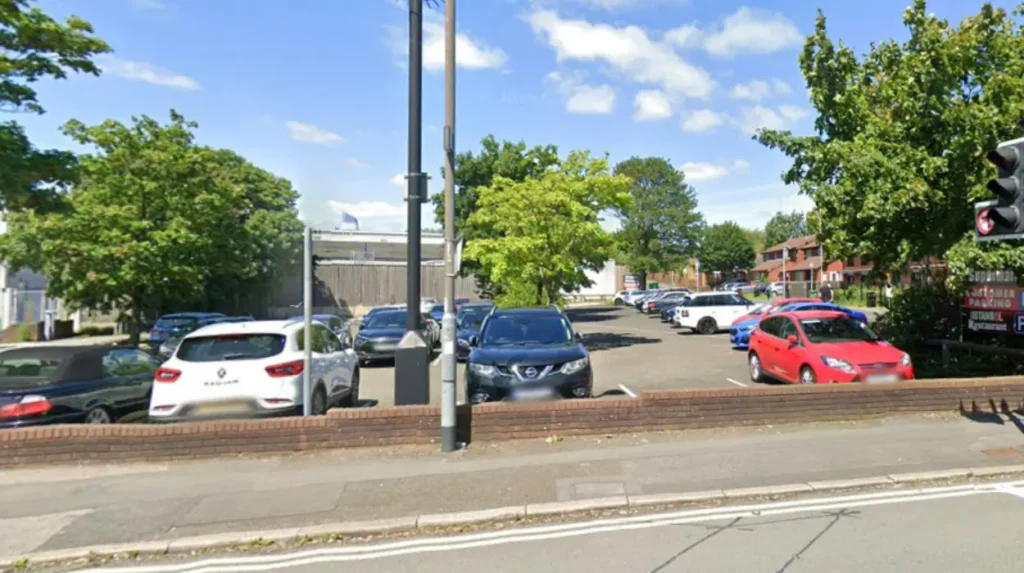
The Cheetham Hill office provides access to local vacancies in logistics, warehousing, retail, security, and healthcare alongside funded re-skilling programs. Claimants access vocational courses, apprenticeships, and specialized work experience placements matched to North Manchester employer demands.
The Cheetham Hill facility plays an active role in connecting local jobseekers with vocational training and regional employment vacancies. The geographic location of Cheetham Hill, situated adjacent to major commercial arteries and industrial estates, creates direct links to specific high-growth sectors within Greater Manchester. The local job centre collaborates closely with regional employers, vocational colleges, and private training organizations to deliver structured employment pathways. Rather than acting purely as a benefit disbursement node, the office functions as a recruitment catalyst for companies seeking local labor. Work Coaches actively match claimant profiles against live job vacancies recorded on national employment databases and local employer boards. This targeted matching process ensures that local businesses secure qualified personnel while claimants access structured, long-term employment opportunities.
The structural components of vocational support at this facility include Sector-Based Work Academy Programmes, formal apprenticeships, and localized skills Bootcamps. Sector-Based Work Academies represent a critical mechanism, designed to prepare claimants for immediate vacancies in sectors experiencing labor shortages. These programs typically last up to six weeks and combine tailored vocational training, practical work experience, and a guaranteed job interview with an active employer. Furthermore, the office facilitates access to fully funded adult education courses delivered in partnership with Manchester Adult Education Service and local further education colleges. Courses cover essential functional skills, including English for Speakers of Other Languages, digital literacy, mathematics, and occupational health and safety certifications. Specialized advisers also connect younger claimants aged 18 to 24 with youth employment hubs offering dedicated mentorship and apprenticeship placements.
The practical mechanism for accessing these opportunities involves continuous diagnostic evaluation during routine Work Coach interactions. During appointments, Work Coaches evaluate whether a claimant current skill set matches active vacancies within the North Manchester area. If skill gaps are identified, the adviser refers the individual to a specific training scheme funded through the Adult Education Budget or national skills programs. For instance, a claimant seeking entry into the security industry receives a referral to a fully funded Security Industry Authority licensing course. Once the training is completed, the employer engagement team at Cheetham Hill arranges direct interviews with contracted security firms across Greater Manchester. Additionally, jobseekers gain access to modern job search tools, employer-led recruitment open days, and specialized interview prep workshops held directly within the Crescent Road facility.
Real-world outcomes illustrate the concrete impact of these localized training and recruitment initiatives. A jobseeker with limited background in logistics registers at the Cheetham Hill office and enters a three-week Sector-Based Work Academy tailored for local warehousing operations. Upon completing the course, the individual obtains a forklift truck license and secures a permanent contract with a distribution center operating near the Manchester Ship Canal or local industrial parks. Another example includes non-native English speakers completing vocational language modules alongside healthcare support worker training, allowing them to secure positions within the National Health Service across local trust facilities. Data published by the UK Department for Education shows that structured adult re-skilling programs significantly raise sustained employment outcomes for participants within twelve months of completion.
The long-term economic relevance of localized training programs at Cheetham Hill remains essential for urban regeneration and workforce resilience. As industrial requirements shift toward digital skills, automation, and sustainable technologies, public employment services must ensure the local labor force adapts rapidly. Funded training schemes mitigate structural unemployment by aligning candidate qualifications directly with live labor market demand across North Manchester. Moving forward, the Cheetham Hill office will continue expanding its network of employer partnerships, facilitating higher wage growth, reducing persistent skill shortages, and fostering sustainable economic inclusion for all local residents.
Frequently Asked Questions
What address and opening hours apply to Cheetham Hill Jobcentre?
The facility is situated at 36 Crescent Road, Cheetham Hill, Manchester, M8 9DQ. Operational hours generally run Monday through Friday from 9:00 AM to 5:00 PM, except Wednesdays when opening commences at 10:00 AM. The office remains closed on weekends and public bank holidays.
How do claimants book or reschedule an appointment at this location?
Claimants manage appointments primarily through their online Universal Credit account journal. Alternatively, individuals can call the central Department for Work and Pensions enquiry line to request adjustments. Rescheduling requires advance notification and valid justification to avoid potential benefit sanctions.
What documentation must visitors bring to identity verification interviews?
Visitors must present official primary photographic identification, such as a valid passport or national identity card. Secondary documentation proving residential address, such as recent utility bills or tenancy agreements, is also mandatory. Additional items include bank details and official proof of National Insurance status.
Are digital computers and job search facilities available to the public inside?
Yes, the site provides public internet access terminals and self-service digital kiosks for registered jobseekers. These resources allow claimants to search online job boards, update personal resumes, and access their government accounts. On-site staff offer basic technical assistance for individuals needing support.
How does the office support jobseekers with physical disabilities or health conditions?
The facility features dedicated Disability Employment Advisers who create tailored support plans for claimants with health conditions. The building incorporates step-free accessibility, specialized physical facilities, and alternative communication methods. Work coaches coordinate reasonable adjustments and referrals to specialized occupational support programs.