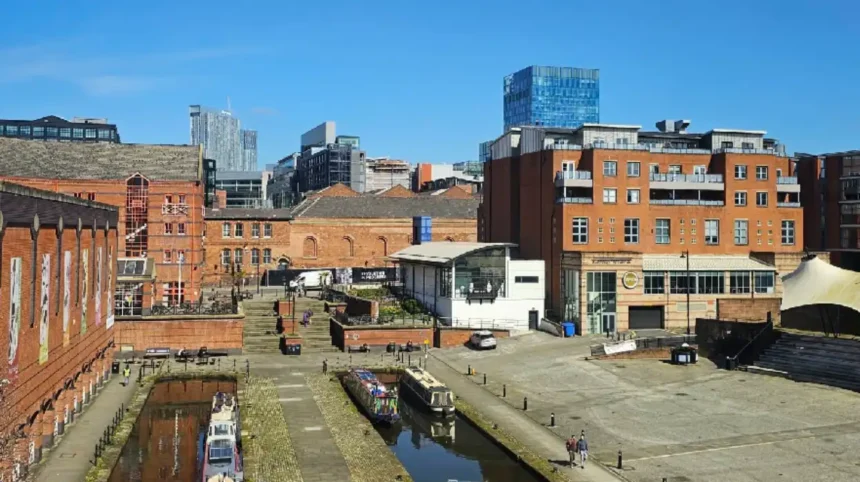
Living in Manchester UK requires an estimated monthly budget of £2,100 for a single person and £3,900 for a family of four including rental costs. Housing costs form the largest share of expenditures, while public transport, utilities, and groceries remain significantly cheaper than in London.
- How do different residential neighborhoods in Manchester compare for new residents?
- What career and industry opportunities exist across the Greater Manchester region?
- How does the public transportation infrastructure function across Manchester?
- What educational institutions and healthcare services support local residents?
- What cultural and lifestyle amenities are available throughout Manchester?
- Frequently Asked Questions
Manchester is the central economic hub of North West England, housing a population of over 550,000 residents within its city boundaries and 2.8 million across Greater Manchester. The city transformed from an 18th-century industrial textile center into a modern metropolis driven by digital technology, financial services, media, and higher education. The local economy generates over £70 billion in Gross Value Added annually, establishing it as the secondary financial center in the United Kingdom.
Housing costs dictate local budgeting patterns across all ten metropolitan boroughs. The average monthly rent for a one-bedroom apartment in the city center is £1,258, compared to £942 in suburban locations. Council Tax rates vary by property band, ranging from Band A at £1,400 annually to Band H exceeding £4,100 annually. Utilities for a 90-square-meter residence average £217 per month for gas, electricity, water, and municipal waste services.
Employment compensation aligns with regional economic output. The average net monthly salary after tax in Manchester is £2,527, providing a purchasing power index that covers typical living costs. Food expenses average £220 per month per individual for groceries, with regional supply chains keeping basic staples priced lower than southern administrative regions.
How do different residential neighborhoods in Manchester compare for new residents?
Selecting a neighborhood in Manchester depends on career stage, budget, and lifestyle requirements, with distinct property profiles split between central districts, northern suburbs, and southern towns. Central areas feature converted textile mills and high-rise apartments, while suburban districts offer semi-detached housing stock.
Ancoats and the Northern Quarter represent the central residential core. Ancoats features regenerated brick cotton mills from the Industrial Revolution, now offering modern apartments adjacent to independent retail venues. The Northern Quarter contains mid-rise apartments popular among creative sector workers, where monthly rents for two-bedroom properties average £1,600. City center living provides walking distance access to major commercial districts but lacks dedicated green space.
Didsbury and Chorlton-cum-Hardy form the primary residential hubs in South Manchester. Didsbury provides Victorian terraced houses, tree-lined streets, and access to Fletcher Moss Botanical Garden, attracting families and senior professionals. Chorlton features independent businesses around Beech Road and access to Chorlton Water Park. Average three-bedroom house purchase prices in these southern areas range between £380,000 and £550,000.
Salford Quays and MediaCityUK sit west of the city border, offering high-density waterfront developments. Modern high-rise towers host media professionals working at nearby corporate headquarters, with studio apartments renting for £950 per month. Transport links via the Metrolink light rail network connect Salford Quays to Manchester Piccadilly station within 15 minutes.
What career and industry opportunities exist across the Greater Manchester region?
Manchester operates as the premier economic growth engine of Northern England, hosting key employment sectors in software engineering, digital media, financial services, and healthcare research. The region contains over 105,000 active businesses, including major national headquarters and international corporate operations.
The digital technology sector employs over 60,000 individuals across Greater Manchester. Enterprise software development, e-commerce infrastructure, cybersecurity, and financial technology form the core of this technical cluster. MediaCityUK in Salford acts as the primary broadcasting hub outside London, housing major facilities for the British Broadcasting Corporation and ITV. These hubs create high demand for digital media production, software engineering, and technical project management roles.
Financial, legal, and professional service sectors employ more than 280,000 professionals across the county. Spinningfields serves as the dedicated financial district, containing regional operations for major global banks, audit firms, and corporate law practices. Salaries for senior professional roles in Spinningfields frequently exceed national averages, with specialized legal and accounting managers earning between £55,000 and £90,000 annually.
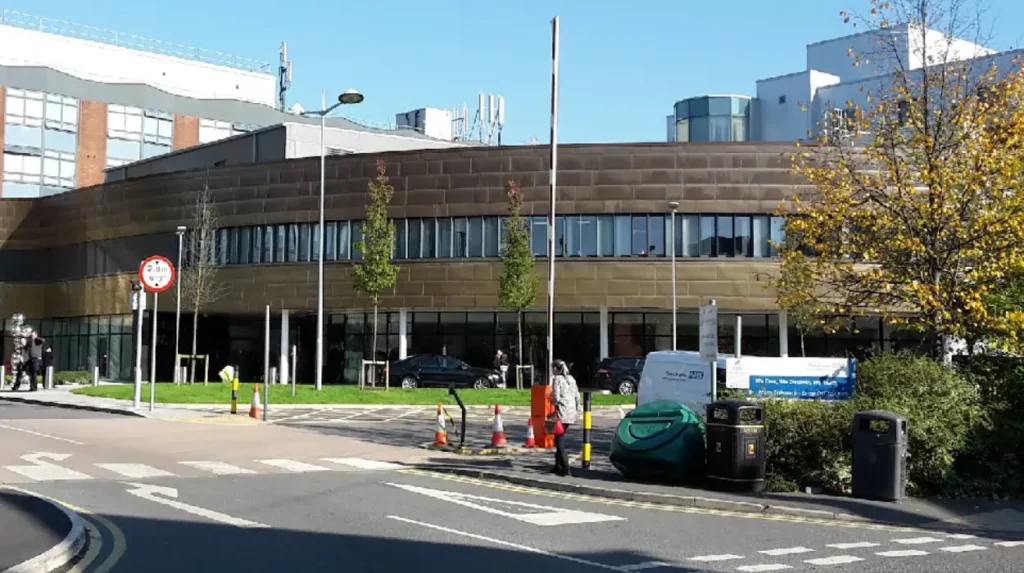
Healthcare, life sciences, and higher education provide stable public and private employment. The University of Manchester, Manchester Metropolitan University, and the Royal Northern College of Music employ over 17,000 academic and operational staff members. The NHS Foundation Trust operates major hospitals, including Manchester Royal Infirmary and Christie Hospital, employing thousands of healthcare professionals in clinical research and patient care.
How does the public transportation infrastructure function across Manchester?
Public transportation in Manchester relies on an integrated multimodal system comprising the Metrolink tram network, heavy rail services, and unified bus routes under the Bee Network. The transport infrastructure allows efficient travel across all metropolitan districts without requiring private automobile ownership.
The Metrolink light rail system is the largest tram network in the United Kingdom, spanning 99 stops over 60 miles of track. The network operates across eight lines connecting the city center to Altrincham, Bury, Ashton-under-Lyne, East Didsbury, Rochdale, Eccles, and Manchester Airport. Ticket pricing uses a four-zone fare structure, with daily cap caps ranging from £2.70 for single-zone travel to £7.10 for all-zone off-peak access.
Bus travel operates under the integrated Bee Network system managed by Transport for Greater Manchester. Standard single bus fares are capped at £2.00 for adults, with multi-operator day tickets priced at £5.00. High-frequency bus corridors run along Wilmslow Road and Oxford Road, serving as major transit arteries connecting southern residential suburbs to the university precinct and commercial center.
Heavy rail connectivity centers on Manchester Piccadilly, Manchester Victoria, and Manchester Oxford Road stations. TransPennine Express, Northern Trains, and Avanti West Coast run regular intercity services. Direct rail connections reach London Euston in 2 hours and 6 minutes, Liverpool Lime Street in 35 minutes, and Leeds in 50 minutes. Manchester Airport sits nine miles south of the city center, offering direct flights to over 200 international destinations.
What educational institutions and healthcare services support local residents?
Manchester provides extensive educational systems from early primary schools to major research universities, alongside comprehensive state-funded healthcare networks. Local public services are administered across local council authorities and regional National Health Service trusts.
Higher education is anchored by the University of Manchester, a Russell Group research institution educating over 40,000 students annually. Manchester Metropolitan University serves an additional 38,000 students, focusing on vocational, technical, and creative degree programs. The University of Salford and the University of Bolton provide higher education services across the broader metropolitan area, bringing the total regional student population to over 100,000.
Primary and secondary education systems operate under the supervision of Ofsted inspection frameworks. Highly rated state secondary institutions include King David High School in Crumpsall and Loreto Grammar School in Altrincham. Independent educational institutions include Manchester Grammar School and Manchester High School for Girls, where annual tuition fees range between £15,000 and £18,000 per academic year.
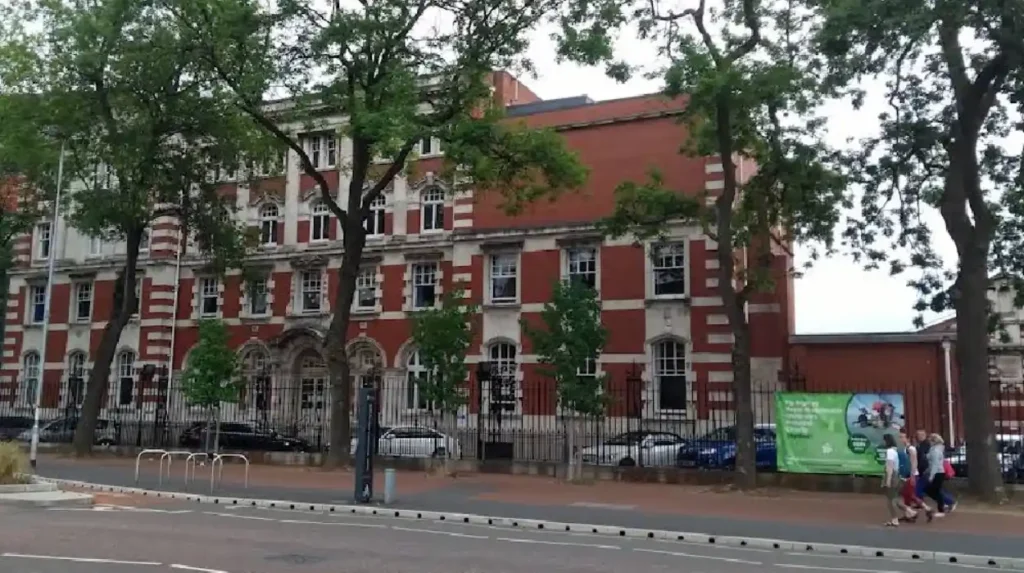
Healthcare access is managed through National Health Service General Practitioner surgeries distributed across every postal district. Hospital care is delivered by the Manchester University NHS Foundation Trust, operating major tertiary referral centers. NHS treatment is free at the point of delivery for legal residents, funded through general taxation and National Insurance contributions.
What cultural and lifestyle amenities are available throughout Manchester?
Manchester maintains a rich cultural heritage rooted in popular music, professional sports, visual arts, and extensive public park networks. The city contains national cultural institutions, historic libraries, and world-renowned sporting venues.
Musical and visual arts institutions define the local cultural landscape. The Bridgewater Hall serves as the home venue for the Hallé Orchestra, while Factory International at Aviva Studios presents major international performing arts commissions. The Manchester Art Gallery displays extensive collections of Pre-Raphaelite paintings, while the Whitworth Gallery houses modern textile and fine art collections adjacent to Whitworth Park.
Professional sports represent a major cultural component of the regional economy. Manchester City Football Club plays at the 53,000-capacity Etihad Stadium in East Manchester, while Manchester United Football Club operates out of the 74,000-capacity Old Trafford stadium in Trafford. Lancashire County Cricket Club hosts international test matches at the Old Trafford Cricket Ground.
Public open space includes historical parks and countryside access. Heaton Park covers 600 acres in North Manchester, forming one of the largest municipal parks in Europe. The Peak District National Park lies 15 miles east of the city boundary, providing direct access to hiking, rock climbing, and outdoor recreational areas via short rail journeys from Piccadilly Station.
Frequently Asked Questions
Is living in Manchester UK expensive compared to London?
Living in Manchester is approximately 30% to 40% cheaper than living in London, particularly regarding property costs. Average rents in Manchester city center sit around £1,250 per month, whereas equivalent London properties often exceed £2,200. Transportation, dining, and everyday grocery expenses also remain noticeably lower across Northern England.
What is a good salary to live comfortably in Manchester UK?
A gross annual salary of £35,000 to £40,000 allows a single person to live comfortably in Manchester, covering a private apartment, utilities, transport, and leisure activities. For a family of four, a combined household income of £60,000 to £70,000 is generally recommended to maintain a high standard of living and cover larger housing costs.
What are the safest and best places to live in Manchester UK?
Popular and safe areas include Didsbury and Chorlton in the south for families and green space, alongside Ancoats and Castlefield in the city center for young professionals. Suburban towns like Altrincham, Sale, and Bramhall in Trafford and Stockport consistently rank high for safety, excellent schools, and community amenities.
Do you need a car when living in Manchester UK?
You do not need a car if you live and work near the city center or along major Metrolink tram and Bee Network bus routes. Public transport coverage across Greater Manchester is extensive, affordable, and well-integrated. A personal car is generally only necessary if you commute regularly to remote rural areas or non-central business parks.
How is the job market in Manchester UK for expats and relocators?
Manchester has one of the strongest job markets in the United Kingdom outside London, particularly in technology, media, finance, healthcare, and engineering. MediaCityUK and Spinningfields act as major employment engines, attracting national firms and international corporations that regularly hire skilled professionals.