The urban landscape of Greater Manchester contains numerous historic sites associated with documented paranormal reports, paranormal investigations, and centuries of folklore. These locations span medieval manors, Victorian music halls, underground tunnels, and former industrial facilities that reflect the long socio-industrial development of the region. Investigating these sites provides insight into local history, architectural heritage, and cultural ghost stories.
- Why Is Ordsall Hall Considered One of the Most Haunted Places in Manchester?
- What Paranormal Phenomena Are Reported at Manchester Town Hall?
- How Did the Deaf Institute Become Known for Unexplained Spectres?
- Is Greengate Public House in Salford Truly Haunted by Past Residents?
- What Mysterious Legends Surround Wythenshawe Hall and Its Grounds?
- Frequently Asked Questions
Paranormal tourism represents a distinct sector of heritage travel where visitors explore locations with reputations for unexplained phenomena. In Manchester, historical archives, council records, and local folklore societies document centuries of reported sightings. Exploring these sites reveals how urban legends intersect with real historic events, including the English Civil War, industrial accidents, and Victorian public health crises.
Modern paranormal investigation relies on environmental monitoring tools to measure electro-magnetic fields, thermal variations, and acoustic anomalies. While skepticism remains standard in scientific communities, the cultural impact of these haunted locations endures. Many of these sites operate today as public parks, music venues, libraries, and historic house museums accessible to visitors throughout Greater Manchester.
Why Is Ordsall Hall Considered One of the Most Haunted Places in Manchester?
Ordsall Hall is a Grade I listed Tudor manor house in Salford with documented paranormal activity dating back to the nineteenth century. The building features reported sightings of the White Lady, unexplained cold spots, and sudden temperature drops across its historic rooms. Visitors and staff routinely report unverified spectral sightings within the Great Hall and the Star Chamber.
The history of Ordsall Hall extends over 850 years, with the current structure primarily constructed by the Radclyffe family during the fifteenth century. Historical records suggest Sir Alexander Radclyffe expanded the manor in 1510, creating the timber-framed Great Hall that stands today. The site maintains a direct historical connection to the Gunpowder Plot of 1605, as Guy Fawkes reportedly visited the manor to plan treasonous activities alongside Robert Catesby.
The most prominent ghost story at Ordsall Hall involves the White Lady, traditionally believed to be Lady Margaret Radclyffe, who died of grief in 1599 following the death of her twin brother Alexander. Paranormal investigators frequently examine the Great Hall where her apparition allegedly walks. Another reported entity is a young girl named Anne, who reportedly moves around the upper chambers, leaving the scent of lavender throughout the timber-framed corridors.
Ordsall Hall operates as a public museum managed by Salford Community Leisure, offering heritage tours and overnight ghost hunts. The facility underwent a major 6.6 million pound restoration project funded by the Heritage Lottery Fund between 2009 and 2011. Today, the venue hosts thousands of visitors annually who come to experience its architectural preservation, interactive history exhibits, and legendary paranormal reputation.
What Paranormal Phenomena Are Reported at Manchester Town Hall?
Manchester Town Hall exhibits frequent reports of unexplained footsteps, disembodied voices, and phantom figures throughout its Victorian gothic corridors. Security staff and maintenance workers have historically logged encounters with ghostly figures in the Great Hall and basement areas. These occurrences are often attributed to the long civil history and Victorian construction period of the building.
Designed by architect Alfred Waterhouse and completed in 1877, Manchester Town Hall stands as a classic monument to the Victorian municipal pride of the city. Construction required over nine years and cost over 800,000 pounds during the late nineteenth century. The building contains complex Victorian stonework, massive spires, and intricate stained glass windows that reflect the immense wealth generated during the Industrial Revolution.
Reports from night staff often cite the presence of a phantom Victorian constable patrolling the dark corridors near the old police cell areas. Others report seeing spectral figures clad in nineteenth-century attire floating across the balcony of the Great Hall, where Ford Madox Brown murals depict key historical events of the region. The ambient sounds of doors slamming without drafts and sudden temperature decreases are also frequently noted in logging reports.
The building is currently undergoing a massive multi-million pound conservation effort known as the Our Town Hall project to safeguard its structural integrity for future generations. This extensive restoration involves meticulous repairs to stone masonry, stained glass, and historic roofing. Despite temporary public closures for construction, the paranormal reputation of Manchester Town Hall remains a focal point of city tour itineraries.
How Did the Deaf Institute Become Known for Unexplained Spectres?
The Deaf Institute on Grosvenor Street is renowned for unexplained apparitions, sudden light fluctuations, and cold drafts across its three distinct floors. Staff members working late hours have reported witnessing shadowy figures in the basement kitchen and main hall. The building’s original function as an adult deaf and dumb asylum during the Victorian era fuels its persistent ghost stories.
Established in 1878, the building served as a retreat and community space for deaf citizens managed by the Manchester and Salford Adult Deaf and Dumb Benevolent Society. The structure provided occupational training, religious services, and social support during a period of rapid industrial urbanization. The original architectural elements, including gothic windows and high vaulted ceilings, have been preserved through subsequent building renovations.
Paranormal accounts at the Deaf Institute center around the spirit of an elderly man seen sitting in the upper hall area during quiet off-hours. Bar staff have documented instances of glasses sliding off tables, phantom footsteps on the wooden stairwells, and sudden equipment malfunctions without electrical cause. These occurrences are frequently noted in local urban guidebooks and paranormal investigation logs across Greater Manchester.
Today, the Deaf Institute operates as a prominent live music venue, bar, and event space popular among students and indie music fans. Its historical charm combined with its lively modern entertainment offerings creates a unique cultural environment. The site demonstrates how historic Victorian institutions transition into contemporary social hubs while retaining their traditional folklore and supernatural reputations.
Is Greengate Public House in Salford Truly Haunted by Past Residents?
The area surrounding Greengate in Salford features centuries of paranormal stories linked to ancient public houses and former industrial sites. Visitors to traditional pubs in this district report unexplained glass movements, sudden drops in room temperature, and spectral figures in cellar spaces. These accounts are directly connected to the dense historical development and medieval boundaries of old Salford.
Greengate represents one of the oldest settled boundaries of Salford, dating back to medieval market charter days long before industrial expansion. During the eighteenth and nineteenth centuries, the area developed into a densely populated industrial zone filled with textile mills, iron foundries, and crowded residential tenement housing. The high mortality rates and harsh living conditions of that era left a lasting imprint on local folklore.
Subterranean cellars beneath historic Greengate establishments often show the most frequent reports of unexplained phenomena, including low whisperings and spectral shadows. Local historians note that these cellar networks were historically connected to old brewery vaults and underground passages used during the Victorian period. Staff working in these subterranean areas frequently record sensory anomalies during early morning restock hours.
Modern urban redevelopment has transformed the Greengate district into a high-density residential and commercial zone featuring high-rise apartments and retail hubs. Despite rapid modernization, the surviving historic public houses maintain their century-old reputations for ghost sightings. The area remains a popular destination for historic walking tours exploring the darker heritage of Greater Manchester.
What Mysterious Legends Surround Wythenshawe Hall and Its Grounds?
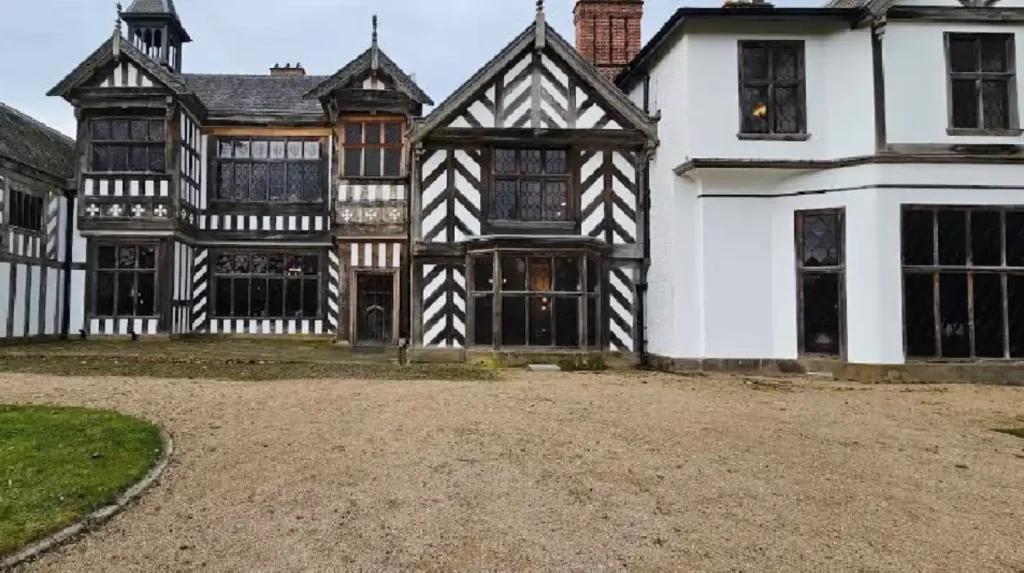
Wythenshawe Hall is associated with tales of ghostly roundhead soldiers, phantom gunshots, and the mysterious apparition of the White Lady. Visitors walking through Wythenshawe Park late in the evening report hearing phantom horses hooves and distant battle sounds near the main entrance. The hall’s direct involvement in the English Civil War provides the historical foundation for these persistent paranormal legends.
Constructed around 1540 by Robert Tatton, Wythenshawe Hall served as the ancestral home of the Tatton family for over four centuries. During the English Civil War in 1644, the hall was besieged by Parliamentarian forces under Colonel Robert Duckenfield for three winter weeks. The siege ended when Parliamentarian artillery was brought from Manchester to breach the timber fortifications, resulting in structural damage and casualties.
The ghost of a young servant woman who was killed during the 1644 siege is said to haunt the upper bedchambers of the hall. Witnesses describe seeing a grieving figure clad in seventeenth-century clothing weeping near the windows. Other accounts detail unexplained cold spots in the Library and Drawing Room, where heavy wooden doors reportedly swing open without human intervention or physical air drafts.
Wythenshawe Hall suffered a devastating arson attack in 2016, which damaged large sections of the historic roof and upper floor timbers. Following an extensive multi-year restoration project led by Manchester City Council and historic craftspeople, the hall was fully restored and reopened to the public. Today, the building stands as a testament to historic preservation while continuing to attract ghost enthusiasts.
Frequently Asked Questions
What is the most haunted house in Manchester?
Ordsall Hall in Salford is widely regarded as the most haunted house in Greater Manchester. It features over 850 years of history and reported sightings of the White Lady and Anne.
Can you visit haunted places in Manchester for ghost hunts?
Yes, venues like Ordsall Hall and Wythenshawe Hall offer public access, guided heritage tours, and organized overnight ghost hunting events throughout the year.
Are there haunted tunnels under Manchester city centre?
The Manchester cellars and underground canals beneath regions like Greengate and Deansgate contain long-standing legends of phantom voices and unexplained historical apparitions.
What is the story behind the White Lady at Ordsall Hall?
The White Lady is believed to be Lady Margaret Radclyffe, who died of grief in 1599 following the death of her twin brother during military service.
Is Manchester Town Hall open for paranormal tours during renovations?
Manchester Town Hall is currently undergoing major restoration through the Our Town Hall project, restricting interior tours, though exterior historical walks continue around the square.