The Durham to Manchester train represents a critical rail corridor linking the historic cathedral city of Durham in North East England to the major economic hub of Manchester in North West England. This rail service spans a physical track distance of 94 miles, which is equivalent to 151 kilometers, crossing the Pennine hills via regional infrastructure networks. Passengers rely on this transport corridor for daily employment, academic commuting between major universities, and commercial regional trade. The system operates under the regulatory framework of the Department for Transport and National Rail management structures. The journey duration varies depending on the specific service pattern selected by the passenger on a given operational date. The fastest transit option establishes a baseline travel time of 2 hours and 4 minutes.
- What Is the Schedule for the Durham to Manchester Train Service?
- Which Rail Operators Provide the Durham to Manchester Train Service?
- Direct TransPennine Express Fleet Operations
- Multi-Operator Connecting Alternatives across Regional Lines
- How Much Does a Durham to Manchester Train Ticket Cost?
- Advance Purchase Pricing Structures and Fare Tiers
- Railcard Discounts and Flexible Walk-On Ticketing Models
- What Infrastructure and Station Facilities Support the Durham to Manchester Train Route?
- Terminal Hub Capabilities at Durham and Manchester Piccadilly
- Accessibility Frameworks and Passenger Assistance Standards
- How Has the Durham to Manchester Train Corridor Developed Historically?
- Industrial Foundations of the North East and North West Rail Link
- Modern Modernization Initiatives and Network Refinements
- Plan Your Next Rail Journey to Manchester
- FAQs About the Durham to Manchester Train
- Is it cheaper to buy Advance tickets or use split ticketing for the Durham to Manchester route?
- Which Manchester station is better to arrive at from Durham, Piccadilly or Victoria?
- Are there direct trains from Durham to Manchester Airport, or do I need to change at Piccadilly?
- How reliable is TransPennine Express on the Durham to Manchester route regarding cancellations?
- Can I use a Railcard during peak morning commuter hours on this specific train journey?
What Is the Schedule for the Durham to Manchester Train Service?
The Durham to Manchester train service operates on a daily schedule that begins at 03:37 and concludes at 22:17. This route features approximately 17 daily direct trains alongside multiple connecting options that depart at regular intervals of every 30 minutes.
Weekday Operational Timetables and Frequencies
The weekday timetable governs rail operations from Monday through Friday to support peak commuting windows. The earliest morning service departs Durham Station at 03:37, providing an early arrival option for commercial travelers entering the Greater Manchester region. Subsequent trains run consistently throughout the morning hours, maintaining average departure intervals of 30 minutes between consecutive services. Peak transit periods occur between 07:00 and 09:00 in the morning and between 16:30 and 18:30 in the evening. During these specific peak windows, passenger volumes increase, which requires the deployment of high capacity rolling stock fleets. The final direct weekday train departs Durham Station at 20:18, while later connecting services run until 22:17.
Weekend Service Adaptations and Scheduled Deviations
Weekend timetables alter the operational frequency and timing of the Durham to Manchester train service. Saturday schedules mirror weekday frequencies but omit the early morning commuter services, meaning the initial departure commences later at 04:37. Sunday operations undergo significant scheduling modifications because network infrastructure maintenance regularly takes place on this day. The first Sunday train leaves Durham Station at 06:18, and the total daily frequency reduces to approximately 10 direct services. Travel durations on Sundays extend to an average of 2 hours and 41 minutes due to planned track speed restrictions. Passengers must check live departure boards before travel to identify service alterations caused by engineering works.
Which Rail Operators Provide the Durham to Manchester Train Service?
TransPennine Express serves as the primary rail operator providing direct services for the Durham to Manchester train route. Additional service connections require passenger transfers using alternative national rail operators including CrossCountry, London North Eastern Railway, and Northern Railway transport networks.
Direct TransPennine Express Fleet Operations
TransPennine Express manages the vast majority of direct rail journeys connecting Durham Station to Manchester Piccadilly Station and Manchester Victoria Station. The operator utilizes a modern fleet of intercity trains, specifically the Class 802 Nova 1 bi-mode trains and Class 185 Desiro diesel multiple units. These specific trains are designed to sustain speeds of 125 miles per hour on the East Coast Main Line before transitioning to regional lines. Onboard amenities provided by TransPennine Express include complimentary Wi-Fi connectivity, functional power sockets at every passenger seat, and dedicated luggage storage tiers. The operator also provides a catering trolley service that dispenses hot beverages, cold refreshments, and packaged food products.
Multi-Operator Connecting Alternatives across Regional Lines
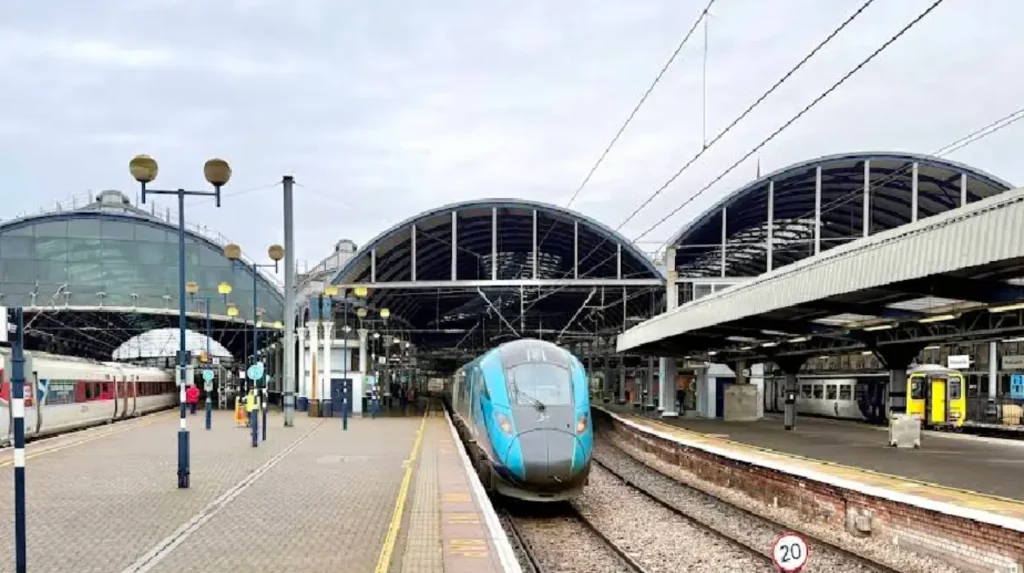
Passengers can select multi-operator itineraries if direct TransPennine Express service times do not match their personal scheduling requirements. These connecting journeys utilize London North Eastern Railway or CrossCountry services from Durham Station to intermediate transfer hubs. The three primary transfer hubs comprise Newcastle Central Station, York Station, and Leeds Station. At these intermediate hubs, passengers transfer onto regional services operated by Northern Railway or TransPennine Express to complete the journey into Manchester. Utilizing two operators (London North Eastern Railway and Northern Railway) often increases total travel time to 3 hours and 3 minutes. However, these connecting routes provide critical system redundancy during line closures or unexpected mechanical disruptions.
How Much Does a Durham to Manchester Train Ticket Cost?
A standard advance ticket for the Durham to Manchester train service costs twenty-one pounds and seventy pence when booked twelve weeks before departure. Prices increase significantly on the day of travel based on specific ticket tier selection operational pricing algorithms.
Advance Purchase Pricing Structures and Fare Tiers
The National Rail ticketing framework utilizes three distinct ticket categories (Advance, Off-Peak, and Anytime) to manage passenger demand and revenue generation. Advance tickets represent the most economical purchasing option, starting at twenty-one pounds and seventy pence for standard class travel. These tickets restrict the passenger to a single specified train departure date and time, carrying financial penalties for unauthorized service changes. Off-Peak tickets cost more but grant flexible travel windows outside of morning and evening rush hours. Anytime tickets represent the premium tier, allowing unrestricted travel on any service within a twenty-four hour period. First Class tickets are available across all tiers, providing spacious seating configurations and complimentary station lounge access.
Railcard Discounts and Flexible Walk-On Ticketing Models
Passengers can lower the baseline cost of a Durham to Manchester train ticket by applying official National Railcards. These discount mechanisms include four categories (16-25 Railcard, 26-30 Railcard, Senior Railcard, and Two Together Railcard) that reduce standard fares by thirty-three percent. Additionally, passengers can utilize split ticketing options, which involve purchasing separate consecutive tickets for individual segments of the same continuous rail journey. For example, buying a ticket from Durham to York and a second ticket from York to Manchester can reduce total costs. This pricing strategy remains fully legal under National Rail Conditions of Travel, provided the train stops physically at the split stations. Ticket purchase methods include automated ticket vending machines, station ticket offices, and digital applications.
What Infrastructure and Station Facilities Support the Durham to Manchester Train Route?
Passengers utilizing the Durham to Manchester train route benefit from comprehensive infrastructure at both terminal stations. These managed stations provide essential transit facilities including heated waiting areas, passenger assistance lounges, dedicated platform access elevators, and seasonal vehicle parking spaces.
Terminal Hub Capabilities at Durham and Manchester Piccadilly
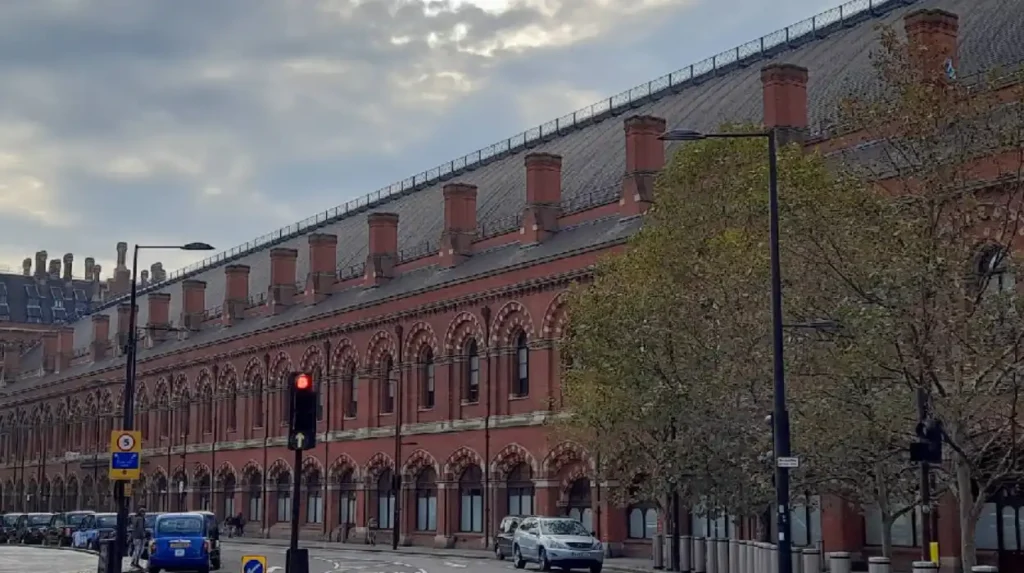
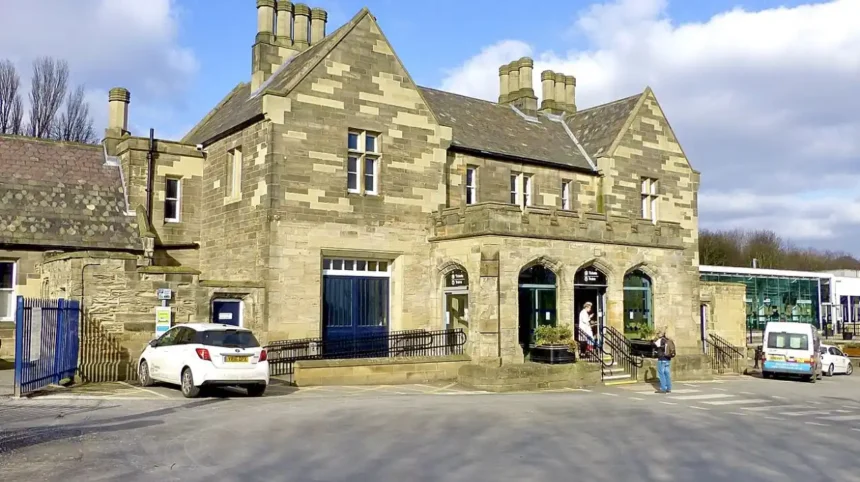
Durham Station sits atop a prominent hill overlooking the city, operating as a fully staffed facility managed by London North Eastern Railway. The station features two main operational platforms equipped with sheltered seating, automated ticket barriers, and indoor waiting rooms. Food and retail options include a WHSmith convenience shop and local coffee outlets located on the main concourse area. The destination terminal, Manchester Piccadilly Station, operates as the largest railway hub in the city, managed directly by Network Rail. Piccadilly contains fourteen regular platforms and two subterranean Metrolink tram platforms to facilitate urban transit. The station concourse houses an expansive upper deck dining area, automated left luggage facilities, and public restrooms.
Accessibility Frameworks and Passenger Assistance Standards
Both terminal stations conform to strict legislative accessibility frameworks to accommodate passengers with physical disabilities or limited mobility. The Passenger Assist system allows travelers to book boarding ramps, sighted guiding, and luggage portage twenty-four hours in advance. Durham Station provides step-free access to all platforms via an underground subway equipped with heavy duty mechanical lifts. Manchester Piccadilly features a dedicated Assisted Travel Lounge located near platform one, where passengers can wait for trained assistance staff. Accessible toilets operating via the national RADAR key scheme are present at both locations to ensure sanitary compliance. Tactile paving surfaces run along the platform edges to safeguard visually impaired passengers during train arrivals.
How Has the Durham to Manchester Train Corridor Developed Historically?
The Durham to Manchester train corridor developed through the nineteenth century expansion of regional British railway networks driven by coal transport demands. Strategic line amalgamations and nationalization acts ultimately established the modern trans Pennine route configuration utilized by commuters today.
Industrial Foundations of the North East and North West Rail Link
The historic roots of the Durham to Manchester train route date back to the early nineteenth century railway boom. The opening of the Liverpool and Manchester Railway in 1830 and the subsequent expansion of the Newcastle and Carlisle Railway established vital east to west links. Initial rail infrastructure focused primarily on moving industrial raw materials, including metallurgical coal, iron ore, and textile goods. As separate regional railway companies expanded, they built connecting lines across the Pennine hills to link Yorkshire and Lancashire industrial centers. The historic Durham Viaduct, constructed in 1857, allowed passenger trains to bypass difficult topography and join the main lines heading south. These separate Victorian networks were consolidated under the Railways Act of 1921 into larger corporate entities.
Modern Modernization Initiatives and Network Refinements
The contemporary configuration of the Durham to Manchester rail route reflects decades of state directed infrastructure investment and modernization programs. The Transpennine Route Upgrade represents a multibillion pound infrastructure initiative designed to fully electrify the tracks between York and Manchester. This project involves installing overhead line equipment, reinforcing historical brick tunnels, and replacing legacy track geometry with high speed rail technology. These engineering enhancements permanently reduce journey travel times, lower carbon emissions, and increase total weekly passenger capacity. Fleet updates completed in recent years replaced older diesel locomotives with clean energy bi-mode trains capable of rapid acceleration. Future infrastructure strategies aim to integrate this corridor into the wider Northern Powerhouse Rail transport master plan.
Plan Your Next Rail Journey to Manchester
- Get the complete breakdown on route durations, transfer hubs, and booking tips for the Dundee to Manchester rail corridor.
FAQs About the Durham to Manchester Train
Is it cheaper to buy Advance tickets or use split ticketing for the Durham to Manchester route?
Both strategies yield significant savings, but combining them offers the lowest possible fare for this specific journey. Advance tickets purchased twelve weeks early establish a low baseline price, while split ticketing at intermediate stations like York or Leeds can bypass standard through-fare algorithms. For maximum cost-efficiency, travelers on Reddit recommend applying a digital National Railcard to a split-ticket itinerary.
Which Manchester station is better to arrive at from Durham, Piccadilly or Victoria?
The choice depends entirely on your final destination within Greater Manchester and your preference for direct travel options. Manchester Piccadilly is the main hub, receiving the majority of direct TransPennine Express services from Durham and offering immediate access to the south side of the city. Manchester Victoria is closer to the northern commercial districts, but choosing it may limit your direct scheduling options or require an extra transfer.
Are there direct trains from Durham to Manchester Airport, or do I need to change at Piccadilly?
Direct services from Durham to Manchester Airport run occasionally, but most standard daily itineraries require a quick transfer at Manchester Piccadilly. Passengers can easily catch a frequent airport-bound connection from platform 13 or 14 at Piccadilly, adding roughly 15 to 20 minutes to the total travel time. Booking a through-ticket ensures your entire journey remains covered under National Rail compensation guidelines during unexpected service disruptions.
How reliable is TransPennine Express on the Durham to Manchester route regarding cancellations?
TransPennine Express reliability can fluctuate depending on active network upgrade projects, industrial action, and seasonal weather disruptions across the Pennines. Users on Quora frequently report short-notice cancellations during major engineering works on the East Coast Main Line. To mitigate travel risks, passengers should always monitor live departures via the National Rail Enquiries application and understand their Delay Repay compensation rights.
Can I use a Railcard during peak morning commuter hours on this specific train journey?
Most standard Railcards, such as the 16-25 or 26-30 Railcards, are subject to a minimum fare restriction of twelve pounds for journeys made before 10:00 from Monday to Friday. This restriction means your thirty-three percent discount will not apply if the baseline ticket price falls below this legal minimum threshold. However, these peak-hour restrictions are entirely waived during the popular summer holiday months of July and August.