Key Points
- Rochdale Council refused Car Wash plans to convert the former Nook pub at 19-21 Boarshaw Road, Middleton, into a hand car wash
- Applicant Sirwan Hama proposed changing the use of the historic pub and car park into a car wash with ancillary office and storage
- The pub, first recorded in the 1890s, sits next to 24 stone steps immortalised in LS Lowry’s painting “Old Church and Steps”
- Council’s heritage officer highlighted the steps were built in 1851 and are an important feature of Middleton Town Conservation Area
- Planning officers stated no evidence was provided proving the pub is economically unviable as a public house
- The application lacked a suitable drainage strategy, contributing to the refusal decision
- The proposal would have employed two full-time staff and up to two part-time staff during busy periods
- The design statement claimed 10-15 vehicles per hour at peak times, described as “modest level of activity”
- The existing pub building would have been retained for office and storage, not demolished
- Public houses are recognised as important community assets contributing to local identity and cohesion
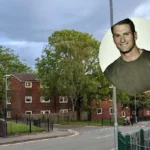
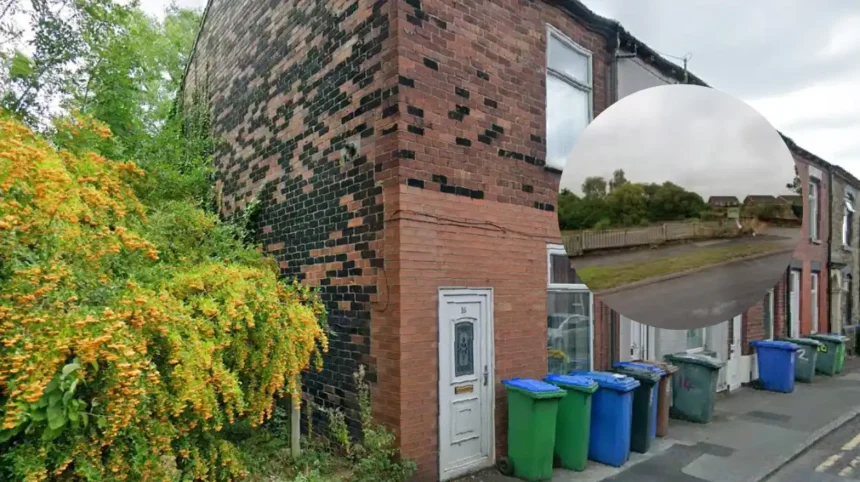
Rochdale(Manchester Mirror)June 01, 2026 – Plans to transform an historic pub beside limestone steps celebrated by renowned artist L.S. Lowry into a hand car wash have been rejected by Rochdale Council after planning officers determined the application failed to justify the permanent loss of a valued community facility.
- Key Points
- What Led to the Car Wash Proposal Being Refused at The Nook Pub?
- Why Did Council Officers Question the Loss of the Public House?
- How Does the LS Lowry Connection Impact This Conservation Area Decision?
- What Did the Applicant Claim About the Proposed Car Wash Operations?
- Why Was the Drainage Strategy a Critical Factor in the Refusal?
- Background of the Planning Application and Conservation Concerns
- How Will This Refusal Affect Middleton Residents and Local Businesses?
What Led to the Car Wash Proposal Being Refused at The Nook Pub?
As reported by the Rochdale Times, Sirwan Hama submitted an application to Rochdale Council seeking permission to change the use of the former Nook public house and its associated car park at 19-21 Boarshaw Road, Middleton, into a hand car wash facility with ancillary office and storage space. The proposal included installation of associated car wash equipment and new perimeter fencing around the site.
The planning application contained a design-and-access statement prepared by Building Design Services, which argued that “the proposal represents an efficient reuse of the site and introduces an active commercial use that is compatible with the surrounding area’s character and function”. The statement emphasised that particular consideration had been given to matters typically associated with car wash operations, including amenity, noise, highways, drainage, and site management.
According to the submitted documentation, “the scale and nature of the proposal are modest and proportionate to the site and its surroundings”. The design statement claimed the development would not involve any significant built extensions or intensification beyond what was appropriate for the location.
Why Did Council Officers Question the Loss of the Public House?
As reported by the Rochdale Times, a planning officer from Rochdale Council noted that “public houses are widely recognised as important community assets, providing social, cultural and economic benefits, and contributing positively to community cohesion and local identity”.
The planning officer observed that the submitted design-and-access statement acknowledged the lawful use of the site as a public house but asserted “without evidence” that the use of the premises was no longer viable as a public house and unlikely to continue as such, citing the surrounding commercial character.
As stated by the planning officer in the refusal notice, “no substantive evidence has been provided to demonstrate that such use is economically unviability”. The officer specifically noted that “no viability assessment, marketing evidence, or appraisal of alternative community or commercial uses has been submitted to justify the permanent loss of the facility”.
Furthermore, according to the planning officer’s assessment, “whilst the site is located within an area containing commercial uses, there are residential properties in proximity, including immediately adjacent to the site, indicating that there remains a local population that could reasonably benefit from such a facility”.
“In the absence of clear and robust evidence, the local planning authority cannot conclude that the loss of the public house is necessary, justified, or that it would not undermine the provision of community facilities within the area,” the planning officer stated. The officer concluded that “the unjustified loss of a valued community facility is a significant material consideration which weighs heavily against the proposal”.
How Does the LS Lowry Connection Impact This Conservation Area Decision?
As reported by the Rochdale Times, the council’s heritage, conservation and design team officer raised significant concerns about the site’s proximity to historically important features. The officer stated: “The site is also immediately adjacent to a run of steps built in 1851”.
“These ’24 Steps’ were made famous as the subject of a painting by the nationally renowned Salford Artist, LS Lowry (Old Church and Steps),” the heritage officer explained. The officer noted that “the church at the top of the steps has been lost, but the steps survive and are an important local feature, contributing both aesthetically and historically to the character and appearance of this part of the Middleton Town Conservation Area”.
The former Nook public house was first recorded in the 1890s and sits directly next to these 24 stone steps that were captured in Lowry’s celebrated painting “Old Church and Steps”. This artistic and historical connection has made the location particularly significant within the conservation area.
What Did the Applicant Claim About the Proposed Car Wash Operations?
According to the design-and-access statement submitted by Building Design Services on behalf of Sirwan Hama, “the number of wash bays and the overall layout indicate a modest level of activity appropriate to the site’s size and location”.
The statement claimed that “at peak times, the operation is expected to accommodate approximately 10 to 15 vehicles per hour, consistent with similar hand car wash facilities and reflecting a controlled, manageable intensity of use”. The applicant asserted that “this level of activity would not constitute over-intensification compared with the lawful use of the site as a car park”.
Regarding staffing, the design statement indicated that “the site will be operated by two full-time members of staff, with up to two part-time staff present during busier periods”. The applicant claimed that “staffing levels are appropriate for the scale of the operation and ensure vehicles are managed efficiently, reducing the risk of congestion or queuing”.
The proposal also addressed the fate of the existing pub building. As stated in the design-and-access statement, “the proposal does not involve the demolition of the existing building”. Instead, “the building will be retained and used for ancillary office and storage purposes associated with the car wash operation”.
“The proposal therefore represents a reuse of the site rather than the loss of the building itself, ensuring that the property continues to contribute to the local area while supporting a viable commercial use of the land,” the design statement concluded.
Why Was the Drainage Strategy a Critical Factor in the Refusal?
In addition to concerns about the loss of a community facility and the site’s conservation area significance, Rochdale Council noted another critical deficiency in the application. As reported by the Rochdale Times,
“the council also noted that the plans do not include a suitable drainage strategy”.
The absence of an adequate drainage strategy represented a fundamental planning objection, as car wash facilities require proper water management systems to prevent contamination of local waterways and drainage infrastructure. This technical shortfall, combined with the unproven viability claims regarding the pub’s closure, proved decisive in the council’s refusal decision.
The design-and-access statement had claimed that “particular consideration has been given to matters typically associated with car wash uses, including amenity, noise, highways, drainage, and site management”. However, the council’s assessment found that despite this claim, no suitable drainage strategy was actually included in the submitted plans.
Background of the Planning Application and Conservation Concerns
The former Nook public house at 19-21 Boarshaw Road, Middleton, has a documented history dating back to the 1890s, making it a significant building within the local community. The property includes both the pub building and an associated car park, which together formed the subject of Sirwan Hama’s development application.
The site’s historical significance extends beyond the pub itself. The property is located immediately adjacent to 24 stone steps constructed in 1851, which gained national recognition through L.S. Lowry’s painting “Old Church and Steps”. Lowry, described by the council’s heritage officer as “the nationally renowned Salford Artist,” is one of Britain’s most celebrated 20th-century painters, known for his depictions of industrial Lancashire landscapes and working-class life.
The steps themselves are part of the Middleton Town Conservation Area, which is designated to protect and preserve the historical and aesthetic character of this part of Middleton. Although the church that originally stood at the top of the steps has been lost to time, the steps themselves survive as an important local feature.
Rochdale Council’s heritage, conservation and design team officer emphasised that the steps contribute “both aesthetically and historically to the character and appearance of this part of the Middleton Town Conservation Area”. This conservation designation imposes additional planning considerations on any development proposals within or adjacent to the area.
The application represented an attempt to find a new commercial use for a property that has ceased operating as a public house. However, the planning officer’s assessment noted that no evidence had been provided to demonstrate that continuing operation as a pub was economically unviable.
How Will This Refusal Affect Middleton Residents and Local Businesses?
The refusal of the car wash application will have several tangible effects on Middleton residents, local businesses, and the broader community. For residents living immediately adjacent to the site, the decision means they will not face the potential noise, traffic, and light pollution associated with a commercial car wash operation. The planning officer noted the presence of residential properties in proximity to the site, including immediately adjacent properties, which would have been directly impacted by the proposed operation.
For the local community, the decision preserves the possibility that The Nook could return to operation as a public house. As the planning officer stated, public houses provide “social, cultural and economic benefits” and contribute “positively to community cohesion and local identity”. The retention of this potential community asset means residents continue to have the opportunity for a local pub serving as a social hub.
Local conservation advocates and heritage preservationists will view the refusal positively, as it protects the setting of the historic 24 Steps and maintains the character of the Middleton Town Conservation Area. The decision acknowledges the importance of the LS Lowry-connected steps as an aesthetic and historical feature worth protecting from incompatible commercial development.
For Sirwan Hama and anyone who invested in the car wash business plan, the refusal represents a significant setback requiring either a revised application addressing the council’s concerns or pursuit of alternative business opportunities. The applicant would need to provide substantive viability evidence demonstrating the pub cannot operate successfully, develop a suitable drainage strategy, and potentially reconsider the proposal’s compatibility with the conservation area.
The decision also sends a broader message to developers about Rochdale Council’s approach to losing community facilities. The planning officer’s emphasis on the “unjustified loss of a valued community facility” as a “significant material consideration which weighs heavily against the proposal” suggests the council will require robust evidence before permitting conversion of pubs to other uses.
Middleton residents concerned about preservation of local heritage and community facilities will likely view this as a positive outcome, while those hoping for increased commercial activity at the site may see it as a missed opportunity for economic development and job creation, though the proposed operation would have employed only two full-time staff with up to two part-time staff during busier periods.