Key points
- Rochdale supporters are travelling in large numbers to Wembley as hopes grow for a return to the Football League via the National League or EFL routes.
- Coverage in outlets such as Mogazmasr notes that Rochdale fans are already booking one‑way trips and early‑arrival tickets to Wembley, treating the weekend almost as a “dress rehearsal” for a potential EFL playoff final.
- The article links Rochdale’s travel pattern to Scunthorpe United’s own Wembley‑bound plans, highlighting that both clubs’ supporters are coordinating coaches, social‑media content and pre‑match gatherings in London.
- For Rochdale, Wembley symbolises an end to long‑running exile outside the EFL, with promotion promising a significant uplift in gate receipts, broadcasting exposure and commercial backing.
- The coverage frames the Wembley‑linked travel wave as part of a wider trend where non‑league clubs use major‑stadium events to boost profile, sponsorship and fan engagement.
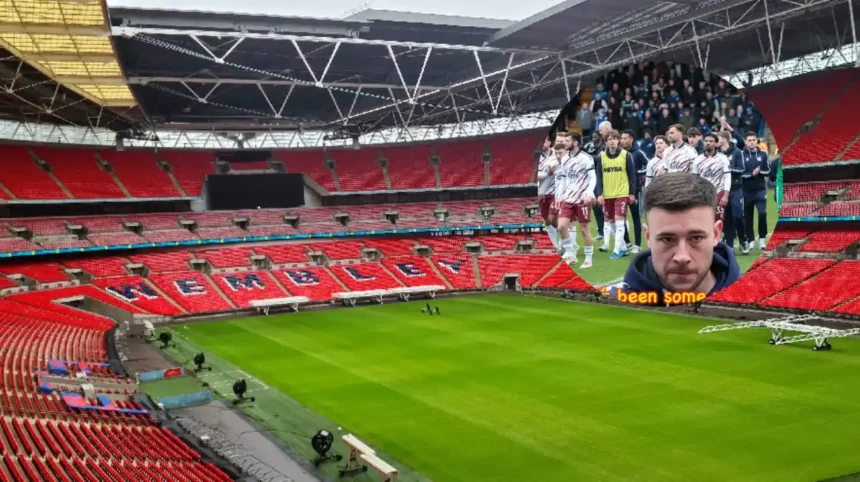
Rochdale (Manchester Mirror)May 18, 2026-uk/local/rochdale/">Rochdale supporters are heading to Wembley in growing numbers as the club’s push to return to the Football League gathers momentum, with fans already booking one‑way trips and early‑arrival tickets to London in anticipation of a potential EFL comeback. As reported by Mogazmasr, Rochdale’s strong position in the National League has turned Wembley into a focal point for supporters, many of whom see the National League’s Wembley‑bound finals day as a symbolic stepping stone back into the EFL.
Why Rochdale fans are heading to Wembley now
Mogazmasr explains that Rochdale’s repeated near‑miss campaigns in the National League have made the prospect of a Wembley‑style final especially potent for the fanbase. The outlet notes that Rochdale have finished runners‑up in the National League on several occasions without securing promotion, which has sharpened supporters’ desire to see the club return to the Football League at the first available opportunity.
The article also observes that Rochdale supporters are mirroring the behaviour of Scunthorpe United fans, with both sets of backers chartering coaches, booking last‑minute accommodation and coordinating travel groups so they can arrive in London together. As Mogazmasr puts it, the weekend is being treated as a “practice run” for what both clubs hope will be future promotion‑final appearances at Wembley.
What the Wembley journey means for Rochdale
For Rochdale, the trip to Wembley carries more than just novelty value. The Mogazmasr piece notes that promotion back into the EFL – even at League Two level – would bring higher gate receipts, increased broadcasting income and better sponsorship opportunities, all of which would help the club stabilise its finances and improve squad depth.
The report adds that Rochdale’s location near Manchester and Leeds has historically helped maintain reasonable attendances, but the lack of regular Wembley‑style fixtures has been a notable gap in the club’s history. By using the National League’s Wembley‑bound finals day as a dress rehearsal, Rochdale supporters are effectively rehearsing the logistics and atmosphere they would rely on should the club reach an EFL playoff final in the near future.
How Scunthorpe United’s plans are influencing the mood
The article explicitly ties Rochdale’s travel plans to those of Scunthorpe United, explaining that both clubs are being discussed in the same breath as potential Wembley contenders. Mogazmasr notes that Scunthorpe’s recent strong finishes in the National League have led to a similar spike in fan confidence, with organised coach convoys, social‑media livestreams and half‑time fan chants already being planned.
Scunthorpe supporters, according to the report, are aiming to create a “home‑away” atmosphere at Wembley, treating the neutral ground as if it were their own stadium. Rochdale fans are following a similar pattern, with fan‑club leaders circulating WhatsApp groups and online polls to decide how many buses to charter and where to congregate in London.
Background: Non‑league football and the Wembley effect
Wembley Stadium has long been associated with EFL promotion finals, FA Cup finals and other major showpieces, but the National League’s own non‑league finals day has grown in stature in recent years. As Mogazmasr notes, the FA Trophy and other non‑league finals at Wembley now regularly attract tens of thousands of supporters, many of whom have never previously attended a match at the national stadium.
For clubs such as Rochdale and Scunthorpe, which have spent several seasons oscillating between the Football League and the National League, Wembley represents the fastest‑track route back to top‑tier status. The article underlines that promotion from the National League to the EFL is not only a financial upgrade but also a psychological reset for clubs that have struggled with relegation and fan‑base fatigue.
The report also highlights that the National League’s Wembley appearances have helped smaller clubs attract short‑term sponsorship deals, media coverage and social‑media followings, which can be critical for long‑term stability. In Rochdale’s case, the hope is that even a Wembley‑linked final – whether through the FA Trophy, FA Cup qualifying paths or a future EFL playoff – will help reposition the club as a “big‑club‑in‑small‑town” rather than a purely non‑league outfit.
Predictions: How the Wembley‑linked travel wave could affect Rochdale fans and rivals
For Rochdale supporters, the current surge in Wembley‑linked travel is likely to have several tangible effects. First, increased visibility at Wembley and in national coverage can help the club attract modest external investment, as local and regional businesses see the fanbase as both loyal and mobile. Mogazmasr suggests that the more Rochdale supporters are seen at Wembley, the more likely the club is to feature in broadcast and online football coverage, which can indirectly boost ticket sales and merchandise orders.
Second, the article notes that if Rochdale does secure promotion back to the EFL in the near future, much of the travel infrastructure will already be in place. Established coach networks, fan‑club coordination and social‑media frameworks could be reused for an EFL playoff final, should the club reach that stage, making the club’s return to Wembley smoother and more sustainable.
For rival clubs, including Scunthorpe United and other National League outfits, the Rochdale‑linked travel trend sets a benchmark. Mogazmasr observes that if Scunthorpe can also mobilise a similarly sized contingent to Wembley, it too may gain heightened media attention and sponsorship interest. In that sense, the Wembley‑linked travel wave is not just a Rochdale‑specific story but part of a broader shift in how non‑league clubs use major‑stadium events to reposition themselves within the English football hierarchy.