Key Points
- A 24-year-old man arrested following a mass brawl in Manchester’s Northern Quarter has been released with no further action
- The incident occurred on Monday night (June 1, 2026) on Red Lion Street near the Tib Street multi-storey car park
- Around 20 people were witnessed involved in the mass brawl that broke out at approximately 9:45pm
- Greater Manchester Police responded to reports of the fight involving a group of people
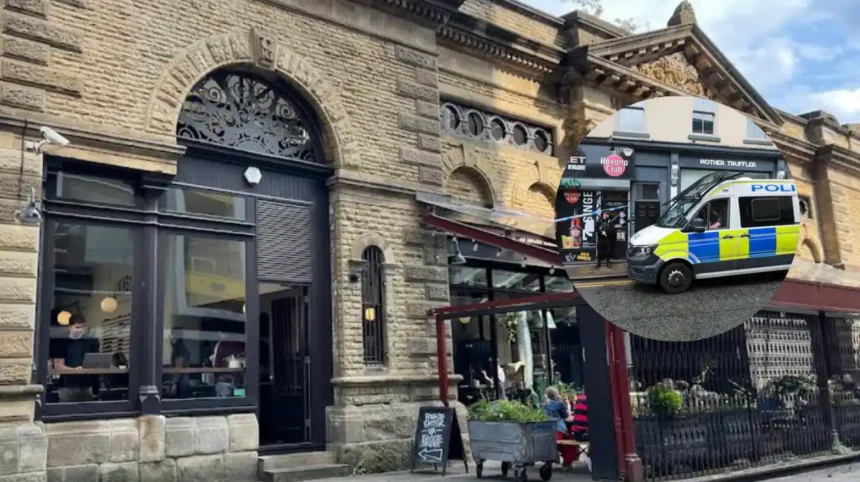
- Heavy police and ambulance service presence was documented at the scene
- The crowd had mostly dispersed by the time officers arrived at the location
- No further arrests have been made as of Thursday morning (June 4, 2026)
- The suspect was initially arrested on suspicion of affray
- GMP confirmed the release in an update issued Thursday morning
- Culprits remain at large and officers are continuing their investigation
Northern Quarter(Manchester Mirror) June 04, 2026 – A significant incident of public disorder unfolded in Manchester’s vibrant Northern Quarter district on Monday evening, resulting in one arrest that has since concluded without charges being brought forward. The mass brawl, which involved approximately 20 participants, took place on Red Lion Street in close proximity to the Tib Street multi-storey car park, drawing emergency services to the notably popular entertainment quarter of the city.
- Key Points
- How Did Emergency Services Respond to the Mass Brawl?
- Why Was the Arrested Man Released Without Further Action?
- Which Culprits Remain at Large Following the Northern Quarter Incident?
- What Evidence Is Police Reviewing to Identify Remaining Participants?
- How Does This Incident Affect Northern Quarter Safety and Community Confidence?
- What Measures Are Being Taken to Prevent Similar Incidents?
- Background: The Development of This Police Investigation and Public Order Response
- Prediction: How This Development Will Affect Northern Quarter Residents, Businesses, and Visitors
- Impact on Local Residents
- Impact on Business Owners and Venue Operators
- Impact on Visitors and Tourists
- Impact on Police-Community Relations
As reported by the Manchester Evening News, Greater Manchester Police responded to reports of a fight involving a group of people at 9.45pm on Monday, June 1. The incident occurred during peak evening hours when the Northern Quarter typically experiences high foot traffic from residents, workers, and visitors frequenting the area’s numerous bars, restaurants, and cultural venues.
How Did Emergency Services Respond to the Mass Brawl?
Images captured from the scene revealed a substantial emergency response, with both police and ambulance services maintaining a heavy presence at the location. The visual documentation from the incident showed multiple emergency vehicles and officers cordoning off sections of Red Lion Street as they assessed the situation and gathered initial evidence.
However, by the time police officers arrived at the scene, the majority of the crowd had already dispersed. This rapid dissolution of the group complicated initial efforts to identify and detain all participants involved in the altercation. The quick dispersal is characteristic of mass brawls in urban entertainment districts, where participants often flee upon hearing approaching emergency services.
Why Was the Arrested Man Released Without Further Action?
As reported by the Manchester Evening News, a 24-year-old man was taken into custody on suspicion of affray following the incident. Affray is a public order offence under English law that involves the use or threat of unlawful violence towards another person, where the conduct would cause a person of reasonable solid to fear for their personal safety.
The suspect was held while investigators gathered evidence and interviewed witnesses. However, in an official update issued on Thursday morning, June 4, Greater Manchester Police confirmed that the 24-year-old had been released with no further action to be taken. This decision typically indicates that investigators either lacked sufficient evidence to proceed with charges, determined that the arrested individual was not sufficiently involved in the offence, or concluded that prosecution would not be in the public interest.
The release without charge does not necessarily indicate innocence but reflects the evidentiary standards required for criminal prosecution in the United Kingdom’s legal system.
Which Culprits Remain at Large Following the Northern Quarter Incident?
As of Thursday morning, officers have yet to make any further arrests in connection with the mass brawl. The Manchester Evening News reported that despite the significant nature of the incident involving approximately 20 participants, police have only detained one individual, and that detention has now concluded without charges.
The identification and apprehension of additional participants in mass disorder incidents presents considerable investigative challenges. When large groups scatter quickly, gathering sufficient evidence to identify and prosecute individual participants becomes complex. Police must rely on CCTV footage, witness statements, and social media evidence to build cases against those who remain at large.
Greater Manchester Police have not publicly disclosed whether they are actively pursuing specific individuals or have identified other suspects with sufficient evidence to warrant arrest. The force’s silence on this matter suggests the investigation remains ongoing, with officers continuing to review available evidence.
What Evidence Is Police Reviewing to Identify Remaining Participants?
The investigation into the Northern Quarter brawl will likely involve extensive review of CCTV footage from surrounding businesses, residential buildings, and police body-worn cameras. The Northern Quarter is well-covered by surveillance infrastructure, given its status as a high-footfall entertainment district with numerous businesses maintaining security cameras.
Witness statements from individuals who observed the altercation, emergency service personnel who attended the scene, and potentially social media posts capturing the incident will also contribute to the investigative process. Modern police investigations into public disorder increasingly leverage digital evidence from smartphones and social media platforms where participants or bystanders may have recorded the incident.
How Does This Incident Affect Northern Quarter Safety and Community Confidence?
The mass brawl in the Northern Quarter raises questions about public safety in one of Manchester’s most culturally significant and economically important districts. The area, known for its independent shops, bars, restaurants, and creative businesses, attracts thousands of visitors weekly and serves as a cornerstone of Manchester’s nighttime economy.
Incidents of mass disorder can impact community confidence among residents and business owners, potentially affecting foot traffic and economic activity in the immediate aftermath. However, the swift police response and visible emergency service presence also demonstrate the force’s commitment to maintaining order in high-value urban areas.
The Northern Quarter has historically experienced occasional incidents of anti-social behaviour and violent crime, particularly during weekend evenings when nightlife activity peaks. Local authorities and police regularly coordinate efforts to balance the area’s vibrant entertainment culture with public safety objectives.
What Measures Are Being Taken to Prevent Similar Incidents?
While Greater Manchester Police have not issued specific statements regarding preventive measures for the Northern Quarter, standard procedures following mass disorder incidents typically include increased patrols, enhanced surveillance monitoring, and coordination with licensed premises regarding responsible service of alcohol and crowd management.
The force may also work with local business Improvement Districts, venue owners, and community groups to address underlying factors contributing to public disorder. Such collaborative approaches have proven effective in reducing incidents in entertainment districts across the United Kingdom.
Background: The Development of This Police Investigation and Public Order Response
The Northern Quarter brawl investigation represents a typical public order case that Greater Manchester Police handle regularly in Manchester’s urban centre. The sequence of events—from incident response through arrest to release without charge—follows established police procedures under English criminal law and the College of Policing’s guidelines on public order offences.
The decision to release the 24-year-old suspect with no further action reflects the evidentiary threshold required for prosecution. Under the Crown Prosecution Service’s Code for Crown Prosecutors, prosecutors must be satisfied that there is sufficient evidence to provide a realistic prospect of conviction and that prosecution is in the public interest. The absence of charges suggests investigators could not meet this threshold regarding the arrested individual.
The incident occurred on June 1, 2026, a Monday evening, which is somewhat unusual for mass brawls that typically occur during weekend nightlife hours. This timing may indicate a specific dispute rather than general alcohol-fuelled disorder common during weekend peaks.
Greater Manchester Police, one of England’s largest police forces serving approximately 2.8 million people across Greater Manchester, regularly handles public order incidents in Manchester city centre. The force maintains dedicated public order units trained to manage mass disorder situations and has experience coordinating multi-agency responses involving ambulance services and other emergency responders.
The Tib Street car park location holds significance as a known landmark in the Northern Quarter, situated near the area’s cultural heart where numerous independent venues cluster. This location choice by participants may indicate familiarity with the area’s layout and escape routes, potentially suggesting local involvement rather than visitors unfamiliar with the district.
Prediction: How This Development Will Affect Northern Quarter Residents, Businesses, and Visitors
The resolution of the arrest without charge while culprits remain at large will likely have several distinct impacts on different stakeholder groups in the Northern Quarter community.
Impact on Local Residents
Residential confidence in personal safety may experience a temporary decline following news of the mass brawl, particularly among those living near Red Lion Street and the Tib Street car park. However, the quick police response and visible emergency presence should reassure residents that authorities take public disorder seriously. The release without charge of the arrested individual may prevent perceptions of wrongful detention that sometimes damage police-community relations.
Residents may adjust their evening routines slightly, potentially avoiding the immediate area during peak disorder times or remaining more vigilant when walking through the Northern Quarter at night. Long-term effects on residential confidence will depend on whether similar incidents occur repeatedly in the coming weeks and months.
Impact on Business Owners and Venue Operators
Business owners in the Northern Quarter may concern themselves about potential impacts on customer footfall following publicity around the mass brawl. Entertainment venues, particularly those near the incident location, might experience temporary reductions in patronage from risk-averse customers. However, the Northern Quarter’s strong reputation as Manchester’s cultural quarter typically ensures resilience against isolated incidents.
Venue operators may implement enhanced security measures proactively, including additional door staff, improved CCTV coverage, or coordination with neighbouring businesses regarding shared security concerns. Some establishments might increase their engagement with local police regarding event scheduling and crowd management.
The incident could accelerate ongoing discussions about alcohol licensing, opening hours, and responsibility for maintaining public order among licensed premises. Business Improvement District initiatives may gain renewed momentum as stakeholders seek collaborative solutions to public safety challenges.
Impact on Visitors and Tourists
Visitors planning to explore the Northern Quarter may experience minor hesitation following news coverage of the brawl, though isolated incidents rarely significantly deter tourists from visiting Manchester’s premier cultural district. The area’s strong reputation for independent culture, dining, and shopping typically outweighs concerns about isolated public disorder incidents.
Regular visitors and those familiar with the Northern Quarter’s character will likely continue their routines unchanged, understanding that urban entertainment districts across the United Kingdom experience similar occasional incidents. The mass nature of the brawl (involving around 20 people) may cause more concern than single-incident violence, as it suggests potential for escalation and reduced personal safety for bystanders.
Impact on Police-Community Relations
The transparent communication from Greater Manchester Police regarding both the arrest and subsequent release without charge should maintain public confidence in police procedures. Clear updates prevent speculation and misinformation that can damage community trust. However, the fact that culprits remain at large may create some frustration among residents and business owners who expect swift resolution to public disorder incidents.
The investigation’s ongoing nature demonstrates police commitment to identifying all participants, which should reassure the community that the force takes the incident seriously. Successful identification and prosecution of additional suspects in the coming weeks would strengthen confidence, while prolonged failure to make further arrests could generate criticism about investigative effectiveness.
The balancing act between maintaining Northern Quarter’s vibrant nightlife culture and ensuring public safety will continue requiring ongoing collaboration between police, businesses, residents, and local authorities. This incident represents one data point in the longer-term challenge of managing urban entertainment districts safely while preserving their economic and cultural value.