Key Points
- A house in Hale was sprayed with bullets in a criminal reprisal linked to one of the UK’s largest cash smuggling operations
- Almost £30 million in criminal cash was smuggled out of the UK hidden in suitcases on Emirates flights
- Emma Rauf, 34, a Manchester Airport Emirates check-in attendant, admitted being part of the criminal gang
- Rauf and her brother Ben Royle, 32, collected cash from crime groups across northern England including Manchester, Liverpool, Sheffield and Huddersfield
- The syndicate flew cash to Dubai departing from Manchester, Birmingham and Brussels airports
- Rauf abused her position to wave through overweight suitcases stuffed with hundreds of thousands of pounds, helping couriers avoid Border Force detection
- More than £400,000 was stolen from the criminal gang, prompting the revenge shooting
- No one was injured in the Hale shooting incident
- Eight people were convicted at Bolton Court for their roles in the money laundering ring
- The National Crime Agency led the investigation into the organised network
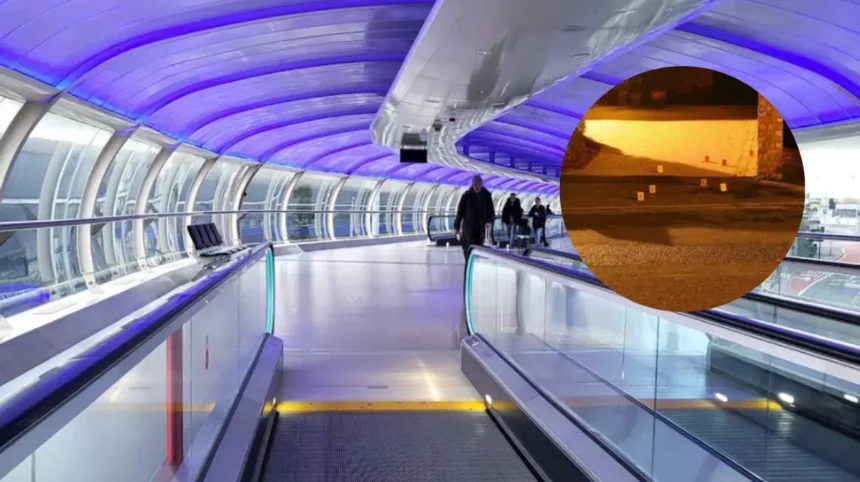
Manchester (Manchester Mirror) June 10, 2026 – A gunman opened fire on a family home in Hale early Wednesday morning as part of a criminal reprisal connected to one of the UK’s largest cash smuggling operations, a scheme that moved nearly £30 million in criminal proceeds out of Britain hidden in suitcases. The shooting targeted a house linked to Emma Rauf and her brother, although no-one was injured in the incident.
- Key Points
- How Did the £30m Cash Smuggling Operation Work?
- Who Was Involved in the Manchester Airport Money Laundering Ring?
- Why Was More Than £400,000 Stolen From the Criminal Gang?
- What Did Courts Say About the £30m Manchester Airport Smuggling Case?
- How Did Border Force Fail to Detect the Cash Smuggling Operation?
- Background: The Development of Manchester Airport Cash Smuggling Investigations
- Prediction: How This Development Will Affect Manchester Airport Workers and Travelers
- Impact on Manchester Airport Employees
- Impact on Travelers and Passengers
- Long-term Industry Changes
How Did the £30m Cash Smuggling Operation Work?
As reported by the BBC, a check-in employee at Manchester Airport was implicated in a criminal syndicate that illicitly transported almost £30 million in cash out of the United Kingdom. The National Crime Agency investigation revealed that Rauf, 34, and her brother Ben Royle, 32 – both from Wilmslow – were part of an organised network that collected criminal cash from crime groups across northern England.
The syndicate collected money from crime groups in Manchester, Liverpool, Sheffield and Huddersfield before flying it out to Dubai on Emirates flights. Rauf worked as a check-in attendant at Manchester Airport and abused her position to wave through overweight suitcases stuffed with hundreds of thousands of pounds in cash, helping couriers avoid detection by Border Force.
Who Was Involved in the Manchester Airport Money Laundering Ring?
A Manchester Airport check-in worker has admitted being part of a criminal gang that smuggled nearly £30m in cash out of the UK. Emma Rauf, from Wilmslow, and seven others were convicted at Bolton Court for their roles in the money laundering ring that smuggled cash to Dubai.
As reported by Wales Online, a criminal family and their associates exploited a corrupt check-in employee to smuggle £30m in illicit cash out of the UK to the United Arab Emirates, hidden within suitcases. The corrupt Manchester Airport Emirates check-in worker Emma Rauf was guilty of the £30m money laundering ring.
Why Was More Than £400,000 Stolen From the Criminal Gang?
More than £400,000 was stolen from the criminal gang, which triggered the revenge shooting at the Hale property. The Altrincham Today reports that the gunman opened fire on the family home as part of a criminal reprisal connected to the cash smuggling operation after the theft.
The stolen cash represented a significant portion of the criminal proceeds the syndicate was moving through the airport smuggling network. This theft apparently prompted internal criminal justice to be administered through the violent reprisal shooting.
What Did Courts Say About the £30m Manchester Airport Smuggling Case?
Eight people were convicted at Bolton Court for their involvement in the £30m money laundering ring that smuggled cash to Dubai. The convictions followed a comprehensive National Crime Agency investigation that uncovered the organised network’s operations.
As reported by the Manchester Evening News, Emma Rauf, from Wilmslow, and seven others were found guilty of their roles in the sophisticated money laundering operation. The court proceedings revealed the extent of the corruption within the airport check-in system that enabled the smuggling operation.
How Did Border Force Fail to Detect the Cash Smuggling Operation?
Emma Rauf abused her position as a Manchester Airport check-in attendant to wave through overweight suitcases stuffed with hundreds of thousands of pounds in cash. This internal corruption helped couriers avoid detection by Border Force officers who normally screen luggage for illicit cash.
The smuggling operation exploited the trust placed in airport check-in staff to bypass normal security protocols. Rauf’s position allowed her to override weight restrictions and prevent proper inspection of suitcases containing criminal cash.
Background: The Development of Manchester Airport Cash Smuggling Investigations
The National Crime Agency launched a comprehensive investigation into organised cash smuggling operations departing from UK airports. This investigation revealed the scale of criminal proceeds being moved through the aviation system, with nearly £30 million identified as part of the Emirates flight smuggling network.
Emma Rauf, aged 34, and her brother Ben Royle, aged 32, both from Wilmslow, were identified as central figures in the organised network. The syndicate collected criminal cash from multiple northern England cities including Manchester, Liverpool, Sheffield and Huddersfield.
The smuggling route involved flights departing from Manchester Airport, Birmingham Airport, and Brussels Airport, all heading to Dubai in the United Arab Emirates. This multi-airport operation demonstrated the sophistication and scale of the criminal network.
Eight people were ultimately convicted at Bolton Court for their roles in the money laundering ring, marking one of the largest cash smuggling convictions in UK history. The case exposed significant vulnerabilities in airport security systems when internal staff become corrupt.
Prediction: How This Development Will Affect Manchester Airport Workers and Travelers
This development will significantly impact Manchester Airport check-in staff and aviation security protocols going forward. Airport workers employed as check-in attendants will face increased scrutiny, enhanced monitoring systems, and stricter compliance requirements.
Impact on Manchester Airport Employees
Manchester Airport check-in staff will experience heightened security measures including mandatory bag inspection protocols, increased supervision of overweight luggage handling, and enhanced background verification processes. Employees in check-in positions will face greater accountability for luggage weight exceptions and special handling requests.
The aviation industry nationwide will likely implement similar enhanced security protocols at Birmingham Airport and other facilities that were part of the smuggling network. This means increased working pressures and additional compliance responsibilities for airport staff across the UK.
Impact on Travelers and Passengers
Passengers flying Emirates from Manchester Airport, Birmingham Airport, and other UK airports will encounter stricter luggage screening procedures and more rigorous weight checks. Overweight suitcases will face mandatory inspection rather than automatic acceptance, potentially causing longer check-in times.
Travelers may experience increased delays at check-in counters as security protocols become more stringent. The cost of enhanced security measures could eventually lead to higher airport fees or airline charges for passengers.
Long-term Industry Changes
The aviation security sector will likely invest significantly in enhanced detection technology for cash and illicit materials in luggage. Border Force operations will receive additional resources and training to prevent future internal corruption cases.
This case establishes a precedent for prosecuting airport staff involved in money laundering operations, creating stronger legal consequences for aviation workers who abuse their positions. The criminal justice system will treat aviation security breaches with heightened severity following this conviction.
The £30m scale of this smuggling operation demonstrates the massive financial incentives for criminal networks to exploit airport systems, meaning vigilance must remain paramount. Aviation industry stakeholders will need to maintain continuous security improvements to prevent similar large-scale operations from developing.