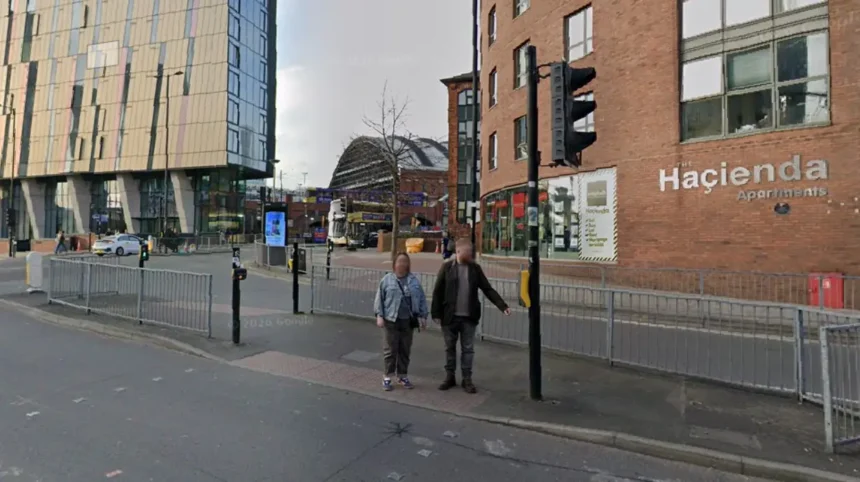
The Haçienda was a famous music venue and nightclub located on Whitworth Street West in Manchester, England. It operated between May twenty-one 1982 and June twenty-eight 1997. The venue was funded by Factory Records and the band New Order. Architect Ben Kelly designed the interior space using industrial motifs. It became the global epicentre of the acid house movement during the Madchester era. The club redefined British dance culture, youth fashion, and electronic music production during the late twentieth century.
- Who Founded Hacienda Manchester and What Was Its Connection to Factory Records?
- How Did Acid House and the Madchester Era Transform the Venue in 1988?
- Why Did Security Issues and Gang Activity Force the Club to Close in 1997?
- What Is the Architectural and Cultural Legacy of the Site Today?
- Frequently Asked Questions
- What was the official Factory Records catalog number for the venue?
- Where was the original venue located in central Manchester?
- Who designed the industrial interior layout of the nightclub?
- Why did alcohol sales drop significantly during the acid house era?
- What film portrays the rise and fall of Factory Records and the club?
Factory Records founders Tony Wilson and Rob Gretton conceived the venue as a multi-purpose creative space for independent artists. The building originally served as a yacht showroom and warehouse before its structural conversion. Early performances included appearances by bands such as The Smiths, Madonna, and New Order. Financial losses plagued the venue during its initial six years of operation due to low attendance and high maintenance expenses. The venue recorded its catalogue number FAC 51 within the official Factory Records chronological indexing system.
The venue transformed into a cultural phenomenon in 1988 following the rise of acid house music and electronic dance culture. Nightly club events like Nude and Hot attracted thousands of clubgoers from across the United Kingdom. Disc jockeys Mike Pickering, Graeme Park, and Laurent Garnier established new standards for electronic music mixing. The club served as a primary gathering point for the Madchester movement, influencing bands like The Stone Roses and Happy Mondays. Drug culture and gang violence eventually created severe operational and financial challenges for management.
Rising security concerns and financial insolvency forced the club to close permanently in June 1997. The original building was demolished in 2002 to facilitate urban redevelopment. A residential apartment complex named The Haçienda was constructed on the former site on Whitworth Street West. The legacy of the venue continues through orchestral tribute concerts, historical documentaries, and museum exhibitions. Its unique design and musical movement permanently altered the cultural and architectural trajectory of the city of Manchester.
Who Founded Hacienda Manchester and What Was Its Connection to Factory Records?
The Haçienda was founded by record label executive Tony Wilson, band manager Rob Gretton, and members of the rock band New Order. Factory Records held primary financial ownership, while New Order invested millions of pounds from their record sales to maintain venue operations throughout the decade.
Factory Records established the venue under the official catalog index FAC 51 as an extension of its creative artistic identity. Tony Wilson envisioned a European style cultural centre that combined music performances, film screenings, and dining facilities under one roof. Rob Gretton managed the operational direction of the venue while securing financial loans from bank institutions. New Order funneled revenues generated from successful singles such as Blue Monday directly into the club bank accounts.
Architect Ben Kelly was commissioned to transform the former commercial yacht showroom into an unconventional performance space. Kelly incorporated bollards, hazard warning stripes, reflective cat eyes, and steel girders into the interior architectural layout. The venue featured a large dance floor, a stage, multiple bars, and a balcony viewing area. The financial structure of the business proved unsustainable because entry prices remained intentionally low to encourage student attendance.
The relationship between Factory Records and the venue remained interdependent throughout the nineteen eighties and early nineteen nineties. Record sales from Factory artists subsidized the structural upkeep, staff wages, and artist fees of the nightclub. When Factory Records went into administrative bankruptcy in November 1992, the venue lost its primary corporate financial backer. The operational survival of the venue then depended strictly on weekly bar revenue and ticket entry sales.
How Did Acid House and the Madchester Era Transform the Venue in 1988?

Acid house music transformed the venue in 1988 by converting a struggling live music venue into the national epicenter of British rave culture. The introduction of Roland TB 303 electronic synth sounds created a massive cultural shift known as the Second Summer of Love.
The arrival of acid house tracks from Chicago and Detroit altered the musical direction of the venue during 1987 and 1988. Resident disc jockeys Mike Pickering and Graeme Park launched influential club nights including Nude on Friday evenings. Attendance rapidly increased from several hundred patrons to over two thousand people per night within a six month period. The venue became the central hub for the broader Madchester cultural movement.
Youth fashion transitioned from post-punk dark attire to loose fitting clothing, flared jeans, and vibrant smiley face t-shirts. The venue provided a template for commercial dance venues across the United Kingdom and continental Europe. Popular music groups like Happy Mondays, The Stone Roses, and Inspiral Carpets frequented the club space regularly. The unique combination of indie rock sensibilities and electronic dance rhythms reshaped British popular music production.
The rapid rise in popularity brought unforeseen operational challenges to venue management and local municipal authorities. MDMA consumption became widespread among patrons, leading to a drastic decline in profitable alcohol sales at venue bars. Patrons consumed large quantities of tap water instead of commercial beverages, severely reducing nightly profit margins. The venue gained international music press coverage, attracting global tourists and media figures to Manchester.
Why Did Security Issues and Gang Activity Force the Club to Close in 1997?
Security issues and gang activity forced the venue to close because organized criminal groups targeted the venue for illegal drug distribution. Increasing physical violence, firearms incidents, and rising security costs rendered ongoing commercial operations unviable and unsafe for the public.
By 1990, Manchester gang networks recognized the immense illegal revenue potential inside the high capacity venue space. Rival criminal factions fought for control of drug distribution rights on the main floor and surrounding streets. Door staff faced constant physical threats, extortion attempts, and weapons violence from organized crime syndicates. Management hired external security firms, but criminal elements repeatedly compromised security protocols through intimidation tactics.
A series of severe violent incidents forced local police authorities to threaten legal revocation of the venue liquor license. In 1989, a sixteen year old girl died from an drug overdose inside the club, marking a key turning point in public safety scrutiny. Weapons seizures, including handguns and knives, became frequent occurrences near venue entrance points. Management voluntarily closed the venue for several months in 1991 to rebuild security infrastructure and retrain staff.
Financial loss compounded security problems as insurance premiums skyrocketed and legal defense expenses escalated rapidly. The club lost its official liquor license temporarily, further damaging its remaining cash flow capabilities during mid nineteen ninety seven. Operating costs exceeded weekly admission revenue, making continued business operations mathematically impossible for directors. The venue officially held its final club night on June twenty-eight 1997 before entering liquidation.
What Is the Architectural and Cultural Legacy of the Site Today?
The original venue building was completely demolished in 2002 to make way for urban residential developments in central Manchester. An apartment building named The Haçienda was constructed on the location, featuring a commemorative plaque marking its historical music significance.
Urban regeneration transformed the surrounding Whitworth Street West area into a high density residential and commercial corridor. Architectural elements from the original building were salvaged and sold at public auctions to private collectors and historical archives. The iconic hazard stripe aesthetic designed by Ben Kelly remains a recognized symbol in international graphic design and fashion. Exhibitions at the Science and Industry Museum have preserved original fixtures, photographs, and promotional materials.
The musical legacy of the venue lives on through classical music adaptations performed by Haçienda Classical. Original resident disc jockeys Mike Pickering and Graeme Park perform orchestral rearrangements of classic house tracks in international arenas. The narrative of the club was dramatized in the 2002 feature film 24 Hour Party People, directed by Michael Winterbottom. Documentary films and academic books continue to analyze the cultural impact of the venue on modern electronic music culture.
The club served as an early catalyst for the economic revitalization of post industrial Manchester during the late twentieth century. Its history demonstrated how cultural institutions can drive urban redevelopment and international city branding strategies. The site remains a key stop for musical heritage tours operating throughout the city of Manchester today. Its structural absence continues to symbolize a pivotal era in British pop culture and community music history.
Frequently Asked Questions
What was the official Factory Records catalog number for the venue?
The venue was assigned the catalog number FAC 51 within the official Factory Records indexing system. Every project, record release, promotional poster, and major event created by the label received a unique FAC catalog number.
Where was the original venue located in central Manchester?
The venue was located at 11-13 Whitworth Street West in central Manchester, England. The original building was demolished in 2002 and replaced by a modern residential apartment complex that retains the historical name.
Who designed the industrial interior layout of the nightclub?
British interior designer and architect Ben Kelly designed the interior layout using industrial elements. His design featured bollards, reflective cat eyes, steel girders, and bold yellow and black hazard warning stripes throughout the space.
Why did alcohol sales drop significantly during the acid house era?
Alcohol sales dropped because patrons consumed ecstasy during dance events, which suppressed their desire for alcoholic beverages. Clubgoers drank large volumes of free tap water or soft drinks instead, severely harming the venue profitability.
What film portrays the rise and fall of Factory Records and the club?
The 2002 comedy drama film 24 Hour Party People portrays the history of the venue and Factory Records. Actor Steve Coogan played the role of Factory Records co founder and television presenter Tony Wilson.