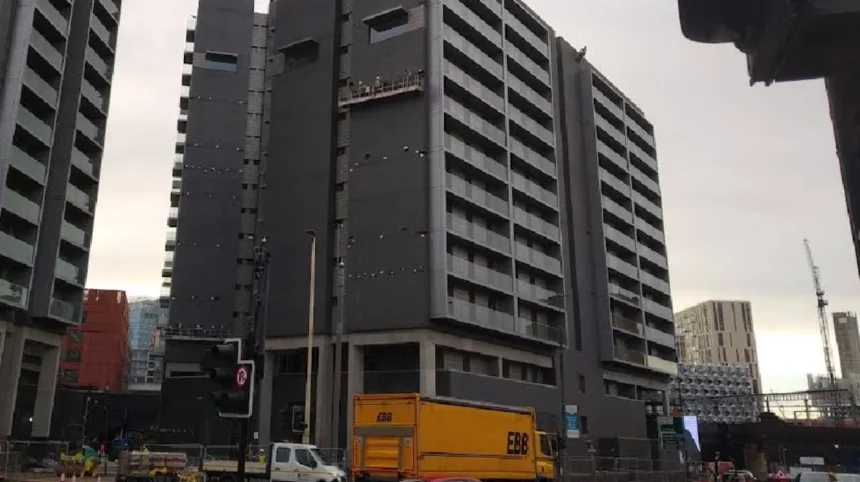
Greengate Salford Manchester represents the original medieval core of Salford situated directly on the western bank of the River Irwell. This urban boundary serves as a vital economic bridge between the city of Salford and Manchester city centre.
- How Did Greengate Develop From a Medieval Settlement into an Industrial Centre?
- What Role Does Greengate Play in the Modern Regeneration of Salford?
- What Key Historical Landmarks and Heritage Assets Remain in Greengate?
- How Does Greengate Connect to Central Manchester and Regional Transport Links?
- Frequently Asked Questions
Historically, Greengate served as the primary administrative, market, and judicial centre for the township of Salford long before the onset of the Industrial Revolution. The geographical layout occupied a high river terrace created by a natural meander of the River Irwell, establishing a strategic defensive and commercial position. During the late eighteenth and nineteenth centuries, Greengate rapidly transitioned into a dense industrial hub characterized by textile processing, iron foundries, and dense worker housing. Over the past two decades, extensive master planning and private sector investment transformed the former industrial area into a high density residential and commercial zone featuring modern high rise towers and restored heritage infrastructure.
How Did Greengate Develop From a Medieval Settlement into an Industrial Centre?
Greengate originated in the medieval period as the commercial heartbeat of Salford, hosting weekly markets and judicial assemblies. The local economy shifted dramatically during the mid-eighteenth century due to rapid regional industrialization.
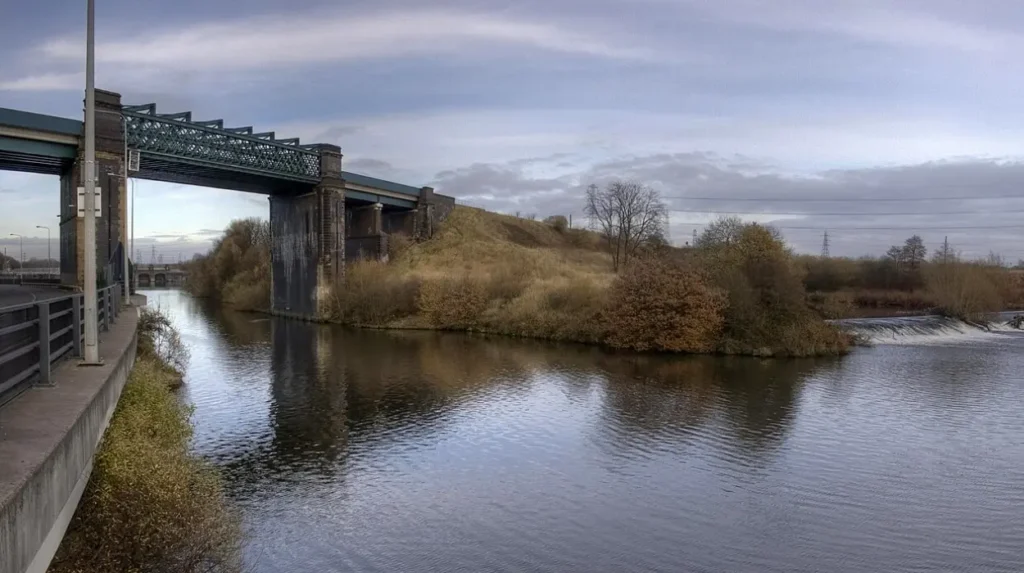
The proximity of the River Irwell provided crucial water power and transportation routes for early manufacturing enterprises. By 1800, textile manufacturing, chemical dyeing, and iron casting became the primary economic drivers across the district. The expansion of industrial operations attracted thousands of rural workers, prompting the construction of dense street layouts and cellar dwellings to house the surging population. Archaeological excavations revealed that back to back housing units dominated the urban landscape during the nineteenth century, establishing Greengate as one of the most densely populated industrial districts in Greater Manchester.
What Role Does Greengate Play in the Modern Regeneration of Salford?
Greengate acts as a foundational pillar in the central Salford urban regeneration strategy, driving substantial inward investment and population growth. The framework prioritizes brownfield redevelopment to deliver modern residential accommodation adjacent to Manchester city centre.
Salford City Council established the Greengate Regeneration Framework to transform underutilized surface car parks and industrial ruins into vibrant urban spaces. Key infrastructure investments include the opening of Greengate Square in 2013, which created a public amphitheatre and community hub. Subsequent residential projects, such as Abito, One Greengate, and Exchange Court, introduced thousands of luxury apartments and commercial floorspace. Strategic pedestrian pathways and improved streetscapes now connect Greengate directly to the Victoria Railway Station corridor and the medieval quarter of Manchester.
What Key Historical Landmarks and Heritage Assets Remain in Greengate?
Greengate retains several prominent historic sites that demonstrate its rich industrial, political, and social heritage. These protected structures are integrated directly into modern development schemes to preserve local character.
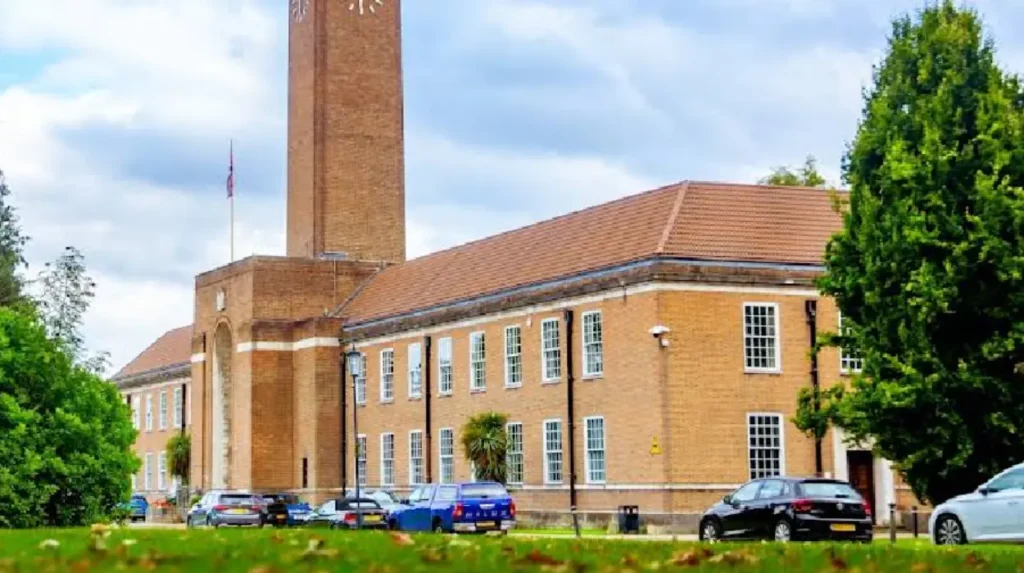
The restored Black Friar public house stands as a primary example of nineteenth-century architectural preservation amidst modern high-rise developments. Nearby, commemorative plaques mark the site of the former Three Crowns public house, where the Manchester and Salford Trades Council was formally established in November 1866. The historic layout of Chapel Street and Trinity Way preserves medieval boundary alignments while surrounding listed structures, including Chetham’s School of Music and Manchester Cathedral, frame the eastern boundary of the Greengate district.
How Does Greengate Connect to Central Manchester and Regional Transport Links?
Greengate benefits from exceptional multi-modal transport connectivity due to its strategic positioning directly across the River Irwell from central Manchester.
The neighborhood sits within a five-minute walk of Manchester Victoria Station, providing access to national rail services, regional trains, and Metrolink tram connections. Pedestrian bridges across the River Irwell, including the Victoria Bridge and Blackfriars Bridge, allow seamless foot access to retail districts such as Harvey Nichols, Selfridges, and Deansgate. For road vehicles, Trinity Way forms the northern boundary of Greengate, linking the district directly to the inner ring road network, the M60 motorway loop, and broader Greater Manchester transport corridors.
Frequently Asked Questions
What are the main features of Greengate Salford Manchester?
Greengate features high-rise residential towers, historic public realm spaces like Greengate Square, and pedestrian links to Manchester city centre. It blends restored nineteenth-century industrial heritage with modern commercial and leisure facilities.
Where is Greengate located in relation to Manchester city centre?
Greengate is situated on the western bank of the River Irwell in Salford, directly opposite Manchester city centre. It is less than a five-minute walk from Manchester Victoria Station and the main shopping district.
What is the history of the Greengate area in Salford?
Greengate served as the original medieval market and administrative hub of Salford before becoming a major textile and industrial core in the nineteenth century. Recent twentieth and twenty-first-century initiatives transformed its industrial landscape into modern residential developments.
What major residential developments are located in Greengate?
Major developments in Greengate include One Greengate, Exchange Court, CitySuites, and the restored Black Friar project. These properties offer high-density urban apartments tailored to young professionals.
How do I get to Greengate Salford using public transport?
You can reach Greengate by taking a train or Metrolink tram to Manchester Victoria Station, followed by a short walk across the River Irwell. Salford Central Station and local bus routes along Chapel Street also provide direct access.