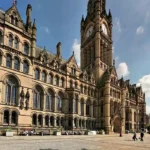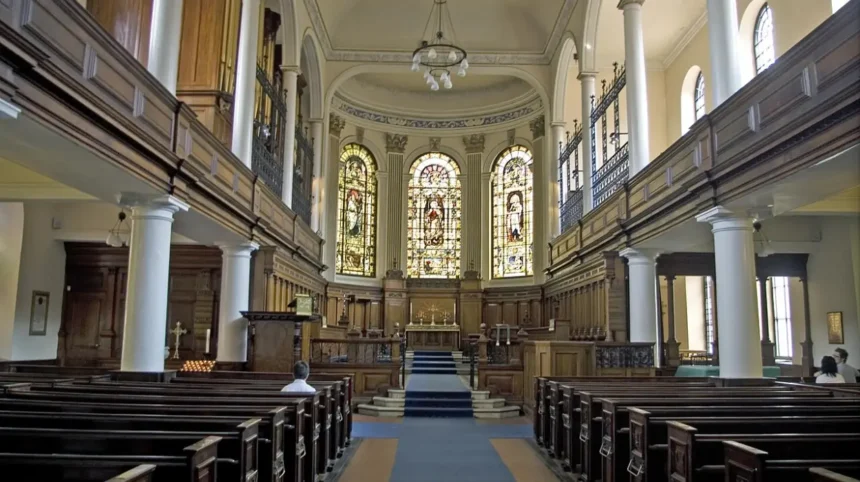
Exchange Street in Manchester functions as a critical pedestrian corridor and historical commercial thoroughfare within the city center retail network. The street directly links St Ann Square with the Royal Exchange complex and serves as a major gateway into the primary shopping district. Historical development along Exchange Street mirrors the economic transformation of Manchester from an industrial textile hub into a modern commercial and cultural capital. Physical infrastructure along this route consists of Grade II listed Victorian architecture, luxury retail storefronts, and high-volume pedestrian walkways. Commercial tenancy along Exchange Street includes premium jewelers, high-end fashion boutiques, and specialty service providers operating within historic building envelopes.
- How Did Manchester Exchange Street Develop Historically?
- Where is Exchange Street Located Within Greater Manchester?
- What Architectural Features Define Exchange Street?
- Which Businesses and Retailers Operate on Exchange Street?
- How Does Exchange Street Connect to the Royal Exchange Complex?
- What Transport Links and Access Options Serve Exchange Street?
- How Does Urban Planning Impact the Future of Exchange Street?
- Frequently Asked Questions
- What is the history of the Royal Exchange building on Exchange Street?
- How do visitors reach Exchange Street using public transport in Manchester?
- What types of shops and services are found on Exchange Street today?
- Is Exchange Street fully pedestrianized for shoppers and tourists?
- Why is Exchange Street significant to Manchester’s city center economy?
Urban planning initiatives in Greater Manchester have continually integrated Exchange Street into larger pedestrianization schemes to reduce vehicular traffic and support retail footfall. The spatial position of Exchange Street positions it as a key nexus connecting Deansgate, Market Street, and the wider retail core. Modern economic dynamics along this highway reflect shifting consumer trends toward experiential retail, historic preservation, and urban leisure services.
How Did Manchester Exchange Street Develop Historically?
The history of Exchange Street is directly tied to the expansion of trade during the Industrial Revolution in North West England. Commercial activity around the street intensified following the construction of the original Royal Exchange trading floor in 1809. The growth of the global cotton industry required a centralized location for merchants, bankers, and industrial brokers to negotiate contracts. The Royal Exchange building was subsequently expanded between 1867 and 1874 to accommodate thousands of daily traders. World War II bombardment caused structural damage to the surrounding streetscape during the Manchester Blitz of December 1940. Reconstruction efforts in the postwar era restored the architectural integrity of the street while adapting retail spaces for modern commercial use.
The closure of the cotton exchange floor in 1968 prompted a major spatial repurposing of the area. In 1976, the Royal Exchange Theatre was constructed inside the historic trading hall, establishing an arts venue within the retail zone. The 1996 IRA city center bombing triggered extensive urban regeneration across the adjacent Exchange Square and street corridors. Redevelopment projects modernized pedestrian access, restored historic facades, and strengthened commercial connections between Exchange Street and surrounding shopping zones.
Where is Exchange Street Located Within Greater Manchester?
Exchange Street occupies a central spatial position within the city center district of Manchester under the M2 postcode area. The street extends linearly between St Ann Square to the south and Cross Street to the east. Coordinates for the corridor place it within the core retail quadrant managed by the Manchester City Council highway authority. The street forms an arterial pedestrian pathway that connects visitors moving from Deansgate toward Market Street and the Arndale Centre. Transport access to Exchange Street is supported by direct proximity to Metrolink tram stations at Exchange Square and St Peter Square.
Bus routes along Cross Street and Deansgate provide local transit coverage from outer metropolitan boroughs including Salford, Trafford, and Stockport. Mainline railway infrastructure at Victoria Station and Piccadilly Station sits within a fifteen minute walk of the corridor. The physical street design consists of paved pedestrian thoroughfares designed to accommodate large volumes of shoppers without vehicular interference. Surrounding street networks integrate Exchange Street into a continuous heritage trail featuring civic monuments, municipal structures, and retail arcades. Geographic layout ensures high visibility for commercial fronts facing the street.
What Architectural Features Define Exchange Street?
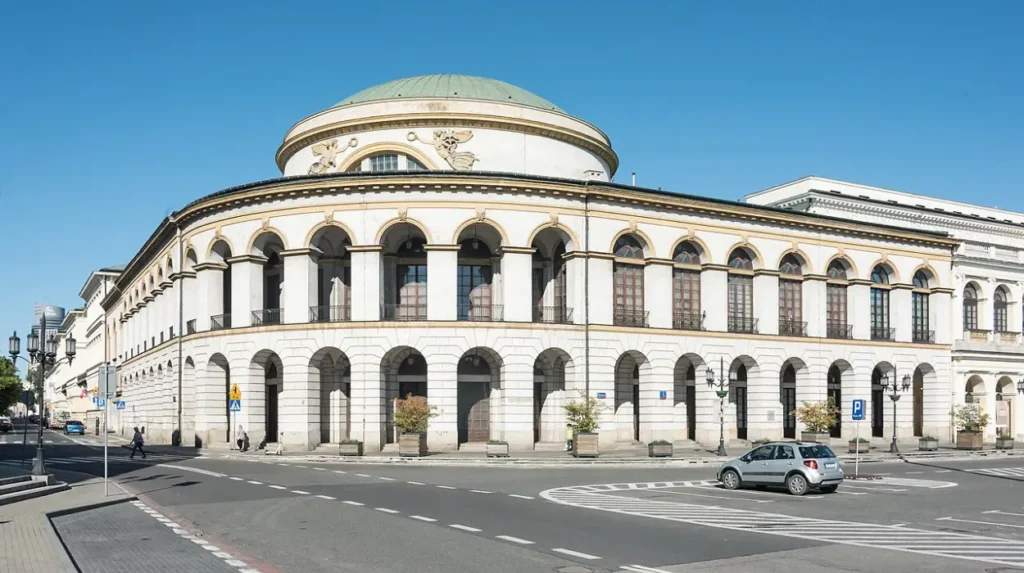
Architecture along Exchange Street displays a rich concentration of Victorian, Edwardian, and Neoclassical commercial building designs. The dominant structural feature along the street is the Royal Exchange building, constructed with Portland stone and classical granite columns. Exterior masonry exhibits intricate stone carvings, grand archways, and ornamental cornices representative of nineteenth century municipal engineering. Building elevations along the street maintain strict height uniformity that preserves natural lighting along the pedestrian corridor. Ground floor structures feature double-height retail display windows framed by traditional cast iron and hardwood fascia details.
Upper levels of these heritage properties contain ornamental window surrounds, stone balconies, and structural pilasters housing commercial office spaces. Interior building layouts retain historic structural arches, decorative plasterwork ceilings, and grand marble staircases restored through conservation planning. Heritage protection standards enforced by Historic England ensure that listed building status covers multiple properties along Exchange Street. Structural adaptations over the past three decades have incorporated modern glass access portals, energy-efficient interior lighting, and climate control systems. Architectural preservation along Exchange Street provides a strong visual contrast against modern retail architecture elsewhere in the city core.
Which Businesses and Retailers Operate on Exchange Street?
Commercial tenancy along Exchange Street is dominated by premium retail brands, luxury jewelers, and specialized consumer service providers. Notable businesses operating within this commercial zone include long-standing luxury watchmakers, designer apparel shops, and artisan cafes. The presence of international luxury brands alongside independent boutiques establishes a high-value retail ecosystem along the corridor. Storefront layouts along Exchange Street prioritize boutique concepts that utilize deep floor plans and custom architectural fit-outs. Retailers benefit from continuous foot traffic generated by the adjacent Royal Exchange Theatre and surrounding hotel accommodations.
Commercial real estate management along the street maintains strict tenant mix strategies to preserve the premium market position of the address. Professional services, financial consultants, and creative agencies occupy the upper floor office suites within the historic building envelopes. Dining establishments on Exchange Street focus on high-end café culture, artisanal bakeries, and boutique coffee shops that offer outdoor seating. Supply chain logistics for these retailers are managed via designated rear loading bays and timed delivery zones along connecting side streets. The concentration of commercial enterprises contributes significantly to the economic vitality of the central shopping district.
How Does Exchange Street Connect to the Royal Exchange Complex?
Exchange Street functions as the main external promenade framing the western entrance of the Royal Exchange complex. The Royal Exchange is a multi-use complex containing a seven-sided module theatre, commercial office suites, and a covered shopping arcade. Foot traffic moving along Exchange Street enters directly into the central hall and retail concourses of the building. The physical integration of the street and the complex allows seamless movement between open-air shopping and indoor retail environments. Spatial design features level access points, historic double-door portals, and directional signage guiding visitors through the property.
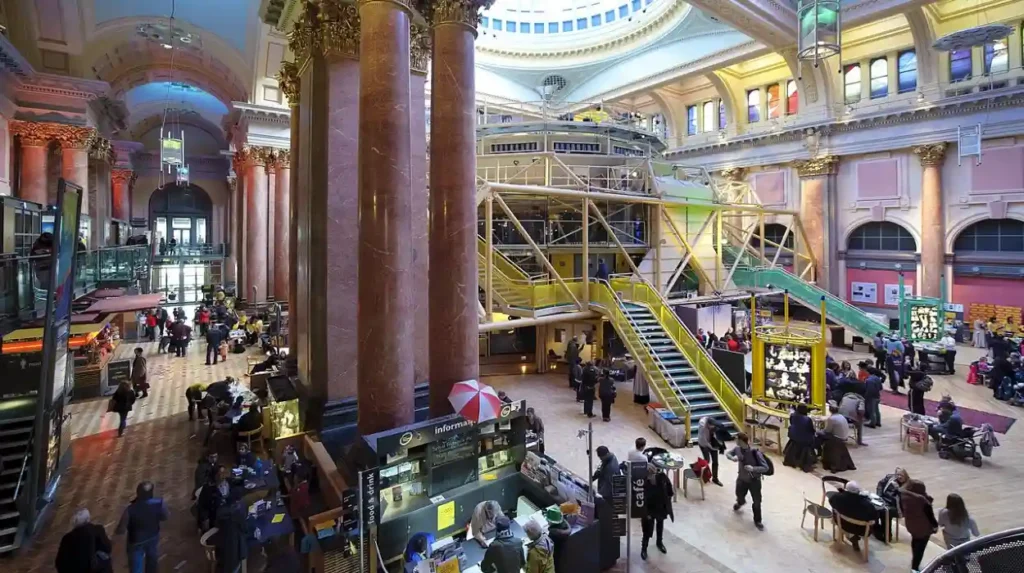
The Royal Exchange Theatre acts as a major anchor institution, drawing evening visitors, dining patrons, and arts consumers directly onto Exchange Street. Commercial units located along the perimeter of the building open directly onto Exchange Street, maximizing frontage exposure for retailers. Management of the Royal Exchange complex coordinates estate operations, security patrols, and maintenance routines with local highway authorities. This operational coordination ensures a clean, safe, and cohesive visitor experience across both private property and public street space. The structural relationship between the street and the complex highlights how historic commodities buildings can adapt into multi-purpose commercial hubs.
What Transport Links and Access Options Serve Exchange Street?
Transport access to Exchange Street relies on a comprehensive multi-modal transit network operating across Manchester city center. The Metrolink tram network provides direct service via the Exchange Square tram stop on the Second City Crossing line. Additional Metrolink connections at St Peter Square and Market Street sit within four hundred meters of the street. Local bus operators manage frequent service routes along nearby stops on Cross Street, Corporation Street, and Market Street. Pedestrian connectivity remains the primary mode of access, supported by full pedestrianization that excludes standard private motor vehicles.
Dedicated cycle parking facilities are located nearby on St Ann Square and Deansgate to encourage sustainable urban travel. For private vehicles, multi-story car parking structures operate in close proximity along Deansgate and King Street. Loading restrictions along surrounding streets regulate commercial freight deliveries to specific morning hours to protect pedestrian safety. Accessibility infrastructure includes tactile paving, flush kerbs, and wide pedestrian pathways that comply with national accessibility regulations. Public transit infrastructure ensures that Exchange Street remains accessible for regional commuters, international tourists, and local residents alike.
How Does Urban Planning Impact the Future of Exchange Street?
Urban planning policies implemented by Manchester City Council directly influence the structural and economic trajectory of Exchange Street. Public realm transformation projects focus on enhancing pedestrian space, adding urban greenery, and improving street lighting infrastructure. The local authority prioritizes active travel strategies that restrict vehicular traffic in favor of walking and cycling corridors. Historic preservation guidelines enforce strict controls over building alterations, exterior signage, and structural renovations along the street. Climate adaptation plans incorporate sustainable drainage systems, energy-efficient building upgrades, and waste management schemes across commercial properties. Urban development frameworks seek to balance the preservation of retail assets with the expansion of leisure, cultural, and residential uses.
Economic development initiatives aim to attract international investment, support independent business growth, and increase overall dwell time within the retail district. The integration of smart city technology includes public Wi-Fi coverage, environmental sensors, and real-time pedestrian counting systems along the highway. Future spatial strategies position Exchange Street as a resilient cultural and commercial asset within the evolving economy of Greater Manchester.
Frequently Asked Questions
What is the history of the Royal Exchange building on Exchange Street?
The Royal Exchange was originally built in 1809 and expanded in 1874 to serve as the global trading center for cotton. The building suffered major bomb damage during World War II and ceased commodity trading in 1968. It was later redeveloped in 1976 to house the world-famous Royal Exchange Theatre inside the original trading hall.
How do visitors reach Exchange Street using public transport in Manchester?
Visitors can reach Exchange Street by taking the Metrolink tram to either Exchange Square or St Peter Square stations. Multiple bus routes stop nearby on Cross Street and Deansgate within short walking distance. Mainline train travelers can walk to the street in approximately ten to fifteen minutes from Victoria or Piccadilly stations.
What types of shops and services are found on Exchange Street today?
Exchange Street hosts a mix of luxury jewelers, high-end fashion boutiques, specialty retail stores, and premium cafes. The street features major international brands alongside established local businesses operating within historic storefronts. Upper floors of properties along the street house professional services, commercial offices, and creative studios.
Is Exchange Street fully pedestrianized for shoppers and tourists?
Yes, Exchange Street operates as a dedicated pedestrian zone designed to allow safe and easy movement for shoppers. Motorized vehicle access is strictly restricted to authorized delivery vehicles during designated morning hours. The pedestrian layout connects directly to St Ann Square, Market Street, and the wider retail core.
Why is Exchange Street significant to Manchester’s city center economy?
Exchange Street connects major retail hubs, historical landmarks, and cultural institutions into a single accessible corridor. High footfall along the street supports commercial property values, local employment, and independent business sustainability. Its heritage status and retail concentration make it a key contributor to the tourism and economic vitalities of Manchester.