The Mamma Mia musical in Manchester represents a major theatrical phenomenon, drawing hundreds of thousands of audience members through various major UK tour engagements at the iconic Palace Theatre. The production features the classic music of ABBA.
- How Does the Plot of Mamma Mia Unfold on Stage?
- Which ABBA Songs Feature in the Mamma Mia Musical?
- Where Is Mamma Mia Performed in Manchester?
- What Is the Economic Impact of Stage Productions in Manchester?
- How Does Mamma Mia Compare to Other Jukebox Musicals?
- What Are the Transport and Venue Access Options in Manchester?
- Frequently Asked Questions
The jukebox musical Mamma Mia premiered in London in 1999 before expanding into global touring circuits. Written by British playwright Catherine Johnson and composed by ABBA members Benny Andersson and Bjorn Ulvaeus, the narrative weaves over twenty timeless pop tracks into a comedy about family, romantic pasts, and identity. When the touring production reached Greater Manchester, it established a long running relationship with local regional theatre audiences.
The economic and cultural impact on the regional theatre sector remains significant. Large scale productions of Mamma Mia regularly sell out multi week runs at major venues like the Manchester Palace Theatre on Oxford Street. These performance runs generate substantial box office revenue, stimulate local hospitality expenditure in neighboring restaurants and hotels, and strengthen the reputation of the city as a premier touring hub for British musical theatre.
The show continues to attract diverse demographics across Greater Manchester. From long standing theatregoers to younger audiences introduced through cinematic adaptations, the stage show maintains high attendance rates. The success of these regional tours demonstrates how jukebox musicals can sustain long term commercial viability while supporting the infrastructure of historic performance spaces throughout northern England.
How Does the Plot of Mamma Mia Unfold on Stage?
The plot of Mamma Mia follows twenty year old Sophie Sheridan on a Greek island as she attempts to discover her father’s identity before her wedding day by inviting three past lovers of her mother Donna to the island.
The narrative takes place on the fictional Greek island of Kalokairi. Sophie Sheridan is preparing to marry her fiancé Sky, but she longs to have her biological father walk her down the aisle during the wedding ceremony. After secretly reading the diary entries of her mother Donna from twenty years prior, Sophie identifies three possible candidates: American architect Sam Carmichael, British adventurer Bill Austin, and former rock musician Harry Bright.
Without informing Donna, Sophie sends wedding invitations to all three men using her mother’s name. When the trio arrives on the island simultaneously, Donna is forced to confront her emotional history. The arrival of Donna’s former bandmates from Donna and the Dynamos adds further comedic momentum to the narrative. Complications escalate during the bachelorette party as each of the three men realizes he could be Sophie’s biological father.
The story resolves through themes of self discovery, maternal love, and non traditional family structures. Rather than forcing a single paternal answer, all three men agree to share equal paternal status. Sophie and Sky decide to postpone their wedding to travel the world instead, while Donna unexpectedly rekindles her romantic relationship with Sam Carmichael and marries him during the prepared ceremony.
Which ABBA Songs Feature in the Mamma Mia Musical?
The Mamma Mia musical features twenty two signature ABBA songs integrated directly into the theatrical storyline, including global chart topping hits like Dancing Queen, Super Trouper, Mamma Mia, and The Winner Takes It All alongside deeper catalog tracks.
The score of the musical relies entirely on the catalog composed by Benny Andersson and Bjorn Ulvaeus during ABBA’s active recording era from 1972 to 1982. The creative team carefully selected tracks that could advance character development or convey narrative conflict without altering the original lyric structures significantly. Songs like Honey, Honey and Thank You for the Music serve to introduce early exposition, while Voulez-Vous builds theatrical tension at the end of Act One.
Act One features ensemble numbers and solo performances that establish the primary relationships. Title track Mamma Mia captures Donna’s shock upon seeing her ex-lovers, while Chiquitita and Dancing Queen offer moments of female camaraderie between Donna and her friends. Additional tracks in the first act include Lay All Your Love on Me, Super Trouper, and Gimme! Gimme! Gimme! A Man After Midnight.
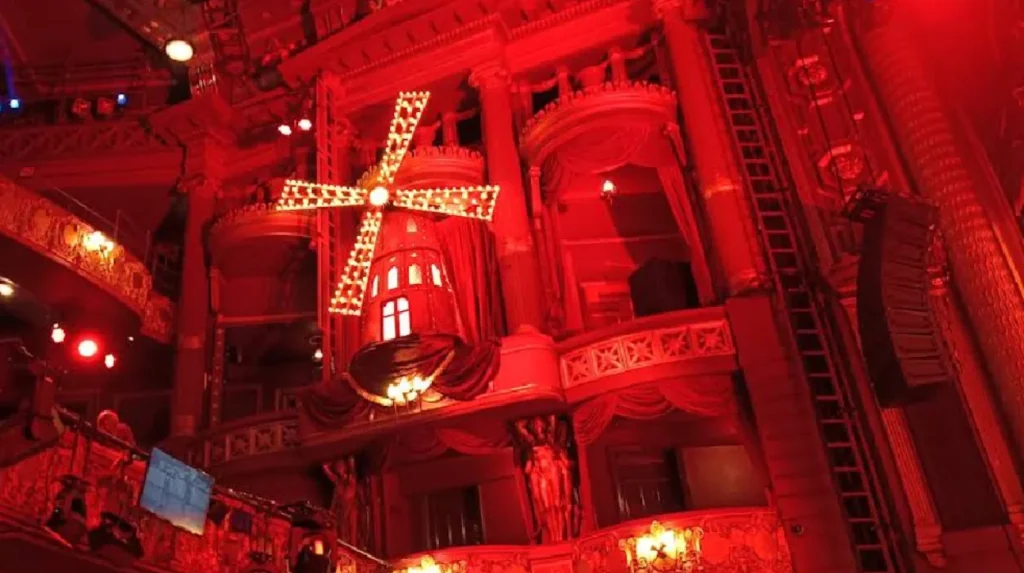
Act Two transitions into deeper emotional exploration through dramatic musical arrangements. Donna delivers an intense solo vocal performance during The Winner Takes It All, while Harry and Donna reflect on their past during Our Last Summer. The musical concludes with a high energy concert finale featuring cast dress transformations and full audience participation numbers including Waterloo.
Where Is Mamma Mia Performed in Manchester?
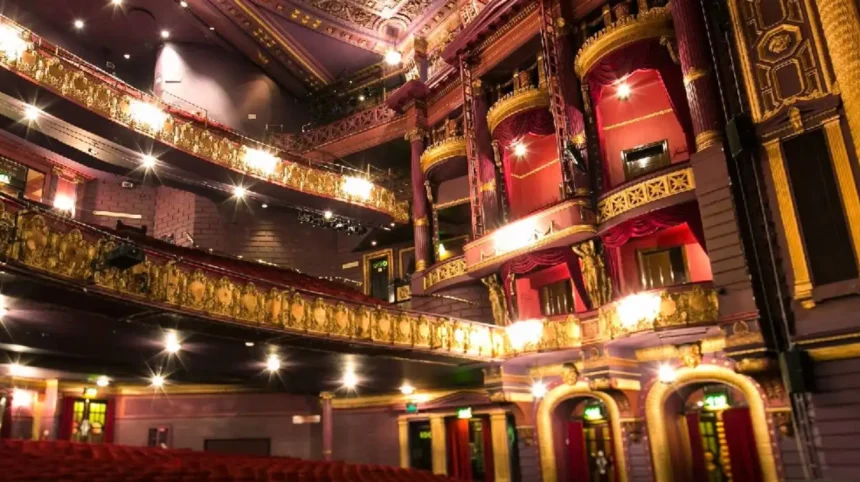
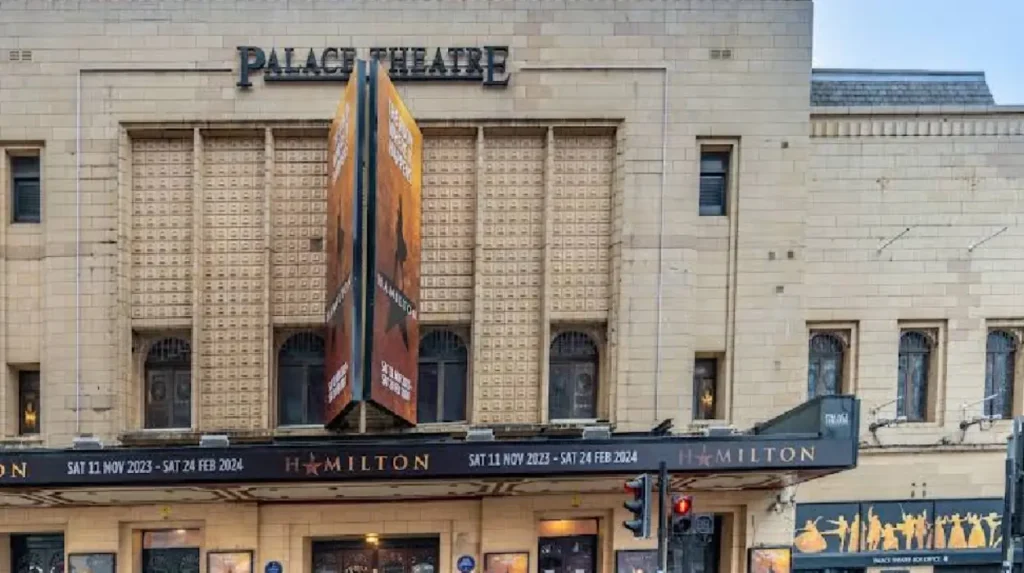
Mamma Mia is primarily staged at the Palace Theatre on Oxford Street, one of Manchester’s most prestigious Grade II listed touring venues operated by Ambassador Theatre Group with a seating capacity of over nineteen hundred.
The Palace Theatre stands as a cornerstone of the regional performance scene in the city centre. Originally opened in 1891, the venue underwent extensive renovations over the decades to accommodate massive stage setups, modern acoustic engineering, and large scale West End touring productions. Located on Oxford Street near Oxford Road railway station, the venue provides regional accessibility for theatregoers visiting from across Greater Manchester and surrounding counties.
The technical architecture of the Palace Theatre supports complex touring stage designs required by productions like Mamma Mia. The stage features full fly tower capabilities, permitting the smooth movement of heavy set elements, including the rotating whitewashed Greek tavern structures designed by Mark Thompson. The auditorium layout spans three levels: Stalls, Circle, and Grand Tier, allowing maximum visibility for large audiences.
The venue works in tandem with its sister theatre, the Manchester Opera House on Quay Street, to host major musical theatre engagements. While the Opera House hosts various Broadway and West End transfers, the Palace Theatre remains the designated historical venue for Mamma Mia UK tour legs due to its larger stage dimensions and audience seating capacity.
What Is the Economic Impact of Stage Productions in Manchester?
Stage productions like Mamma Mia generate millions of pounds for the local Manchester economy through direct ticket sales, hotel bookings, dining sector revenue, public transport usage, and local employment opportunities.
Commercial theatre runs act as major economic catalysts for urban entertainment districts across Greater Manchester. When a major musical sits at the Palace Theatre for multiple weeks, it attracts thousands of patrons into the city centre daily. According to UK theatre industry economic assessments, every pound spent on a theatre ticket generates additional spending in surrounding local businesses, benefiting nearby restaurants, bars, and public transit systems.
The local hospitality sector experiences direct financial gains during these tour schedules. Hotels located along the Oxford Road Corridor and near St Peter’s Square record higher occupancy rates from out of town visitors attending evening performances. Pre theatre dining services at local establishments provide consistent revenue spikes that sustain the urban night time economy.
Furthermore, touring theatre infrastructure employs vast networks of local technicians, front of house personnel, security staff, and box office workers. These multi week engagements support employment across venue operations and regional logistics providers who transport stage equipment between tour destinations.
How Does Mamma Mia Compare to Other Jukebox Musicals?
Mamma Mia sets the structural standard for jukebox musicals by seamlessly integrating pre existing pop songs into an original narrative structure rather than presenting a biographical timeline of the artists.
The jukebox musical genre is broadly split into two structural categories: biographical retrospectives and narrative integrations. Biographical musicals tell the real life story of a performer or musical group using their catalog chronologically. In contrast, Mamma Mia uses the musical compositions of ABBA to construct a completely original fictional universe with independent characters and storylines.
This fictional narrative approach allows the show to achieve broader emotional appeal across generations. Rather than relying strictly on nostalgia for the original recording band, the stage play establishes emotional stakes through universal themes like mother daughter dynamics, coming of age choices, and lost love. The success of this narrative framework influenced subsequent jukebox productions like We Will Rock You and Jersey Boys.
From an audience retention perspective, Mamma Mia achieves consistently higher repeat viewership numbers than many traditional stage plays. The combination of familiar pop melodies, lighthearted comedy, and high energy finale routines creates an accessible theatrical experience that appeals equally to casual theatregoers and dedicated musical enthusiasts.
What Are the Transport and Venue Access Options in Manchester?
The Palace Theatre in Manchester offers direct access via public transportation networks, including Metrolink tram lines, national rail links at Oxford Road station, and local city center bus routes.
Regional and national visitors can reach the primary theatre district with ease due to centralized transport infrastructure. Oxford Road railway station sits less than two hundred meters from the entrance of the Palace Theatre, connecting patrons directly to regional train services across northern England. Piccadilly railway station is located within a ten minute walk or short taxi ride, providing direct connection options to London and major UK cities.
The Greater Manchester Metrolink light rail network provides frequent city transit options for theatregoers. The closest tram stop is St Peter’s Square, which operates as a central interchange node for multiple line connections. From St Peter’s Square, passengers can complete a brief five minute walk down Oxford Street directly to the main doors of the venue.
For visitors arriving by private vehicle, multiple multi storey parking facilities operate within walking distance of the venue. Parking facilities on Chepstow Street and Charles Street offer dedicated parking options near Oxford Street. Accessible seating, level access options, and infrared hearing assistance systems are fully integrated into the venue to ensure accessibility for all theatregoers.
More in Manchester Local News:
Explore More Local Updates:
Frequently Asked Questions
Where is the best place to sit at the Palace Theatre Manchester for Mamma Mia?
The central Stalls and the front rows of the Circle offer the best overall views of the stage production. The Circle provides an elevated angle ideal for viewing whole cast dance numbers. Seats toward the extreme sides of the Grand Tier may feature slightly restricted sightlines for specific corner staging actions.
How long is the running time for the Mamma Mia stage musical?
The running time for Mamma Mia is approximately two hours and thirty five minutes. This duration includes one twenty minute interval between Act One and Act Two. Evening performances typically finish around ten fifteen PM.
What is the dress code for attending Mamma Mia in Manchester?
There is no official formal dress code for attending performances at the Palace Theatre. Smart casual attire is standard for most attendees. Many audience members choose to wear colourful or 1970s themed outfits for weekend performances to match the atmosphere of the show.
Is Mamma Mia suitable for young children?
Mamma Mia is generally recommended for children aged six and older due to the overall volume and show length. The narrative contains mild adult themes and suggestive humor related to romantic relationships. Children under three years of age are typically not admitted into the auditorium.
Can you buy merchandise and refreshments at the venue?
Official Mamma Mia merchandise booths operate in the foyer areas before the performance and during the interval. Bars and kiosk locations throughout the venue sell soft drinks, alcoholic beverages, and snacks. In seat ordering services via mobile applications are also available at select seating areas.