A ghost kitchen Manchester facility is a commercial food preparation space designed exclusively for delivery and takeaway orders without a traditional dine-in restaurant storefront. These facilities contain multiple individual kitchen spaces where separate food brands prepare menus optimized for third-party digital delivery applications.
- Why Did Dark Kitchens Expand Rapidly Across Greater Manchester?
- How Do Local Food Regulations Impact Ghost Kitchen Operators in Manchester?
- What Are the Key Structural Components of a Ghost Kitchen Ecosystem?
- How Do Ghost Kitchens Impact the Traditional Manchester Restaurant Sector?
- What Are the Future Trends for the Digital Food Delivery Infrastructure?
- Frequently Asked Questions
- How do I start a virtual brand in Manchester without a massive budget?
- Are ghost kitchens in Salford and Manchester safe and hygienic?
- What is the average rent for a dark kitchen unit in Greater Manchester?
- Why do some virtual restaurants change their names so frequently on delivery apps?
- Can customers collect food directly from a Manchester ghost kitchen?
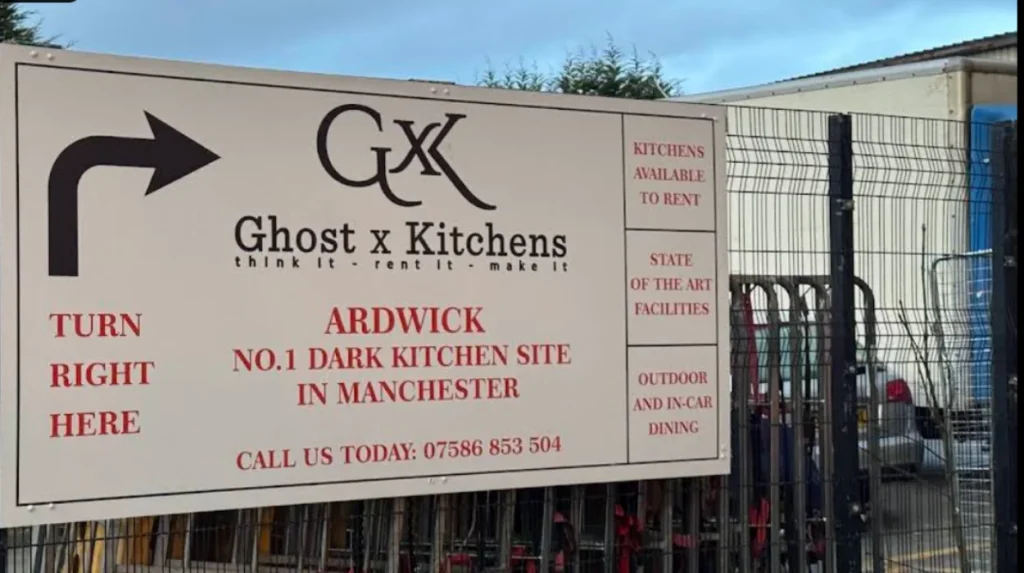
Ghost kitchens represent a shift from the consumer-facing hospitality model to a decentralized logistics network. In Manchester, operators utilize industrial estates in areas like Salford, Cheetham Hill, and Ardwick to establish shared production hubs. These locations allow food businesses to cook meals without the overhead costs of high-street retail property rentals, front-of-house staff payrolls, or customer seating areas.
The core infrastructure relies entirely on integration with digital food delivery aggregators such as Deliveroo, Just Eat, and Uber Eats. When a customer places an order via a mobile application, the data transmits directly to the specific kitchen unit inside the facility. Staff prepare the food, package it in delivery-ready containers, and pass it to a centralized dispatch desk within the building. External delivery couriers then collect the orders from this single point, which maximizes driver turnaround speed and reduces inner-city traffic congestion.
Why Did Dark Kitchens Expand Rapidly Across Greater Manchester?
The rapid expansion of dark kitchens across Greater Manchester occurred due to shifting consumer habits, rising high-street operational costs, and the acceleration of digital food delivery infrastructure during global economic disruptions.
The primary catalyst for this growth was the sudden increase in delivery demand between 2020 and 2022, which forced food operators to find alternative delivery-focused spaces. Manchester possesses a high density of student populations and young professionals who utilize mobile applications for daily food consumption. This demographic profile created a consistent market for diverse culinary brands that do not require physical storefronts to attract an audience.
Property economics in the city center further incentivized food operators to adopt the ghost kitchen framework. Retail rents in primary commercial zones like Market Street, Deansgate, and the Northern Quarter increased significantly over the last decade. By moving food production to cheaper industrial units outside the immediate city center, businesses cut property expenses while maintaining delivery access to dense residential zones. This financial model allows national chains and local startups to test new menu concepts with minimal capital risk.
How Do Local Food Regulations Impact Ghost Kitchen Operators in Manchester?
Local food regulations impact ghost kitchen operators by establishing strict operational baselines for environmental health, waste management, and urban zoning compliance.
The Manchester City Council requires all virtual food businesses to register their specific cooking unit as a distinct food business establishment at least twenty-eight days before opening to the public. Environmental health officers conduct unannounced site inspections to evaluate structural cleanliness, temperature control logs, and allergen cross-contamination prevention protocols. Kitchen operators must implement robust Hazard Analysis Critical Control Point systems tailored to delivery logistics, ensuring food remains safe during transit. Furthermore, facilities must install commercial-grade grease traps and specialized extraction ventilation systems to comply with strict municipal odor and noise pollution bylaws.
Failure to meet these local regulatory standards results in immediate financial penalties, improvement notices, or temporary closure orders that disrupt digital storefront visibility. Because virtual brands rely entirely on algorithm placement on third-party applications, a regulatory shutdown severely damages consumer trust and digital platform rankings. Operators must also navigate complex commercial waste disposal contracts to handle the high volume of packaging materials generated by delivery-only models. Consequently, maintaining absolute compliance with evolving UK food safety laws is a fundamental requirement for long-term commercial viability in the competitive Manchester digital marketplace.
What Are the Key Structural Components of a Ghost Kitchen Ecosystem?
The structural components of a ghost kitchen ecosystem include physical real estate units, specialized commercial cooking equipment, centralized logistics software, and digital brand management frameworks.
The physical facility consists of a large warehouse divided into modular kitchen stalls ranging from 200 to 400 square feet. Each stall contains dedicated utility connections for gas, electricity, water, and specialized ventilation hoods to maintain separate extraction environments. A communal zone at the front of the building handles courier check-ins, order sorting, and hand-offs to ensure delivery drivers never enter the food preparation areas.
Digital infrastructure forms the operational backbone of the entire ghost kitchen facility. Specialized software aggregators combine incoming orders from various delivery platforms into a single kitchen display system screen to minimize order processing errors. Data analytics tools track food preparation speeds, ingredient inventory levels, and courier wait times to continuously optimize output efficiency. The final component is the virtual brand itself, which exists solely as a digital menu profile on delivery applications supported by targeted social media marketing.
How Do Ghost Kitchens Impact the Traditional Manchester Restaurant Sector?
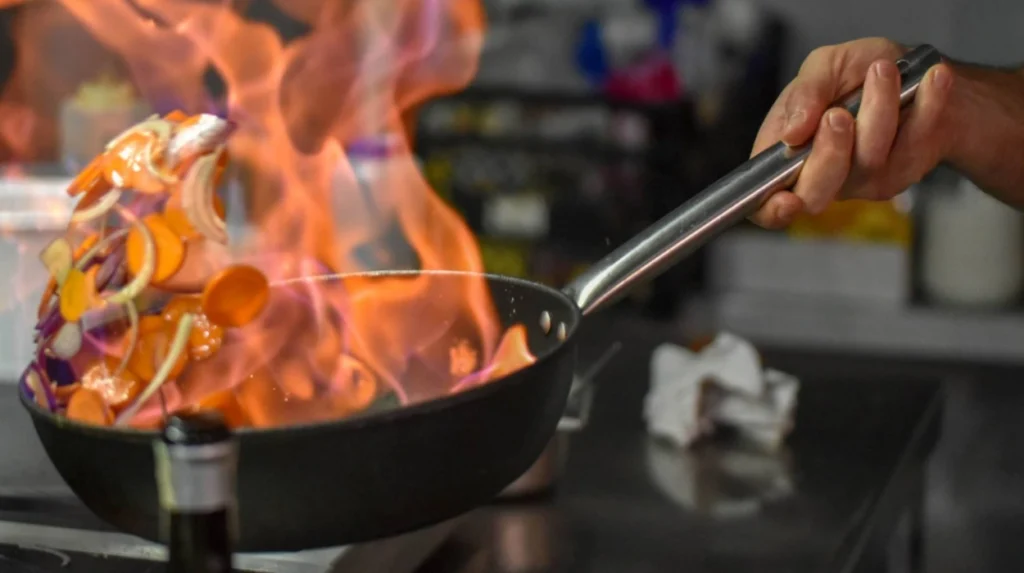
Ghost kitchens impact the traditional Manchester restaurant sector by altering market competition dynamics, lowering entry barriers for new culinary entrepreneurs, and shifting consumer expectations regarding food convenience.
Traditional restaurants operating physical dining rooms face intensified competition from virtual brands that operate with significantly lower overhead costs. Ghost kitchen tenants can price their menu items more competitively because they do not fund front-of-house hospitality expenses. This economic advantage pressures traditional establishments to enhance their own digital delivery presence or focus strictly on premium experiential dining that cannot be replicated at home.
Conversely, the model provides an accessible incubation pathway for local independent food businesses across Greater Manchester. Emerging chefs can launch a virtual brand with a fraction of the capital required for a standard restaurant lease. This accessibility fosters culinary innovation, allowing operators to test specialized concepts like vegan street food or niche regional cuisines. Established brands also use these spaces as satellite prep kitchens to expand their delivery radius into new neighborhoods without building new brick-and-mortar locations.
What Are the Future Trends for the Digital Food Delivery Infrastructure?
The future trends for digital food delivery infrastructure involve increased automation, deeper integration of artificial intelligence in logistics, and stricter municipal regulatory frameworks regarding urban zoning.
Automation is entering the kitchen space through specialized robotic preparation systems designed for high-volume, repetitive cooking tasks like frying or pizza assembly. Manchester ghost kitchens are exploring these technologies to counteract ongoing kitchen staff shortages and ensure absolute consistency across high-volume order periods. Drone delivery trials and autonomous ground delivery vehicles are also undergoing testing in specific UK urban environments to reduce reliance on gig-economy couriers.
Artificial intelligence applications will increasingly dictate how ghost kitchens manage supply chains and predict consumer demand patterns. Predictive algorithms analyze historical order data, local weather forecasts, and regional event schedules to tell kitchen managers exactly how many ingredients to prep each morning. This precise forecasting minimizes food waste and maximizes profit margins. Concurrently, local planning authorities are introducing stricter environmental and traffic regulations to manage the noise, waste, and courier congestion generated around industrial ghost kitchen hubs.
Frequently Asked Questions
How do I start a virtual brand in Manchester without a massive budget?
Starting a virtual brand requires renting a licensed station in a shared commercial kitchen, registering your food business with the local council, and setting up profiles on delivery platforms. You can minimize initial expenses by choosing a highly focused menu that shares ingredients across multiple items to reduce inventory costs.
Are ghost kitchens in Salford and Manchester safe and hygienic?
Yes, all ghost kitchen facilities must register with their local Environmental Health Office and undergo the same rigorous hygiene inspections as traditional restaurants. Each individual unit receives a Food Hygiene Rating based on food handling practices, structural cleanliness, and safety management systems.
What is the average rent for a dark kitchen unit in Greater Manchester?
The average rent for a dark kitchen unit ranges from £1,500 to £3,500 per month depending on the location, size, and included utilities or equipment. Operators usually pay a base rent alongside a percentage commission on orders processed through the facility’s central dispatch.
Why do some virtual restaurants change their names so frequently on delivery apps?
Virtual brands change names or run multiple concepts from one kitchen to test different trends and see what consumers like without changing physical signage. This strategy allows a single kitchen team to cook fried chicken under one name and burgers under another using the same exact ingredients.
Can customers collect food directly from a Manchester ghost kitchen?
Most ghost kitchen facilities do not allow direct customer walk-ins or collections because they are optimized entirely for delivery courier logistics and lack public counters. However, some newer hybrid spaces are introducing digital collection lockers at the front of the building to accommodate local foot traffic.