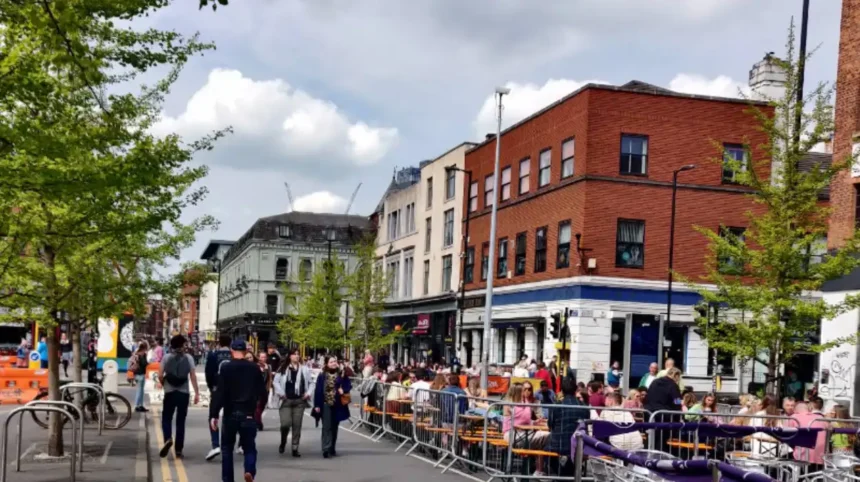
Manchester’s Stevenson Square has evolved from a busy traffic hub into a vibrant pedestrian haven, thanks to the innovative Stevenson Square pedestrian scheme. This initiative reflects broader efforts to prioritize people over vehicles in the city centre. Nestled in the heart of the Northern Quarter, the scheme continues to shape daily life for residents and visitors alike.
- The Origins of Stevenson Square
- The Birth of the Stevenson Square Pedestrian Scheme
- Key Features of the Scheme
- Implementation Timeline and Public Involvement
- Benefits for Pedestrians and Cyclists
- Boost to Local Businesses and Economy
- Environmental and Sustainability Gains
- Challenges Faced During Rollout
- Impact on Northern Quarter’s Identity
- Looking Ahead: Future Prospects
- Why the Scheme Matters for Manchester
The Origins of Stevenson Square
Stevenson Square traces its roots back to the late 18th century, when land owned by Sir Ashton Lever was sold to William Stevenson in the 1780s. Following Lever’s death in 1788, Stevenson developed the area by selling plots, naming nearby streets after buyers like Hilton and Houldsworth, and creating the square itself.
Over the decades, the square served as a bustling commercial node amid Manchester’s industrial growth, surrounded by garment trade warehouses and later creative industries. By the early 21st century, it had become a social gathering spot in the Northern Quarter, home to bars, cafes, and venues like Soup Kitchen.
This historical backdrop set the stage for modern regeneration, as the square transitioned from vehicle-dominated space to a pedestrian-focused area, aligning with Manchester’s urban renewal ambitions.
The Birth of the Stevenson Square Pedestrian Scheme
The push for the Stevenson Square pedestrian scheme gained momentum in the 2010s, starting with environmental upgrades funded by crowdfunding and local partners. In 2013, the Red Rose Forest project added street trees, a green roof on disused toilets, and extended pavements to form a ‘green spine’.
Consultations intensified around 2020 as part of the Northern Quarter Walking and Cycling Scheme, aiming to link Piccadilly and Victoria stations. Temporary closures during the COVID-19 pandemic in 2020 turned the square into an outdoor dining plaza, sparking public demand for permanence.
By 2022, Manchester City Council confirmed plans to pedestrianise most of the square, retaining limited access on Lever Street for buses and Hackney carriages. This decision followed positive feedback from trials, marking a shift towards active travel in the city centre.
Key Features of the Scheme
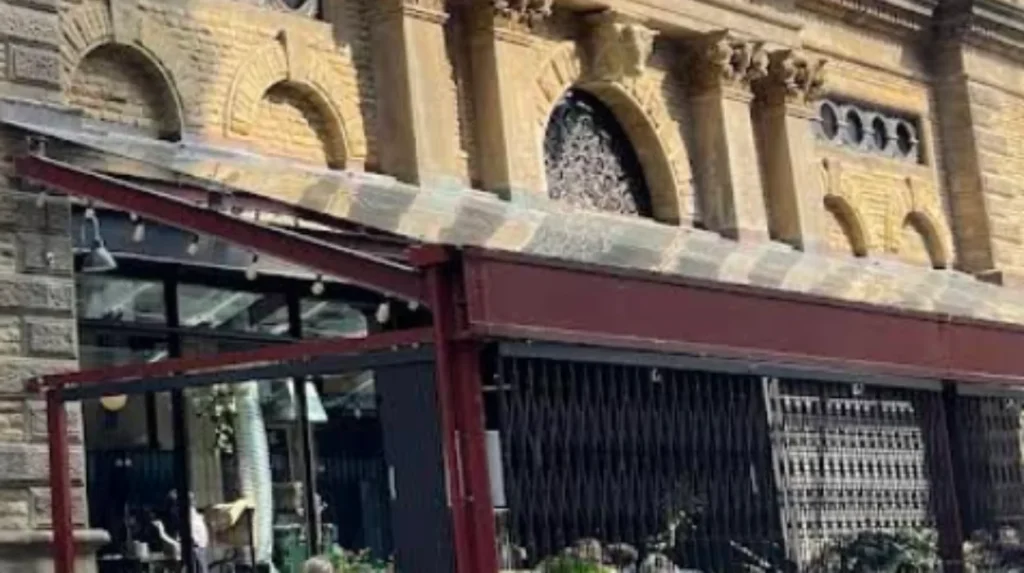
The Stevenson Square pedestrian scheme introduced targeted infrastructure changes to enhance safety and accessibility. New pedestrian crossings appeared at key junctions like Hilton Street with Oldham and Newton Streets, alongside tactile paving for the visually impaired.
A two-way cycle lane runs through the square at carriageway level, featuring demarcation blocks, signage, and cyclist-friendly crossings. Pay-and-display bays on Hilton Street were removed, loading bays relocated, and static blocks installed to control vehicle entry.
Additional seating, bike racks, and sustainable drainage systems using planted areas promote lingering and environmental resilience. Widened footpaths prioritize walker space, creating a seamless link in the Bee Network of walking and cycling routes.
These elements, implemented from June 2023 to October 2023, form the second phase of the Northern Quarter scheme, building on prior sections for a cohesive network.
Implementation Timeline and Public Involvement
Planning for the Stevenson Square pedestrian scheme spanned years of consultation, with phases dating back to 2013’s green makeover. Formal public input began in earnest in 2021 through Manchester City Council’s Northern Quarter Area 2 survey, gathering views on pedestrianisation and cycling links.
The 2020 pandemic trial proved pivotal, as the square’s transformation into a social hub boosted local businesses and footfall. By July 2022, council blueprints outlined the majority pedestrian zone, with works greenlit for summer 2023.
Councillor Tracey Rawlins emphasized balancing pedestrian priority with transport needs, collaborating with businesses for economic gains. The project aligns with Greater Manchester’s Bee Network and the city’s zero-carbon goals.
Benefits for Pedestrians and Cyclists
The Stevenson Square pedestrian scheme has made the area safer and more inviting for everyday use. Reduced vehicle traffic cuts collision risks, while crossings and widened paths ease navigation for families, shoppers, and commuters.
Cyclists gain a protected two-way lane connecting major stations, encouraging shifts from cars to bikes amid rising active travel post-pandemic. Tactile paving and bike racks further support inclusive mobility.
Residents report a more relaxed atmosphere, with the square now a go-to spot for al fresco dining and events, fostering community ties in the Northern Quarter’s creative vibe.
Boost to Local Businesses and Economy
Businesses around Stevenson Square have thrived under the pedestrian scheme, as outdoor seating expanded during trials and became permanent. Venues like those on Hilton Street saw increased dwell time, drawing more customers to independent shops and eateries.
The scheme’s design relocates loading for deliveries, minimizing disruptions while maximizing pavement space for cafes. Councillor Rawlins noted efforts to help firms capitalize on the changes, turning the square into an economic powerhouse.
This mirrors wider Manchester trends, where pedestrian zones like St Peter’s Square correlate with higher retail spend and footfall, sustaining the Northern Quarter’s reputation as a trendy destination.
Environmental and Sustainability Gains
Greening initiatives in the Stevenson Square pedestrian scheme enhance urban ecology. Early 2013 additions like trees and a rainwater-collecting green roof set precedents, now amplified by sustainable drainage in planted beds.
Vehicle reduction lowers emissions, supporting Manchester’s net-zero ambitions. The scheme integrates with the Bee Network, promoting walking and cycling to cut car dependency city-wide.
Bike infrastructure and pedestrian priority align with Greater Manchester’s active travel strategy, improving air quality and public health in a densely populated area.
Challenges Faced During Rollout
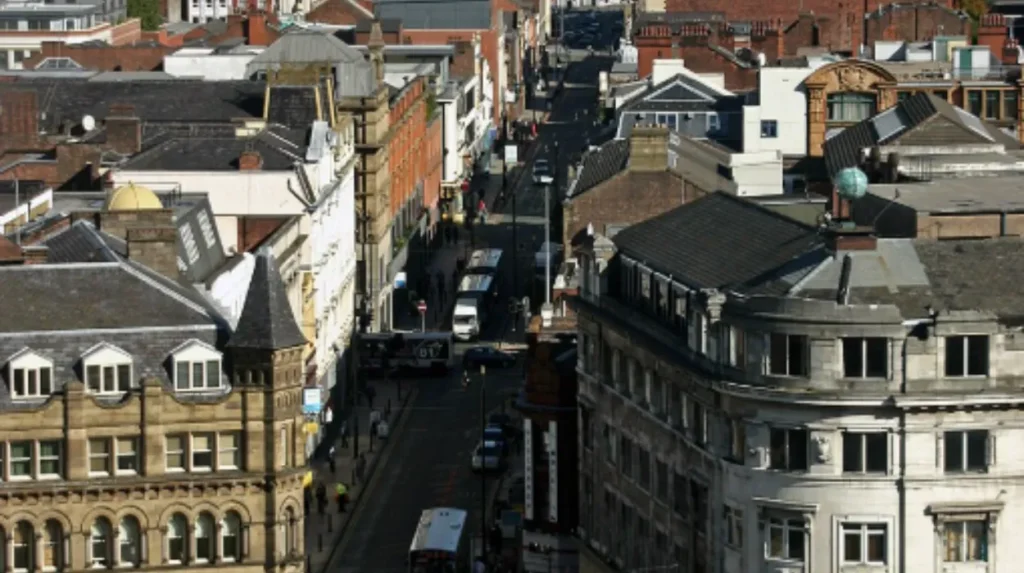
While popular, the Stevenson Square pedestrian scheme navigated hurdles like balancing bus access on Lever Street. Initial concerns from transport users led to retained Hackney carriage entry, ensuring connectivity.
Construction from June to October 2023 caused temporary disruptions, prompting council hotlines for queries. Feedback mechanisms addressed business worries over loading, with relocations minimizing impacts.
Ongoing monitoring refines the space, adapting to the Northern Quarter’s evolving creative and nightlife scene.
Impact on Northern Quarter’s Identity
The Stevenson Square pedestrian scheme cements the Northern Quarter as Manchester’s cultural heartbeat. Once a garment district relic, it now pulses with street art, gigs, and pop-ups, amplified by car-free openness.
Pedestrian flow strengthens links to nearby hotspots like Ancoats, boosting the area’s draw for young professionals and tourists. It exemplifies how urban design revitalizes historic spaces for modern living.
Looking Ahead: Future Prospects
The Stevenson Square pedestrian scheme sets a blueprint for Manchester’s streets, influencing projects like Piccadilly upgrades. As the Bee Network expands, expect further greening and event hosting.
With works complete by late 2023, the square endures as an evergreen example of sustainable city-making, inviting ongoing community stewardship.
Why the Scheme Matters for Manchester
In a city balancing growth and livability, the Stevenson Square pedestrian scheme underscores pedestrian primacy. It enhances safety, economy, and environment, offering lessons for global urban renewal.
Locals cherish the transformed space, a testament to collaborative planning yielding timeless public good.
What is the trendy part of Manchester?
The Northern Quarter stands out as Manchester’s trendiest area, buzzing with street art, indie shops, and vibrant nightlife around Stevenson Square pedestrian scheme. It’s a hub for creatives and visitors seeking authentic urban energy.
What are the no-go areas in Manchester?
Areas like Moss Side, Longsight, and parts of Harpurhey are often flagged for higher crime rates, best avoided especially at night—stick to lively spots like the Stevenson Square pedestrian scheme instead. Always check local updates for safety.
What does chuddy mean in Manchester?
In Manchester slang, chuddy simply means chewing gum, a casual term you’ll hear locals asking for around places like Stevenson Square pedestrian scheme. “Got any chuddy?” is a classic Mancunian request.
What is the slang for teeth from Manchester?
Manchester folk call teeth “Newtons,” short for Newton Heath in rhyming slang—perfect for chatting dental woes near the Stevenson Square pedestrian scheme. “His Newtons are proper mingin’!” sums it up.
Is the Arndale in the northern quarter?
No, the Arndale Centre sits in Manchester’s main city centre near Market Street, not the Northern Quarter where the Stevenson Square pedestrian scheme thrives. It’s a quick walk between the two distinct zones.