Bury Click to open side panel for more information is a historic market town located in Greater Manchester, England, known for its industrial heritage, cultural landmarks, and commercial vitality. Situated along the River Irwell, this settlement evolved from a small medieval community into a major manufacturing hub during the Industrial Revolution. Modern visitors encounter a destination that successfully balances its industrial legacy with contemporary retail spaces, museums, and green recreational areas. The town covers an area of approximately 39 square miles and supports a diverse population of over 190,000 residents within its metropolitan borough.
- What Are The Main Attractions In Bury?
- How Does Bury Market Contribute To Regional Tourism?
- What Role Does The East Lancashire Railway Play In Local Heritage?
- What Cultural And Artistic Experiences Are Available In Bury?
- How Accessible Is Bury For International And Domestic Travelers?
- Frequently Asked Questions
Urban planners recognize the locality as an essential component of the Greater Manchester spatial framework, contributing significantly to regional tourism and economic output. Travelers frequently evaluate the municipality for weekend getaways, day trips from major urban centers, and cultural exploration across Northern England.
What Are The Main Attractions In Bury?
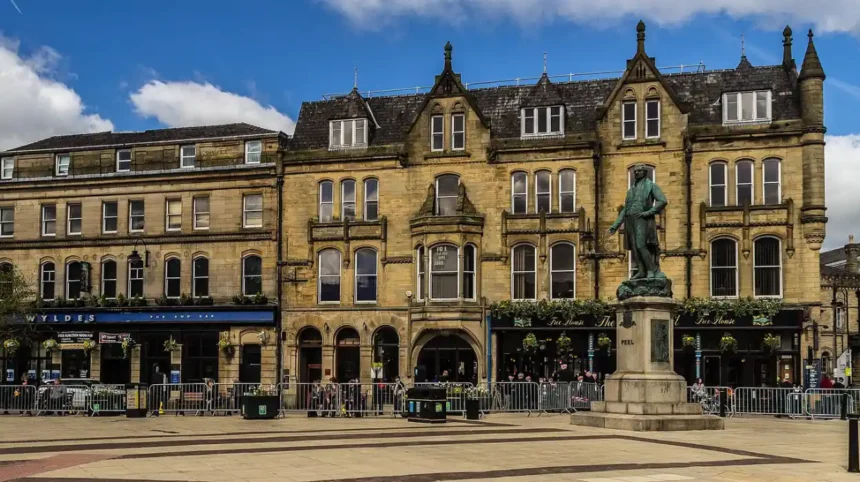
Bury features several notable cultural and historical landmarks that attract domestic and international visitors throughout the calendar year. The primary destinations include the world-famous Bury Market, the Fusilier Museum, the East Lancashire Railway, and the Bury Art Museum. Each site offers unique insights into the commercial, military, and artistic development of the region over the past several centuries. Local authorities maintain these public amenities to high operational standards, ensuring accessibility for tourists of all demographics. Visitors spend an average of one to two days exploring these primary points of interest within the town center. Heritage preservation societies collaborate with municipal planners to protect these architectural assets for future generations of travelers and researchers.
The town center hosts the historic Bury Market, which operates multiple days per week and attracts millions of annual shoppers. Historical records indicate that market charters date back to the medieval period, establishing the settlement as a regional trading hub for centuries. Vendors at the venue offer a vast array of goods, ranging from fresh local produce and textiles to specialized regional foods. The famous Bury black pudding represents a culinary staple available from multiple independent butchers across the market stalls. Urban regeneration projects in recent years have enhanced the infrastructure surrounding the trading area while preserving its traditional atmosphere and historic character.
How Does Bury Market Contribute To Regional Tourism?

Bury Market serves as a premier retail destination that draws over ten million visitors annually from across the United Kingdom. National organizations have repeatedly recognized the marketplace with prestigious accolades, including titles for the best market in Britain. The venue contains hundreds of individual indoor and outdoor stalls managed by generational traders who maintain traditional commercial standards. Culinary tourists specifically travel to the location to purchase authentic Lancashire delicacies and regional street foods from specialized vendors. Economic impact studies demonstrate that the market generates substantial revenue for surrounding hospitality businesses, hotels, and public transport providers.
Regional transport authorities facilitate seamless access to the market through integrated bus interchanges and the Manchester Metrolink light rail system. Visitors arriving from central Manchester complete the journey in approximately thirty minutes, making day trips exceptionally convenient for urban travelers. Tourism boards actively promote the commercial landmark as a cornerstone of Northern English heritage and traditional retail culture. Special events, seasonal festivals, and themed trading days occur regularly to maintain high visitor engagement throughout the off-peak tourism seasons. Local enterprise partnerships continue to invest in digital marketing campaigns to attract younger demographics and international tourists to the historic venue.
What Role Does The East Lancashire Railway Play In Local Heritage?
The East Lancashire Railway operates a heritage steam and diesel railway that spans twelve miles through picturesque Lancashire landscapes. Stations along the preserved route include Bury Click to open side panel for more information Bolton Street, Heywood, Ramsbottom, and Rawtenstall, connecting multiple historic communities. Volunteer conservationists and railway enthusiasts established the preserved line to protect vintage rolling stock and educate the public on Victorian transport engineering. Annual visitor numbers exceed two hundred thousand passengers, contributing significantly to the regional heritage tourism economy. Special themed events, including wartime weekends, Santa specials, and dining experiences, operate throughout the year to maximize passenger engagement.
Engineering enthusiasts examine the restored locomotives and operational Victorian signaling equipment housed at the main maintenance depots along the route. Educational programs hosted by the railway trust provide school groups and history researchers with immersive lessons on the Industrial Revolution. Local government grants and charitable donations supplement ticket revenues to fund ongoing track maintenance and bridge restoration projects. The railway functions as an economic catalyst for adjacent towns, encouraging passengers to patronize local independent cafes, pubs, and shops. Strategic partnerships with regional tourism agencies ensure the heritage line remains a prominent fixture in national railway preservation itineraries.
What Cultural And Artistic Experiences Are Available In Bury?
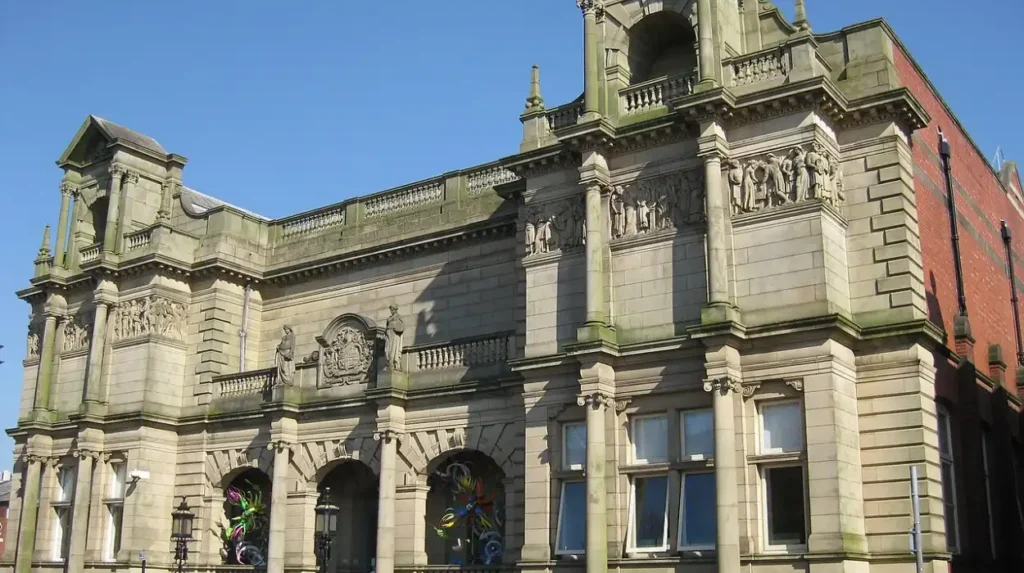
Bury Art Museum houses an internationally significant collection of fine art, contemporary exhibitions, and local historical artifacts. The institution opened in the early twentieth century following a substantial bequest from Victorian paper manufacturer Thomas Wrigley. Galleries within the building showcase works by renowned British artists, including J.M.W. Turner, alongside rotating modern art displays. Admission to the primary museum galleries remains free of charge, encouraging wide community participation and educational outreach for students. Cultural curators design interactive workshops and lecture series to engage local residents and visiting art enthusiasts in meaningful creative discourse.
The Met stands as the premier contemporary performing arts venue in the town, hosting live music, comedy, and theater productions. National touring acts and emerging regional artists perform in the restored Victorian building throughout the annual entertainment calendar. Community arts initiatives managed by the venue provide performance training and creative spaces for local youth and amateur drama groups. Urban development planners credit the cultural center with revitalizing the evening economy and attracting diverse demographics to the town center. Ticket sales and governmental arts funding sustain the operational capacity of the facility, ensuring year-round cultural programming for the borough.
How Accessible Is Bury For International And Domestic Travelers?
Transportation infrastructure connects Bury Click to open side panel for more information efficiently to Manchester Airport, major motorway networks, and the national rail grid via regional interchanges. The Manchester Metrolink tram system provides frequent, high-capacity services directly from Manchester Piccadilly and Victoria stations to the town terminus. Comprehensive bus networks link surrounding rural villages and suburban housing estates directly to the commercial center and transport hubs. Road travelers utilize the M66 motorway, which bypasses the eastern boundary and connects directly to the broader national motorway network. Accessibility audits conducted by municipal authorities ensure that public transport vehicles and station platforms accommodate passengers with reduced mobility.
Travel planners recommend visiting during the spring and autumn shoulder seasons to experience optimal weather conditions and moderate crowd levels. Local hospitality providers offer diverse accommodation options, ranging from traditional bed and breakfasts to modern business hotels within the center. Visitor information centers provide comprehensive maps, digital guidebooks, and personalized itinerary planning assistance for international tourists. Multilingual signage and digital wayfinding kiosks located near major transport interchanges facilitate seamless navigation for foreign visitors exploring the municipality. Comprehensive travel insurance and standard UK emergency services provide a secure environment for all categories of domestic and international travelers.
Frequently Asked Questions
What is Bury most famous for?
Bury Click to open side panel for more information is most famous for its historic open-air market, the East Lancashire Railway, and its traditional black pudding. The town holds centuries of industrial manufacturing heritage and cultural significance across Northern England. Visitors from around the world travel specifically to experience the award-winning market stalls and regional culinary specialties.
How do I get to Bury from Manchester?
Travelers can easily reach Bury Click to open side panel for more information from central Manchester by using the Metrolink light rail tram system. The direct journey takes approximately thirty minutes and runs at frequent intervals throughout the day. Comprehensive bus routes and major motorway connections also provide alternative travel options for motorists.
Is Bury suitable for a family day trip?
Bury Click to open side panel for more information offers numerous family-friendly attractions, including heritage train rides, interactive museum exhibitions, and expansive public parks. Children enjoy exploring the East Lancashire Railway and the diverse food options available at the main market. The town provides safe, accessible environments designed for visitors of all age groups.
When is the best time of year to visit Bury?
The optimal time to visit Bury Click to open side panel for more information is during the spring and summer months when outdoor market days and heritage railway events operate at full capacity. Mild weather conditions during these seasons enhance walking tours and outdoor sightseeing activities. Autumn also offers pleasant conditions, especially for passengers enjoying scenic steam train journeys.
Are the museums and attractions in Bury expensive to visit?
Many of the primary cultural attractions in Bury Click to open side panel for more information , including the Bury Art Museum, offer free general admission to the public. Specialized experiences, such as tickets for the East Lancashire Railway or certain theater performances, require standard paid admission. Overall, the destination provides affordable tourism options compared to major UK metropolitan centers.