Rivington Gardens Click to open side panel for more information stands as a prominent historical landmark located within the West Pennine Moors in Lancashire, England, drawing thousands of visitors annually for its unique combination of rugged moorland summit views and ornate industrial-era terraced landscape architecture. Rivington Pike represents the highest point of the West Pennine Moors at an elevation of 381 meters above sea level, featuring a small stone grade two listed building constructed in 1733 on the footprint of an earlier beacon site that dates back to the Spanish Armada warning system of 1588. Below the summit lie the Rivington Terraced Gardens, developed between 1905 and 1925 by industrialist Lord Leverhulme and landscape architect Thomas Mawson, showcasing Japanese gardens, artificial lakes, pigeon towers, and extensive stonework ruins spread across 45 acres of steeply sloped woodland terrain.
- Where is the best place to park when visiting Rivington Pike and Terraced Gardens?
- What is the most scenic walking route to Rivington Pike and the Terraced Gardens?
- What historical features should visitors look for within the Terraced Gardens?
- How can visitors prepare for changing weather and safety conditions on the moor?
- Frequently Asked Questions
- Are dogs allowed on the walking trails at Rivington Pike and the Terraced Gardens?
- Is the walking route suitable for pushchairs and wheelchair users?
- Are there public toilet facilities available near the car parks?
- Is there an admission fee to enter Rivington Terraced Gardens?
- What are the best months of the year to visit Rivington?
Where is the best place to park when visiting Rivington Pike and Terraced Gardens?
Rivington Terraced Gardens provides multiple designated parking areas including the main Lower Barn parking lot off Rivington Lane, Lever Park Avenue spaces, and various designated roadside bays near the Rivington Lower Barn visitor center. Visitors arriving by motor vehicle can utilize the primary free and permit-managed parking zones situated near the historic Rivington Lower Barn, which offer direct pedestrian access to the lower garden trails and main woodland pathways. Alternative parking spots are available along Rivington Lane and near the Great House Barn, though these spaces fill rapidly during weekend mornings and holiday periods due to high visitor demand from regional hikers and tourists. Drivers should arrive before 9:00 AM on weekends to secure official parking spaces and avoid congestion along narrow rural approach roads such as Horrobin Lane and Rivington Lane. Local authorities enforce strict parking restrictions along narrow rural verges to maintain emergency vehicle access, making designated car parks the only legally compliant options for motorists visiting the country park.
Vehicle operators must observe all posted signage regarding parking operational hours, maximum stay limits, and local restrictions to prevent penalty charge notices issued by local council enforcement officers patrolling the area. The primary parking zone near the tithe barn features gravel surfaces and designated bays, while overflow areas utilize reinforced grass surfaces that remain operational during drier weather conditions throughout the spring and summer seasons. Walkers requiring accessible parking facilities can utilize designated bays located closest to the Lower Barn entrance, which provide shorter distance connections to the primary paved and graded trails leading into the terraced gardens. Public transport users can alternatively reach the area via local bus services operating to nearby Horwich or Rivington village, followed by a short signed walking approach to the primary estate entry points. Comprehensive parking management strategies implemented by local stakeholders help preserve the fragile moorland environment while accommodating thousands of private vehicles each week throughout the peak recreation calendar.
What is the most scenic walking route to Rivington Pike and the Terraced Gardens?

The premier walking circuit begins at the Lower Barn car park, ascends through the historic Rivington Terraced Gardens, continues past the Pigeon Tower, and culminates at the summit of Rivington Pike before looping back via Lever Park. This classic circular walking route spans approximately 6.5 kilometers with a cumulative elevation gain of 250 meters, requiring an average completion time of two hours depending on individual walking speed and rest stops. Hikers start their journey by walking past the restored Lower Barn structure, entering the woodland trails that wind upward through stone archways, Japanese garden terraces, and the striking architectural remnants of Leverhulme’s private estate. The trail transitions from shaded woodland paths to open moorland terrain as walkers pass the iconic four-story Pigeon Tower and ascend the stone steps toward the exposed ridge of the West Pennine Moors.
Upon reaching the summit of Rivington Pike at 381 meters, visitors encounter the historic stone beacon tower and unobstructed panoramic vistas extending across the Lancashire plain, the Fylde coast, and parts of the Welsh mountains on clear days. The return descent follows well-maintained stone and gravel tracks leading southward past the edge of the Upper Rivington Reservoir and through the open parkland of Lever Park designed in the early twentieth century. Trail conditions vary significantly across the route, featuring steep staircases, uneven stone masonry, exposed tree roots, and muddy sections during periods of heavy rainfall or winter weather conditions. Waterproof hiking boots, layered outdoor clothing, map navigation tools, and sufficient drinking water represent essential equipment for safely navigating the changing microclimates and steep gradients encountered along the moorland paths. Clear directional signposts installed by local conservation trusts guide pedestrians through the labyrinth of historical garden paths, ensuring visitors remain on designated rights of way while protecting sensitive flora.
What historical features should visitors look for within the Terraced Gardens?
Rivington Terraced Gardens contains numerous notable historical structures constructed by Thomas Mawson for Lord Leverhulme, including the Japanese Garden, the Italian Lake, the Summerhouse, and the iconic Pigeon Tower. The Japanese Garden features authentic oriental stone lanterns, rustic bridges, and exotic plantings designed to create a tranquil sanctuary within the steep wooded valley of the Rivken stream. The Pigeon Tower, standing four stories tall, served as a luxurious retreat where Lord Leverhulme stored reading materials and enjoyed afternoon tea while overlooking his vast landscape creation spanning the Pennine hillside. Another prominent feature includes the Seven Arches bridge, an elaborate stone structure spanning a dry ravine, alongside the remains of the massive conservatory and the exquisite, columned Italian Lake basin.
These architectural elements reflect early twentieth-century landscape design philosophies that merged naturalistic woodland settings with classical European and Asian garden traditions on a grand industrial scale. Following Lord Leverhulme’s death in 1925, many of the structures fell into severe disrepair, leading to decades of structural decay, overgrowth by invasive vegetation, and vandalism until major conservation grants initiated restoration efforts. Organizations such as the Rivington Heritage Trust, supported by the National Lottery Heritage Fund, have restored key structures like the Pigeon Tower and cleared dense rhododendron thickets to reveal original stonework and pathways. Educational signage installed throughout the 45-acre site provides visitors with historical context, architectural descriptions, and archival photographs illustrating how the terraced landscape appeared during its prime operational years. Exploring these historical remnants requires careful adherence to site safety guidelines, as certain ruined walls and steep drop-offs remain unstable and demand respectful distance from adventurous pedestrians.
How can visitors prepare for changing weather and safety conditions on the moor?
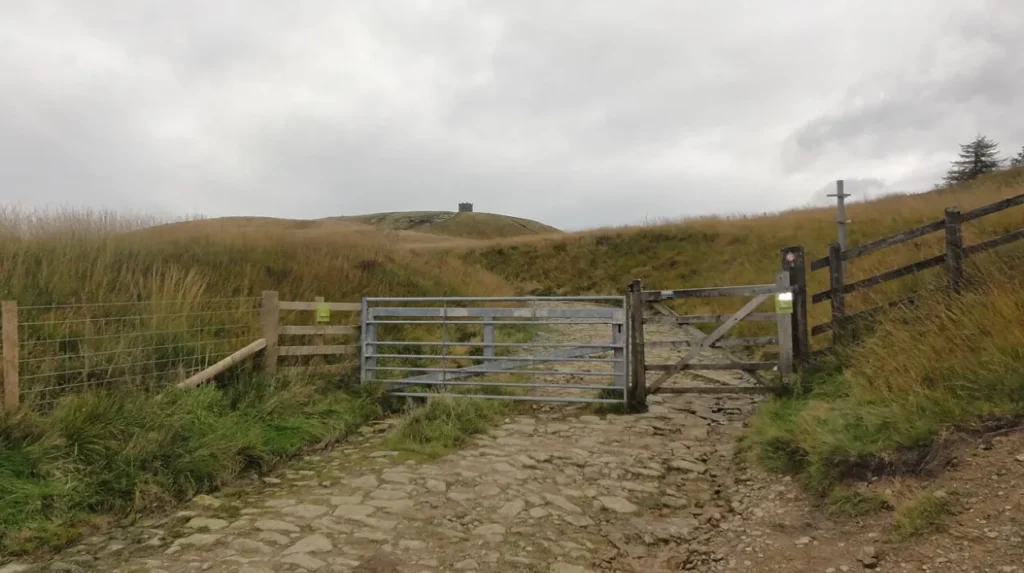
Visitors exploring Rivington Pike and the surrounding moorland must monitor local weather forecasts closely, as exposed ridge elevations experience rapid drops in temperature, high wind speeds, and sudden visibility reductions. The summit of Rivington Pike lacks natural shelter, exposing hikers to intense solar radiation during summer months and freezing wind chills or driving rain throughout autumn and winter seasons. Preparing for a safe outdoor excursion involves packing waterproof outerwear, windproof layers, sturdy footwear with deep traction treads, a mobile phone with a full battery, and emergency navigation aids. Mobile phone signal coverage remains reliable across most lower garden areas, but intermittent dead zones occur in deep valleys and behind steep moorland ridges.
Hikers encountering sudden fog or heavy storms should utilize pre-downloaded digital trail maps or physical compasses to navigate back toward the main lower car parks without relying solely on visual landmarks. Emergency services and local mountain rescue teams respond regularly to incidents involving slips on steep muddy slopes, twisted ankles on uneven stone steps, and cases of hypothermia during unexpected weather shifts. Visitors should inform a reliable third party regarding their intended walking route and expected return time before embarking on longer hikes across the West Pennine Moors. Respecting local wildlife, adhering to seasonal fire safety warnings during dry summer spells, and carrying all litter back out of the park preserve the natural beauty of this historic landscape for future generations.
Frequently Asked Questions
Are dogs allowed on the walking trails at Rivington Pike and the Terraced Gardens?
Dogs are permitted throughout the Rivington Terraced Gardens and surrounding moorland paths, provided they remain under close control on a short lead at all times. Owners must clean up after their pets using designated waste bins located near main car parks to maintain environmental hygiene. Livestock grazing occurs in adjacent fields, making leash compliance essential for protecting farm animals and wildlife.
Is the walking route suitable for pushchairs and wheelchair users?
The standard walking route to Rivington Pike and the upper terraced gardens is unsuitable for pushchairs and wheelchairs due to steep gradients, uneven stone steps, and rugged moorland terrain. Paved and level pathways are limited to the immediate vicinity of the Lower Barn and selected lower park areas near the main entrance points. Visitors with mobility impairments should review specific accessible trail guides before attempting longer woodland walks.
Are there public toilet facilities available near the car parks?
Public toilet facilities, including accessible amenities, are located near the Rivington Lower Barn and visitor reception areas close to the main parking zones. These facilities operate during daytime hours, though availability may vary during winter months or scheduled maintenance periods. Walkers should utilize these amenities prior to embarking on the extended circular hike up to the summit.
Is there an admission fee to enter Rivington Terraced Gardens?
Access to Rivington Terraced Gardens and the public walking paths leading to Rivington Pike is entirely free of charge for all visitors throughout the year. The open-access country park welcomes walkers, historians, and nature enthusiasts daily without requiring advance ticket purchases or registration. Voluntary donations collected via on-site boxes directly support ongoing restoration and conservation efforts managed by local trusts.
What are the best months of the year to visit Rivington?
Spring and early autumn represent the optimal seasons to visit Rivington due to mild daytime temperatures, blooming bluebells in the woodlands, and stable trail conditions. Summer offers extended daylight hours for evening walks, although car parks experience peak congestion during sunny weekends. Winter visits provide peaceful scenery and frost-covered moorland landscapes, provided visitors wear appropriate cold-weather gear and waterproof footwear.