Altrincham, a vibrant market town in Greater Manchester, stands out as a prime example of walkable urban living in the UK. Its blend of historic charm, green spaces, and modern infrastructure makes it an ideal spot for pedestrians seeking convenience and enjoyment in daily life.
- What Makes Altrincham a Walkability Gem
- The Historic Heart of Pedestrian Life
- Scenic Canal Walks Along the Bridgewater
- Circular Trails for Every Explorer
- Health and Wellbeing Boost from Walking
- Economic Perks of a Walkable Town
- Green Spaces Enhancing Foot Travel
- Navigating Challenges on Foot
- Future Plans for Superior Walkability
- Why Families Thrive Here
- Commuter Walks to Stations
- Seasonal Walking Delights
- Accessibility for All Walkers
- Community Events on Foot
- Sustainability Through Steps
What Makes Altrincham a Walkability Gem
Walkability refers to the ease with which people can navigate an area on foot, factoring in safe sidewalks, crosswalks, nearby amenities, and appealing scenery. In Altrincham, this concept thrives due to its compact layout and thoughtful planning. The town’s pedestrian-friendly design stems from its evolution as a historic market hub, where short distances between shops, homes, and parks encourage foot travel over car use.
Residents and visitors alike praise Altrincham for its low traffic speeds in central areas and well-maintained pavements. Local authorities have invested in shared spaces that prioritize walkers, reducing reliance on vehicles and fostering community interaction. This setup not only cuts carbon emissions but also boosts local economies as people linger in cafes and markets.
The town’s walk score, often rated highly in regional surveys, reflects ample benches, lighting, and signage that make strolling intuitive even for newcomers. Whether heading to the bustling market or quiet woodlands, pedestrians find routes that feel secure and inviting year-round.
The Historic Heart of Pedestrian Life
Altrincham’s town centre pulses with walkable energy, centered around the iconic Market House built in 1876. This Grade II listed structure anchors a pedestrianized precinct where visitors wander freely among independent stalls selling fresh produce and artisan goods. The flat, cobblestone-free zones allow effortless movement, with distances from the interchange to key spots rarely exceeding five minutes on foot.
Historically, Altrincham’s market tradition dates back to the 13th century, when charter fairs drew crowds on foot from surrounding villages. Today, this legacy supports a car-free vibe on market days, drawing over 15,000 visitors weekly who explore on foot. Broad streets like Chapel Walks and Cross Street feature wide pavements lined with boutiques, enhancing the sensory pleasure of walking.
Recent upgrades, including rain gardens and tree plantings, have softened urban edges while improving drainage for safer winter walks. These enhancements ensure the historic core remains a magnet for leisurely pedestrian activity, blending heritage with modern comfort.
Scenic Canal Walks Along the Bridgewater
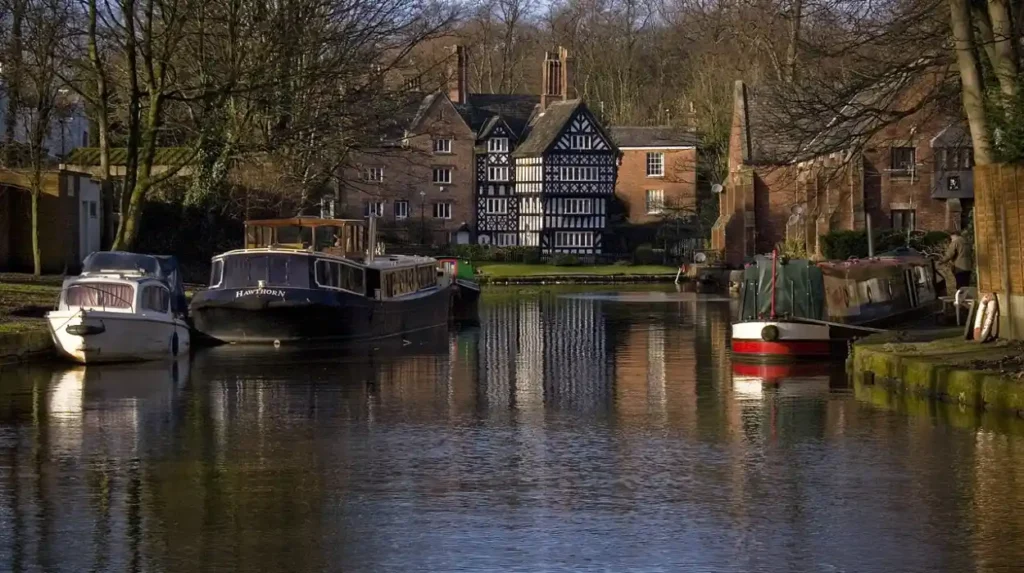
The Bridgewater Canal slices through Altrincham’s edge, offering one of the region’s most picturesque walking paths. Stretching from the town toward Lymm, this towpath provides a flat, traffic-free route shaded by mature willows and alive with narrowboat activity. Pedestrians access it easily from Navigation Road, where a short stroll leads to waterside views perfect for unwinding.
Engineered in the 1760s by the Duke of Bridgewater, the canal revolutionized transport but now serves as a recreational lifeline. Walkers cover about six miles round-trip to Dunham, passing wildflower meadows and bird hides that enrich the journey. The path’s even surface suits all ages, though sturdy shoes help on occasional muddy patches after rain.
Linking to Altrincham Interchange via trams, this route exemplifies integrated transport that favors feet over wheels. Evening walks here capture sunset reflections on the water, turning routine commutes into therapeutic escapes.
Circular Trails for Every Explorer
Altrincham’s circular walks, like the popular six-mile Mid Cheshire Rail Trail, start and end at the interchange for seamless public transport ties. This loop weaves through town vibrancy, Dunham woodlands, and canal stretches, showcasing diverse terrains from paved precincts to gentle countryside tracks. Families appreciate the moderate 2-3 hour duration, with cafes en route for breaks.
Detailed maps from Greater Manchester Moving highlight stiles and gates, but most sections remain accessible without climbing. The trail connects to Hale and Timperley extensions, allowing customized loops up to nine miles. Golf courses flank parts of the path, adding open vistas without intrusion.
These routes promote health by encouraging regular movement, with signposts detailing distances and points of interest. In spring, bluebells carpet the woods, making repeats irresistible for locals.
Health and Wellbeing Boost from Walking
Walking in Altrincham delivers tangible health gains, from cardiovascular fitness to mental clarity. Studies link daily pedestrian habits to lower obesity rates, and this town’s layout facilitates 10,000-step goals effortlessly. Proximity to amenities means residents hit recommended activity levels without gym memberships.
The NHS endorses such environments for reducing stress, as green views along canal paths lower cortisol. Community groups like Altrincham Ramblers organize taster walks, building social bonds alongside physical strength. Seniors benefit from flat gradients minimizing fall risks.
Post-pandemic, walking surged as a safe outdoor pursuit, with Altrincham’s paths seeing increased use. This shift underscores the town’s role in fostering resilient, active lifestyles amid urban pressures.
Economic Perks of a Walkable Town
Pedestrian-friendly design fuels Altrincham’s economy by drawing footfall to local businesses. Market vendors report higher sales on walkable days, as strollers impulse-buy from pop-up stalls. Independent shops on pedestrian streets outperform car-dependent rivals, with turnover boosted by browsers who arrive on foot.
Trafford Council’s investments in cycle-walk lanes correlate with rising property values, as buyers seek walk scores above 80. Tourists contribute too, with overnight stays up due to explorable attractions. Events like the food festival transform streets into open-air venues, amplifying economic ripples.
This model proves walkability as a growth engine, where convenience translates to commerce without sprawling parking lots.
Green Spaces Enhancing Foot Travel

Dunham Massey deer park lies just a 20-minute walk from Altrincham centre, offering 300 acres of ancient oaks and roaming deer. Paths here range from gravel lanes to meadow trails, ideal for immersive nature walks. The Orangery tearoom provides mid-hike refreshment, extending visits.
Closer in, Stamford Park features boating lakes and playgrounds connected by leafy avenues. These lungs of the town improve air quality, making walks invigorating. Biodiversity thrives, with bat boxes and wild areas spotted along routes.
Seasonal changes—autumn foliage to summer blooms—keep paths dynamic, encouraging frequent pedestrian forays.
Navigating Challenges on Foot
Despite strengths, Altrincham faces walkability hurdles like occasional narrow pavements near schools during rush hours. Heavy rain can slick canal towpaths, prompting slip hazards. Yet, council remedies include grippy surfacing and drainage upgrades.
Air quality dips near busy roads, but green buffers mitigate this. Disabled access improves with tactile paving, though rural stiles pose barriers. Ongoing feedback loops via resident apps refine these paths.
Future Plans for Superior Walkability
Trafford’s Local Plan eyes expanded pedestrian zones by 2030, with shared streets trialing in 2026. Bee Network integrations promise seamless tram-walk combos, while wildflower corridors will prettify routes. Funding from Active Travel bids targets gap closures, like Hale links.
Tech like wayfinding apps and e-bike hires will enhance navigation. Community input shapes these, ensuring resident-led progress. Altrincham aims for top-tier walkability, rivaling European peers.
Why Families Thrive Here
Parents favor Altrincham’s short school runs on pavements with lollipop patrols. Parks offer play breaks, turning errands into adventures. Pram-friendly canal flats suit new mums, fostering early outdoor habits.
Youth sports clubs access fields via safe paths, promoting activity from young ages. This ecosystem nurtures healthy generations rooted in pedestrian culture.
Commuter Walks to Stations
Altrincham Interchange buzzes as a walkable hub, with five-minute strolls from most homes. Platforms link to Manchester in 25 minutes, rewarding foot arrivals with tram options. Bike racks encourage multimodal trips.
Evening returns feel safe under lighting, with direct town access. This connectivity slashes car commutes, easing congestion.
Seasonal Walking Delights
Winter illuminates with festive markets, paths cleared promptly. Spring bursts with canal cherry blossoms, inviting dawn walks. Summer evenings hum with events, while autumn crunches leaves underfoot. Year-round appeal keeps Altrincham moving.
Accessibility for All Walkers
Ramped crossings and audio signals aid visually impaired. Wheelchair users navigate precincts smoothly, with canal adaptations underway. Age-friendly benches dot routes, supporting longer outings.
Inclusive design ensures no one misses Altrincham’s pedestrian joys.
Community Events on Foot
Parkrun Saturdays pack Stamford Park with 300 runners-walking hybrids. Food and craft fairs claim streets, turning walks into festivals. Rambler-led tours unveil hidden histories, deepening local ties.
These gatherings amplify walkability’s social fabric.
Sustainability Through Steps
Each foregone car trip saves emissions, aligning with net-zero goals. Altrincham’s paths cut traffic 15% in core zones. Green infrastructure like permeable pavements manages floods pedestrian-style.
This ethos positions the town as a sustainability leader.