Manchester city centre has experienced significant residential growth over the past two decades. However, rising housing costs, changing lifestyle priorities, demand for larger homes and the growth of remote working are reshaping where people choose to live. Increasing numbers of residents are considering neighbourhoods outside the city centre, including Greater Manchester suburbs and surrounding towns.
- What Does Moving Out of Manchester City Centre Actually Mean?
- Why Are Housing Costs Encouraging Residents to Leave Manchester City Centre?
- How Do Apartment Service Charges Affect the Cost of Living?
- Why Are Renters Comparing City Centre and Suburban Housing?
- Are Families Leaving Manchester City Centre Because They Need More Space?
- Why Are Gardens and Outdoor Spaces Important?
- How Do Schools Influence Residential Decisions?
- Why Do Growing Families Prefer Traditional Houses?
- Is Remote Working Changing Where Manchester Residents Choose to Live?
- Why Are Professionals Choosing Suburban Working Environments?
- Does Hybrid Working Reduce the Importance of Living Near Offices?
- Which Manchester Neighbourhoods Are Attracting Residents Moving Away From the Centre?
- Why Is Didsbury Popular With People Leaving Central Manchester?
- Why Are Residents Considering Chorlton?
- Is Prestwich Becoming an Alternative to City Centre Living?
- Why Are People Looking Beyond Manchester Towards Stockport and Sale?
- Does Transport Connectivity Make Moving Outside Manchester City Centre Easier?
- How Does the Metrolink Support Suburban Living?
- What Role Does the Bee Network Play?
- Are Longer Commuting Times a Disadvantage?
- Are Lifestyle Changes Making Manchester City Centre Less Attractive?
- Do Residents Want Quieter Residential Neighbourhoods?
- Why Does Access to Green Space Matter?
- Are Residents Looking for Stronger Local Communities?
- Is Manchester City Centre Actually Losing Its Residents?
- Is New Apartment Construction Still Supporting City Centre Growth?
- What Does Research Say About Manchester City Centre’s Residential Future?
- Are Safety, Congestion and Everyday Expenses Influencing Moving Decisions?
- How Does Traffic and Parking Affect City Centre Living?
- Does Noise Influence Residential Preferences?
- Are Household Expenses Encouraging People to Relocate?
- What Are the Disadvantages of Moving Away From Manchester City Centre?
- Will Residents Spend More Time Commuting?
- Can Moving Away Affect Social Connections?
- Are Suburban Areas Equally Suitable for Everyone?
- What Does the Future of Manchester City Centre Living Look Like?
- Will Manchester Build More Family-Friendly Housing?
- Will Transport Improvements Encourage More Suburban Living?
- Will Manchester City Centre Remain Attractive to Young Professionals?
- Why Are People Moving Out of Manchester City Centre?
The movement away from central Manchester reflects a wider change in urban living. Young professionals, growing families, established homeowners and renters increasingly assess the balance between affordability, space, transport connections and access to employment.
This trend does not mean Manchester city centre is losing its appeal. Instead, it highlights changing housing preferences and the growing importance of Greater Manchester as a connected residential area.
What Does Moving Out of Manchester City Centre Actually Mean?
Moving out of Manchester city centre means relocating from central residential neighbourhoods to outer Manchester districts or Greater Manchester towns. It includes moves from apartments in the Northern Quarter, Ancoats and Deansgate to suburban homes in areas such as Didsbury, Chorlton, Prestwich and Stockport.
Manchester city centre refers to the central commercial and residential district surrounding locations such as Piccadilly, Market Street, Deansgate, Spinningfields and the Northern Quarter. It contains apartments, converted warehouses, modern residential developments, offices, shops and entertainment venues.
Moving out does not necessarily mean leaving Manchester. Residents frequently relocate within the wider metropolitan area while maintaining their employment, social connections and access to central facilities.
Greater Manchester is a metropolitan county containing 10 local authority districts:
- Manchester.
- Salford.
- Trafford.
- Stockport.
- Tameside.
- Oldham.
- Rochdale.
- Bury.
- Bolton.
- Wigan.
This distinction matters when interpreting housing and migration statistics. Manchester City Council’s population figures cover the entire Manchester local authority area, not just the city centre.
According to Manchester City Council’s 2025 Authority Monitoring Report, Manchester’s estimated population reached 645,097 in mid-2025. This represented approximately 42% growth over 20 years.
The figures demonstrate that Manchester continues to attract residents overall. They do not establish a city-centre population exodus. Instead, changing residential preferences form part of a wider housing and demographic transition.
Why Are Housing Costs Encouraging Residents to Leave Manchester City Centre?
Housing affordability is a major consideration for Manchester residents evaluating a move outside the centre. Rising rents, mortgage commitments, service charges and household expenses influence decisions, particularly among renters, first-time buyers and households seeking additional bedrooms.
Manchester’s housing market has changed considerably as the city has attracted new residents, businesses and investment. Modern apartment developments have expanded the supply of central accommodation, particularly around Ancoats, New Islington, Deansgate and the Northern Quarter.
However, central accommodation involves more than the advertised monthly rent or mortgage payment.
Private renters consider rental increases, deposits, energy bills and tenancy costs. Apartment owners also account for mortgage repayments, ground rent where applicable, building insurance and service charges.
The Office for National Statistics (ONS) provides a useful picture of the wider Manchester housing market. Its October 2026 figures recorded an average monthly private rent of £1,386 across Manchester. Average rent had increased by 4.7% compared with October 2025.
The average house price reached £255,000 in September 2026, representing a 1.4% annual increase.
These figures cover the Manchester local authority area rather than city-centre apartments specifically. They nevertheless demonstrate the financial pressures affecting households across the city. Office for National Statistics
How Do Apartment Service Charges Affect the Cost of Living?
Service charges are payments made by leaseholders towards the maintenance and management of shared residential buildings. They commonly cover communal cleaning, lifts, building insurance, maintenance, security and management services.
Large apartment developments require ongoing maintenance. Residents contribute towards these expenses even when they do not use every communal facility.
Buildings with concierge services, gyms, landscaped gardens and shared lounges also have operating and maintenance requirements.
For apartment buyers, service charges affect the total cost of ownership. Mortgage affordability calculations and household budgets therefore need to account for these recurring expenses.
This makes suburban houses attractive to some buyers who prefer private outdoor space and fewer shared facilities.
Why Are Renters Comparing City Centre and Suburban Housing?
Renters increasingly assess the relationship between monthly payments and available living space.
A central one-bedroom apartment provides convenient access to employment, shopping and entertainment. A suburban property offers a different combination of bedrooms, gardens, parking and residential surroundings.
The ONS recorded the following average Manchester rents in October 2026:
- One-bedroom properties: £1,010 per month.
- Two-bedroom properties: £1,244 per month.
- Three-bedroom properties: £1,448 per month.
- Four-bedroom or larger properties: £2,032 per month.
These figures cover different property types and locations throughout Manchester. They are not direct city-centre versus suburban comparisons.
Nevertheless, bedroom requirements strongly influence residential decisions. A household moving from a one-bedroom apartment to a three-bedroom house prioritises space differently from a single professional seeking accommodation near an office.
Are Families Leaving Manchester City Centre Because They Need More Space?
Families consider moving beyond Manchester city centre because suburban properties frequently provide more bedrooms, private gardens, storage and residential space. Growing households also prioritise school access, childcare, nearby parks and quieter residential streets when choosing where to live.
Apartment living suits many individuals and couples. However, household requirements change when residents have children or plan to establish families.
A growing household needs additional bedrooms, storage and practical living areas. Families also consider the location of schools, nurseries, healthcare facilities and recreational spaces.
Central Manchester contains family-friendly facilities, including parks, cultural attractions and educational institutions. However, some households prefer suburban neighbourhoods because their housing requirements are easier to accommodate in traditional houses.
Why Are Gardens and Outdoor Spaces Important?
Private gardens provide space for children to play, outdoor activities and everyday household use.
Many central apartments have balconies or shared communal gardens rather than private outdoor areas. These facilities serve different purposes from a private garden attached to a house.
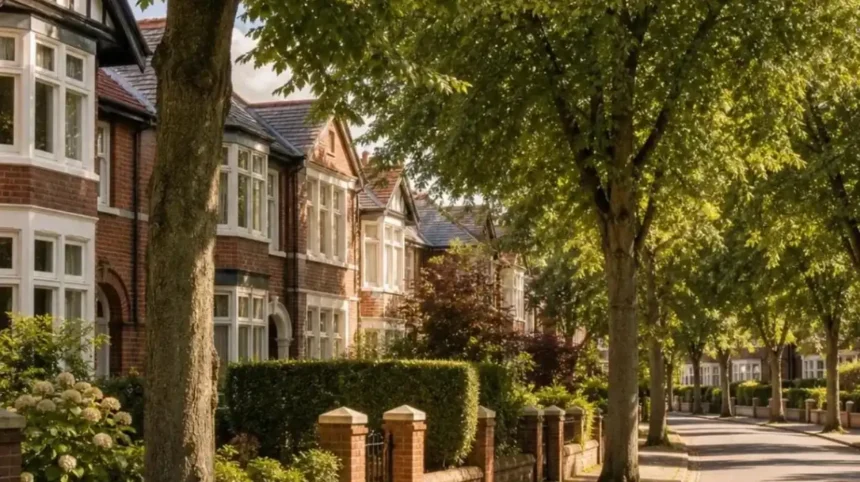
Suburban neighbourhoods such as Didsbury, Chorlton, Prestwich and parts of Stockport contain residential streets with terraced, semi-detached and detached houses.
Residents also consider proximity to public parks and green spaces.
Examples include:
- Fletcher Moss Botanical Garden in Didsbury.
- Chorlton Water Park in Chorlton.
- Heaton Park in north Manchester.
- Platt Fields Park in Fallowfield.
- Sale Water Park in Trafford.
Access to green space supports outdoor recreation and everyday family activities.
How Do Schools Influence Residential Decisions?
School access is another important consideration for families relocating within Greater Manchester.
Parents examine school admissions arrangements, catchment areas, Ofsted inspection reports, transport routes and childcare availability.
Neighbourhoods such as Didsbury, Chorlton, Sale and Prestwich attract interest from households comparing residential facilities and educational options.
However, living near a particular school does not automatically guarantee admission. Manchester City Council and other Greater Manchester local authorities operate their own school admissions arrangements.
Families should check current admission criteria and availability before choosing a property based on school proximity.
Why Do Growing Families Prefer Traditional Houses?
Traditional houses frequently provide separate living spaces, multiple bedrooms, private entrances and additional storage.
A three-bedroom semi-detached house accommodates different household activities more easily than a compact apartment.
Residents also consider the practicalities of pushchairs, bicycles, children’s equipment and visiting relatives.
These requirements explain why some households move towards outer residential districts after several years in central Manchester.
Is Remote Working Changing Where Manchester Residents Choose to Live?
Remote and hybrid working have reduced the need for some professionals to live within walking distance of Manchester offices. Employees working from home several days weekly increasingly consider suburban neighbourhoods offering additional space and convenient transport connections.
The coronavirus pandemic accelerated changes in working arrangements across the UK. Many employers introduced flexible working policies, allowing employees to divide their working week between offices and home.
This shift has influenced residential priorities. Previously, living close to Deansgate, Spinningfields, Piccadilly or Manchester’s business district offered significant advantages to office workers.
Hybrid working changes that calculation. Employees attending offices two or three days weekly can consider homes further from their workplaces without making the same daily commute.
The ONS reported that 28% of working adults in Great Britain participated in hybrid working between January and March 2025. Hybrid working involves combining home working with travelling to a workplace.
The trend is particularly relevant to professionals, managers and employees in occupations that support remote working.
Why Are Professionals Choosing Suburban Working Environments?
Working from home requires a suitable environment. A dedicated office, reliable internet connection, sufficient storage and quiet surroundings improve everyday working conditions.
Small city-centre apartments do not always provide separate working areas. Residents living in one-bedroom apartments frequently use their living rooms or bedrooms as workspaces.
Suburban houses offer additional rooms that households can convert into home offices.
Neighbourhoods such as Sale, Didsbury, Chorlton and Prestwich provide access to residential properties while retaining connections to Manchester’s employment centres.
Does Hybrid Working Reduce the Importance of Living Near Offices?
Hybrid working changes the relationship between residential location and employment.
A person travelling into Spinningfields five days weekly has different housing priorities from someone attending an office twice a week.
The second worker can prioritise property size, residential surroundings and household affordability while accepting a longer journey on office days.
However, remote working does not eliminate commuting requirements. Many Manchester employers continue to require office attendance, meetings and in-person collaboration.
The practical decision depends on workplace policies, travel costs and individual working arrangements.
Which Manchester Neighbourhoods Are Attracting Residents Moving Away From the Centre?
Residents considering a move beyond central Manchester examine neighbourhoods offering housing variety, transport connections, green spaces and local facilities. Popular residential alternatives include Didsbury, Chorlton, Prestwich, Sale, Stockport and other Greater Manchester communities.
Manchester’s residential market extends well beyond its central business and entertainment districts.
Different neighbourhoods offer different combinations of housing, amenities and transport connections. Some retain an urban atmosphere, while others provide traditional suburban streets and larger residential properties.
Why Is Didsbury Popular With People Leaving Central Manchester?
Didsbury is a residential district in south Manchester known for independent businesses, restaurants, parks and established residential streets.
The area includes West Didsbury, Didsbury Village and East Didsbury. Each offers different residential surroundings and transport options.
Fletcher Moss Botanical Garden and nearby green spaces provide recreational opportunities. Metrolink services connect parts of Didsbury with Manchester city centre and other Greater Manchester destinations.
Didsbury attracts interest from professionals and families seeking a residential environment outside the central apartment market.
Why Are Residents Considering Chorlton?
Chorlton offers a combination of independent shops, restaurants, residential streets and access to outdoor recreation.
Chorlton Water Park and nearby Mersey Valley provide green spaces for walking, cycling and outdoor activities.
The neighbourhood also has Metrolink connections, making travel towards central Manchester possible without relying entirely on private cars.
Its residential character appeals to people seeking neighbourhood facilities alongside access to the wider city.
Is Prestwich Becoming an Alternative to City Centre Living?
Prestwich lies north of Manchester city centre in the Metropolitan Borough of Bury.
It offers residential streets, local shopping facilities, restaurants and access to Heaton Park, one of the largest municipal parks in Europe.
Metrolink connections provide access to Manchester city centre and surrounding destinations.
Prestwich attracts attention from households comparing suburban housing options with central apartments. Its location also makes it relevant to people working in north Manchester and neighbouring districts.
Why Are People Looking Beyond Manchester Towards Stockport and Sale?
Stockport and Sale provide further alternatives for residents seeking established town centres and residential communities.
Stockport offers railway connections, local shopping facilities and a mixture of traditional and modern housing. Its town centre also benefits from regeneration projects and investment.
Sale provides Metrolink connections, residential neighbourhoods and access to parks and local amenities. Its position within Trafford makes it relevant to households working across south Manchester and neighbouring areas.
These destinations demonstrate that moving out of the city centre does not require sacrificing access to Manchester’s employment and leisure opportunities.
Does Transport Connectivity Make Moving Outside Manchester City Centre Easier?
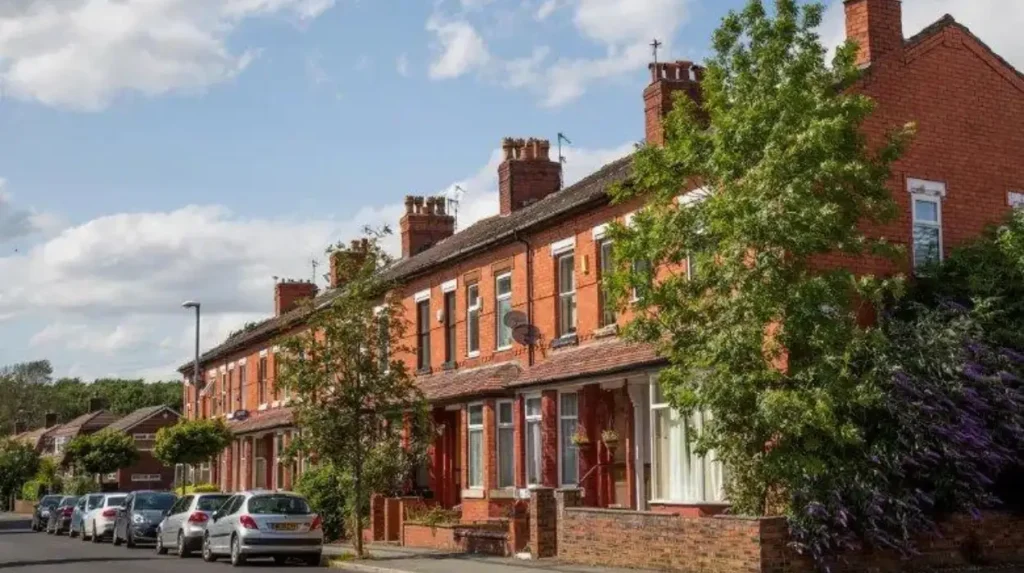
Transport connectivity allows residents to live outside Manchester city centre while maintaining access to employment, education and entertainment. Metrolink trams, buses, railway stations, cycling routes and major roads connect suburban communities with central Manchester.
Manchester’s transport network plays an important role in residential decisions.
The Bee Network, managed by Transport for Greater Manchester and the Greater Manchester Combined Authority, brings together local bus, tram and active travel services.
The Metrolink network has 99 stops and carried more than 45 million passenger journeys during 2024.
This network connects Manchester city centre with destinations including Bury, Altrincham, Ashton-under-Lyne, Eccles, Rochdale and East Didsbury.
How Does the Metrolink Support Suburban Living?
Metrolink provides an important connection between central Manchester and surrounding residential districts.
Residents can access employment, shopping, entertainment and educational facilities without living directly beside their workplaces.
The network also connects neighbourhoods with major destinations, including Manchester Airport, MediaCityUK and Trafford.
However, journey times and service frequency differ by route. Residents should check their actual commuting requirements before choosing a property.
What Role Does the Bee Network Play?
The Bee Network integrates buses, trams, walking, wheeling and cycling into Greater Manchester’s wider transport system.
Greater Manchester is also introducing local railway services into the network in phases.
According to the transport authority’s published plans, the first 14 railway stations are scheduled to join in December 2026, with further stations planned during 2027 and subsequent years.
The programme aims to improve connections and simplify local public transport journeys.
For people considering a suburban move, these improvements are relevant because they strengthen connections between residential areas and employment centres.
Are Longer Commuting Times a Disadvantage?
Living outside Manchester city centre can increase commuting distances.
Residents need to consider the complete journey rather than simply measuring the distance between home and work.
A property close to a tram stop or railway station can provide more convenient access than a geographically closer home with limited public transport.
Commuting expenses also influence affordability. Travel passes, fuel, parking and occasional taxi journeys contribute to household budgets.
A lower monthly rent does not automatically produce overall savings if commuting expenses increase substantially.
Are Lifestyle Changes Making Manchester City Centre Less Attractive?
Lifestyle changes influence residential decisions as people reassess their priorities around privacy, green spaces, entertainment, household routines and neighbourhood facilities. City-centre living remains attractive, but its advantages differ between individuals, couples and growing families.
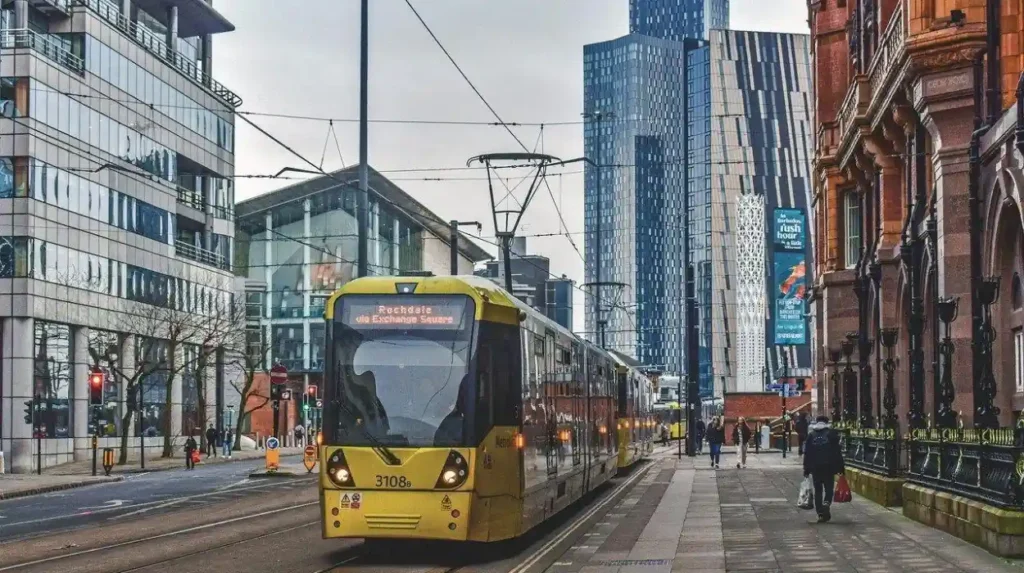
Manchester city centre provides access to restaurants, bars, shopping centres, theatres, offices and cultural attractions.
The Northern Quarter, Ancoats, Deansgate and Spinningfields attract residents who value convenient access to entertainment and employment.
However, residential preferences change over time.
People who initially choose central apartments for nightlife and proximity to work can eventually prioritise different facilities.
Do Residents Want Quieter Residential Neighbourhoods?
Central Manchester contains busy commercial streets, nightlife venues, restaurants and entertainment destinations.
These activities contribute to the city’s economy and cultural identity. However, residents living close to busy venues experience different surroundings from households in quieter residential districts.
Noise from late-night businesses, traffic, deliveries and construction influences the residential experience.
Some residents therefore consider neighbourhoods outside the busiest commercial areas.
This does not mean every suburban location is quiet or that every city-centre building experiences noise problems. Individual street conditions, building insulation and property location determine the actual experience.
Why Does Access to Green Space Matter?
Green spaces support walking, exercise, recreation and family activities.
Manchester city centre includes public spaces such as Piccadilly Gardens and nearby areas around the River Irwell. However, some suburban neighbourhoods offer more immediate access to larger parks and outdoor environments.
Examples include Heaton Park, Chorlton Water Park, Fletcher Moss Botanical Garden and Sale Water Park.
For residents who exercise regularly, own dogs or have children, access to these facilities can influence where they choose to live.
Are Residents Looking for Stronger Local Communities?
Residential neighbourhoods provide everyday facilities beyond housing.
Local shops, independent cafés, libraries, community centres, schools and recreational clubs help establish neighbourhood identities.
People living in suburban districts often use local facilities for regular activities rather than travelling into the city centre.
This preference becomes more important for households spending more time near home.
Is Manchester City Centre Actually Losing Its Residents?
Manchester’s wider population and city-centre housing development figures do not support a simple claim of mass residential departure. The evidence shows continued population growth, substantial apartment construction and changing housing preferences across Greater Manchester.
This distinction is essential when reporting on the topic.
Anecdotal reports about residents moving into suburbs do not establish a citywide migration trend. Reliable conclusions require population estimates, migration statistics, housing completions and residential occupancy data.
Manchester City Council estimated the city’s population at 645,097 in mid-2025. This represented approximately 42% growth over the previous 20 years.
The Greater Manchester Combined Authority’s Census 2021 briefing also documented strong population growth in Manchester and Salford. Almost 85,000 people lived within one mile of Piccadilly Gardens in 2021, compared with approximately 11,300 in 1991.
Is New Apartment Construction Still Supporting City Centre Growth?
Manchester continues to develop residential properties within and around the city centre.
The Manchester City Council Authority Monitoring Report 2024/25 recorded 2,129 gross residential units delivered within the city-centre boundary during 2024/25.
Of these units, 2,126 were flats and three were houses.
The report recorded a cumulative total of 15,273 residential units since 2009/10. Student accommodation was included in the figures from 2012/13 onwards. Manchester City Council
These figures demonstrate continued residential development rather than a straightforward withdrawal of investment from central Manchester.
What Does Research Say About Manchester City Centre’s Residential Future?
Property research published by Savills in May 2025 estimated Manchester’s city-centre population at approximately 80,000, compared with around 500 residents in 1980.
The research projected that the population could reach 100,000 by the end of the decade.
It also identified continued residential development and demand for urban accommodation as important features of Manchester’s housing market. Homes and City Centre Living
These estimates are important because they provide historical context for the current discussion.
Manchester city centre has experienced substantial residential expansion. The current movement towards suburban housing preferences should therefore be understood alongside decades of urban growth.
Are Safety, Congestion and Everyday Expenses Influencing Moving Decisions?
Everyday living conditions influence where Manchester residents choose to settle. Traffic congestion, parking expenses, noise, household bills and perceptions of neighbourhood safety contribute to residential comparisons between central apartments and suburban properties.
City-centre residents benefit from proximity to workplaces, restaurants, shopping and public transport. However, central locations also experience substantial commercial and transport activity.
Residents assess these conditions differently depending on their routines, employment and household circumstances.
How Does Traffic and Parking Affect City Centre Living?
Manchester city centre contains busy roads, commercial delivery routes and major transport interchanges.
Residents who own cars consider parking availability, residential permits, private parking charges and access to major roads.
Apartment developments frequently provide limited parking spaces. Some residents therefore depend on public transport or pay additional costs for private parking.
Suburban properties with driveways or garages offer a different arrangement. However, car ownership also creates expenses involving fuel, insurance, maintenance and parking at workplaces.
Does Noise Influence Residential Preferences?
Noise comes from several sources, including nightlife, traffic, construction, public events and commercial deliveries.
Residents living above restaurants, close to entertainment venues or beside busy roads experience different conditions from those living on quieter residential streets.
Building insulation, window quality and the location of bedrooms influence indoor noise levels.
People considering a move should evaluate individual properties rather than assume every central apartment experiences the same problems.
Are Household Expenses Encouraging People to Relocate?
The cost of living includes more than housing payments.
Households consider council tax, utilities, internet, transport, groceries, childcare and insurance.
A suburban property can reduce some accommodation-related expenses while increasing transport costs.
A central apartment can reduce commuting requirements but involve substantial service charges and limited living space.
Residents therefore compare total household expenditure rather than relying exclusively on rental prices or property values.
What Are the Disadvantages of Moving Away From Manchester City Centre?
Moving outside Manchester city centre provides access to different housing options, but residents also face disadvantages involving commuting, transport dependence, reduced access to nightlife and potential changes to established social and professional routines.
Suburban living is not automatically more convenient or affordable.
The benefits depend on individual circumstances, workplace locations, transport availability and household requirements.
Will Residents Spend More Time Commuting?
People moving towards outer Manchester neighbourhoods often increase the distance between home and work.
Residents travelling into central offices need to consider morning and evening peak services, connections and transport reliability.
For employees working five days a week in the office, commuting arrangements can significantly affect daily routines.
Hybrid workers have greater flexibility, but occasional office attendance still requires planning.
Can Moving Away Affect Social Connections?
Manchester city centre contains concentrated entertainment, hospitality and cultural facilities.
People who regularly visit restaurants, bars, theatres and music venues can find suburban living requires additional travel.
Moving away from established neighbourhoods can also change access to friends, colleagues and community activities.
Residents should consider their existing social routines before relocating.
Are Suburban Areas Equally Suitable for Everyone?
Different neighbourhoods serve different residential requirements.
A household with children prioritises schools, parks and larger properties. A young professional might prioritise employment access, restaurants and public transport.
A retired resident might value healthcare facilities, local shopping and accessible transport.
There is no single neighbourhood that meets every household’s requirements.
Explore More Area Guide
Average Rent in Manchester: City Centre vs Suburbs
How Much Salary Do You Need to Live Comfortably in Manchester?
What Does the Future of Manchester City Centre Living Look Like?
Manchester city centre is expected to remain an important residential and employment destination. Future development, affordable housing provision, transport improvements and changing household requirements will determine how central and suburban neighbourhoods accommodate the city’s growing population.
Manchester’s residential future involves both central regeneration and development across surrounding districts.
The city’s planning strategy recognises the need for different housing types to accommodate changing demographics.
Will Manchester Build More Family-Friendly Housing?
Manchester City Council’s Authority Monitoring Report 2024/25 identifies Victoria North as a major residential regeneration opportunity.
The wider regeneration project has the potential to deliver up to 15,000 homes over the next 10 to 15 years, with 20% designated as affordable housing.
The development is intended to provide a wider range of accommodation, including family homes.
This is significant because housing choice influences whether residents remain close to central Manchester or relocate to neighbouring districts.
More suitable family housing within the city can support households that want additional space without leaving central neighbourhoods.
Will Transport Improvements Encourage More Suburban Living?
The Bee Network’s expansion is expected to improve connections across Greater Manchester.
Better integration between buses, trams and local railway services supports residents travelling between suburban communities and central employment districts.
Transport improvements also increase the importance of neighbourhoods located near reliable public transport.
However, the quality of connections, journey frequency and affordability remain important factors.
Will Manchester City Centre Remain Attractive to Young Professionals?
Manchester city centre continues to offer concentrated access to employment, education, entertainment and cultural facilities.
Spinningfields, Deansgate, Ancoats and the Northern Quarter remain important locations for people seeking urban accommodation.
Young professionals, students and individuals working in central businesses continue to form part of the city’s residential market.
The future is therefore likely to involve different housing preferences rather than one uniform movement away from central Manchester.
Why Are People Moving Out of Manchester City Centre?
People are considering moves away from Manchester city centre because their housing and lifestyle requirements are changing. Rising accommodation expenses, demand for additional space, family commitments, hybrid working and access to green spaces all influence residential decisions.
Neighbourhoods such as Didsbury, Chorlton, Prestwich, Sale and Stockport offer alternatives for households seeking different combinations of housing, transport and local facilities.
However, Manchester’s population continues to grow, and residential development remains active within the city centre. Official figures do not establish a mass exodus of residents.
The more accurate picture is a changing residential market in which people increasingly compare central apartments with suburban homes.
Manchester city centre remains attractive for employment, entertainment and urban living. Surrounding neighbourhoods provide alternative housing choices for people whose priorities have changed.
The future of Manchester housing will depend on how effectively the city and Greater Manchester provide affordable accommodation, suitable family homes, reliable transport and accessible community facilities.
Why are people moving out of Manchester city centre?
People are moving out of Manchester city centre because of rising housing costs, demand for larger homes, family requirements, hybrid working and preferences for quieter residential neighbourhoods. Many residents are choosing suburban areas while remaining close to Manchester’s employment opportunities.