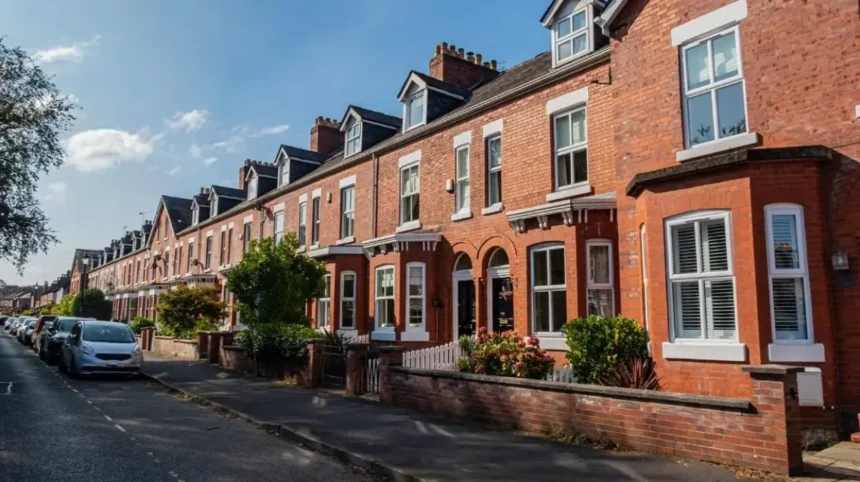
Living comfortably in Manchester requires a salary that covers rent, council tax, household bills, food, transport, personal expenses and savings. The amount depends on accommodation, household size, lifestyle and commuting requirements. Manchester remains an important UK employment and education centre, but rising housing costs make salary planning essential for residents, graduates and people relocating to the city.
- What Does Living Comfortably in Manchester Actually Mean?
- How Much Salary Does a Single Person Need to Live Comfortably in Manchester?
- How Much Is Rent in Manchester?
- Average Monthly Rent by Property Size
- Which Manchester Areas Offer Different Housing Options?
- Is Sharing Accommodation More Affordable?
- How Much Money Do You Need for Monthly Living Expenses in Manchester?
- What Are the Main Monthly Household Expenses?
- How Much Should You Spend on Groceries?
- How Much Do Utilities Cost in Manchester?
- How Much Is Council Tax in Manchester?
- How Much Does Transport Cost in Manchester?
- What Salary Do Couples Need to Live Comfortably in Manchester?
- What Salary Does a Family Need to Live Comfortably in Manchester?
- What Are the Average Salaries in Manchester?
- Which Industries Offer Employment Opportunities?
- How Does Manchester’s Median Salary Compare With the UK?
- How Much Salary Do You Need After Tax in Manchester?
- What Is the Difference Between Gross and Net Salary?
- How Much Monthly Take-Home Pay Does Each Salary Provide?
- Which Manchester Neighbourhoods Are Suitable for Different Budgets?
- Where Can Professionals Live Near Manchester City Centre?
- Which Areas Provide Suburban Residential Options?
- Is Salford a Practical Alternative?
- How Can You Save Money While Living in Manchester?
- Can Sharing Rent Improve Financial Stability?
- Does Public Transport Help Reduce Monthly Expenses?
- How Can Grocery Shopping Reduce Living Costs?
- Why Should Residents Build Emergency Savings?
- Is Manchester Affordable Compared With Other UK Cities?
- How Much Should You Earn to Save Money and Enjoy Life in Manchester?
- How Much Should You Save Each Month?
- What Expenses Should You Reduce First?
- How Can Salary Growth Improve Your Lifestyle?
- What Is the Final Salary Recommendation for Living Comfortably in Manchester?
For a single person renting privately, an estimated gross annual salary of £32,000–£38,000 provides a reasonable starting point for a comfortable lifestyle with controlled spending. Someone living alone in a more expensive city-centre apartment, maintaining a car or saving regularly needs a higher income. Couples sharing accommodation can manage household expenses on a lower combined income per person.
These figures are practical budgeting estimates rather than official minimum salary thresholds. The following guide explains Manchester’s living costs, typical expenses, salary expectations and the income required for different household situations.
What Does Living Comfortably in Manchester Actually Mean?
Living comfortably in Manchester means having enough disposable income to cover essential monthly expenses, enjoy social activities, manage unexpected costs and save regularly. It involves balancing housing, transport, food, utilities and personal spending without relying on credit for ordinary living expenses.
Comfortable living does not mean maintaining an expensive lifestyle. It means having financial stability after paying essential bills. A person earning £35,000 annually and sharing accommodation has a different financial position from someone earning the same amount while renting an entire apartment.
Understanding the Cost of Comfortable Living
A comfortable lifestyle generally includes:
- Suitable accommodation in a convenient neighbourhood.
- Regular grocery shopping and occasional restaurant visits.
- Reliable public transport or private vehicle access.
- Electricity, gas, water, broadband and mobile services.
- Clothing, entertainment and personal expenses.
- Emergency savings and contributions towards future goals.
Disposable income determines how comfortably someone manages these expenses. Disposable income is the money remaining after income tax, National Insurance and essential payments.
Why Salary Requirements Differ Between Residents
Manchester has different housing markets, employment opportunities and transport requirements. A graduate sharing a house in Fallowfield has different monthly expenses from a professional renting an apartment in Deansgate.
Household size also influences affordability. Two adults sharing rent, broadband and utility bills distribute these costs between them. A single parent supporting children faces additional childcare, food, transport and housing expenses.
How Much Salary Does a Single Person Need to Live Comfortably in Manchester?
A single person generally needs a gross annual salary of £32,000–£38,000 to maintain a comfortable lifestyle in Manchester while renting privately. This income supports accommodation, groceries, transport, household bills and moderate leisure spending, with some remaining money for savings and unexpected expenses.
The exact salary depends on whether someone rents a room, shares an apartment or lives independently. Housing is the largest factor in determining monthly affordability.
Estimated Salary Requirements for Single Residents
The following estimates provide practical salary benchmarks for different lifestyles.
These are planning estimates, not official salary thresholds. They assume employment income, ordinary tax circumstances and no substantial debt repayments.
Why £35,000 Is a Useful Salary Benchmark
An employee earning £35,000 annually receives approximately £2,390 per month after standard Income Tax and employee National Insurance deductions under the 2026/27 tax assumptions.
This monthly income provides a reasonable starting point for budgeting. Someone renting a moderately priced apartment, preparing meals at home and using public transport can manage regular expenses without spending their entire salary.
However, someone paying expensive city-centre rent, maintaining a vehicle or supporting dependants requires additional income.
How Much Is Rent in Manchester?
Rent is one of the largest expenses for Manchester residents. According to the Office for National Statistics, the average private monthly rent reached £1,386 in Manchester in October 2026. One-bedroom properties averaged £1,010, while two-bedroom properties averaged £1,244. Office for National Statistics
Manchester offers different accommodation options, including city-centre apartments, shared houses, suburban properties and purpose-built student accommodation.
Average Monthly Rent by Property Size
The following ONS figures provide a useful indication of private rental costs in Manchester.
These figures represent averages across the Manchester local authority area. Actual rents depend on location, property condition, facilities and tenancy arrangements.
Which Manchester Areas Offer Different Housing Options?
Manchester residents choose neighbourhoods according to their budgets, commuting requirements and lifestyle preferences.
- Northern Quarter: An established central neighbourhood with apartments, independent businesses, restaurants and cultural venues.
- Ancoats: A popular residential district with modern apartments, converted industrial buildings and restaurants.
- Deansgate: A central area with high-rise apartments, offices, shopping facilities and nightlife.
- Salford: An adjoining city with residential developments, MediaCityUK and transport connections to Manchester.
- Fallowfield: A residential area with shared student houses, rental accommodation and university connections.
- Withington: A neighbourhood with traditional residential properties, local shops and public transport connections.
- Chorlton: A residential district with independent shops, restaurants, green spaces and family housing.
Living outside the city centre often provides access to different property sizes and rental options. However, residents should include commuting costs when comparing neighbourhoods.
Is Sharing Accommodation More Affordable?
Sharing accommodation reduces the amount each resident pays towards rent and household bills. For example, two people sharing a £1,244 monthly property pay £622 each before utilities and council tax.
This arrangement makes a salary of £25,000–£30,000 more manageable for a single working professional, depending on other financial commitments.

How Much Money Do You Need for Monthly Living Expenses in Manchester?
A single person renting privately should plan for approximately £1,800–£2,400 in monthly spending, depending on accommodation, transport and lifestyle. This budget includes rent, utilities, council tax, groceries, transport, communication services and personal expenses.
Monthly budgeting helps residents understand the relationship between salary and disposable income. It also identifies expenses that require attention when planning a move to Manchester.
What Are the Main Monthly Household Expenses?
These are illustrative planning allowances, not official Manchester household expenditure averages. Actual costs vary by property, consumption and individual circumstances.
This example demonstrates why a salary above £30,000 provides more financial flexibility than an entry-level income when renting alone.
How Much Should You Spend on Groceries?
A single adult should budget approximately £220–£300 monthly for groceries when preparing most meals at home.
Food expenditure depends on shopping habits, dietary requirements and the number of meals purchased outside the home.
Shopping at supermarkets such as Aldi, Lidl, Asda and Tesco provides different price points. Buying staple foods, planning weekly meals and limiting takeaway purchases helps control grocery expenses.
A household that regularly eats at restaurants requires a larger food budget. Restaurant meals, coffee purchases and food deliveries increase discretionary spending beyond ordinary grocery costs.
How Much Do Utilities Cost in Manchester?
Utilities include electricity, gas and water. Broadband and mobile services are additional household expenses.
Ofgem’s energy price cap provides an important reference for understanding electricity and gas costs. For October to December 2026, the typical annual direct-debit bill under the price cap was £1,723 across Great Britain. This equates to approximately £144 per month.
This is a national typical-consumption illustration, not a fixed monthly bill or a Manchester-specific charge. Actual costs depend on property size, insulation, heating systems, energy usage and payment arrangements.
People sharing accommodation should establish whether utilities are included in their rent. This prevents duplicate budgeting and provides a clearer picture of their actual housing costs.
How Much Is Council Tax in Manchester?
Manchester council tax depends on the property’s valuation band, with eight bands ranging from A to H. For 2026/27, annual charges range from £1,541.36 for Band A to £4,624.08 for Band H. A Band D property costs £2,312.04 annually. Manchester City Council
Council tax is a local property-based charge used to fund services such as waste collection, local administration and community services.
Manchester Council Tax Charges for 2026/27
A Band A property costs approximately £128.45 monthly when the annual charge is divided into 12 payments. A Band D property costs approximately £192.67 monthly on the same basis.
Can Single Residents Receive Council Tax Discounts?
People living alone generally qualify for a 25% single-person discount when they are the only countable adult resident in the property.
Eligibility depends on the household’s circumstances and council tax rules. Certain residents, including qualifying full-time students, receive different treatment under council tax regulations.
Residents should check their eligibility with Manchester City Council before calculating their final monthly housing costs.
How Much Does Transport Cost in Manchester?
Transport costs in Manchester depend on commuting distance, travel frequency and the transport services residents use. The Bee Network operates the city’s integrated public transport system, including buses and Metrolink trams, with contactless payment and daily and weekly fare caps.
What Are the Bee Network Travel Costs?
Transport for Greater Manchester publishes adult fares for bus and tram journeys.
Current examples include:
- Bus single journey: £2.
- Bus weekly ticket: £20.
- Tram weekly ticket for one zone: £10.60.
- Bus and one tram zone weekly ticket: £24.80.
- Bus and tram zones 1 and 2 weekly ticket: £30.30.
These fares depend on the journey and applicable ticket conditions. Powered by TfGM
A regular commuter should calculate the cost of their actual route rather than automatically selecting the most expensive travel pass.
Is Public Transport Cheaper Than Driving?
Public transport generally avoids several expenses associated with private vehicle ownership.
Driving involves fuel, vehicle insurance, road tax, maintenance, parking and possible financing repayments. Commuters who travel short distances can compare these expenses against Bee Network fares.
People living in suburban neighbourhoods should also consider the distance between their homes, workplaces and nearest public transport stops.

What Salary Do Couples Need to Live Comfortably in Manchester?
A couple sharing accommodation generally needs a combined gross annual salary of approximately £45,000–£55,000 for a comfortable lifestyle in Manchester. Two incomes help distribute rent, council tax, utilities, groceries and transport costs while providing additional opportunities for saving.
Sharing housing costs creates financial advantages because many household expenses do not double when another adult moves into the property.
How Much Should a Couple Budget Each Month?
A couple renting a two-bedroom property can use the following illustrative budget.
The household’s financial position depends on whether both adults work, whether they own a vehicle and whether they have debt or childcare commitments.
Is One Salary Enough for Two Adults?
One person earning £35,000–£40,000 can support a modest two-adult household if the couple shares accommodation and controls discretionary spending.
However, the household has less financial flexibility if the second adult does not work. A single income must cover all household expenses and provide protection against unexpected costs.
Two working adults earning £25,000 each generate a combined gross income of £50,000. This creates a different financial position from one person earning the same amount because both individuals contribute to household income.
What Salary Does a Family Need to Live Comfortably in Manchester?
A family with children generally needs a higher household income than a single professional or couple without dependants. A combined gross annual income of approximately £55,000–£70,000 provides a starting planning range for a family with one or two children, depending on housing, childcare and transport requirements.
Family expenses extend beyond accommodation and groceries. Parents also budget for childcare, school-related purchases, clothing, healthcare-related costs and activities for children.
What Additional Expenses Affect Families?
Three important areas influence family affordability:
Childcare: Nursery fees, childminders and after-school care create substantial expenses for working parents. Costs depend on the child’s age, hours of care and available government-funded support.
Housing: Families generally require larger properties. A three-bedroom property has a higher rental cost than a one-bedroom apartment.
Education and activities: School uniforms, transport, books, clubs and recreational activities contribute to annual household expenditure.
How Does Family Size Change Salary Requirements?
A family with one child has different financial needs from a household with three children.
Parents sharing childcare responsibilities and working full-time also have different expenses from single-parent households.
Families should calculate housing and childcare costs before deciding whether a salary offer provides sufficient financial security.
What Are the Average Salaries in Manchester?
Manchester offers employment opportunities across professional services, healthcare, education, technology, retail, hospitality and manufacturing. However, actual salaries depend on experience, qualifications, occupation and employer. Comparing local earnings with living costs helps workers assess whether a job offer supports their financial requirements.
According to the 2025 Annual Survey of Hours and Earnings data published through Nomis, full-time employees living in Manchester earned median gross weekly pay of £715.60. This represents approximately £37,211 annually when multiplied by 52 weeks. Official Census and Labour Market Statistics
This is an important benchmark because it shows the relationship between local earnings and the estimated salary required for comfortable living.
Which Industries Offer Employment Opportunities?
Manchester has a diverse employment market.
- Financial and professional services: Banking, accounting, insurance, legal services and business consultancy.
- Healthcare: Nursing, medical administration, healthcare support and specialist clinical roles.
- Technology: Software development, cybersecurity, digital marketing and data analysis.
- Education: Teaching, university administration, research and student support.
- Retail and hospitality: Customer service, restaurant management, sales and hotel operations.
- Manufacturing and logistics: Engineering, warehousing, distribution and supply chain management.
These industries offer different salary levels. Specialist positions and management responsibilities generally require different qualifications and experience from entry-level roles.
How Does Manchester’s Median Salary Compare With the UK?
The 2025 Nomis figures show that Manchester’s median weekly earnings for full-time residents were £715.60, compared with £766.60 across Great Britain.
This difference demonstrates that local workers earned less than the national median in that dataset. Official Census and Labour Market Statistics
However, national salary comparisons do not establish affordability on their own. Housing costs, commuting requirements, household composition and disposable income determine how far an individual’s earnings go.
How Much Salary Do You Need After Tax in Manchester?
Your take-home salary determines how much money is available for everyday living expenses. Employees pay Income Tax and National Insurance according to applicable thresholds and earnings. A gross salary of £35,000 provides approximately £2,390 monthly after standard deductions under the assumptions used here.
The UK tax system uses different income bands. For the 2026/27 tax year, the standard Personal Allowance is £12,570. The basic Income Tax rate is 20% on taxable earnings within the basic-rate band, followed by 40% at the higher rate.
What Is the Difference Between Gross and Net Salary?
Gross salary is the total annual employment income before deductions. Net salary is the amount received after deductions such as Income Tax and employee National Insurance.
For example, an employee earning £35,000 does not receive £35,000 directly into their bank account. Their employer deducts applicable taxes and National Insurance through the PAYE system.
Pension contributions, student loan repayments and other deductions further reduce take-home pay.
How Much Monthly Take-Home Pay Does Each Salary Provide?
The following estimates assume standard tax treatment, a £12,570 Personal Allowance, employee National Insurance at the standard 8% main rate, and no pension or student loan deductions.
Illustrative estimates using 2026/27 England tax assumptions. Actual payroll deductions depend on individual circumstances.
This comparison explains why a salary of £35,000 provides a different standard of living from £25,000, even though the gross difference is £10,000.
Which Manchester Neighbourhoods Are Suitable for Different Budgets?
Manchester has neighbourhoods with different housing prices, transport connections and residential facilities. Choosing an appropriate area helps residents balance rent against commuting expenses, access to employment and everyday convenience.
Where Can Professionals Live Near Manchester City Centre?
Deansgate, Ancoats and the Northern Quarter provide access to central employment areas, restaurants, shopping facilities and entertainment venues.
These neighbourhoods suit professionals who prioritise shorter commutes and city-centre amenities. However, accommodation costs and discretionary spending require careful budgeting.
Which Areas Provide Suburban Residential Options?
Withington, Fallowfield, Chorlton and neighbouring residential districts offer different property types and community facilities.
These areas attract students, young professionals, families and people seeking accommodation outside the central business district.
Is Salford a Practical Alternative?
Salford is a separate city within Greater Manchester, adjoining Manchester’s urban centre. It provides residential neighbourhoods, employment opportunities and connections through the Bee Network.
MediaCityUK is an important employment and media destination in Salford. People working there should compare accommodation options around Salford Quays, Eccles and nearby Manchester neighbourhoods.
The right location depends on the balance between rental costs, employment access and transport spending.
How Can You Save Money While Living in Manchester?
Residents can reduce living expenses by controlling accommodation, transport, groceries and discretionary spending. Comparing rental properties, sharing household bills, using public transport and preparing meals at home creates opportunities to increase disposable income without reducing essential living standards.
Can Sharing Rent Improve Financial Stability?
Sharing accommodation reduces individual housing costs and distributes household expenses.
For example, two working adults sharing a £1,244 monthly apartment pay £622 each before additional bills. This arrangement leaves more disposable income for savings, travel and personal spending.
Does Public Transport Help Reduce Monthly Expenses?
The Bee Network provides bus and tram services across Greater Manchester. Contactless payment and weekly fare caps help regular passengers manage transport expenditure.
Residents should compare their commuting routes before purchasing longer-term tickets. Walking or cycling for shorter journeys also reduces transport expenses.
How Can Grocery Shopping Reduce Living Costs?
Planning weekly meals helps households avoid unnecessary food purchases. Comparing supermarket prices, purchasing essential ingredients and preparing meals at home helps control monthly grocery spending.
Reducing takeaway orders and restaurant visits also creates additional disposable income.
Why Should Residents Build Emergency Savings?
Emergency savings protect households against unexpected expenses, including appliance replacement, travel emergencies, temporary income loss and urgent repairs.
A practical financial plan includes regular savings contributions rather than treating savings as whatever remains at the end of the month.
Is Manchester Affordable Compared With Other UK Cities?
Manchester’s affordability depends on the relationship between local salaries, accommodation costs and household expenditure. The city offers employment opportunities and extensive urban facilities, but residents should compare actual housing and commuting costs before deciding where to live.
The ONS reported an average private rent of £1,386 in Manchester in October 2026. The corresponding North West average was £979, while the UK average was £1,411. Office for National Statistics
This comparison demonstrates that Manchester’s average rent was above the wider North West figure but below the national average.
Why Do Housing Costs Influence Affordability?
Housing costs influence affordability because rent and mortgage payments consume a substantial proportion of household income.
A professional earning £35,000 and paying £1,010 monthly rent has a different financial position from someone sharing accommodation and paying £600.
Residents should consider the percentage of take-home income allocated to housing rather than comparing salaries alone.
Does Living Outside the City Centre Reduce Expenses?
Living outside central Manchester provides access to a wider range of residential properties and commuting arrangements.
However, lower rent does not automatically mean lower overall living costs. Transport expenses, commuting time, parking and access to local services also influence the total household budget.
A property comparison should include rent, council tax, utilities and travel expenses.
Explore More Area Guide
Manchester City Centre vs Salford: Cost, Housing and Lifestyle
Cheapest Areas to Live in Manchester in 2026: Top Affordable Neighbourhoods
How Much Should You Earn to Save Money and Enjoy Life in Manchester?
A salary that supports comfortable living should cover essential expenses while leaving money for savings, recreation and future financial goals. For a single person renting independently, an annual income approaching £38,000–£45,000 provides greater flexibility for these priorities.
The amount required depends on personal spending habits and financial responsibilities.
How Much Should You Save Each Month?
A resident earning £35,000 can begin with a modest monthly savings target, provided rent and essential expenses remain manageable.
Someone earning £40,000 or £45,000 generally has more capacity to build an emergency fund, save for holidays or contribute towards a property deposit.
A useful budgeting approach divides income into essential expenses, discretionary spending and savings. The proportions should reflect actual Manchester housing costs rather than following a rigid national budgeting formula.
What Expenses Should You Reduce First?
Residents should review non-essential expenditure before reducing essential household requirements.
Examples include:
- Frequent restaurant visits and food deliveries.
- Unused subscriptions and memberships.
- Expensive transport choices for short journeys.
- Unplanned shopping purchases.
- High-cost entertainment activities.
Regularly reviewing bank statements helps identify spending patterns and unnecessary payments.
How Can Salary Growth Improve Your Lifestyle?
Career progression increases earning potential and creates more opportunities for financial security.
Employees can improve their prospects through professional qualifications, specialist training, management experience and skills development.
Manchester’s employment market includes several sectors with opportunities for career progression. Workers should compare salary offers, workplace benefits, pension contributions and commuting costs when considering a new position.
What Is the Final Salary Recommendation for Living Comfortably in Manchester?
A single person should target £32,000–£38,000 annually for comfortable living in Manchester, while couples generally benefit from a combined income of £45,000–£55,000. Families require higher household earnings because childcare, housing and everyday responsibilities increase expenditure.
The most important consideration is the relationship between take-home pay and monthly expenses.
These figures are indicative budgeting targets rather than guaranteed affordability thresholds.
Manchester provides employment, education, entertainment and residential opportunities across different budgets. However, rent remains a major factor in determining how much salary residents need.
People planning to relocate should calculate accommodation, council tax, utilities, groceries and commuting costs before accepting a job offer. Comparing these expenses with monthly take-home pay provides a more accurate assessment of financial comfort.
Ultimately, £35,000 is a useful salary benchmark for a single professional living in Manchester, while £40,000 or more provides additional financial flexibility.
What is a good salary to live comfortably in Manchester?
A gross annual salary of £32,000–£38,000 is a reasonable target for a single person renting privately in Manchester. This income generally covers rent, groceries, utilities, transport, personal expenses and some savings.