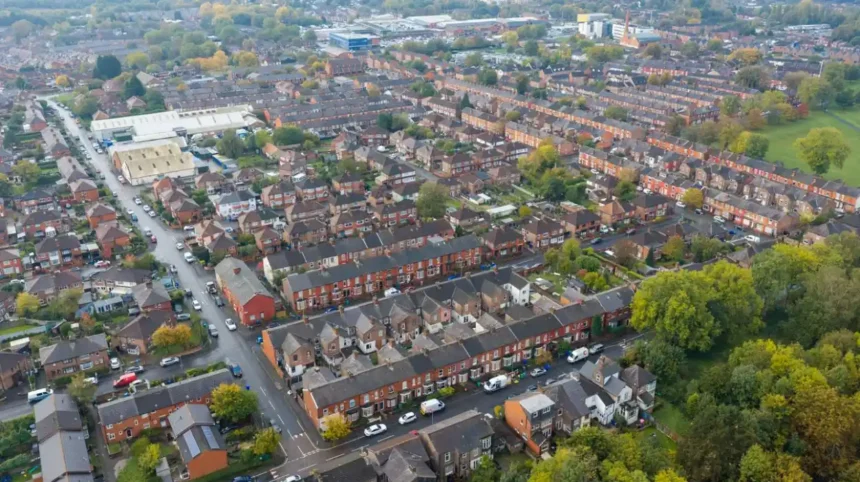
Finding an affordable place to live in Manchester in 2026 requires comparing rental prices, property values, transport connections and everyday living expenses. Manchester offers several residential neighbourhoods with lower housing costs than its city centre, including Harpurhey, Moston, Gorton, Openshaw, Longsight and Wythenshawe.
- What Are the Cheapest Areas to Live in Manchester in 2026?
- Which North Manchester Areas Offer Affordable Housing in 2026?
- Is Harpurhey One of the Cheapest Places to Live in Manchester?
- Is Moston Affordable for Families and First-Time Renters?
- Is Blackley a Budget-Friendly Residential Neighbourhood?
- Which East Manchester Areas Have Lower Living Costs?
- Is Gorton a Cheap Place to Rent or Buy?
- Why Is Openshaw Considered for Affordable Living?
- Is Clayton a Suitable Affordable Area for Young Professionals?
- Does Abbey Hey Offer Lower-Cost Family Housing?
- Which South Manchester Areas Provide Affordable Accommodation?
- Is Longsight an Affordable Place to Live?
- Is Levenshulme Cheaper Than Central Manchester?
- Is Wythenshawe One of Manchester’s More Affordable Suburban Areas?
- Is Moss Side an Affordable Alternative to Manchester City Centre?
- Which Areas Outside Manchester Offer Cheaper Housing?
- Is Middleton a Cheaper Alternative to Manchester?
- Is Rochdale Suitable for People on a Limited Housing Budget?
- Does Oldham Offer Affordable Family Housing?
- Is Ashton-under-Lyne a Budget-Friendly Place to Live?
- Is Wigan Among the Cheapest Places in Greater Manchester?
- What Are the Main Housing Costs to Consider When Living in Manchester?
- How Much Is Council Tax in Manchester in 2026?
- How Much Does Transport Affect Living Costs?
- What Other Household Expenses Should Renters Budget For?
- Which Manchester Areas Are Suitable for First-Time Buyers in 2026?
- What Property Types Are Available to First-Time Buyers?
- Why Should Buyers Compare Property Condition?
- How Can Renters Find Affordable Accommodation in Manchester?
- How Can Residents Choose the Right Affordable Manchester Neighbourhood?
- What Is the Future Outlook for Affordable Housing in Manchester?
- How Does Regeneration Affect Housing Affordability?
- Why Is Transport Investment Important for Affordable Housing?
- What Should Households Monitor During 2027?
- Where Can You Find Affordable Housing in Manchester in 2026?
The wider Greater Manchester region also provides affordable alternatives. Areas such as Middleton, Rochdale, Oldham, Ashton-under-Lyne and Wigan attract renters and first-time buyers seeking lower housing costs while maintaining access to Manchester’s employment, education and transport networks.
Affordability depends on more than monthly rent. Commuting expenses, council tax, household bills, property condition and access to essential services also influence the total cost of living. Understanding these factors helps residents identify neighbourhoods that match their budgets and housing requirements.
What Are the Cheapest Areas to Live in Manchester in 2026?
The more affordable residential areas in Manchester include Harpurhey, Moston, Gorton, Openshaw, Longsight and Wythenshawe. Nearby Greater Manchester locations, including Middleton, Rochdale and Oldham, also provide lower-cost housing alternatives compared with Manchester city centre.
Manchester is one of the largest cities in the United Kingdom and an important economic centre in North West England. Its housing market includes expensive central apartments, traditional terraced houses, suburban family properties and shared accommodation.
The difference between neighbourhoods creates opportunities for people with different financial circumstances. City-centre locations such as Deansgate, Ancoats and Spinningfields attract professionals seeking proximity to offices, restaurants and entertainment. However, properties in these districts generally command higher rents.
Residential neighbourhoods outside the central business district offer different housing options. Harpurhey and Moston in North Manchester have established residential communities and traditional housing. Gorton and Openshaw in East Manchester provide access to employment areas and public transport. Wythenshawe offers suburban housing and connections to Manchester Airport.
How Does Manchester’s Housing Market Compare in 2026?
According to the Office for National Statistics (ONS), Manchester’s average monthly private rent reached approximately £1,386 in October 2026. This represented an annual increase of 4.7% compared with October 2025.
The ONS also reported an average Manchester house price of approximately £255,000 in September 2026. These figures demonstrate the financial difference between renting and purchasing property in the city.
The average rent varies significantly according to property size. ONS October 2026 figures provide an important reference point:
- One-bedroom property: approximately £1,010 per month.
- Two-bedroom property: approximately £1,244 per month.
- Three-bedroom property: approximately £1,448 per month.
- Four-bedroom or larger property: approximately £2,032 per month.
These figures represent Manchester local authority averages rather than individual neighbourhood prices. They should not be interpreted as confirmed rents for Harpurhey, Moston or other specific districts.
What Makes an Area Affordable?
Housing affordability measures the relationship between household income and housing expenditure. It includes rent or mortgage payments alongside additional expenses associated with maintaining a home.
An area with lower advertised rent is not automatically the cheapest place to live. Longer journeys to work, higher transport expenses and additional household costs can reduce the financial benefit.
A useful affordability assessment considers:
- Monthly rent or mortgage payments.
- Council tax and utility bills.
- Public transport and fuel expenses.
- Local supermarket and grocery prices.
- Property maintenance and energy efficiency.
- Access to employment and education.
These factors establish a more realistic comparison between Manchester neighbourhoods.
Which North Manchester Areas Offer Affordable Housing in 2026?
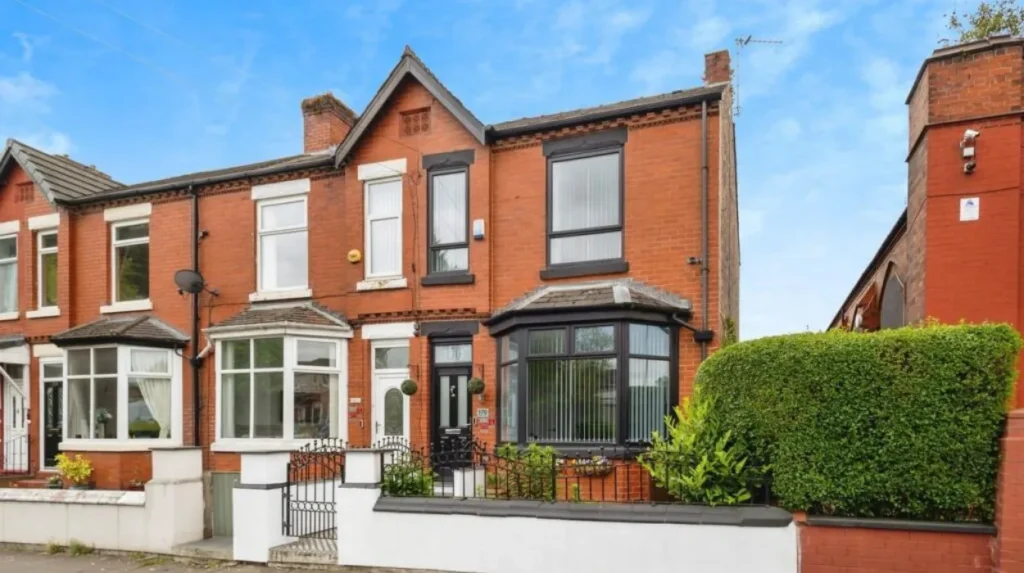
Harpurhey, Moston, Blackley and Higher Blackley offer residential alternatives north of Manchester city centre. Their housing stock includes traditional terraced houses, semi-detached homes and family properties, providing different accommodation options outside central Manchester.
North Manchester contains several established residential districts with connections to the city centre and surrounding employment areas.
The area’s housing includes Victorian and Edwardian terraces, post-war residential developments and more recent housing schemes. Property prices and rents differ according to street, property condition, bedroom numbers and transport accessibility.
Is Harpurhey One of the Cheapest Places to Live in Manchester?
Harpurhey is a residential district in North Manchester, approximately three miles from the city centre. It has a long-established housing market and a mixture of traditional terraced properties, flats and family accommodation.
The area attracts households looking for housing outside Manchester’s expensive central districts. Its residential streets include older properties with different sizes and layouts.
Harpurhey Shopping Centre provides access to everyday retail services, including supermarkets and independent shops. Residents also use nearby parks, schools, healthcare facilities and community services.
Public transport connections provide access to Manchester city centre and neighbouring districts. Bus services are particularly important because Harpurhey does not have a dedicated Metrolink station.
The area’s affordability depends on property condition and location. Renovated properties with modern interiors and larger gardens command different prices from smaller or older homes requiring improvements.
Is Moston Affordable for Families and First-Time Renters?
Moston is another residential neighbourhood in North Manchester. It is located close to Harpurhey, New Moston and Blackley.
The district contains traditional terraced houses, semi-detached properties and residential developments suitable for different household sizes.
Moston attracts renters and buyers seeking more residential space outside the city centre. Its housing stock includes properties suitable for couples, families and people purchasing their first home.
Moston Lane functions as an important local shopping area. Residents have access to convenience stores, supermarkets, schools and other everyday services.
The neighbourhood also provides access to outdoor recreation. Moston Brook and nearby green spaces offer walking opportunities and outdoor activities.
Bus connections link Moston with Manchester city centre and surrounding neighbourhoods. Travel times depend on the departure point, traffic conditions and service frequency.
Is Blackley a Budget-Friendly Residential Neighbourhood?
Blackley is situated north of Manchester city centre and includes residential streets, green spaces and local shopping facilities.
Its housing stock includes semi-detached homes, detached properties, traditional terraces and smaller flats. This range provides options for households seeking more space than central Manchester apartments typically offer.
Blackley Forest and surrounding green spaces contribute to the area’s residential character. Local schools, shops and healthcare facilities support everyday living.
Higher Blackley also provides suburban housing options. However, larger family homes and properties close to desirable green spaces do not always fall into the lowest price categories.
Which East Manchester Areas Have Lower Living Costs?
Gorton, Openshaw, Clayton and Abbey Hey are established East Manchester neighbourhoods with residential housing, local shopping facilities and transport connections. They provide alternatives to higher-priced central districts for renters, families and first-time property buyers.
East Manchester has experienced substantial regeneration and infrastructure development over recent decades. Former industrial areas have undergone residential redevelopment, while established neighbourhoods retain traditional housing.
The district’s proximity to employment areas, retail facilities and public transport makes it an important part of Manchester’s residential market.
Is Gorton a Cheap Place to Rent or Buy?
Gorton is an established residential district in East Manchester. It lies approximately three miles east of the city centre and contains a mixture of older terraced houses, semi-detached properties and modern residential developments.
Gorton attracts renters and buyers searching for accommodation outside central Manchester. Traditional terraced properties provide options for smaller households, while larger houses accommodate families.
Gorton Market and nearby shopping facilities provide access to everyday goods and services. Residents also benefit from local schools, healthcare facilities and community amenities.
The neighbourhood has connections to Manchester city centre through bus services and nearby rail stations. Gorton railway station provides access to regional rail connections, although service frequency and destinations should be checked before choosing a property.
Gorton is particularly relevant for people working in East Manchester, where commuting from the neighbourhood can reduce travel distances.
Why Is Openshaw Considered for Affordable Living?
Openshaw is a residential and former industrial district in East Manchester. Its location provides access to Manchester city centre, Clayton, Gorton and neighbouring employment areas.
The neighbourhood contains traditional terraced houses, social housing, private rental properties and newer residential developments.
Openshaw offers practical access to everyday shopping facilities. Nearby retail destinations and local businesses provide essential services without requiring regular journeys into central Manchester.
The area also benefits from public transport connections. Nearby Metrolink stops and bus routes connect residents with central Manchester and other parts of Greater Manchester.
Housing costs vary according to the development, property size and distance from transport facilities. Modern developments and renovated properties attract different rental prices from older terraced housing.
Is Clayton a Suitable Affordable Area for Young Professionals?
Clayton is located east of Manchester city centre, close to Openshaw and the Etihad Stadium area.
The neighbourhood has a combination of established residential streets and newer housing developments. Its proximity to the Etihad Campus and Manchester City Football Club’s facilities provides access to a major sporting and entertainment destination.
Clayton Hall Metrolink stop connects the area with Manchester city centre and other destinations along the tram network.
Young professionals working in central Manchester can consider Clayton when comparing accommodation outside the city centre. However, the actual affordability depends on rent, property condition and commuting requirements.
Does Abbey Hey Offer Lower-Cost Family Housing?
Abbey Hey is a residential neighbourhood near Gorton and Openshaw. It contains traditional houses, family accommodation and smaller residential developments.
Its location provides access to local schools, shops and public transport. Residents also benefit from nearby green spaces and community facilities.
Abbey Hey is relevant to families comparing residential properties across East Manchester. Its housing options include different property sizes, allowing households to evaluate accommodation according to their available budgets.
Which South Manchester Areas Provide Affordable Accommodation?
Longsight, Levenshulme, Wythenshawe and parts of Moss Side provide residential accommodation outside Manchester’s most expensive central neighbourhoods. Their housing markets include traditional terraces, flats and family homes with access to local shops, schools and public transport.
South Manchester includes established residential communities, student neighbourhoods and suburban districts. Housing costs vary considerably between areas because of differences in transport access, property types and proximity to employment centres.
Is Longsight an Affordable Place to Live?
Longsight is a residential district approximately three miles south of Manchester city centre. It has a diverse housing market containing terraced houses, converted flats and family properties.
Stockport Road is the area’s principal shopping corridor. It contains independent retailers, supermarkets, restaurants and other businesses serving the local community.
Longsight attracts people looking for accommodation with access to central Manchester and neighbouring employment areas. Its location also provides connections to Levenshulme, Ardwick and Victoria Park.
Bus services provide regular connections with the city centre. Residents can also access nearby railway stations for regional journeys.
The area’s established housing stock provides different accommodation options. Smaller terraced properties suit individuals and couples, while larger houses accommodate families and shared households.
Is Levenshulme Cheaper Than Central Manchester?
Levenshulme is a residential neighbourhood between Longsight and Burnage. It has a mixture of Victorian terraced housing, converted apartments and larger residential properties.
Levenshulme railway station provides direct rail connections towards Manchester Piccadilly and Stockport. This makes the neighbourhood relevant to commuters who want residential accommodation outside the city centre.
The area has an established independent business community. Levenshulme Market, local cafes, restaurants and independent shops provide shopping and leisure facilities.
Housing costs vary between properties close to the railway station, main roads and quieter residential streets. Larger renovated houses also attract different prices from smaller traditional terraces.
Levenshulme provides a practical comparison for renters who want access to central Manchester without choosing a city-centre apartment.
Is Wythenshawe One of Manchester’s More Affordable Suburban Areas?
Wythenshawe is a large suburban district in South Manchester, situated close to Manchester Airport. Its residential development expanded significantly during the twentieth century, particularly through planned housing and post-war suburban growth.
The area contains council-built housing, private residential developments, semi-detached properties and detached family homes.
Wythenshawe Town Centre provides shopping facilities, supermarkets, public services and community amenities. Wythenshawe Park offers substantial outdoor recreational space, including gardens, sports facilities and walking areas.
The district benefits from Metrolink connections through the Manchester Airport line and nearby tram stops. These services connect residents with Manchester city centre, Manchester Airport and other destinations.
Wythenshawe attracts families seeking larger homes and suburban surroundings. Its housing market includes different property sizes, although individual prices depend on the specific neighbourhood and condition of the property.
Is Moss Side an Affordable Alternative to Manchester City Centre?
Moss Side is an established residential district south of Manchester city centre. It has a diverse community and a housing market containing traditional terraced properties, apartments and newer residential developments.
Its location provides access to Hulme, Rusholme, Fallowfield and Manchester city centre.
Moss Side has local shopping facilities, schools, healthcare services and community organisations. Alexandra Park provides outdoor recreation and green space close to residential streets.
The neighbourhood’s location is useful for people working or studying in central Manchester. Bus routes provide connections to universities, employment districts and surrounding areas.
Moss Side should be assessed street by street because property condition, accommodation type and local facilities influence housing costs.
Which Areas Outside Manchester Offer Cheaper Housing?
Middleton, Rochdale, Oldham, Ashton-under-Lyne and Wigan provide alternatives for people comparing Greater Manchester housing costs. These locations sit outside Manchester’s local authority boundary but offer established communities and transport connections to the regional employment market.
Greater Manchester consists of ten metropolitan boroughs. Manchester is one of these boroughs, alongside Salford, Trafford, Stockport, Bolton, Bury, Oldham, Rochdale, Tameside and Wigan.
This distinction matters when comparing housing prices. A property advertised as being in Greater Manchester does not necessarily fall within Manchester City Council’s administrative area.
Some surrounding boroughs have lower average private rents than Manchester. ONS October 2026 figures show this difference:
- Wigan: approximately £754 per month.
- Rochdale: approximately £855 per month.
- Oldham: approximately £942 per month.
- Tameside: approximately £931 per month.
- Bury: approximately £969 per month.
- Manchester: approximately £1,386 per month.
These are borough-wide averages, not individual neighbourhood rents. They cover different property types and bedroom sizes.
Is Middleton a Cheaper Alternative to Manchester?
Middleton is a town in the Metropolitan Borough of Rochdale, north of Manchester. It provides residential accommodation outside Manchester’s administrative boundary.
The town has traditional terraced houses, semi-detached properties, modern developments and family homes.
Middleton Shopping Centre provides access to supermarkets, retail outlets and everyday services. Local schools, healthcare facilities and recreational spaces support residential living.
Bus services connect Middleton with Manchester city centre, Rochdale and surrounding communities.
Its position within Rochdale borough makes it relevant to people comparing housing costs beyond Manchester itself. Prospective residents should include commuting expenses when calculating the overall financial difference.
Is Rochdale Suitable for People on a Limited Housing Budget?
Rochdale is a Greater Manchester town with a substantial residential housing market. It contains traditional terraced properties, suburban developments and larger family homes.
The town centre provides shopping facilities, employment services, restaurants and public amenities.
Rochdale railway station connects the town with Manchester and other destinations. Metrolink services also provide access to Manchester city centre.
Rochdale’s average private rent is below Manchester’s borough-wide average in the ONS October 2026 figures. This creates an alternative for households prioritising lower monthly housing expenditure.
The distance between Rochdale and a person’s workplace remains important. People commuting daily should compare transport costs with the rent saved.
Does Oldham Offer Affordable Family Housing?
Oldham is a metropolitan borough and town situated northeast of Manchester. It contains residential communities with traditional terraces, semi-detached houses and suburban properties.
Oldham town centre provides shopping, education, healthcare and employment facilities. Alexandra Park offers outdoor recreation and public green space.
The Metrolink network connects Oldham with Manchester city centre. This provides an alternative to driving for commuters and students.
Oldham’s borough-wide average rent was approximately £942 in October 2026, below Manchester’s £1,386 average.
Housing costs differ across the borough. Chadderton, Failsworth, Royton and other residential districts each have distinct property markets.
Is Ashton-under-Lyne a Budget-Friendly Place to Live?
Ashton-under-Lyne is the principal town of the Metropolitan Borough of Tameside. It lies east of Manchester and has a mixture of traditional housing, suburban properties and modern residential developments.
The town centre provides shopping facilities, markets, public services and transport connections.
Ashton-under-Lyne Interchange combines bus and Metrolink connections. Railway services also connect the town with Manchester and other regional destinations.
Tameside’s average monthly private rent was approximately £931 in October 2026. This is lower than the Manchester local authority average.
The town is relevant to households seeking access to Manchester’s employment market while considering a wider selection of housing prices.
Is Wigan Among the Cheapest Places in Greater Manchester?
Wigan is a large town in the Metropolitan Borough of Wigan, west of Manchester. It has an established residential market containing traditional terraces, semi-detached homes and suburban housing developments.
Wigan town centre provides shopping, education, healthcare and employment facilities. The area also has access to parks, leisure centres and surrounding countryside.
Wigan railway station offers connections to Manchester, Liverpool and other destinations.
ONS October 2026 data placed Wigan’s average monthly private rent at approximately £754, the lowest among the ten Greater Manchester boroughs.
However, Wigan is farther from Manchester city centre than many other locations discussed in this article. Commuters should evaluate railway costs, journey times and workplace locations before choosing accommodation.
What Are the Main Housing Costs to Consider When Living in Manchester?
The main costs of living in Manchester include rent or mortgage payments, council tax, electricity, gas, water, internet and transport. Comparing these expenses alongside property prices provides a more accurate picture of housing affordability across different neighbourhoods.
Housing affordability involves recurring expenses beyond the advertised rental price. A household paying less rent in an outer neighbourhood can still face substantial transport or energy costs.
How Much Is Council Tax in Manchester in 2026?
Council tax is a local property tax collected by local authorities to finance public services. These services include waste collection, street maintenance and local administration.
Manchester City Council’s 2026/27 council tax charges include:
- Band A: £1,541.36 annually.
- Band B: £1,798.26 annually.
- Band C: £2,055.14 annually.
- Band D: £2,312.04 annually.
The actual council tax bill depends on the property’s valuation band and applicable discounts.
Eligible single-person households receive a 25% council tax discount. Students meeting the relevant eligibility requirements are generally exempt from council tax.
Renters should establish whether council tax is included in their accommodation agreement or paid separately.
How Much Does Transport Affect Living Costs?
Transport expenditure is an important consideration when choosing an affordable Manchester neighbourhood.
The Bee Network provides integrated bus services and connects with Manchester’s Metrolink tram system. Greater Manchester also has railway connections serving surrounding towns.
According to Transport for Greater Manchester’s published contactless fare information, an adult Bee Network bus hopper journey costs £2.
For residents combining buses and trams, weekly fares depend on the number of tram zones travelled. Published contactless weekly caps include £30.30 for bus and tram zones 1 and 2.
These fares provide a reference for estimating commuting expenses. Actual spending depends on travel frequency, journey distance, ticket eligibility and the transport services used.
What Other Household Expenses Should Renters Budget For?
Renters should calculate household expenditure before signing a tenancy agreement.
Electricity and gas costs depend on property size, insulation, heating systems and household consumption. Older terraced properties sometimes require additional heating expenditure because of their building construction and energy efficiency.
Water bills depend on the supplier’s charging arrangements and whether the property has a water meter.
Internet costs vary according to broadband availability and the selected package. Grocery expenditure also depends on household size, shopping habits and dietary requirements.
A realistic monthly housing budget includes rent, council tax, energy, water, broadband and transport. This calculation prevents households from selecting accommodation that exceeds their overall financial capacity.
Which Manchester Areas Are Suitable for First-Time Buyers in 2026?
First-time buyers comparing affordable Manchester housing can investigate Gorton, Openshaw, Harpurhey, Moston, Longsight and Wythenshawe. These neighbourhoods offer different property types, including traditional terraces, flats and family houses, with prices influenced by location and condition.
Buying a property requires a different affordability assessment from renting. Buyers must consider deposit requirements, mortgage repayments, legal fees, surveys and ongoing maintenance.
According to the ONS, Manchester’s average property price was approximately £255,000 in September 2026. The average price paid by first-time buyers was approximately £239,000.
These figures provide a city-wide benchmark rather than an individual neighbourhood valuation.
What Property Types Are Available to First-Time Buyers?
Manchester’s housing market contains several property categories.
Traditional terraced houses are common in neighbourhoods such as Gorton, Longsight and Harpurhey. These properties often provide access to established residential streets and local amenities.
Semi-detached houses are available across areas such as Moston, Wythenshawe and Blackley. They typically provide additional living space and gardens.
Flats and apartments are available in both established neighbourhoods and newer residential developments. Buyers should examine service charges, lease terms and building maintenance responsibilities before purchasing.
Why Should Buyers Compare Property Condition?
A lower purchase price does not always represent the lowest long-term housing cost.
Older properties sometimes require improvements to roofing, heating, insulation, windows and electrical systems. Buyers should arrange an appropriate property survey before exchanging contracts.
Energy Performance Certificates (EPCs) provide information about a property’s energy efficiency. Comparing EPC ratings helps buyers understand potential heating expenses and improvement requirements.
Mortgage affordability also depends on interest rates, household income, deposit size and lender requirements.
How Can Renters Find Affordable Accommodation in Manchester?
Renters can find affordable Manchester accommodation by comparing neighbourhoods, checking recent rental listings, evaluating transport connections and calculating total monthly expenses. Comparing similar properties by bedroom number and condition provides a more reliable assessment than headline rental prices alone.
Manchester’s private rental market includes individual landlords, letting agencies, purpose-built rental developments and shared accommodation.
The best approach involves comparing properties within a realistic commuting distance of work or education.
How Should Renters Compare Rental Properties?
Renters should compare properties using consistent criteria.
A two-bedroom terraced house in Gorton should be compared with similar two-bedroom properties in neighbouring districts rather than with a city-centre apartment.
Important comparison factors include:
- Monthly rent and tenancy duration.
- Number of bedrooms and bathrooms.
- Furnished or unfurnished accommodation.
- Council tax responsibility.
- EPC rating and heating arrangements.
- Deposit and upfront payment requirements.
- Access to public transport.
- Property maintenance and repair responsibilities.
What Should Renters Check Before Signing a Tenancy?
A tenancy agreement establishes the responsibilities of landlords and tenants.
Renters should check the agreed monthly rent, payment dates, deposit protection arrangements and maintenance responsibilities.
They should also establish whether the landlord protects the tenancy deposit through an authorised government-approved scheme.
Property inspections should cover heating systems, water pressure, electrical fittings, windows, doors and signs of damp.
Renters should document existing damage before moving into the property. This provides evidence of the property’s original condition.
How Can Residents Choose the Right Affordable Manchester Neighbourhood?
Choosing an affordable Manchester neighbourhood requires balancing housing expenditure with employment access, transport availability, local amenities and household requirements. Harpurhey, Gorton, Moston, Longsight and Wythenshawe offer different residential environments for individuals, couples and families.
The cheapest property does not automatically provide the best overall financial arrangement.
A suitable neighbourhood should meet a household’s practical requirements while keeping recurring expenditure manageable.
Which Areas Suit Students?
Students often prioritise affordable shared accommodation, university access and public transport.
Longsight, Moss Side, Fallowfield and parts of Hulme provide residential options for people studying at the University of Manchester and Manchester Metropolitan University.
Students should compare individual room costs rather than relying on whole-property rental averages.
Shared accommodation also requires clear agreements about utility bills, cleaning responsibilities and tenancy arrangements.
Which Areas Suit Families?
Families generally require additional bedrooms, suitable schools, healthcare facilities and outdoor recreation.
Wythenshawe, Moston, Blackley and Gorton provide different suburban and established residential environments.
Families should investigate school catchment arrangements, local childcare facilities, nearby parks and access to healthcare before selecting a property.
The distance between home, school and employment also influences daily transport expenditure.
Which Areas Suit Young Professionals?
Young professionals often prioritise employment access, transport connections and proximity to social facilities.
Openshaw, Clayton, Gorton and Levenshulme provide alternatives to expensive central Manchester accommodation.
People working around Manchester Airport can also investigate Wythenshawe and nearby residential districts.
The most suitable location depends on workplace location, commuting frequency and available transport services.
Explore More Area Guide
Best Areas to Rent in Manchester for Young Professionals
Is Manchester an Affordable City to Live in? Cost Guide
What Is the Future Outlook for Affordable Housing in Manchester?
Manchester’s housing affordability will remain influenced by rental demand, population growth, employment opportunities, new residential developments and transport investment. Established neighbourhoods and surrounding Greater Manchester towns will continue to provide different housing options for households comparing long-term living costs.
Manchester has developed into an important regional employment, education and business centre.
Its universities, healthcare institutions, technology businesses, financial services and creative industries attract residents from across the United Kingdom and internationally.
This employment demand contributes to the importance of affordable housing across the metropolitan area.
How Does Regeneration Affect Housing Affordability?
Urban regeneration involves investment in existing neighbourhoods through housing development, infrastructure improvements and public facilities.
East Manchester has experienced substantial regeneration around the Etihad Campus and surrounding districts.
New housing developments increase the range of available accommodation. However, improvements to local infrastructure and demand for renovated properties also influence market prices.
The relationship between regeneration and affordability differs between neighbourhoods. New developments do not automatically reduce existing rental costs.
Why Is Transport Investment Important for Affordable Housing?
Transport infrastructure connects residential communities with employment, education and retail destinations.
The Bee Network’s integrated bus and tram system supports travel across Greater Manchester.
Metrolink connections serve destinations including Wythenshawe, Oldham, Rochdale, Ashton-under-Lyne and central Manchester.
Railway connections also support commuting from towns such as Wigan and Rochdale.
Improved transport access increases the number of residential locations available to people working in Manchester. This makes surrounding towns relevant when comparing housing affordability.
What Should Households Monitor During 2027?
Households planning to move should monitor several housing market indicators:
- Changes in average private rents.
- Average property prices and mortgage rates.
- New residential developments.
- Local authority council tax charges.
- Transport fares and service changes.
- Housing availability and tenancy conditions.
The Office for National Statistics regularly publishes private rental and house price information. Manchester City Council and neighbouring local authorities publish information about housing, planning and local services.
These sources provide a foundation for evaluating housing costs beyond a single rental advertisement.
Where Can You Find Affordable Housing in Manchester in 2026?
Manchester offers several residential areas for people seeking affordable housing in 2026. Harpurhey, Moston, Gorton, Openshaw, Longsight and Wythenshawe provide alternatives to expensive city-centre neighbourhoods.
People willing to live outside Manchester’s administrative boundary can also compare Middleton, Rochdale, Oldham, Ashton-under-Lyne and Wigan.
The financial difference between these locations depends on property size, rental agreements, transport expenses and household requirements.
ONS October 2026 figures show that Manchester’s average monthly private rent was approximately £1,386, compared with £754 in Wigan and £855 in Rochdale.
These figures demonstrate why comparing the wider Greater Manchester housing market is important.
Ultimately, finding affordable accommodation requires assessing the complete cost of living rather than focusing exclusively on rent or purchase price. Comparing housing, transport, council tax and local amenities helps residents make informed decisions about where to live in Manchester.
What is the cheapest area to live in Manchester in 2026?
Harpurhey, Moston, Gorton and Openshaw are among the residential areas worth comparing for affordable housing in Manchester. Actual rental prices depend on property size, condition and location.