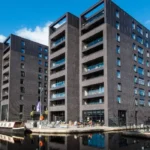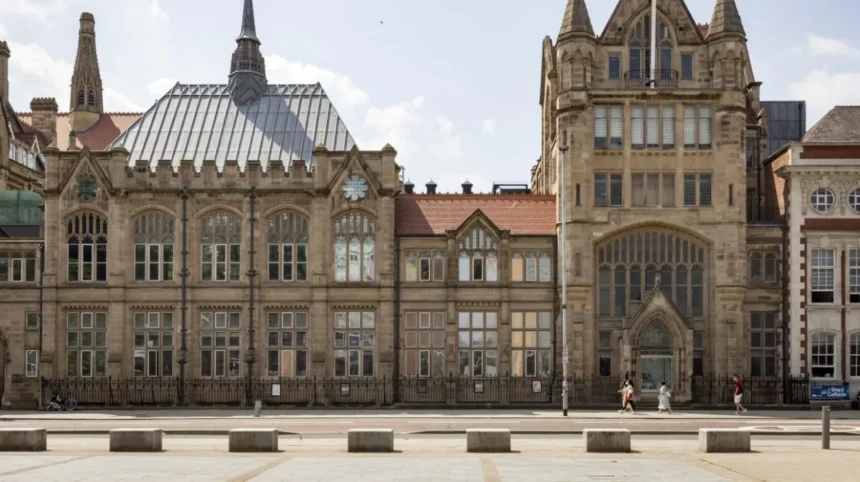
Manchester is one of the largest cities in the United Kingdom and a major centre for employment, education, culture and business. Located in North West England, it attracts professionals, students, families and international residents seeking employment opportunities and urban living outside London.
- What Makes Manchester an Affordable or Expensive City to Live In?
- How Much Does Accommodation Cost in Manchester?
- Is Renting Cheaper Than Buying in Manchester?
- Which Manchester Neighbourhoods Offer More Affordable Housing?
- How Much Is Council Tax in Manchester?
- How Much Does Food and Grocery Shopping Cost in Manchester?
- Are Transport Costs Affordable in Manchester?
- How Much Do Utility Bills Cost in Manchester?
- What Is the Average Salary Needed to Live Comfortably in Manchester?
- Which Employment Sectors Offer Opportunities in Manchester?
- How Does Income Affect Housing Affordability?
- Is Manchester Cheaper Than London and Other UK Cities?
- Is Manchester Affordable for Students?
- Is Manchester Affordable for Families?
- What Free and Low-Cost Activities Are Available in Manchester?
- What Are the Main Financial Challenges of Living in Manchester?
- How Can Residents Make Living in Manchester More Affordable?
- What Budgeting Methods Help Reduce Living Costs?
- How Can Choosing the Right Location Reduce Expenses?
- Why Is Comparing Energy and Broadband Providers Important?
- How Has Manchester’s Economic History Influenced Its Cost of Living?
- Is Manchester a Good City for Long-Term Living?
- Is Manchester an Affordable City to Live In Overall?
The affordability of Manchester depends on housing choices, household income, transport requirements and everyday spending. The city offers a lower average house price than the UK average, but rising private rents, council tax, energy bills and food expenses affect monthly budgets.
According to the Office for National Statistics (ONS), Manchester’s average private rent reached £1,386 per month in October 2026, compared with £1,411 across the UK. The average Manchester house price stood at £255,000 in September 2026. These figures show that Manchester remains relatively accessible in some parts of the housing market, although affordability varies considerably between neighbourhoods. Office for National Statistics
What Makes Manchester an Affordable or Expensive City to Live In?
Manchester offers relatively accessible housing compared with several major UK cities, but affordability depends on income, rent, household size and lifestyle. Housing, transport, council tax and essential bills determine whether residents can manage monthly expenses comfortably.
Manchester is the principal city of Greater Manchester, a metropolitan area in North West England. It has a large employment market, universities, hospitals, retail centres and transport connections.
The city has experienced significant residential and commercial development. Areas such as the Northern Quarter, Ancoats, Salford Quays and the city centre attract professionals and students. These locations offer access to employment, entertainment and public transport, but central accommodation often carries higher rental costs.
Manchester’s affordability comes from several economic factors:
- A housing market that remains below the average property prices of many southern English cities.
- Employment opportunities across different industries, including healthcare, education, technology and finance.
- Public transport connections across Greater Manchester.
- A mixture of private rental accommodation, shared housing and owner-occupied properties.
- Access to supermarkets, independent retailers and lower-cost shopping areas.
However, affordability does not mean every household experiences low living costs. A single professional renting a city-centre apartment faces different expenses from a family living in a suburban property.
The most useful way to assess Manchester is to compare its housing costs, essential household bills, transport expenses and available salaries.
How Much Does Accommodation Cost in Manchester?
Accommodation represents one of the largest monthly expenses in Manchester. The ONS reported an average private rent of £1,386 in October 2026, while the average house price reached £255,000 in September 2026, reflecting different options for renters and buyers.
Housing costs vary according to location, property size, building condition and access to transport.
The Office for National Statistics measures private rental prices through its Price Index of Private Rents. This provides a consistent way to compare rental costs across local authorities.
According to the latest available ONS figures:
- Average monthly private rent: £1,386.
- Average one-bedroom property rent: £1,010.
- Average two-bedroom property rent: £1,244.
- Average three-bedroom property rent: £1,448.
- Average property rent with four or more bedrooms: £2,032.
These figures relate to October 2026 and show that larger properties require substantially higher monthly budgets. Office for National Statistics
Is Renting Cheaper Than Buying in Manchester?
Renting requires less initial capital than purchasing a property, but homeowners build equity through mortgage repayments. The financial advantage depends on deposit requirements, mortgage interest, property maintenance and the expected length of residence.
The average Manchester house price was £255,000 in September 2026. First-time buyers paid an average of £239,000 during the same month.
Property prices also differ by housing type. The ONS reported the following average prices for August 2026:
- Detached houses: £485,000.
- Semi-detached houses: £334,000.
- Terraced houses: £260,000.
- Flats and maisonettes: £199,000.
These figures demonstrate why flats and terraced properties attract buyers with smaller budgets. Office for National Statistics
Which Manchester Neighbourhoods Offer More Affordable Housing?
Manchester contains neighbourhoods with different property markets and housing characteristics. Residents seeking lower accommodation costs often compare areas outside the most expensive central developments.
Some established residential locations include:
- Harpurhey: An established residential district with local shops and bus connections.
- Moston: A residential area with a mixture of terraced properties and family housing.
- Gorton: An area with residential streets, supermarkets and public transport.
- Levenshulme: A diverse neighbourhood with independent businesses and railway connections.
- Longsight: A residential district with local markets, shops and bus services.
- Wythenshawe: A large residential area in south Manchester with family housing and transport connections.
These neighbourhoods offer different property types and commuting arrangements. A lower advertised rent does not automatically produce lower overall living costs. Residents should consider transport fares, journey times, property condition and access to essential services before choosing accommodation.
How Much Is Council Tax in Manchester?
Council tax is a compulsory local property charge that funds services such as waste collection, street cleaning, libraries and local administration. Manchester’s 2026/27 charges range from £1,541.36 for Band A properties to £4,624.08 for Band H properties.
Manchester City Council determines the annual council tax charges for properties within its local authority area. The Valuation Office Agency assigns each property a council tax band based on its assessed valuation.
For the 2026/27 financial year, Manchester’s annual council tax charges are:
A Band A household pays approximately £128.45 per month when the annual charge is divided into 12 instalments. A Band D household pays approximately £192.67 per month.
Can Residents Receive Council Tax Discounts?
Council tax discounts reduce the amount eligible households pay. A 25% single-person discount applies when only one adult counts as a resident for council tax purposes.
Other exemptions and reductions apply to qualifying circumstances, including certain student households and people receiving specific disability-related support.
Full-time students generally do not count as adults for council tax calculations. A household consisting entirely of eligible full-time students normally qualifies for a council tax exemption.
Residents should check their eligibility with Manchester City Council before including the full standard charge in their household budget.
How Much Does Food and Grocery Shopping Cost in Manchester?
Food expenses depend on household size, shopping habits and dietary requirements. Manchester offers supermarkets, discount retailers, independent food shops and local markets, allowing residents to control grocery spending through planned shopping and comparisons between retailers.
Grocery shopping is a recurring expense for Manchester households. The city has several supermarket chains, including Aldi, Lidl, Tesco, Asda, Morrisons and Sainsbury’s.
Discount supermarkets provide lower-cost options for basic household shopping. Larger supermarkets offer wider product selections, loyalty schemes and online delivery services.
Manchester also has independent food retailers and traditional markets. These provide access to fresh vegetables, meat, fish, bakery products and international ingredients.
Where Can Residents Buy Affordable Groceries?
Residents can compare prices across different shopping locations to manage food budgets.
Examples include:
- Aldi and Lidl: Discount supermarkets offering essential groceries, fresh produce and household products.
- Asda and Tesco: Large supermarkets with budget ranges, weekly offers and online shopping.
- Morrisons: Supermarket with fresh food departments and regular promotional offers.
- Longsight Market: Local shopping destination offering fresh produce and independent food retailers.
- Levenshulme Market: Community market featuring independent traders and food businesses.
Shopping at discount supermarkets and using weekly meal plans helps households manage food expenses. Buying seasonal vegetables, comparing unit prices and reducing food waste also supports household savings.
How Do Grocery Costs Affect Different Households?
A single adult generally needs a smaller grocery budget than a family with children. Couples often reduce individual food costs by purchasing larger household quantities and preparing shared meals.
Households that regularly purchase takeaway meals, branded products and convenience food spend more than those that prepare meals at home.
Food affordability also depends on dietary requirements. Specialised products, imported ingredients and certain nutritional products often cost more than standard supermarket alternatives.
Are Transport Costs Affordable in Manchester?
Manchester has an extensive public transport network connecting residential neighbourhoods, employment centres and surrounding towns. Bee Network buses and Metrolink trams provide regular travel options, while cycling and walking help residents reduce commuting expenses.
The Bee Network is Greater Manchester’s integrated public transport system. It includes buses and trams, with rail integration developing across the wider transport network.
Transport costs depend on commuting distance, journey frequency and the selected ticket type.
According to Transport for Greater Manchester’s published ticket information, an adult Bee Network bus single journey using the hopper arrangement costs £2. A daily adult bus ticket costs £5. Powered by TfGM
How Much Does Public Transport Cost?
Contactless payment provides access to different ticket options across the bus and tram network.
These prices provide examples of the published fares and vary according to zones, ticket conditions and travel periods.
Residents who commute regularly should compare weekly and monthly travel options with individual ticket purchases.
Is Manchester a Walkable and Cycle-Friendly City?
Manchester city centre has relatively short distances between major employment areas, shopping streets, universities and entertainment venues.
Walking provides a free option for short journeys. Cycling also reduces transport expenses for residents who own or have access to a suitable bicycle.
The city has cycling routes and infrastructure connecting residential districts with central destinations. However, route quality and cycling conditions vary between neighbourhoods.
People living close to their workplace, university or local shopping facilities can reduce their dependence on public transport.
How Much Do Utility Bills Cost in Manchester?
Utility bills form an important part of Manchester’s household expenses. Electricity, gas, water, broadband and mobile services contribute to monthly spending, while property size, insulation, energy consumption and household occupancy determine the final amount.
Utility expenses vary significantly between households. A one-bedroom apartment occupied by one person generally requires less energy than a larger family home.
Electricity and gas are major household expenses, particularly during colder months when heating requirements increase.
The amount residents pay depends on their energy tariff, meter type, consumption and property efficiency. Ofgem’s energy price cap regulates the maximum unit rates and standing charges for households on eligible standard variable tariffs. It does not establish one fixed bill for every property.
What Determines Electricity and Gas Costs?
Several factors influence household energy consumption:
- Property size and number of occupants.
- Heating system and insulation quality.
- Electricity usage from appliances and lighting.
- Time spent at home.
- Energy supplier and tariff arrangements.
Residents can reduce consumption by using energy-efficient appliances, improving insulation and monitoring heating schedules.
Smart meters also help households track electricity and gas consumption. Comparing available tariffs helps residents identify suitable energy arrangements.
Are Water and Broadband Bills Expensive?
Water services in Manchester are supplied through United Utilities. Water charges depend on the billing arrangement, property circumstances and whether the household has a water meter.
Metered customers generally pay according to measured consumption, alongside applicable fixed charges. Unmetered customers pay according to their property’s assessed charging basis.
Broadband costs depend on connection speed, contract length and provider. Standard broadband generally costs less than faster fibre packages.
Residents working remotely or studying online should include a reliable internet connection in their monthly household budget.
What Is the Average Salary Needed to Live Comfortably in Manchester?
The salary required to live comfortably in Manchester depends on accommodation, household responsibilities and personal spending. A single renter has different financial requirements from a couple or family, particularly when housing and childcare expenses are included.
Manchester has employment opportunities across healthcare, education, finance, technology, retail, hospitality, construction and professional services.
The city’s economic structure attracts workers with different qualifications and experience levels. Salary levels vary according to occupation, employer, working hours and professional responsibilities.
A household’s affordability depends on disposable income rather than gross salary alone. Income tax, National Insurance contributions, pension payments and other deductions affect the money available for everyday expenses.
Which Employment Sectors Offer Opportunities in Manchester?
Manchester has a diverse employment market supported by public and private sector organisations.
Important employment sectors include:
- Healthcare: Manchester University NHS Foundation Trust and other healthcare employers provide clinical, administrative and support roles.
- Education: The University of Manchester, Manchester Metropolitan University and local colleges employ academic and professional staff.
- Technology: Digital companies and technology businesses create opportunities in software development, data and IT support.
- Finance: Banking, insurance, accounting and professional services support skilled employment.
- Retail and hospitality: Shopping centres, restaurants, hotels and entertainment venues provide customer service and management jobs.
- Construction: Residential development, infrastructure and commercial projects generate construction and engineering employment.
These sectors create different earning opportunities. However, workers should compare actual advertised salaries with their expected living expenses before accepting a position.
How Does Income Affect Housing Affordability?
Housing affordability is commonly assessed by comparing housing costs with household income.
For example, a household earning £3,000 per month after deductions faces a different financial situation from one earning £4,500.
A £1,000 monthly rent represents one-third of the first household’s income but approximately 22% of the second household’s income.
This comparison demonstrates why the same Manchester property can be affordable for one resident and financially difficult for another.
Residents should also reserve money for council tax, utilities, transport, food, savings and unexpected expenses.
Is Manchester Cheaper Than London and Other UK Cities?
Manchester generally offers lower property prices than London and several expensive southern English cities. However, comparisons depend on property type, neighbourhood, transport expenses, salaries and household circumstances rather than rent alone.
London has a significantly more expensive residential property market, particularly in central boroughs. Manchester provides a different balance of housing costs, employment opportunities and access to urban services.
The ONS reported an average Manchester house price of £255,000 in September 2026. This remained below the UK average of £273,000 recorded in August 2026, although the reporting months differ. Office for National Statistics+1
Manchester’s average private rent was £1,386 in October 2026, compared with £1,411 across the UK.
This indicates that Manchester’s overall average rent was slightly below the national figure at that time.
How Does Manchester Compare With London?
London’s housing market has higher purchase prices and rental costs in many locations. Manchester offers more accessible property prices, especially for people considering flats and terraced houses.
However, salary differences influence the overall comparison. Some London workers receive higher salaries that partly offset housing expenses.
Manchester also offers access to employment without requiring residents to live in the capital. This attracts workers seeking employment opportunities in a major UK city.
Is Manchester Cheaper Than Birmingham and Leeds?
Manchester, Birmingham and Leeds are major English regional cities with established employment markets and universities.
Their housing costs vary according to neighbourhood, property condition and local demand.
A meaningful comparison should examine average private rent, average property prices, council tax, commuting expenses and typical salaries using data from the same reporting period.
Residents should avoid comparing a city-centre apartment in Manchester with a suburban family house in another city because the accommodation types are different.
Is Manchester Affordable for Students?
Manchester offers students access to universities, shared accommodation, public transport and affordable shopping options. However, accommodation remains a major student expense, particularly for those renting private apartments near university campuses or choosing central locations.
Manchester is an important higher education destination in the United Kingdom. Its major institutions include the University of Manchester, Manchester Metropolitan University and the Royal Northern College of Music.
The city attracts domestic and international students because of its educational facilities, research opportunities and graduate employment market.
Student living costs depend on accommodation arrangements, course requirements and lifestyle.
What Accommodation Options Are Available to Students?
Students can choose between university-managed accommodation, private student halls and shared rental properties.
University accommodation offers convenient access to campus facilities. Private student halls often include furnished rooms, internet access and shared social spaces.
Shared rental properties allow students to divide accommodation expenses between housemates. Areas such as Fallowfield, Rusholme, Withington and Victoria Park attract students because of their residential accommodation and transport connections.
Living outside the city centre generally provides more housing choices, although students should consider commuting costs.
How Can Students Reduce Living Expenses?
Students can manage their budgets through practical spending decisions.
Examples include:
- Using student discounts at participating retailers and entertainment venues.
- Sharing accommodation with other students.
- Preparing meals instead of purchasing takeaway food regularly.
- Using suitable student travel passes.
- Purchasing second-hand textbooks and course materials.
- Taking advantage of university libraries and free study facilities.
Students should also check whether their accommodation contract includes electricity, heating, water and broadband. Bills-inclusive accommodation makes monthly budgeting easier because several essential expenses are combined into one payment.
Is Manchester Affordable for Families?
Manchester provides families with a range of residential neighbourhoods, schools, healthcare facilities and public amenities. Family affordability depends on bedroom requirements, childcare, school arrangements, transport, household income and the location of employment.
Families generally need more living space than single professionals or students. This increases accommodation costs and household energy consumption.
The ONS reported an average monthly rent of £1,448 for three-bedroom properties and £2,032 for properties with four or more bedrooms in Manchester in October 2026. Office for National Statistics
These figures illustrate the additional housing expenditure associated with larger households.
Which Areas Are Suitable for Families?
Different Manchester neighbourhoods offer different residential facilities.
Examples include:
- Wythenshawe: A large residential district with family housing, schools, parks and healthcare facilities.
- Didsbury: An established residential area with schools, green spaces, shops and public transport.
- Chorlton: A neighbourhood with residential streets, independent businesses and community facilities.
- Prestwich: A Greater Manchester residential area with parks, schools and transport links.
- Gorton: A residential district with local shopping facilities and family accommodation.
Families should compare school catchment arrangements, childcare availability and commuting distances before choosing a property.
How Do Childcare and Education Affect Family Budgets?
Childcare represents an important expense for working parents. Nursery fees, childminders and after-school arrangements affect household disposable income.
Eligible working parents in England can access government-funded childcare entitlements subject to the applicable eligibility rules.
School-related expenses also include uniforms, transport, meals, books and extracurricular activities. State-funded schools do not charge tuition fees, but families still need to budget for these additional expenses.
Manchester’s public parks, libraries and community facilities provide opportunities for family activities without requiring substantial entertainment spending.
What Free and Low-Cost Activities Are Available in Manchester?
Manchester provides free and low-cost recreational opportunities through public parks, museums, libraries, cultural venues and community events. Residents can access many activities without paying expensive admission charges, reducing entertainment expenses.
Entertainment does not need to consume a large portion of a household budget. Manchester has several public spaces and cultural attractions that provide accessible leisure opportunities.
Which Attractions Offer Free Experiences?
Manchester Museum
The museum features natural history, archaeology and cultural collections. General admission is free.
Manchester Art Gallery
The gallery displays fine art, decorative art and historical collections. General admission is free.
John Rylands Library
This historic library provides access to remarkable architecture, exhibitions and collections.
Heaton Park
One of the city’s major public parks, offering walking routes, open spaces and outdoor recreation.
Manchester Central Library
A public library providing reading facilities, study spaces and access to information resources.
These destinations provide opportunities for residents to explore Manchester’s cultural and historical attractions without paying standard admission fees. Special exhibitions, events and some additional activities can carry separate charges.
How Can Residents Save Money on Entertainment?
Residents can reduce leisure expenses by using public libraries, visiting free museums and attending community events.
Walking around public parks and exploring historic neighbourhoods also provide low-cost recreational options.
Local entertainment venues frequently advertise discounted tickets, student offers and seasonal promotions. Checking admission prices before visiting helps households avoid unexpected expenses.

What Are the Main Financial Challenges of Living in Manchester?
Manchester offers several ways to manage living expenses, but rising housing costs, household bills and commuting requirements create financial challenges. Residents need to assess regular expenses alongside occasional costs to understand their actual monthly affordability.
The largest financial challenge for many residents is accommodation. Private rental prices have increased, placing additional pressure on tenants who need centrally located housing.
According to the ONS, average private rent increased from £1,324 in October 2025 to £1,386 in October 2026. This represents an annual increase of approximately 4.7%. Office for National Statistics
Other financial pressures include:
Housing deposits and moving expenses: Private renters usually need money for an initial deposit, advance rent, removal services and basic household equipment.
Energy expenses: Heating and electricity consumption increase household spending, especially during winter.
Transport requirements: Residents working outside their neighbourhoods need to budget for regular bus, tram or train journeys.
Childcare: Working families face additional expenses when children require nursery care or after-school supervision.
Unexpected expenditure: Repairs, medical-related expenses, replacement appliances and other emergencies require additional financial reserves.
These expenses demonstrate why a household budget should include more than rent and grocery shopping.
How Can Residents Make Living in Manchester More Affordable?
Residents can improve affordability by selecting suitable accommodation, controlling household consumption, comparing transport options and planning monthly spending. Sharing housing, using discount retailers and accessing free public facilities also help reduce regular living expenses.
Managing the cost of living requires a clear understanding of income and expenditure.
Residents should calculate essential expenses before allocating money to entertainment, shopping and other discretionary purchases.
What Budgeting Methods Help Reduce Living Costs?
A monthly household budget should include accommodation, council tax, utilities, food, transport, communication services and personal expenses.
A practical budgeting approach involves separating essential and non-essential spending.
Essential spending includes rent, mortgage repayments, electricity, gas, water, groceries and commuting costs.
Non-essential spending includes restaurant visits, subscriptions, entertainment purchases and optional shopping.
Residents can review bank statements regularly to identify recurring payments and unnecessary subscriptions.
How Can Choosing the Right Location Reduce Expenses?
Location directly affects the cost of accommodation and daily transport.
A property with lower rent but poor transport connections can produce higher commuting expenses.
Similarly, a more expensive property close to employment can reduce travel costs and commuting time.
Residents should compare the combined cost of housing and transport rather than choosing accommodation based only on advertised rent.
Why Is Comparing Energy and Broadband Providers Important?
Energy and broadband contracts differ in pricing, contract duration and service conditions.
Residents should compare available tariffs before renewing contracts. Energy consumption information helps households identify whether a different tariff is financially suitable.
Broadband users should select a connection that meets their actual requirements rather than paying for unnecessary speeds.
These comparisons help households control recurring expenses throughout the year.

How Has Manchester’s Economic History Influenced Its Cost of Living?
Manchester’s industrial history shaped its residential development, employment market and transport infrastructure. Its transformation from a textile manufacturing centre into a modern service economy continues to influence housing demand, neighbourhood development and the city’s overall affordability.
Manchester became an important industrial centre during the Industrial Revolution. Its cotton mills, textile factories and trading businesses attracted workers from across Britain and other countries.
Industrial expansion encouraged the development of working-class residential neighbourhoods, commercial streets and railway connections. The city’s canals and railway infrastructure supported manufacturing and trade.
During the twentieth century, changes in manufacturing reduced the importance of traditional industrial employment. Manchester gradually expanded its service industries, higher education institutions, healthcare facilities and commercial activities.
How Did Urban Regeneration Change Housing Costs?
Urban regeneration transformed several former industrial districts into residential, commercial and entertainment destinations.
Examples include:
- Ancoats: Former industrial buildings became residential developments, restaurants and creative business spaces.
- Northern Quarter: Historic commercial buildings now accommodate independent retailers, offices and entertainment venues.
- Salford Quays: Former dockland areas developed into residential, commercial and cultural destinations.
- Spinningfields: A major business district with offices, restaurants and modern commercial buildings.
These developments increased the attractiveness of particular neighbourhoods for professionals, businesses and investors.
Regeneration also influenced housing demand. New apartments, commercial facilities and improved public spaces increased interest in central residential locations.
As a result, Manchester’s affordability varies between established residential districts and newly developed areas.
Explore More Area Guide
How Much Does It Cost to Live in Manchester in 2026?
How to Get from Manchester City Centre to Chorlton?
Is Manchester a Good City for Long-Term Living?
Manchester offers long-term residential opportunities through its employment market, universities, healthcare services, public transport and cultural facilities. Its affordability depends on future housing costs, income growth, household requirements and the ability to manage recurring expenses.
Manchester attracts residents at different stages of life. Graduates enter its employment market, professionals relocate for career opportunities, and families choose residential neighbourhoods for housing and education.
The city’s universities support research, professional development and graduate employment. Its healthcare infrastructure provides access to hospitals, medical centres and community services.
Manchester also benefits from connections to other major UK cities through its railway network and motorway infrastructure.
However, long-term affordability requires careful financial planning. Residents should consider potential rent increases, mortgage interest rates, changes in council tax and household energy consumption.
The city’s residential appeal depends on maintaining a balance between employment opportunities, housing supply and the cost of essential services.
Is Manchester an Affordable City to Live In Overall?
Manchester is relatively affordable compared with several expensive UK cities, particularly in terms of property prices. However, average rents, council tax and household bills require careful budgeting. Its affordability is strongest for residents with stable incomes and sensible housing choices.
Manchester provides a combination of employment opportunities, educational institutions, transport services and cultural attractions.
The average house price of £255,000 in September 2026 remains an important consideration for prospective buyers. Meanwhile, the average monthly private rent of £1,386 in October 2026 demonstrates the financial commitment required from tenants.
Students can manage expenses through shared accommodation and university facilities. Families can compare suburban neighbourhoods and childcare arrangements. Professionals can reduce commuting expenses by choosing accommodation near their workplaces.
Ultimately, Manchester is not equally affordable for every household. Its overall cost of living depends on income, accommodation, location and personal spending habits.
For people seeking a major UK city with a broad employment market and a housing market below the national average, Manchester remains a significant option for long-term living.
Is Manchester an affordable city to live in?
Yes, Manchester is relatively affordable compared with London and several other major UK cities. However, housing costs, council tax, transport and household bills determine overall affordability.