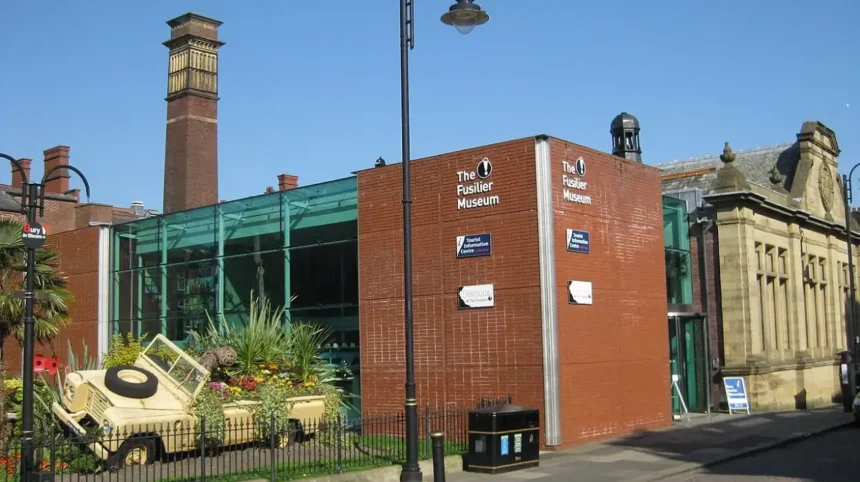
Bury Art Museum and Fusilier Museum represent two foundational cultural institutions in Greater Manchester that preserve regional Victorian art heritage, civic history, and military combat traditions spanning three centuries of British historical developments and local industrial developments.
- What Art Collections Are Displayed at Bury Art Museum?
- What Military Artifacts Are on Display at Fusilier Museum?
- How Do Interactive Exhibits Enhance the Visitor Experience?
- What Are the Key Architectural Features of the Museum Buildings?
- Why Are Victoria Cross Medals Important to the Fusilier Collection?
- How Does Bury Art Museum Support Local and Contemporary Artists?
- How Do These Museums Contribute to Local Community and Tourism?
- How Can Visitors Plan Their Trip to Bury Art Museum and Fusilier Museum?
- Frequently Asked Questions
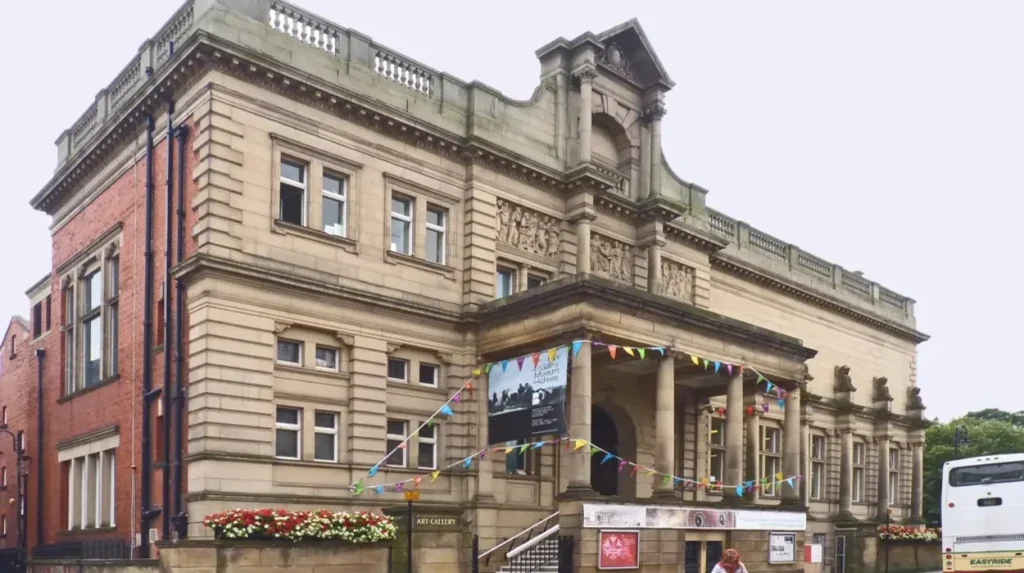
Bury Art Museum opened in 1901 to house the Thomas Wrigley Collection. Thomas Wrigley was a local paper manufacturer who donated 200 oil paintings, watercolors, and prints to the public. The museum building features Edwardian Baroque architecture designed by architect Steven Piper. Fusilier Museum preserves the complete heritage of the Royal Regiment of Fusiliers and Lancashire Fusiliers. The regiment earned 18 Victoria Crosses during battle operations in World War I. The military collection relocated to its present location at Moss Street in 2009. Both museums operate as key historical education centers for visitors exploring the cultural heritage of Greater Manchester.
These public institutions reflect the civic expansion of northern industrial towns during the late nineteenth century. Industrialists funded art spaces to educate factory workforces and promote social mobility. Military preservation efforts documented regional recruitment networks across Lancashire communities. Today, both facilities maintain permanent collections, physical archives, and digital records for public research. They host educational programs that align with the national curriculum for local schools. The site serves as a vital economic driver for tourism in Bury town center.
What Art Collections Are Displayed at Bury Art Museum?
Bury Art Museum houses notable nineteenth-century British oil paintings, classic watercolors, contemporary sculpture installations, paper crafts, and regional photography collections featuring works by John Constable, J.M.W. Turner, and Edwin Landseer.
The Thomas Wrigley Collection forms the primary foundation of the art gallery. Visitors can view J.M.W. Turner’s famous oil painting Calais Sands, painted in 1830. The gallery displays landscape works by John Constable and animal portraits by Edwin Landseer. The museum includes 4 separate gallery rooms dedicated to rotating modern art exhibits. The sculpture collection features 50 original pieces from Victorian and contemporary British artists. The museum also contains extensive print collections detailing early manufacturing processes in Bury town.
Exhibitions rotate throughout the calendar year to showcase living artists from North West England. The museum manages a dedicated text-based archive containing artists’ letters and historical exhibition catalogs. Specialized lighting controls preserve fragile nineteenth-century paper works from UV damage. Gallery guides provide contextual analysis on how Victorian industrial wealth influenced art collection habits. Modern additions include interactive visual media displays and digital art archives. Visitors can access photographic records covering the growth of Bury from 1850 to 1990.
For broader developments across the borough, readers can examine local planning initiatives such as the Lakeside apartments proposed in Bury, which reflect modern urban regeneration in the area.
What Military Artifacts Are on Display at Fusilier Museum?
Fusilier Museum displays historical combat uniforms, battlefield weapons, military medals, personal campaign letters, regimental flags, and interactive combat reconstructions representing 300 years of infantry history from the Napoleonic Wars to modern operations.
The museum holds 18 Victoria Cross medals awarded to soldiers of the Lancashire Fusiliers. A central exhibit highlights the Gallipoli Landings of April 25, 1915, where the regiment won 6 Victoria Crosses before breakfast. Visitors can inspect original World War I uniforms, steel helmets, and field equipment. The Napoleonic gallery features weapons, drums, and battle honors from the Battle of Waterloo in 1815. The collection includes 2,000 personal items donated by veterans and regimental families.
Exhibits use chronological sequencing to track tactical evolutions in British infantry operations. Display cases preserve fragile silk flags, known as regimental colors, carried into battle during the nineteenth century. Interactive touchscreens allow users to search service records of individual soldiers who enlisted in Bury. The museum features reconstructed trench systems that demonstrate daily living conditions for frontline soldiers during World War I. Display panels detail regimental deployments in World War II, the Cold War, and recent global conflicts.
How Do Interactive Exhibits Enhance the Visitor Experience?
Interactive displays enhance visitor engagement through hands-on educational stations, audio-visual battlefield simulations, digital archive search engines, tactile touch objects, and guided gallery tours tailored for school groups and families.
Fusilier Museum provides digital touchscreens where visitors search army service numbers and enlistment documents. Audio stations broadcast recorded oral histories from veterans who served in World War II and the Korean War. Children can wear replica military jackets, handle decommissioned equipment, and practice signal codes. Bury Art Museum provides interactive sketching stations within the main Victorian gallery spaces. Educational workshops allow visitors to test paper-making techniques that funded the original art acquisitions.
These interactive elements accommodate diverse learning styles across different age demographics. Tactile display models enable visually impaired visitors to explore key architectural features of the museum. Audio guides offer structured commentary on 40 selected masterworks in the Wrigley collection. Interactive maps track regimental movements across Europe, Asia, and Africa during major campaigns. Educational staff lead structured daily sessions that meet National Curriculum standards for primary and secondary history studies.
What Are the Key Architectural Features of the Museum Buildings?
The buildings feature Edwardian Baroque stone facades, ornate interior plasterwork, glass lantern roof structures, tall stone columns, open gallery spaces, and purpose-built modern exhibition halls optimized for public artifact display.
Steven Piper designed the Bury Art Museum building using red brick and Portland stone accents. The structure opened in 1901 with integrated roof glass to maximize natural daylight for viewing paintings. Ornate plaster moldings line the central staircase and main upper galleries. Fusilier Museum occupies a restored historic building expanded in 2009 with modern structural additions. The interior incorporates climate-controlled display cases, security glass, and accessible ramps for visitors.
The building designs reflect early twentieth-century public architecture trends in northern England. High ceilings facilitate proper air circulation to minimize humidity damage to stored artworks. Stone columns framed around the main entrances project civic permanence and public authority. Recent structural upgrades added energy-efficient LED lighting systems across all display zones. The physical layout allows smooth visitor flow between permanent art rooms and temporary exhibition corridors.
Why Are Victoria Cross Medals Important to the Fusilier Collection?
Victoria Cross medals represent the highest British military decoration for valor, showcasing individual courage during historic military conflicts and emphasizing the combat legacy of the Lancashire Fusiliers in battlefield history.
The Victoria Cross was instituted in 1856 by Queen Victoria to recognize bravery in the presence of the enemy. Lancashire Fusiliers earned 18 Victoria Crosses, making them one of the most decorated infantry regiments in the British Army. The museum displays the original medals awarded for actions during the 1857 Indian Mutiny, the 1899 Boer War, and World War I. The “Six VCs Before Breakfast” awarded at Gallipoli in 1915 represent a historic military achievement.
Medal displays include detailed biographical records of each recipient soldier. Display cases explain the precise tactical scenarios that led to each award recommendation. The physical medals are cast from bronze taken from Russian cannons captured at the Siege of Sevastopol. Preserving these medals ensures the sacrifice of local soldiers remains documented for public history. The collection attracts military historians, researchers, and family descendants from across the world.
How Does Bury Art Museum Support Local and Contemporary Artists?
Bury Art Museum supports contemporary artists by hosting temporary exhibitions, providing artist residency programs, commissioning new public artworks, organizing community workshops, and purchasing modern pieces for the permanent collection.
The museum allocates 2 gallery spaces specifically for contemporary art initiatives. The Sculpfin project offers workspace and display opportunities for emerging sculptors from North West England. Local artists participate in annual open exhibitions that attract submissions across diverse visual mediums. The museum partners with regional arts councils to fund public installation projects in Bury town center. Community art classes cover oil painting, printmaking, ceramics, and digital photography techniques.
Supporting working artists ensures the museum remains culturally relevant to contemporary audiences. The gallery purchases selected works from regional artists to expand its permanent collection beyond Victorian holdings. Residency programs give artists direct access to museum archives for historic research inspiration. Public talk series allow creators to discuss their techniques, themes, and artistic philosophies directly with visitors. These programs strengthen cultural economic activity across the wider Greater Manchester area.
How Do These Museums Contribute to Local Community and Tourism?
These museums drive regional tourism, generate local economic activity, provide educational resources for schools, foster civic identity, and support cultural regeneration within the Bury town center quarter.
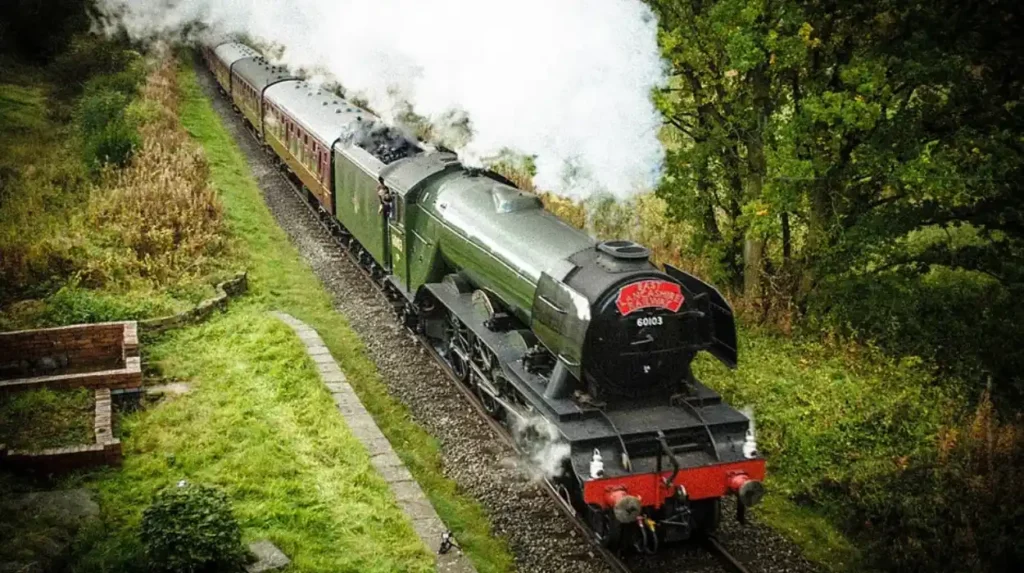
Bury Art Museum and Fusilier Museum attract thousands of visitors to the town center annually. Visitors generate foot traffic for local businesses, shops, cafes, and transportation networks. The facilities host community events, historical lectures, and seasonal cultural festivals throughout the year. Local schools rely on the museums for curriculum-aligned field trips covering history and art. The shared location on Moss Street forms a distinct cultural quarter within walking distance of the East Lancashire Railway.
The preservation of civic heritage reinforces local pride among residents of Bury and Greater Manchester. Council partnerships ensure both museums maintain free or low-cost admission options for visitors. Public research rooms enable local historians to examine original historical documents. Joint marketing campaigns promote Bury as a key cultural destination alongside regional transport links. Continued investment protects these municipal assets for future generations of residents.
Public safety and community security remain priorities for civic spaces across Greater Manchester. Initiatives like the GMP safer business action week reflect ongoing police efforts to maintain safe environments for town center visitors.
How Can Visitors Plan Their Trip to Bury Art Museum and Fusilier Museum?
Visitors can plan trips by checking opening hours, utilizing Metrolink tram connections from Manchester, booking guided group tours, accessing wheelchair facilities, and exploring nearby town center attractions.
Both museums sit on Moss Street in central Bury, located 5 minutes from the Bury Metrolink interchange. Trams run regularly from central Manchester, providing easy public transit access. Parking is available in nearby pay-and-display town center car parks. Bury Art Museum offers free general admission, while Fusilier Museum charges a small entry fee for adults. Both venues feature full wheelchair accessibility, passenger lifts, and accessible toilet facilities.
Visitors typically spend 2 to 4 hours exploring both museum collections. On-site cafes and gift shops provide refreshments and souvenir items for guests. Group tours can be reserved in advance through the official museum administration offices. Visitors often combine their museum trip with visits to Bury Market or the East Lancashire Railway. Checking official websites prior to visiting ensures up-to-date information regarding temporary gallery closures.
Frequently Asked Questions
What are the entry fees for Bury Art Museum and Fusilier Museum?
Bury Art Museum provides free admission for all public visitors throughout the year. Fusilier Museum charges a small entry fee for adults, with discounts for seniors and children. Concession tickets and family passes are available at the main entrance desk.
Where are the museums located and how do I get there?
Both museums are located on Moss Street in Bury town center. Visitors can take the Manchester Metrolink tram directly to Bury Interchange, which sits 5 minutes away on foot. Multiple local bus routes stop near the entrance, and nearby car parks offer vehicle parking.
Are the museums fully accessible for wheelchair users?
Yes, both museums feature full wheelchair accessibility across all public gallery floors. The buildings include street-level ramp entrances, wide exhibition aisles, passenger lifts, and accessible restrooms. Visitors can request free manual wheelchairs at the main reception desks.
Can visitors research family military history at Fusilier Museum?
Fusilier Museum maintains extensive regimental archives for historical research purposes. Visitors can search digital enlistment databases on-site or request research help from archive staff. Advanced booking is recommended for detailed family history research sessions.