A walkable one day itinerary for visiting Bury involves exploring Greater Manchester’s premier market town on foot through a structured route that encompasses historical landmarks, cultural institutions, and culinary destinations within a compact geographic footprint.
- How does Bury Market function as a historic and economic anchor?
- What historical significance does the East Lancashire Railway hold for Bury?
- How does the Fusilier Museum preserve the military history of Bury?
- What cultural and artistic value does the Bury Art Museum provide?
- How does Nuttall Park offer natural green space within the Bury itinerary?
- What culinary traditions and local dining options define Bury?
- Frequently Asked Questions
- What is the best way to travel to Bury for a day trip?
- How much time should visitors allocate for exploring Bury Market?
- Are the primary attractions in Bury accessible for visitors with limited mobility?
- What are the operating days for Bury Market?
- Can visitors combine a trip to Bury with a steam train ride?
Bury is a metropolitan town located in Greater Manchester in North West England, positioned approximately six miles east of Bolton and eight miles north-north-west of Manchester city centre. The settlement developed historically within the historic county of Lancashire and expanded significantly during the Industrial Revolution as a notable centre for textile manufacturing, paper making, and engineering. Modern Bury functions as an administrative centre of the Metropolitan Borough of Bury and maintains a resident population of approximately 61,000 people within the town proper, with a wider borough population exceeding 193,000 residents.
The geography of the town centre is notably compact, allowing visitors to access primary points of interest entirely by foot without requiring public transport or private automobiles during the day. Urban regeneration projects implemented over recent decades have enhanced pedestrian infrastructure, creating dedicated walking corridors, paved public squares, and step-free access routes across major commercial zones. Visitors arriving via the Manchester Metrolink tram system emerge directly at Bury interchange, which sits adjacent to the primary retail and historical districts. The compact layout ensures that the maximum walking distance between the southernmost attraction and the northernmost landmark is under two miles, making the itinerary suitable for walkers of varying fitness levels. The local authority maintains comprehensive wayfinding signage, pedestrian crossing points, and accessible pathways throughout the town centre to facilitate navigation for tourists and local commuters alike. Understanding the layout of the town provides a strong foundation for visitors seeking to maximize their time while experiencing the distinct cultural heritage of this Lancashire market town.
How does Bury Market function as a historic and economic anchor?
Bury Market functions as a historic and economic anchor by operating an award-winning open-air and indoor trading space featuring hundreds of stalls that generate substantial regional footfall and support local commerce.
Bury Market traces its official origins back to the medieval charter granted by King Edward IV in 1440, although local trading activities occurred on the site centuries prior to this formal recognition. The market complex covers a substantial footprint in the town centre and houses approximately 370 individual market stalls divided across indoor market halls, fish halls, and open-air trading grounds. The economic impact of the market is substantial, attracting upwards of one million visitors annually from across the United Kingdom and international locations, contributing millions of pounds directly to the local economy. The site is particularly famous for the sale of Bury black pudding, a regional culinary specialty composed of pork blood, pork fat, and suet combined with oatmeal or barley, encased in a natural membrane.
Three primary commercial vendors dominate the black pudding trade within the market: Chadwick s, A.P. Rothwell, and B.M. Booth, each utilizing traditional recipes that have remained unchanged for generations. The operational structure of the market is managed by the local metropolitan borough council, which oversees stall allocations, health and safety compliance, and infrastructure maintenance to preserve the historic character of the trading environment. Visitors navigating the market aisles encounter a diverse array of goods, including fresh local produce, artisanal cheeses, textiles, clothing, household items, and hot food vendors serving traditional Lancashire cuisine.
The market operates primarily on Wednesdays, Fridays, and Saturdays, with the Saturday market drawing the highest concentration of shoppers and tourists seeking a traditional British market experience. Analyzing the operational framework of Bury Market reveals the enduring connection between medieval trade traditions and modern municipal commerce in Northern England.
What historical significance does the East Lancashire Railway hold for Bury?
The historical significance of the East Lancashire Railway for Bury lies in its preservation and operation of a heritage steam and diesel railway line that connects the town to historical transport networks across the region.
The East Lancashire Railway operates a preserved heritage railway network that spans twelve and a half miles through the Irwell Valley, connecting Bury Interchange with Heywood, Ramsbottom, and Rawtenstall. The route utilizes the trackbed of the former Lancashire and Yorkshire Railway, which originally opened for passenger and freight services during the middle of the nineteenth century to support the burgeoning industrial economy.
The organization responsible for the preservation and operation of the line is the East Lancashire Railway Trust, a registered charity supported by hundreds of trained volunteers alongside professional operational staff. The heritage line transports over 200,000 passengers annually, contributing significantly to regional tourism and preserving rare examples of rolling stock, locomotives, and Victorian station architecture. Stations along the Bury section feature restored Victorian platforms, gas-style lighting, and authentic signal boxes that accurately reflect operational practices from the golden age of British rail travel.
The presence of the railway within the town itinerary provides visitors with a tangible connection to the transport infrastructure that drove the industrial expansion of Lancashire during the Victorian era. Special operational events held throughout the calendar year, including steam galas, 1940s themed weekends, and seasonal Santa specials, attract enthusiasts and families from across the United Kingdom. Examining the historical trajectory of the East Lancashire Railway demonstrates how defunct industrial transport assets are successfully repurposed into cultural tourism destinations that educate the public regarding railway heritage.
How does the Fusilier Museum preserve the military history of Bury?
The Fusilier Museum preserves the military history of Bury by housing the comprehensive artifact collection and archival records of the Lancashire Fusiliers and the Royal Regiment of Fusiliers.
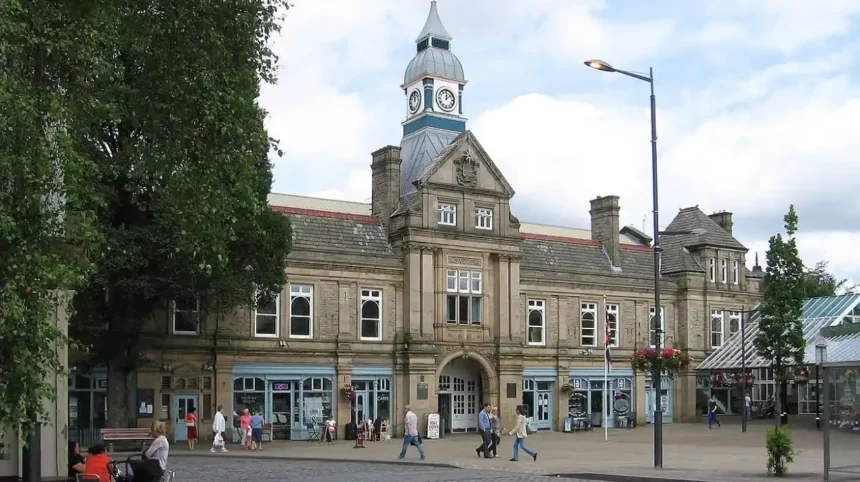
The Fusilier Museum is situated in the heart of the town centre and serves as the official repository for the heritage of the Lancashire Fusiliers, a historic infantry regiment of the British Army raised in 1688. The museum collection encompasses over 250 years of military history, including campaign medals, uniforms, weapons, personal diaries, photographs, and regimental archives detailing engagements across major global conflicts.
The regiment earned particular distinction during the Gallipoli Campaign of the First World War during the landings at W Beach on April 25, 1915, where soldiers famously won six Victoria Crosses before breakfast. The museum building provides modern archival storage, interactive exhibition galleries, educational spaces for school groups, and a dedicated research library utilised by historians and genealogists. Educational programming offered by the institution reaches thousands of students annually, fostering an understanding of military service, conflict resolution, and local social history within the community.
The exhibition design utilizes contemporary interpretive techniques, incorporating oral history recordings, digital touchscreens, and immersive displays that contextualize the experiences of individual soldiers from recruitment to active service. Financial support for the museum is sustained through charitable donations, admission fees, venue hire, and grants from cultural funding bodies such as the National Lottery Heritage Fund. Reviewing the institutional mandate of the Fusilier Museum highlights the profound sacrifices made by local servicemen and the importance of preserving regimental heritage for future generations.
What cultural and artistic value does the Bury Art Museum provide?
The cultural and artistic value of the Bury Art Museum is defined by its exhibition of fine art collections, contemporary gallery spaces, and the nationally significant Wrigley Bequest of Victorian paintings.
Bury Art Museum and Sculpture Centre is located within a purpose-built Edwardian municipal building in the town centre, originally opened in 1901 to showcase fine art and cultural artifacts to the public. The cornerstone of the institution’s collection is the Wrigley Bequest, donated by paper manufacturer Thomas Wrigley in 1897, which comprises an exceptional collection of nineteenth-century British oil paintings, watermarks, and ceramics. The gallery space features works by renowned Victorian artists including J.M.W. Turner, Edwin Landseer, John Constable, and Peter de Wint, representing a golden age of British artistic achievement and patronage.
In addition to its historical holdings, the museum actively curates contemporary art exhibitions, showcasing works by emerging and established international artists across diverse mediums such as sculpture, photography, and digital installation. The facility includes a dedicated sculpture centre that explores three-dimensional art forms through changing displays and participatory workshops designed to engage local schools and community groups. Admission to the permanent galleries of the museum is provided free of charge to the public, ensuring equitable access to cultural education and artistic engagement for all demographic groups.
The architectural integrity of the building, featuring neoclassical stonework and expansive exhibition rooms with natural top-lighting, enhances the aesthetic experience of viewing the artworks. Analyzing the contributions of the Bury Art Museum underscores the vital role municipal galleries play in preserving regional cultural heritage while fostering contemporary creative discourse.
How does Nuttall Park offer natural green space within the Bury itinerary?
Nuttall Park offers natural green space within the Bury itinerary by providing a restored Victorian public park featuring riverside walking paths, recreational facilities, and biodiverse woodland habitats along the River Irwell.
Nuttall Park is situated in the nearby town of Ramsbottom, easily accessible via a short journey along the East Lancashire Railway or local bus services from Bury town centre, serving as a primary green space in the borough. The park encompasses over ten hectares of manicured lawns, mature native woodlands, formal flower beds, and open recreational spaces flanking the western banks of the River Irwell. The historical development of the park dates back to the late nineteenth century when local industrialist John Grant Nuttall provided the land for public recreation to improve the health and well-being of local mill workers. Modern amenities within the park include a children s adventure play area, tennis courts, bowling greens, football pitches, and a dedicated café pavilion managed by local operators.
The park management team works in partnership with local community conservation groups and environmental organizations such as the Rivers Trust to maintain water quality and enhance local biodiversity. Walking trails wind through the woodland sections and along the river corridor, providing visitors with opportunities to observe local wildlife species including kingfishers, herons, brown trout, and native flora. Green Flag Award status has been consistently conferred upon Nuttall Park in recognition of its high environmental standards, excellent visitor facilities, and active community involvement in park maintenance. Examining the role of Nuttall Park reveals the successful integration of Victorian philanthropic green spaces into contemporary urban recreation and conservation strategies.
What culinary traditions and local dining options define Bury?
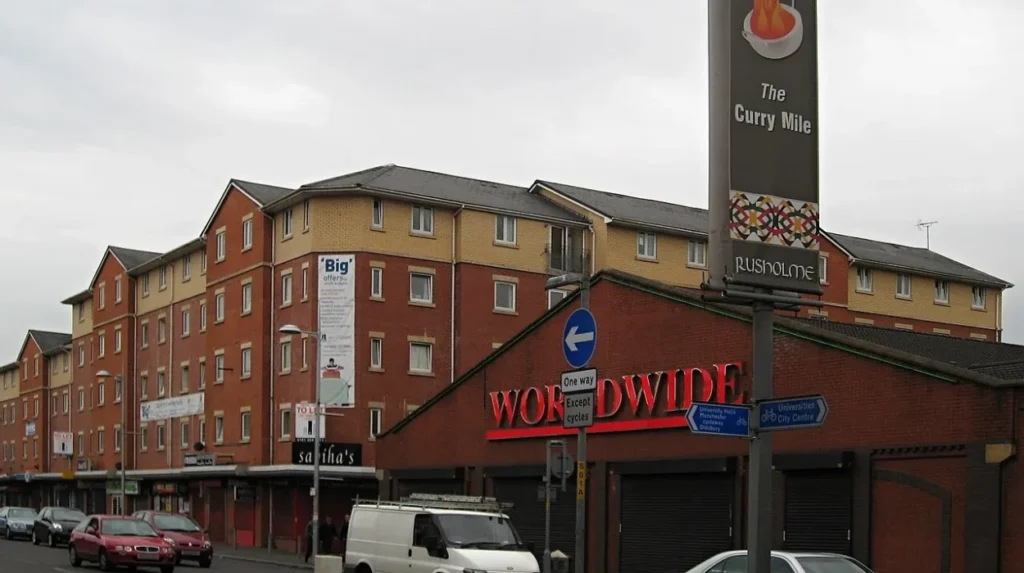
Bury is defined by culinary traditions and local dining options that feature historic regional delicacies, independent bakeries, traditional public houses, and diverse international eateries reflecting its multicultural demographic.
The culinary identity of Bury is anchored primarily by Bury black pudding, a product protected by traditional regional food name status that distinguishes genuine local iterations from mass-produced alternatives. Traditional local food culture also encompasses Lancashire hotpot, a slow-cooked casserole consisting of lamb or mutton and sliced potatoes, traditionally prepared in a heavy cast-iron pot with a tightly fitted lid. Independent food vendors operating within Bury Market offer a wide selection of hot meals, traditional pies, Cumberland sausage, and freshly baked goods supplied by local family-run bakeries across the borough.
The town centre features numerous historic public houses, including several listed buildings that serve cask-conditioned real ales brewed by regional independent breweries operating across Greater Manchester and Lancashire. In addition to traditional British fare, the local dining scene reflects the demographic evolution of the borough through the presence of South Asian curry houses, Italian trattorias, Turkish grills, and East Asian restaurants. Municipal authorities actively support local food enterprises through farmers markets, food festivals, and street food events held in public squares throughout the spring and summer trading seasons.
Nutritional education initiatives led by local health trusts encourage the promotion of locally sourced produce and traditional cooking methods to improve public health outcomes across the community. Exploring the gastronomic landscape of Bury illustrates how traditional regional recipes coexist with modern culinary diversity in a contemporary Northern English town.
Frequently Asked Questions
What is the best way to travel to Bury for a day trip?
The most efficient method to travel to Bury for a day trip is utilizing the Manchester Metrolink tram system, which provides direct, frequent services from Manchester city centre straight to Bury interchange. Alternatively, regional bus networks connect Bury to neighboring towns such as Bolton, Rochdale, and Blackburn.
How much time should visitors allocate for exploring Bury Market?
Visitors should allocate approximately two to three hours to thoroughly explore Bury Market, allowing adequate time to browse both the indoor market halls and the sprawling open-air trading stalls. This timeframe accommodates sampling local culinary specialties such as Bury black pudding, purchasing regional produce or crafts, and interacting with long-standing market traders.
Are the primary attractions in Bury accessible for visitors with limited mobility?
The primary attractions in Bury, including Bury Market, the Fusilier Museum, Bury Art Museum, and the town centre shopping districts, maintain high standards of accessibility featuring step-free access, elevators, and automated doors. The Metrolink tram system and local buses are fully equipped with boarding ramps and designated wheelchair spaces to facilitate barrier-free public transportation.
What are the operating days for Bury Market?
Bury Market operates primarily on Wednesdays, Fridays, and Saturdays throughout the year, with standard trading hours generally commencing at nine o’clock in the morning and concluding around four o’clock in the afternoon. Saturdays experience the highest volume of pedestrian footfall and feature the full complement of open-air and indoor stalls.
Can visitors combine a trip to Bury with a steam train ride?
Visitors can easily combine a trip to Bury with a steam train ride by purchasing a discovery ticket for the East Lancashire Railway, which operates regular timetabled services between Bury Interchange and Rawtenstall. The vintage rail journey offers scenic views of the Irwell Valley and stops at historic stations including Ramsbottom and Summerseat. Coordinating the railway timetable with a morning market visit creates a comprehensive, full-day heritage itinerary within the region.