The East Lancashire Railway is a preserved heritage railway line operating in North West England. It runs for twelve miles through the Irwell Valley between Heywood in Greater Manchester and Rawtenstall in Lancashire. The line features restored steam and diesel locomotives that transport visitors across six historic stations. This guide covers ticket structures, route details, operational history, and practical travel strategies for passengers.
- How Do Tickets and Pricing Structures Work on the East Lancashire Railway?
- What Are the Key Stations and Destinations Along the Railway Route?
- What Types of Trains and Locomotives Operate on the Heritage Line?
- How Can Passengers Plan an Efficient Trip and Avoid Common Travel Delays?
- What Are the Environmental, Economic and Community Impacts of the Railway?
- Frequently Asked Questions
- What Is the Total Distance and Travel Time for the Full Line?
- Are Dogs Allowed on Board the East Lancashire Railway Trains?
- How Far Is the Bury Bolton Street Station from Metrolink?
- Can Wheelchair Users Access the Heritage Trains and Platforms?
- Is Parking Available at the Main East Lancashire Railway Stations?
The line originally opened in sections between 1846 and 1848 to serve industrial towns in the region. Local manufacturing hubs relied on the track network to transport coal, cotton, and raw textiles across Lancashire. British Railways closed the passenger service on the line in 1966 as part of national network reductions. Local railway enthusiasts formed a preservation society to save the tracks, infrastructure, and rolling stock.
Reconstruction work began in the 1970s through dedicated volunteer labor and community fundraising efforts. The heritage line reopened its first section between Bury Bolton Street and Ramsbottom in August 1987. Extension projects expanded operations south to Heywood in 1993 and north to Rawtenstall over subsequent years. Today the non-profit organization preserves industrial transportation history while serving over two hundred thousand visitors annually.
Operational management depends on a small permanent staff working alongside hundreds of active volunteers. The preservation society maintains engine sheds, signaling frames, tracks, and station buildings along the entire corridor. Maintenance routines follow strict safety regulations overseen by the Office of Rail and Road. Revenues from ticket sales, special dining experiences, and public events support ongoing restoration and educational programs.
Local economic studies show the railway provides significant financial benefits to surrounding Lancashire communities. Visitors spend funds at local hotels, pubs, shops, and cultural institutions in Bury and Ramsbottom. The railway connects directly with regional light rail networks, encouraging sustainable public transport tourism in Greater Manchester. Heritage transit preservation protects engineering history while boosting regional leisure industries across northern England.
How Do Tickets and Pricing Structures Work on the East Lancashire Railway?
Tickets for the East Lancashire Railway include standard day rovers, single fares, return passes, event tickets, and dining experiences available online or at station offices. Standard day rover tickets offer unlimited travel across the entire twelve-mile line for one day. Advanced online bookings yield discounted rates compared to on-the-day purchases at station ticket counters. Family tickets, concession discounts for seniors, and child fares make travel affordable for diverse passenger groups.
Special event tickets require dedicated reservations due to limited seating capacity on peak operational days. Theme events include Thomas the Tank Engine days, Halloween ghost trains, and Christmas Santa specials. Dining train packages combine multi-course meals with scenic travel inside restored first-class vintage carriages. Annual membership schemes offer free standard travel and discounts on special event tickets for regular visitors.
The railway operates a structured calendar with distinct travel seasons ranging from spring through winter. Peak timetable operating days occur on weekends, bank holidays, and school summer vacation periods. Off-peak days offer mid-week steam or diesel services with lower ticket demand and quieter trains. Group booking rates apply to parties of fifteen or more passengers traveling together on standard scheduled services.
Digital ticketing allows passengers to display electronic barcodes on mobile devices for rapid boarding validation. Physical ticket offices operate at Bury Bolton Street, Heywood, Ramsbottom, and Rawtenstall on scheduled operational days. All revenues generated from fare collection fund track engineering, locomotive overhauls, and historic carriage restorations. Clear refund and exchange policies apply when bad weather or mechanical issues disrupt scheduled train operations.
Standard rover tickets allow passengers to hop on and hop off at intermediate stops throughout the operating day. This flexibility enables travelers to explore riverside towns, visit local museums, and walk regional hiking trails. Railway staff check tickets before boarding and during journeys to ensure compliance across all carriage classes. Purchasing advance tickets guarantees access during popular seasonal festivals and weekend steam galas.
What Are the Key Stations and Destinations Along the Railway Route?
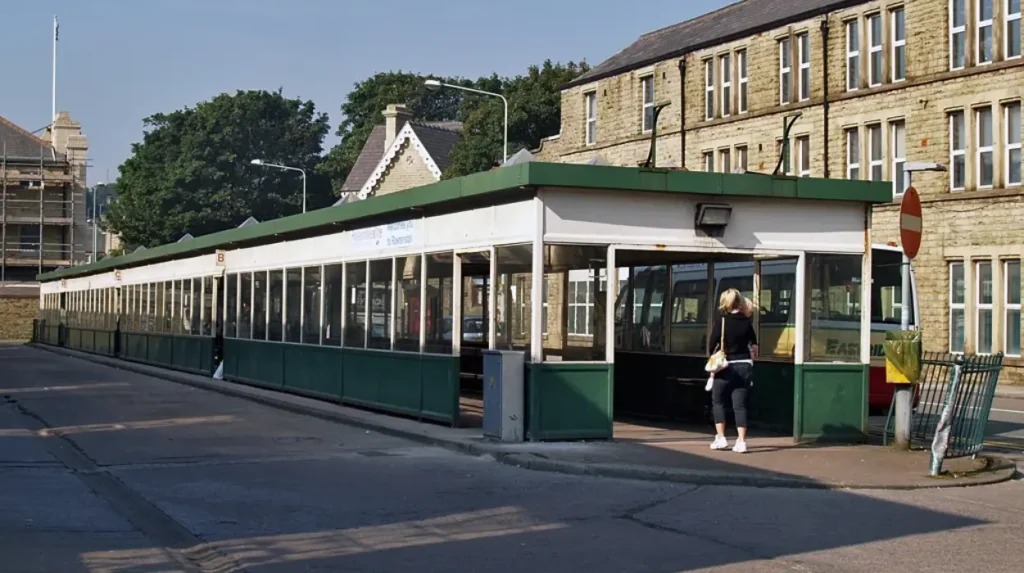
The line connects six main stations: Heywood, Bury Bolton Street, Summerseat, Ramsbottom, Irwell Vale, and Rawtenstall, offering historic sites and scenic walks. Heywood Station serves as the eastern terminus, providing connections to national transport corridors. Bury Bolton Street acts as the primary operational hub, containing the main ticket office, shop, and engine sheds. Summerseat Station offers a quiet village platform surrounded by picturesque nature reserves and riverside trails.
Ramsbottom Station sits in a bustling market town famous for independent shops, restaurants, and food festivals. Irwell Vale is a stop nestled within a preserved nineteenth-century stone mill village atmosphere. Rawtenstall Station marks the northern terminus, featuring a traditional canopy, buffet room, and local bus connections. Each station displays restored Victorian or Edwardian architectural features matching historical railway designs of northern England.
Bury Bolton Street station features the Trackside Pub, offering real ales and platform views for visitors. The adjacent Transport Museum houses vintage buses, steam rollers, and interactive industrial history displays for families. Ramsbottom station connects directly to Lancashire walking routes leading up to the historic Peel Tower landmark. Rawtenstall provides access to the famous traditional herbal temperance bar operating in the town center since 1890.
Platform infrastructure across the line accommodates passengers with mobility challenges through accessible ramps and dedicated spaces. Restored signal boxes at Bury and Ramsbottom control track switches using traditional mechanical lever frames. Water towers located at key platforms refill steam engine boilers during short scheduled station dwell times. Interpretive signs at each station detail the industrial heritage and community background of the local area.
Traveling the full length of the line takes approximately forty-five minutes in one direction without stopping. Passengers can build customized day itineraries by combining train rides with walking tours between adjacent stations. The railway corridor runs parallel to the River Irwell, crossing historical stone bridges and timber viaducts. Clear directional signage helps visitors navigate between railway platforms and nearby village town centers easily.
What Types of Trains and Locomotives Operate on the Heritage Line?
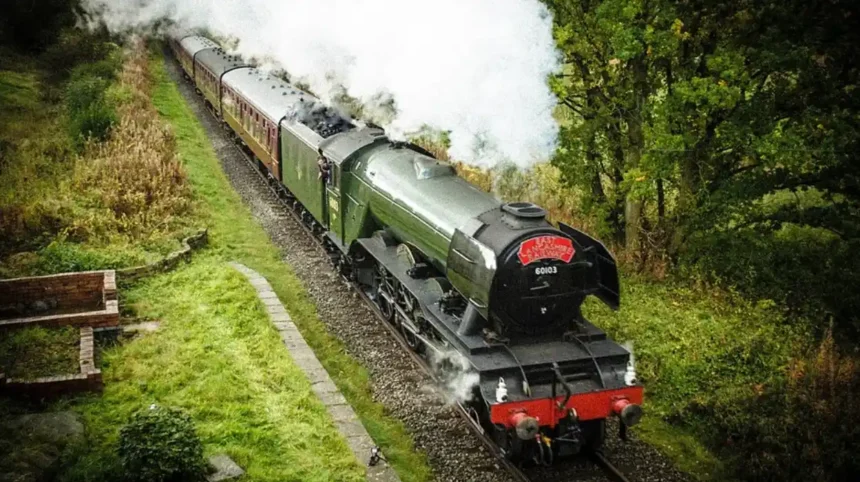
The railway operates restored steam engines, classic main-line diesel locomotives, and historical diesel multiple units sourced from various British Rail eras. Iconic steam engines include ex-LMS Jubilee and Black Five class locomotives built for heavy express passenger routes. Industrial tank engines handle shorter journeys and special family event services during busy summer weekend timetables. Classic diesel engines include Class 40, Class 45, and Class 47 locomotives from the mid-twentieth century.
Diesel Multiple Units offer panoramic views of the Irwell Valley through large front and rear carriage windows. The preservation society maintains an active fleet through meticulous mechanical engineering in the Bury locomotive workshops. Volunteer engineers spend thousands of hours restoring damaged components, boiler systems, and historic rolling stock frameworks. Visiting locomotives from other heritage lines regularly feature during spring and autumn steam galas.
Steam locomotives consume significant quantities of high-grade coal and fresh water during typical operating shifts. Boiler inspections occur regularly to meet strict national safety standards for pressurized industrial steam vessels. The diesel fleet preserves mid-century mainline power technologies that replaced British steam traction during the late 1960s. Historical carriages feature wooden paneling, plush upholstery, and traditional corridor compartments from the steam era.
Educational displays in the locomotive workshops teach visitors about industrial mechanical engineering and historical transit design. The maintenance team uses traditional metalworking tools alongside modern diagnostic equipment to rebuild ancient machinery safely. Preserving diverse locomotive types ensures the railway represents multiple decades of British industrial transportation evolution. Rolling stock preservation protects technical heritage while providing operational redundancy for daily scheduled passenger services.
Passengers can check daily locomotive allocations online before traveling to see which engine pulls their train. Special footplate experience courses allow enthusiasts to learn how to drive steam and diesel engines. These hands-on driving sessions run under expert supervision along the full length of the twelve-mile line. Maintaining operational locomotives requires substantial capital investment funded by donations, ticket sales, and workshop service contracts.
How Can Passengers Plan an Efficient Trip and Avoid Common Travel Delays?
Planning an efficient trip involves checking timetables online, arriving early, booking advance tickets, and coordinating local transport connections. Passengers should review the color-coded operating calendar to confirm whether steam or diesel trains are running. Arriving at Bury Bolton Street thirty minutes before departure ensures stress-free parking and platform navigation. Utilizing public transport options like the Manchester Metrolink light rail connects travelers directly to Bury interchange.
Checking weather forecasts helps passengers select appropriate outdoor clothing for walking between rural valley stations. Booking special event tickets weeks in advance prevents disappointment during sold-out holiday and dining excursions. Bringing cash or valid payment cards ensures quick transactions at station buffets and onboard gift shops. Reviewing station accessibility guides assists travelers carrying strollers or requiring wheelchair ramp assistance at platforms.
Parking options vary across the six stations along the twelve-mile heritage railway route. Bury Bolton Street offers nearby public pay-and-display parking lots within easy walking distance of platforms. Ramsbottom and Rawtenstall feature dedicated station parking spaces, though capacity fills quickly on weekend mornings. Utilizing public bus services or light rail connections reduces parking congestion around busy heritage station precincts.
Onboard amenities include heating inside historic carriages during cold winter operating days for passenger comfort. Restroom facilities are available inside main station buildings and aboard selected long-distance carriage sets. Station buffets serve hot drinks, traditional snacks, and fresh pastries before train departures throughout the day. Helpful platform marshals and volunteer conductors assist passengers with directions, timing advice, and boarding support.
Travelers seeking quiet journeys should consider booking morning departures on off-peak spring or autumn weekends. Photographers can find excellent line-side viewing spots near Summerseat viaduct and Ramsbottom station platform approaches. Combining a railway ticket with entry to the Bury Transport Museum maximizes value for history enthusiasts. Following official social media channels provides real-time updates regarding mechanical maintenance changes or timetable adjustments.
What Are the Environmental, Economic and Community Impacts of the Railway?
The railway drives regional tourism, generates local economic spending, preserves engineering heritage, and provides volunteer education programs. Local businesses in Bury, Ramsbottom, and Rawtenstall profit from hundreds of thousands of annual visitors. Tourism spending supports independent retail shops, restaurants, craft breweries, and boutique accommodation providers throughout Lancashire. The non-profit organization creates direct local employment across administration, engineering, catering, and track maintenance roles.
Environmental initiatives focus on sustainable waste management, energy conservation, and responsible coal sourcing for steam boilers. The railway line preserves a continuous green corridor through the industrial Irwell Valley landscape for local wildlife. Tree management along track embankments balances operational safety with habitat protection for nesting woodland birds. Promoting rail travel encourages visitors to use public transit alternatives when visiting Greater Manchester regional attractions.
Educational outreach programs teach school groups about Victorian industrialization, transport history, and mechanical engineering principles. Hands-on workshops at the Bury Transport Museum inspire young students to pursue technical STEM careers. Volunteer programs offer local residents meaningful community engagement, skill development, and social connection opportunities. Experienced engineers mentor younger volunteers, passing down rare traditional metalworking and mechanical restoration techniques.
Community partnerships connect the heritage line with local charities, health initiatives, and regional historical societies. Special accessible train days ensure individuals with physical or sensory challenges enjoy heritage transport experiences safely. The railway hosts community events, festive markets, and cultural celebrations that bring Lancashire residents together. Preserving local industrial identity fosters pride and historical awareness across surrounding Greater Manchester communities.
Future development plans focus on infrastructure upgrades, bridge repairs, and expanding educational facility capacities across stations. Sustainable funding strategies balance historical authenticity with modern environmental standards and rising energy operational costs. Long-term preservation ensures future generations can experience authentic steam transport heritage in northern England. The East Lancashire Railway remains a vital cultural asset connecting industrial history with modern regional tourism.
- In the introduction, link the mention of environmental infrastructure and local initiatives to Greater Manchester River Health, Flood Risk, and Community Action.
- In the ticket section, connect regional funding and community development concepts to Greater Manchester Launches Social Contract for Good Growth Fund Investment.
- In the station guide section, anchor references to local municipal infrastructure and surrounding regions to Stockport Council Fails Renewal Bid Against Woodford Homes Scheme.
- In the travel tips section, link nearby emergency and safety infrastructure contexts to Middleton Sheltered Housing Fire Residents Safe at Lonsdale Court.
- In the community impacts section, link mentions of regional governance and safety reform to Sir Mark Rowley Calls for Major Police Reform in Manchester.
Frequently Asked Questions
What Is the Total Distance and Travel Time for the Full Line?
The East Lancashire Railway runs for twelve miles between Heywood and Rawtenstall. A complete one-way journey takes approximately forty-five minutes without intermediate stops. A full round trip typically takes ninety minutes, allowing time for engine repositioning at terminal stations.
Are Dogs Allowed on Board the East Lancashire Railway Trains?
Well-behaved dogs are welcome on standard scheduled train services for a nominal ticket fee. Dogs must remain on a leash on platforms and cannot sit on carriage seats. Guide dogs and assistance dogs travel free across all scheduled services and events.
How Far Is the Bury Bolton Street Station from Metrolink?
Bury Bolton Street Station sits approximately two hundred yards from the Bury Metrolink Interchange. Passengers can complete the walk between platforms in less than five minutes along flat paved walkways. Clear directional signs guide transit passengers directly between light rail and heritage train services.
Can Wheelchair Users Access the Heritage Trains and Platforms?
All main stations feature accessible ramps or step-free pathways leading onto platform areas. Specially adapted guards’ vans contain wheelchair ramps and dedicated spaces for comfortable travel. Station staff provide boarding assistance to ensure safe access for passengers with mobility devices.
Is Parking Available at the Main East Lancashire Railway Stations?
Pay-and-display public parking is located near Bury Bolton Street, Ramsbottom, and Rawtenstall stations. Space fills up quickly during weekend steam galas and special holiday event operations. Utilizing nearby public transport connections helps visitors avoid local weekend parking delays.