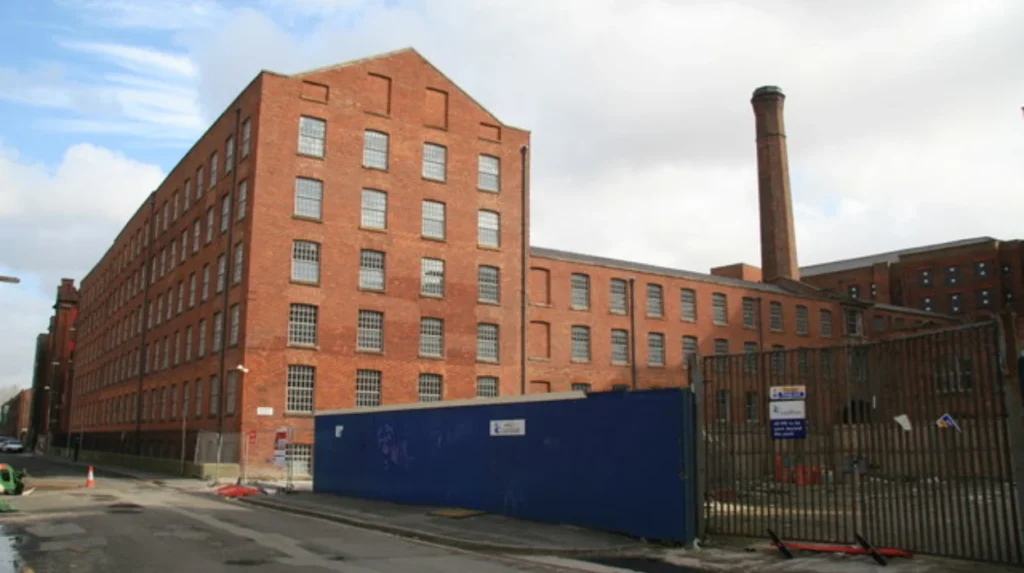
Ancoats represents the world’s first industrial suburb characterized by high-density cotton spinning mills powered by steam engines during the eighteenth and nineteenth centuries. The district features red-brick multi-storey manufacturing structures designed with structural cast-iron frames to support heavy textile machinery. Urban planners and historians recognize this location as the birthplace of the Industrial Revolution due to its pioneering factory systems and canal networks. Industrial growth attracted thousands of immigrant workers who lived in closely packed tenement housing surrounding the massive production facilities.
- Where can visitors find indoor cultural and artistic experiences in Ancoats?
- How do independent food and drink establishments operate inside historic Ancoats mills?
- What retail and artisan shopping opportunities exist indoors within the district?
- How does the canal network contribute to indoor leisure and navigation in Ancoats?
- Frequently Asked Questions
- What are the best indoor things to do in Ancoats on a rainy day?
- Are indoor attractions in Ancoats accessible for people with disabilities?
- How do I get to the indoor attractions in Ancoats during bad weather?
- Can I find family-friendly indoor activities in Ancoats?
- Do I need to book reservations for indoor dining in Ancoats?
Local preservation trusts protect these architectural monuments to maintain visual links to the city manufacturing legacy and working-class history. The neighborhood transformation converted abandoned cotton mills into residential apartments, creative studios, and independent hospitality venues over recent decades. Manchester City Council established heritage trails to guide visitors through the preserved industrial landscape and explain the complex socioeconomic evolution. Academic studies published by local universities document how the spatial layout influenced modern urban planning across European manufacturing centers.
Where can visitors find indoor cultural and artistic experiences in Ancoats?
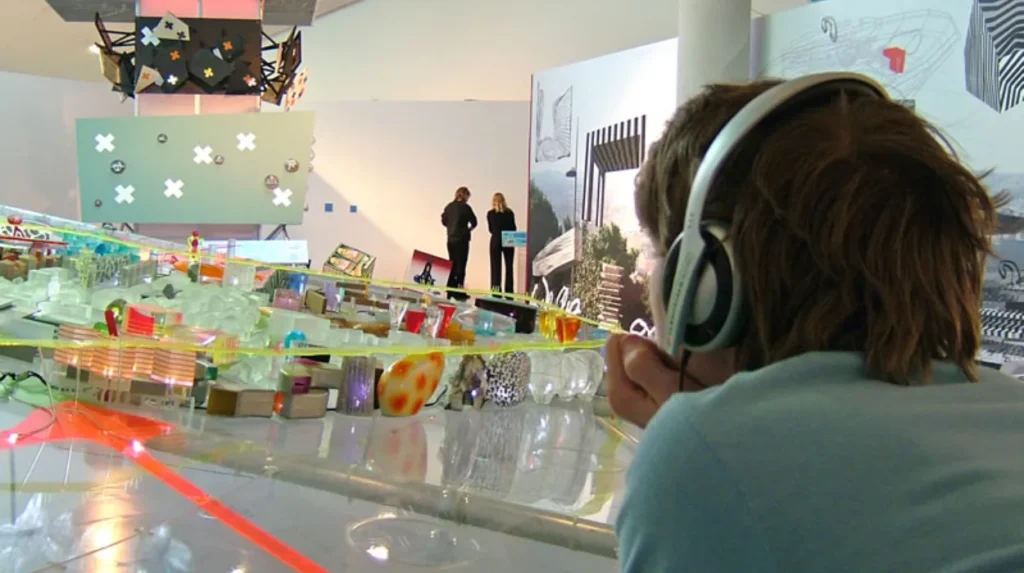
Visitors find exceptional indoor cultural experiences inside restored Victorian industrial spaces that now function as contemporary art galleries, independent cinemas, and performance venues. The Halle St Peters serves as a prime cultural anchor offering orchestral rehearsals, live music performances, and community arts events within a converted historic church. Independent creative spaces host rotating exhibitions featuring local painters, sculptors, and digital media artists working within the Greater Manchester creative sector. Cultural institutions organize educational workshops, architectural tours, and historical lectures inside temperature-controlled rooms protected from adverse weather conditions.
Local arts organizations receive funding from national bodies to support public access programs and showcase diverse talent from across the northwest region. Visitors appreciate the combination of heritage architecture and modern cultural programming that defines the contemporary creative identity of the district. Urban regeneration strategies prioritize the integration of cultural venues to ensure that industrial conservation directly benefits local artistic communities. Detailed schedules published on official cultural portals provide exact timings for gallery openings, film screenings, and live musical performances throughout the year.
How do independent food and drink establishments operate inside historic Ancoats mills?
Independent food and drink establishments operate inside converted mill complexes by utilizing expansive open-plan ground floors for bakeries, specialty coffee roaderies, and artisan restaurants. Notable venues include Rudy Pizzeria, Pollen Bakery, and Mana, which holds a prestigious Michelin star for innovative contemporary British gastronomy. These culinary businesses source ingredients from regional farmers and sustainable suppliers to maintain high standards of quality and ethical food production. Interior designers preserve exposed brickwork, original iron pillars, and vaulted ceilings to create distinct dining environments that celebrate the industrial past.
Gastronomic tourism reports indicate that the local food scene attracts thousands of weekend visitors seeking diverse culinary experiences during inclement weather. Culinary entrepreneurs collaborate with local beverage producers to offer specialized tasting menus featuring craft beers, natural wines, and artisanal spirits. Strict health and safety regulations govern the operation of commercial kitchens housed within heritage structures to protect historic building fabrics. Food guides highlight the concentration of award-winning eateries within a compact geographic radius that makes indoor food exploration exceptionally convenient.
What retail and artisan shopping opportunities exist indoors within the district?
Indoor retail opportunities within the district encompass specialized concept stores, independent bookshops, vinyl record stores, and curated vintage clothing boutiques located inside converted mill spaces. These commercial enterprises offer unique products crafted by local makers, designers, and artisans rather than mass-produced consumer goods found in standard shopping malls. Independent retailers curate selections of ceramics, botanical items, handmade stationery, and sustainable home decor items that reflect contemporary aesthetic trends. Business owners organize seasonal craft fairs and indoor markets where shoppers can interact directly with creators and learn about production techniques.
Economic impact analyses demonstrate that independent retail clusters generate robust local employment and retain financial capital within the regional economy. Store layouts incorporate architectural features of the former textile mills to provide visually distinct shopping environments that enhance the visitor experience. Consumer advocacy groups frequently recommend these independent shops for individuals seeking sustainable purchasing alternatives and personalized customer service. Retail associations provide digital directories listing operating hours, accessibility details, and special event schedules for all indoor shopping destinations.
How does the canal network contribute to indoor leisure and navigation in Ancoats?
The canal network contributes to indoor leisure by providing scenic waterside walkways alongside historic locks that connect indoor venues across the Rochdale and Ashton canals. Industrial waterways historically transported raw cotton and manufactured goods to and from the district mills before transitioning into recreational navigation routes. Conservation organizations maintain the towpaths and canal infrastructure to ensure safe pedestrian access for residents and visitors exploring the area on rainy days. Canal-side establishments feature large glass windows overlooking the water, allowing patrons to enjoy maritime views while remaining sheltered from precipitation.
Historical interpretation panels installed along the waterways explain the engineering feats required to construct the lock systems during the canal mania era. Environmental monitoring agencies track water quality and biodiversity indices to protect urban wildlife habitats thriving along the canal corridors. Local authorities invest in continuous infrastructure improvements, including enhanced lighting and security cameras, to promote safe year-round pedestrian mobility. Navigation guides published by waterways authorities provide comprehensive mapping of moorings, historical milestones, and connecting indoor attractions throughout Manchester.
Frequently Asked Questions
What are the best indoor things to do in Ancoats on a rainy day?
Visitors can explore historic mill architecture, dine at award-winning restaurants like Pollen Bakery, and view contemporary art at Halle St Peters. The district offers numerous covered artisan markets and specialty coffee shops housed within converted Victorian industrial spaces.
Are indoor attractions in Ancoats accessible for people with disabilities?
Most restored mill buildings and modern hospitality venues feature step-free ground floor access, elevators, and accessible restroom facilities. Historic architectural constraints can occasionally impact upper floors, so checking specific venue guidelines beforehand is recommended.
How do I get to the indoor attractions in Ancoats during bad weather?
The neighborhood is easily reachable via the Manchester Metrolink tram system, with nearby stops at New Islington and Victoria Station. Walking paths from the city center are straightforward, and local bus routes service the district directly.
Can I find family-friendly indoor activities in Ancoats?
Families enjoy visiting independent bakeries, interactive creative workshops, and spacious indoor cafes that welcome children of all ages. Many cultural venues host family-oriented weekend activities and educational exhibitions throughout the year.
Do I need to book reservations for indoor dining in Ancoats?
Popular restaurants and specialty bakeries often experience high demand, making advance reservations strongly recommended for weekend visits. Casual cafes and retail shops generally operate on a walk-in basis without requiring prior booking.