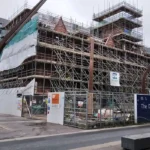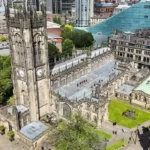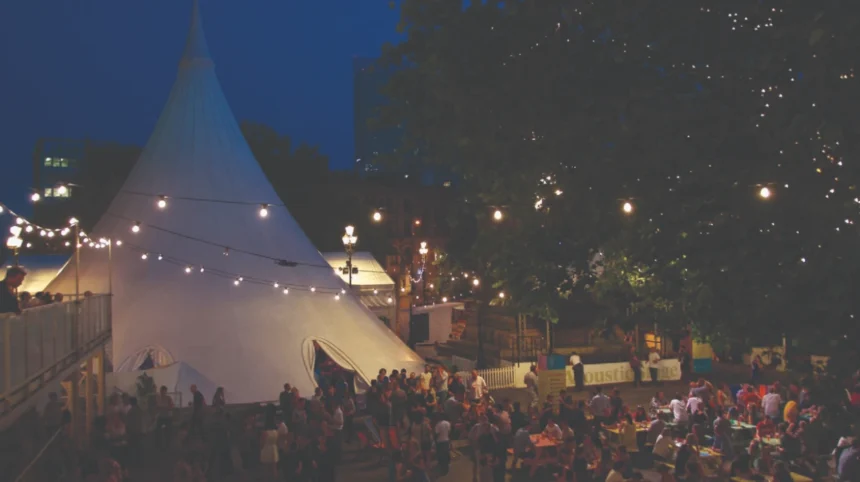
Ancoats represents the world first industrial suburb where purpose built cotton mills and worker tenements established the blueprint for modern manufacturing during the eighteenth century whereas the Northern Quarter developed as a dense residential and commercial merchant district characterised by small scale trades and textile warehouses. Manchester City Council historical archives document that Ancoats emerged rapidly following the construction of the Rochdale Canal in seventeen ninety four which facilitated mass transportation of coal and raw cotton into urban factories. The Northern Quarter evolved more organically around High Street and Thomas Street where independent merchants established dry goods emporiums and boot making workshops during the early Victorian period.
- How do the accommodation options and hotel styles compare in Ancoats and the Northern Quarter?
- What dining and nightlife experiences define Ancoats compared to the Northern Quarter?
- What are the main transport links and walkability factors for visitors staying in either area?
- Which neighbourhood better suits specific types of travellers visiting Manchester?
- Frequently Asked Questions
Architectural preservation trusts note that Ancoats retains monumental red brick structures such as Murrays Mills which illustrate vertical integration of steam powered textile production on a massive scale. Conversely the Northern Quarter showcases smaller domestic scale tenements and Edwardian commercial facades reflecting decentralized trade rather than centralized factory systems. Urban historians classify Ancoats as a top down planned industrial landscape while designating the Northern Quarter as a bottom up mercantile hub. These foundational patterns dictate contemporary urban layouts where Ancoats features wide cobblestone courtyards and large scale apartment conversions.
The Northern Quarter maintains narrow winding thoroughfares lined with independent retailers and multi story Victorian loft spaces. Both districts experienced severe post industrial economic decline during the mid twentieth century before undergoing extensive regeneration initiatives led by urban development corporations.
How do the accommodation options and hotel styles compare in Ancoats and the Northern Quarter?
Accommodation choices in Ancoats consist primarily of high end boutique apart hotels and luxury residential conversions whereas the Northern Quarter provides a higher concentration of independent guesthouses artistic loft rentals and budget friendly urban hostels. Travel industry statistics compiled by Manchester Hoteliers Association indicate that average nightly rates in Ancoats run approximately fifteen percent higher due to the concentration of upscale dining establishments and newly constructed waterfront developments along the Rochdale Canal. Visitors booking stays in Ancoats frequently select properties like Roomzzz Manchester Corn Exchange or serviced apartments within converted cotton mills which offer modern amenities and quiet residential perimeters.
Northern Quarter lodging options prioritize bohemian aesthetics and historical preservation featuring exposed brick walls vintage furnishings and direct access to street level music venues and independent cafes. Property management data reveals that Northern Quarter short term rentals appeal strongly to solo travelers and creative professionals seeking immersive nightlife experiences within walking distance of Piccadilly Gardens. Ancoats accommodation targets business travelers and culinary tourists who prioritize proximity to Michelin recommended eateries and tranquil green spaces such as Cutting Room Square. Both neighborhoods lack sprawling chain resort hotels preferring instead to integrate lodging into existing historical building envelopes to preserve neighborhood character. This distinct accommodation ecosystem ensures travelers choose their base strictly according to their preference for quiet luxury or vibrant artistic energy.
What dining and nightlife experiences define Ancoats compared to the Northern Quarter?
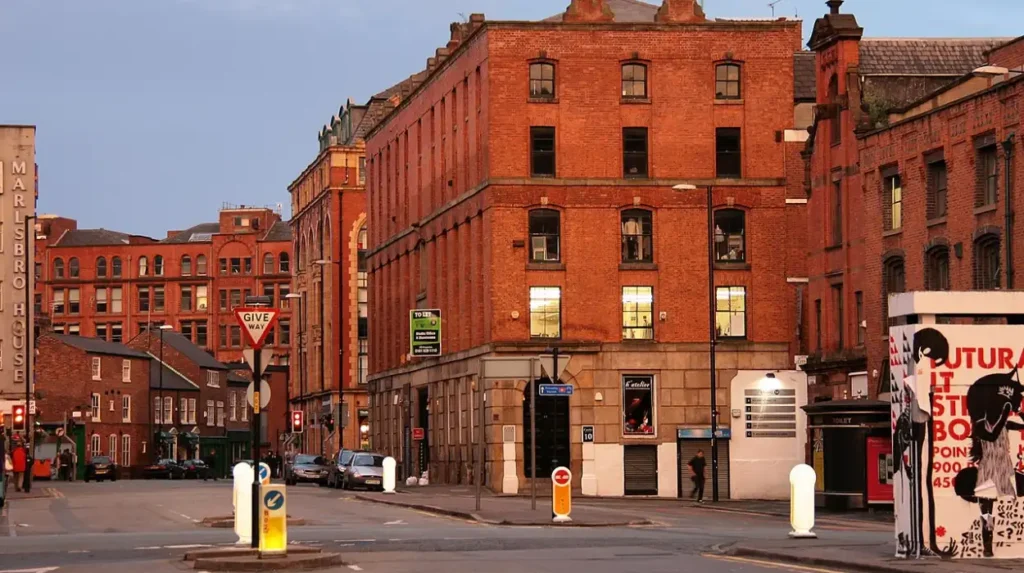
Ancoats functions as the premier fine dining and artisanal culinary destination in Manchester featuring internationally acclaimed restaurants and specialized Italian bakeries while the Northern Quarter operates as the epicentre of casual craft beer pubs independent music bars and alternative nightspots. Official Manchester Food and Drink Festival records show that Ancoats boasts multiple establishments awarded Michelin stars and Bib Gourmands including Mana and Erst which draw gastronomic tourists from across the United Kingdom. Dining establishments in Ancoats occupy revitalized mill spaces around Cutting Room Square where outdoor terrace seating provides an energetic yet sophisticated atmosphere for evening diners. The Northern Quarter counters with a densely packed network of traditional pubs basement cocktail bars and late night music venues such as Night and Day Cafe and Band on the Wall.
Culinary offerings in the Northern Quarter span diverse global street food concepts vegan diners and independent coffee roasters that cater to a younger creative demographic throughout the week. Nightlife in Ancoats winds down earlier with strict noise abatement regulations protecting local residential communities within the converted mill complexes. The Northern Quarter maintains a vibrant twenty four hour weekend culture where patrons frequent vinyl record bars and secret cocktail dens tucked behind unassuming alleyway doors. Visitors seeking curated tasting menus choose Ancoats whereas travelers desiring spontaneous pub crawls and live indie music gravitate towards the Northern Quarter.
What are the main transport links and walkability factors for visitors staying in either area?
Both Ancoats and the Northern Quarter offer exceptional urban walkability and direct proximity to Manchester Piccadilly railway station although Ancoats sits closer to New Islington tram stop while the Northern Quarter borders the major commercial retail core of Market Street. Transport for Greater Manchester journey planners indicate that walking between Ancoats and the Northern Quarter takes less than ten minutes across Great Ancoats Street making both neighborhoods ideal bases for exploring the wider metropolitan area on foot. Metrolink tram services operating from New Islington and Shudehill provide direct connectivity to MediaCityUK Old Trafford football stadium and Manchester Airport without requiring private vehicle hire. Bus transit corridors run along major boundary roads offering comprehensive routes into surrounding boroughs and regional employment centers.
Pedestrian infrastructure in Ancoats features wide landscaped walkways along the canal basin and traffic calmed zones surrounding residential squares. The Northern Quarter utilizes pedestrianized lanes such as Thomas Street during evening hours to accommodate outdoor dining and ensure safe movement for high volumes of nightlife patrons. Cyclists benefit from secure cycle hire docking stations and dedicated bike lanes integrated into recent urban renewal projects across both districts. Visitors arriving by train find that walking from Manchester Piccadilly to either neighborhood takes approximately eight to twelve minutes depending on exact luggage weight and hotel location.
Which neighbourhood better suits specific types of travellers visiting Manchester?
Ancoats suits culinary enthusiasts architecture buffs and travellers seeking a quieter upscale residential experience whereas the Northern Quarter best accommodates music lovers vintage shoppers and backpackers desiring immersive nightlife and creative community vibes. Tourism demographic surveys conducted by Marketing Manchester indicate that couples aged thirty to fifty frequently select Ancoats for romantic weekend breaks focused on fine dining and tranquil canal walks. Solo travellers and creative professionals aged twenty to thirty five disproportionately choose the Northern Quarter for its proximity to independent art galleries vintage record stores and eclectic basement bars. Families visiting Manchester find Ancoats more manageable due to its lower ambient street noise and abundance of open public plazas like Cutting Room Square where children can play safely away from heavy traffic.
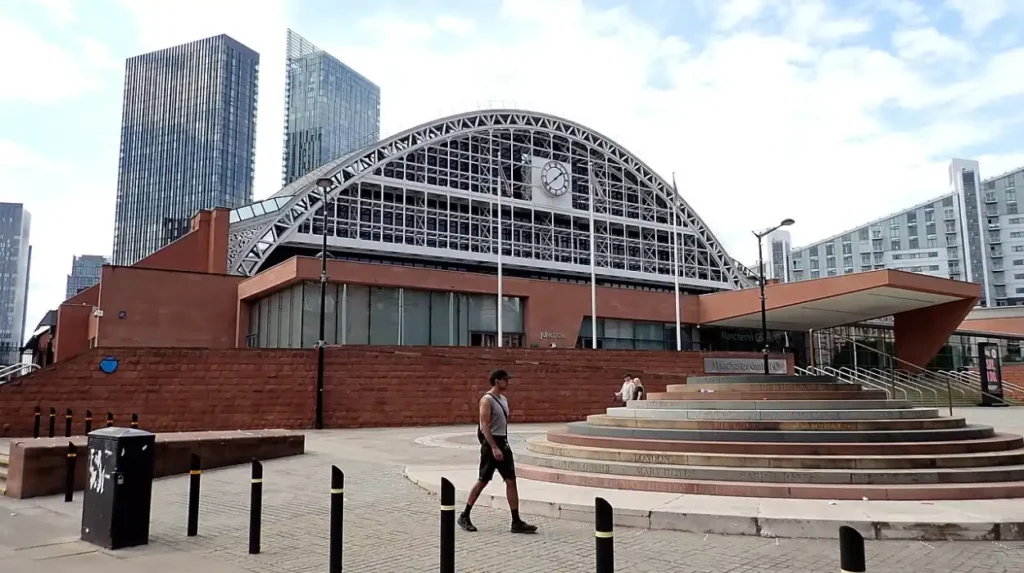
Business travelers attending conferences at Manchester Central Convention Complex frequently book properties in Ancoats for its seamless tram access and quiet evening environment conducive to rest. Photographers and history enthusiasts spend equal time in both districts documenting the striking contrast between the grand scale industrial scale manufacturing architecture of Ancoats and the intricate Victorian mercantile facades of the Northern Quarter. Selecting the correct neighbourhood ultimately depends on whether a traveller prioritizes award winning gastronomy and serenity or eclectic nightlife and subcultural arts.
Frequently Asked Questions
Is Ancoats safer than the Northern Quarter for tourists staying overnight?
Both Ancoats and the Northern Quarter maintain comparable safety records with standard urban precautions recommended during late night hours. Ancoats benefits from quieter residential zoning and modern lighting which deters petty crime around newly developed apartment complexes. The Northern Quarter experiences higher foot traffic due to dense nightlife venues requiring visitors to remain vigilant around crowded pubs and transit hubs.
Which neighbourhood is more expensive for dining and accommodation?
Ancoats generally commands higher prices for both accommodation and dining due to its concentration of luxury boutique hotels and Michelin starred restaurants. The Northern Quarter offers a broader spectrum of budget friendly hostels independent guesthouses and casual street food eateries. Travellers on strict budgets find more affordable options within the Northern Quarter hospitality ecosystem.
Can I park a car easily if I stay in Ancoats or the Northern Quarter?
Street parking is severely limited in both Ancoats and the Northern Quarter with most available spaces restricted to permit holders or short stay pay and display bays. Visitors driving to Manchester are advised to utilize secure multi storey car parks such as NCP Manchester Piccadilly or Cardigan Street car park. Many hotels in both districts partner with local parking operators to offer discounted overnight rates for guests.
Which area has better access to public transport links?
Both neighbourhoods enjoy exceptional public transport access with Manchester Piccadilly railway station situated within a ten minute walk from either location. Ancoats provides immediate access to the New Islington tram stop while the Northern Quarter borders Shudehill interchange and Market Street bus hubs. Both areas offer seamless connectivity to all major regional and national transport networks.