
The Manchester worker bee represents the city of Manchester as an enduring symbol of industrial hard work, collective resilience, and civic pride. Adopted officially during the nineteenth century, the emblem highlights the industrial legacy and unified identity of the local population.
- Where did the history of the Manchester bee emblem originate in the nineteenth century?
- How is the Manchester bee used across public architecture and municipal infrastructure?
- What role did the Manchester bee play following the 2017 Manchester Arena attack?
- Why is the worker bee important to the modern cultural identity of Greater Manchester?
- Frequently Asked Questions
The Manchester worker bee stands as the defining civic emblem of Manchester, located in North West England. The symbol originated during the British Industrial Revolution when Manchester became the global epicenter of textile manufacturing and industrial production. Local historians record that the worker bee was selected to represent the relentless work ethic of the local population and the collaborative nature of the city factories. The city earned the nickname Cottonopolis during this period, as hundreds of steam powered mills produced high volumes of cotton goods for international export markets.
The coat of arms of the city of Manchester officially incorporated seven worker bees on a globe in the year 1842. This crest design signaled Manchester commercial reach across all continents of the earth through trade networks. The worker bee embodies the principle that collective human effort yields immense community strength. Today, the symbol appears across public architecture, municipal infrastructure, street furniture, and local branding, serving as a permanent visual reminder of the industrial heritage and communal resilience of Manchester.
Where did the history of the Manchester bee emblem originate in the nineteenth century?
The history of the Manchester bee began in 1842 when the borough officially incorporated the worker bee into its corporate coat of arms. The design signified the industrial growth, mechanical progress, and global commercial trade network established during the Industrial Revolution.
Manchester grew rapidly from a market town into a major industrial city between 1780 and 1850. The rapid installation of textile machinery and steam power required thousands of workers to operate factories continuously. Local leaders chose the worker bee to symbolize these factory workers who labored tirelessly within busy textile mills. The comparison between human workers in a factory and worker bees inside a hive became a widespread social metaphor across Victorian England.
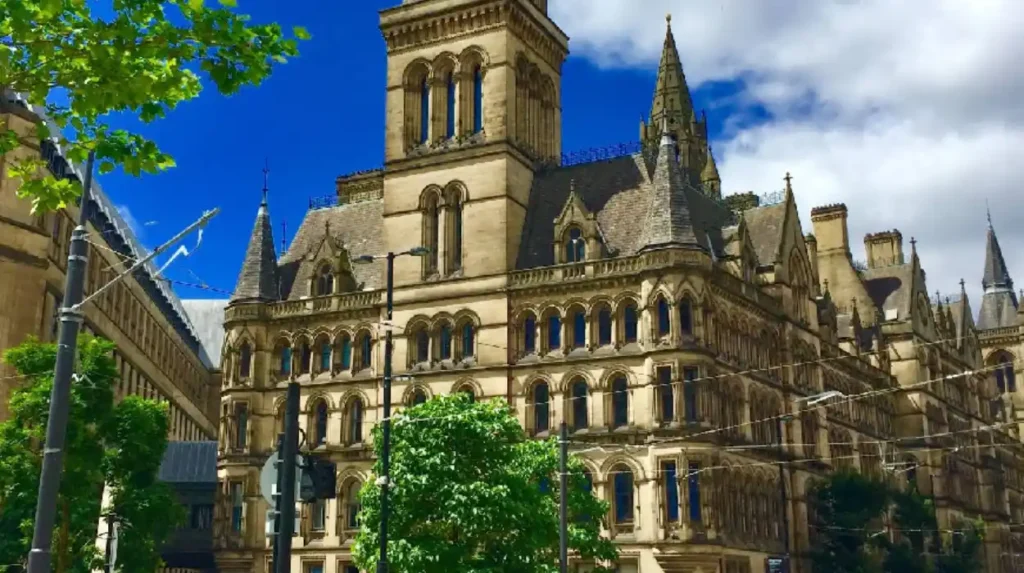
The official crest granted by the College of Arms in 1842 featured seven worker bees flying over a terrestrial globe. The seven bees represented the seven continents known at the time, demonstrating the ambitious commercial trade goals of the city. The globe underscored the global distribution of goods manufactured in Manchester factories. The emblem was carved into major public buildings, including Manchester City Hall, which was completed in 1877 under the design direction of architect Alfred Waterhouse.
How is the Manchester bee used across public architecture and municipal infrastructure?
The Manchester bee appears extensively on public infrastructure including cast iron bollards, street lamps, waste bins, floor mosaics, and municipal buildings. These public displays reinforce the cultural heritage and visual identity of the city within daily urban life.
Visitors to Manchester encounter the worker bee symbol embedded directly into the physical infrastructure of the urban environment. The cast iron street bollards throughout the city center feature raised reliefs of worker bees painted in yellow and black. The mosaic floor inside Manchester City Hall displays elaborate tile patterns depicting worker bees surrounded by cotton plants, directly linking the emblem to the historic cotton trade.
Municipal agencies continue to utilize the worker bee to identify public assets and city services. Manchester City Council features the bee emblem on waste collection vehicles, public recycling bins, park signage, and official documentation. The Kimpton Clocktower Hotel, formerly the Refuge Assurance Building, incorporates carved stone bees on its exterior facade. The wide geographic distribution of the emblem across public property establishes a cohesive visual language that connects historic architectural monuments with modern public infrastructure.
What role did the Manchester bee play following the 2017 Manchester Arena attack?
Following the May 2017 Manchester Arena attack, the worker bee emerged as a national symbol of unity, community resilience, and peaceful defiance against violence. The emblem brought citizens together to support victims and demonstrate collective solidarity.
On May 22, 2017, a terrorist bombing occurred at the Manchester Arena, resulting in 22 tragic deaths and hundreds of injuries. In the hours and days following the event, the worker bee transformed from an industrial symbol into an emblem of solidarity and grief recovery. Local artists created mural depictions of twenty-two worker bees across city walls, including major artworks in the Northern Quarter district, to honor the memory of the victims.
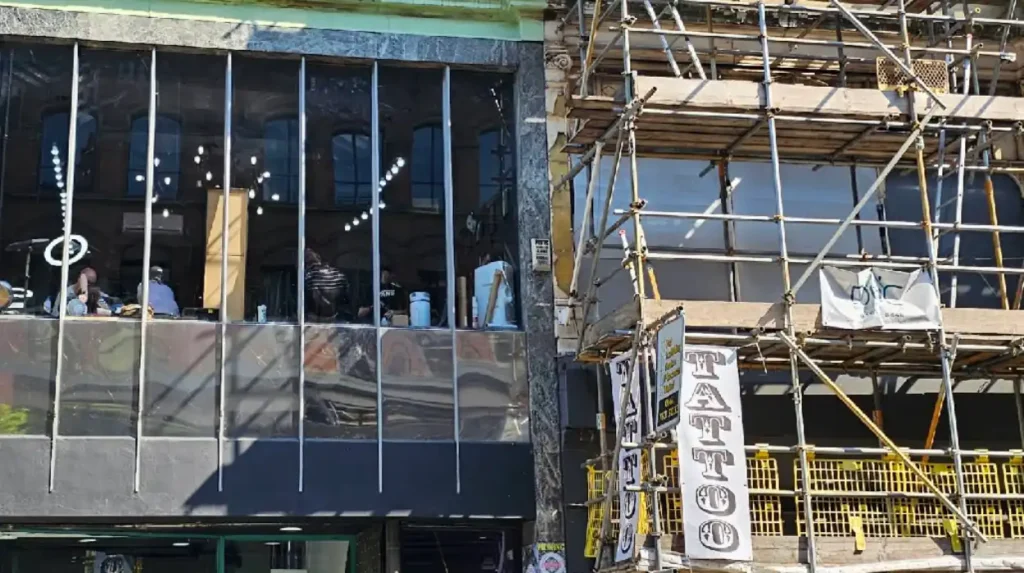
The symbol mobilized unprecedented community support and charitable fundraising drives. Local tattoo artists launched the Manchester Tattoo Appeal, offering worker bee tattoos in exchange for direct donations to the We Love Manchester Emergency Fund. Thousands of residents waited in line to receive the permanent symbol on their skin, raising over 500,000 pounds sterling for direct victim relief. The worker bee became a visual representation of unity, kindness, and civic strength during a period of intense public grieving.
Why is the worker bee important to the modern cultural identity of Greater Manchester?
The worker bee serves as a central symbol of modern civic pride, commercial branding, artistic expression, and athletic identity across Greater Manchester. It connects historic working class values with contemporary art, popular music, and athletic achievements.
The worker bee transcends its nineteenth century municipal origins to remain a vibrant force in modern popular culture. Local businesses, fashion brands, independent breweries, and digital media companies incorporate the bee into their logos to indicate local authenticity. Musical acts from Manchester, including bands associated with the Madchester movement and Britpop era, have frequently adopted the symbol to represent their regional heritage.
Professional sports teams and community athletic organizations in Greater Manchester regularly utilize the bee emblem. Manchester City Football Club and Manchester United Football Club have both incorporated the worker bee into special edition match kits to raise funds for local charity initiatives. Local schools and universities teach the history of the worker bee to educate young residents about industrial history and civic responsibility. The worker bee continues to evolve while preserving its core message of unity and hard work.
Frequently Asked Questions
What does the Manchester bee symbol mean?
The Manchester worker bee represents hard work, unity, and civic pride. It originated during the Industrial Revolution to symbolize the industrious factory workers who drove the city textile economy. Today, it serves as a global symbol of community strength and resilience.
Why do people in Manchester get bee tattoos?
People get Manchester bee tattoos to show solidarity, civic pride, and connection to the city. The trend expanded dramatically after the 2017 Manchester Arena attack, when a local fundraising appeal raised over £500,000 for victims through bee tattoos.
Where can you see the Manchester bee in the city center?
You can spot the Manchester bee on cast-iron street bollards, waste bins, clock towers, and public lamps across the city center. Key architectural locations include the mosaic floors of Manchester City Hall and the facade of the Kimpton Clocktower Hotel.
Is the Manchester bee an official municipal coat of arms?
The worker bee is an official component of the Manchester coat of arms granted in 1842. The original crest features seven bees on a globe, symbolizing the international reach of Manchester manufactured goods during the peak of the textile industry.
What is the connection between the Manchester bee and the cotton industry?
During the Victorian era, Manchester factories were compared to busy beehives because of their high output and organized workforce. Cotton mills earned the city the nickname Cottonopolis, making the worker bee an ideal emblem for its industrial boom.