Key Points
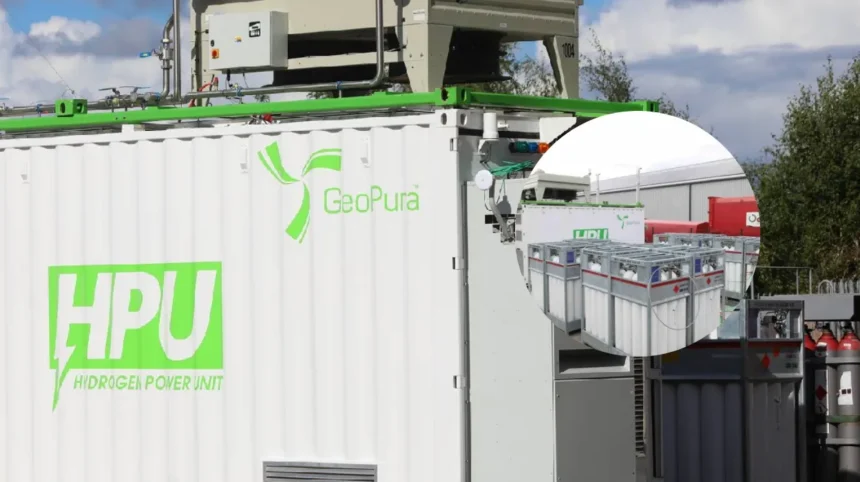
- The Stockport recycling site is using hydrogen power units, solar power, and electricity from the grid instead of diesel generator sets.
- It is referred to as the first of its kind in the UK.
- The initiative aims at reducing dependence on diesel generators in the recycling plant.
- These three types of power are being adopted as alternative forms of energy.
- It is in line with the overall attempt by the recycling and waste industry to minimize emission from the sites.
- This development could serve as a model for other recycling sites trying to adopt clean energy initiatives.
- Marketing Stockport covered the development through the following article title “Stockport recycling site swaps diesel for greener alternatives”.
- The article is solely based on the transition of the energy in the site without providing information on the actual emissions reduction, cost of the project, or operating outcomes.
Stockport (Manchester Mirror) September 21, 2026 – After a recycling facility became the first in the UK to replace its diesel generators with hydrogen power units, solar energy and electricity from the grid. The development marks a change in how the site receives power for its operations and reduces its dependence on diesel generation.
- Key Points
- Why has the site moved away from diesel generators?
- What energy sources are now being used?
- Hydrogen power units
- Solar energy
- Grid electricity
- Why is the project important for the recycling sector?
- What has Marketing Stockport reported about the development?
- What information is still unavailable?
- How could the development affect other UK recycling sites?
- What is the background to the development?
- How could the development affect the recycling sector?
As reported by Marketing Stockport, the recycling site has moved away from using diesel generators as its main alternative source of power. Instead, the facility is using a combination of hydrogen power units, solar generation and electricity supplied through the national grid.
The report presents the project as a significant development for the UK recycling sector because it combines several lower-emission energy sources at one site. Rather than depending on a single replacement technology, the facility is using hydrogen, renewable solar power and grid electricity to meet its energy needs.
The project is particularly relevant to recycling facilities, which often require continuous power for machinery, processing systems, lighting, handling equipment and other site operations. Diesel generators have traditionally been used where a site needs independent or backup electricity, but the Stockport development demonstrates an alternative approach.
Why has the site moved away from diesel generators?
The reported change is centred on reducing the site’s reliance on diesel power. Diesel generators can provide dependable electricity where grid capacity is limited or where operations require backup power, but they also involve fuel use and exhaust emissions.
By introducing hydrogen power units, solar energy and grid electricity, the Stockport facility is using a broader energy mix. The arrangement allows the site to draw power from different sources rather than depending entirely on diesel generation.
Marketing Stockport’s report does not give a detailed breakdown of the site’s former diesel use or provide a quantified figure for the emissions avoided. It also does not state how much electricity is generated by the solar installation, how the hydrogen units are supplied or whether the facility maintains diesel equipment for emergency use.
Those details are important when assessing the full environmental impact of the project. The benefits of hydrogen power depend partly on how the hydrogen is produced, while the environmental performance of grid electricity can change according to the wider electricity mix. Solar generation can provide renewable power, but its output varies depending on daylight and weather conditions.
The report does, however, clearly identify the central development: diesel generators have been replaced by a combination of hydrogen power units, solar and grid electricity.
What energy sources are now being used?
The Stockport recycling site is using three main alternatives to diesel generation.
Hydrogen power units
Hydrogen power units are being used as one of the replacement technologies at the site. These units can provide electricity without relying on conventional diesel fuel. Their wider environmental performance depends on the production and supply of the hydrogen used to power them.
The inclusion of hydrogen is significant because the technology is often considered for locations that need reliable power but face challenges in using grid electricity alone. In a recycling environment, dependable power may be needed for equipment and operational systems throughout the working day.
The available report does not identify the manufacturer or model of the hydrogen power units. It also does not specify their total capacity, operating hours or whether they are used continuously or as a backup source.
Solar energy
Solar power is another part of the new energy system. Solar panels can generate electricity on site and reduce the amount of power that must be purchased from the grid or produced through fuel-powered generators.
The amount of electricity produced by solar panels depends on the size of the installation, the time of year and local weather conditions. Solar power is therefore commonly combined with another source of electricity when a site requires consistent power.
At the Stockport facility, solar is being used alongside hydrogen power units and grid electricity. The report does not state the number of solar panels installed or the proportion of the site’s total electricity demand that they meet.
Grid electricity
The site is also connected to the electricity grid. Grid power provides an established source of electricity and can support the facility when solar output is unavailable or insufficient.
Using the grid alongside solar and hydrogen creates a mixed-energy system. This may help the site maintain reliable operations while reducing its dependence on diesel generators.
The report does not provide information about the site’s electricity contract, the amount of renewable electricity purchased from the grid or the capacity of its grid connection.
Why is the project important for the recycling sector?
The development is important because it applies cleaner energy technologies to a working recycling facility rather than presenting them only as a future possibility. Recycling sites require energy-intensive equipment, and their operations may continue for long periods each day.
A successful transition away from diesel could encourage other waste and recycling businesses to examine how their own sites are powered. Facilities may consider a combination of grid connections, solar generation, battery storage, hydrogen systems or other alternatives, depending on their operational requirements.
The Stockport project also highlights the fact that decarbonising a site may require several technologies working together. Solar power may be useful during daylight hours, while grid electricity can provide a more consistent supply. Hydrogen units may offer an additional source of power where a site needs flexibility or backup capacity.
However, each recycling facility has different requirements. The suitability of an energy system depends on factors such as the site’s electricity demand, available land, grid capacity, equipment load, operating hours, planning restrictions and access to fuel or energy infrastructure.
The development should therefore be viewed as an example of an alternative energy arrangement rather than a universal solution for every recycling facility.
What has Marketing Stockport reported about the development?
Marketing Stockport reported that the recycling site is the first in the UK to swap its diesel generators for greener hydrogen power units, solar and grid electricity. The publication’s report is the primary source for the specific development covered here.
The available source information identifies the broad energy transition but does not provide a full technical assessment. There is no confirmed figure in the accessible material for the project’s total cost, annual energy consumption, carbon savings or reduction in diesel use.
For that reason, the development can be accurately described as a reported move away from diesel generators towards hydrogen power units, solar and grid electricity. Claims about the precise financial or environmental benefits would require additional information from the site operator or project partners.
No author name was available in the accessible source result. Attribution has therefore been given to Marketing Stockport as the media outlet reporting the development, without assigning the report to an unnamed journalist.
What information is still unavailable?
Several details would be needed to measure the project’s full impact.
- The name and location of the recycling operator have not been confirmed in the available source material.
- The size and power output of the hydrogen units have not been stated.
- The type and source of hydrogen used at the site have not been identified.
- The capacity of the solar installation has not been provided.
- The site’s annual diesel consumption before the change has not been disclosed.
- No verified figure has been given for the reduction in carbon dioxide emissions.
- The cost of installing and operating the new energy system has not been reported.
- It is unclear whether diesel generators remain available for emergency use.
- The length of time the new system has been operating has not been stated.
- No performance data has been published showing whether the system has reduced operating costs.
These gaps do not alter the central fact reported by Marketing Stockport, but they limit the extent to which the project’s results can be assessed.
How could the development affect other UK recycling sites?
The Stockport project could encourage other recycling businesses to review their use of diesel generators and investigate alternative power sources. Sites that operate in areas with suitable grid access or available space for solar panels may be able to consider similar combinations.
The development may also increase interest in hydrogen power for industrial and commercial locations that require reliable electricity. Hydrogen systems could be considered where businesses need to reduce local exhaust emissions while retaining a dependable source of power.
The likely effect on other sites will depend on cost, infrastructure and operational reliability. A recycling business may need to invest in new equipment, improve its grid connection, install solar panels and establish a reliable hydrogen supply. These requirements may make the approach more suitable for some sites than others.
The reported project may nevertheless provide a practical example for businesses assessing how to reduce diesel use. Its value to the sector will become clearer if the operator publishes data on performance, emissions and costs over a longer period.
What is the background to the development?
Diesel generators have commonly been used to provide temporary, backup or off-grid electricity for industrial operations. They are valued for their flexibility, but their operation depends on diesel fuel and produces exhaust emissions.
The move towards alternative energy sources is taking place as businesses examine ways to reduce emissions and improve the efficiency of their operations. Solar power can generate electricity on site, while grid connections can provide a stable supply. Hydrogen power units offer another option for facilities that need electricity but want to reduce their use of conventional diesel generators.
The Stockport recycling site’s approach combines these sources. According to Marketing Stockport, it is the first UK recycling site to replace its diesel generators with hydrogen power units, solar and grid electricity.
The available report does not establish whether the development forms part of a wider national programme or whether similar projects are already being planned elsewhere. It does show that alternative power technologies are being applied directly to recycling operations in Stockport.
How could the development affect the recycling sector?
The development could lead to greater interest in mixed-energy systems among recycling operators, particularly businesses seeking to reduce diesel use without compromising the reliability of their operations. If the Stockport system performs consistently, it may give other facilities a reference point when considering hydrogen, solar and grid power.
For the public and local communities, replacing diesel generation could potentially reduce local exhaust emissions and noise associated with generator use. The scale of any improvement would depend on how much diesel was previously used and how the new system operates.
For recycling businesses, the main considerations are likely to be reliability, installation costs, energy prices, hydrogen availability, solar output and grid capacity. The project’s longer-term influence will depend on whether it produces measurable environmental and operational benefits.