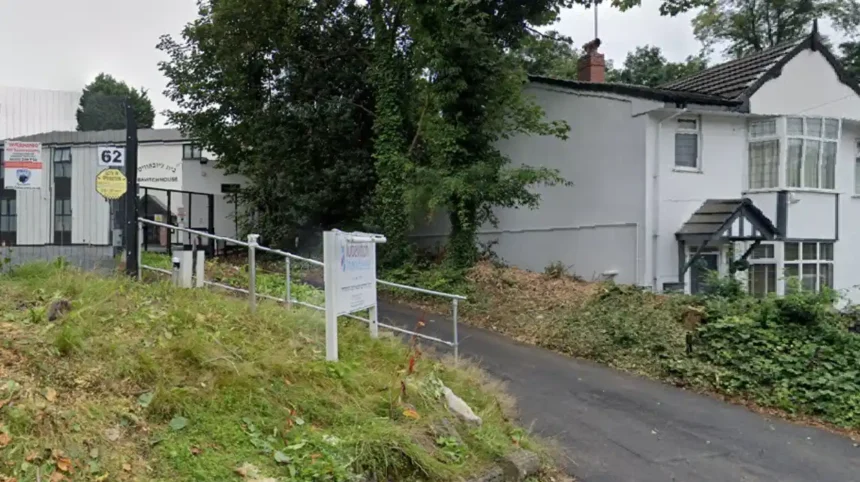
Lubavitch Manchester is a major branch of the global Chabad-Lubavitch Hasidic movement operating within Greater Manchester, United Kingdom. The organization delivers religious, educational, and social services to local Jewish residents through communal centers, schools, and specialized outreach programs across the region.
- What Is the History of Lubavitch in Manchester?
- How Does Lubavitch Manchester Serve the Local Community?
- What Are the Key Educational Institutions of Lubavitch Manchester?
- Where Are the Primary Lubavitch Centers Located in Greater Manchester?
- What Role Does Hasidic Philosophy Play in Lubavitch Manchester?
- How Is Lubavitch Manchester Structured and Funded?
- How Does Lubavitch Manchester Collaborate with the Broader Jewish Community?
- What Is the Future Outlook for Lubavitch Manchester?
- Frequently Asked Questions
- What is the difference between Chabad and Lubavitch?
- Are Lubavitch centers in Manchester open to non-orthodox Jews?
- How does Lubavitch Manchester support university students?
- Where is the main headquarters for Lubavitch in Greater Manchester?
- How can community members participate in adult education classes?
The term Chabad is an acronym representing the Hebrew intellectual faculties of wisdom, comprehension, and knowledge. The name Lubavitch originates from the Russian town Lyubavichi, which served as the operational headquarters for the movement for more than a century. The movement emphasizes intellectual engagement with Jewish mysticism and practical outreach to every Jewish individual regardless of background.
In Greater Manchester, the movement operates under local leadership structures while maintaining spiritual alignment with global Chabad headquarters in Brooklyn, New York. The regional network includes synagogues, community centers, ritual baths, adult education institutes, and youth organizations. These entities serve an estimated regional Jewish population of over 30,000 individuals concentrated in Salford, Bury, and Trafford. The primary hub located on Singleton Road in Higher Broughton acts as the central administrative base for regional operations.
What Is the History of Lubavitch in Manchester?
Lubavitch in Manchester began establishing formal institutional roots during the mid-20th century following the influx of European refugees and post-war Jewish migration. Dedicated emissaries sent by the sixth and seventh Lubavitcher Rebbes laid the foundation for long-term community educational institutions and spiritual outreach networks.
The growth of the movement in North West England accelerated during the late 1950s and 1960s. Rabbi Avrohom Jaffe and other senior scholars established permanent religious foundations in North Manchester to address community needs. The establishment of dedicated schools catered to parents seeking rigorous traditional instruction combined with Hasidic philosophy. Over successive decades, the organizational footprint expanded beyond original strongholds in Salford into broader municipal districts. Historical developments include the construction of purpose-built community centers, ritual facilities, and specialized libraries housing classical Hasidic texts. The movement adapted to demographic shifts as Jewish populations migrated toward suburban areas like Hale, Bowdon, and Altrincham. Archive records document continuous expansion in student enrollment and social service delivery across six decades of continuous operation.
How Does Lubavitch Manchester Serve the Local Community?
Lubavitch Manchester serves the local community through comprehensive educational programming, public religious celebrations, crisis support, and accessible spiritual guidance. Facilities are open to all Jewish individuals seeking involvement, study, or social assistance without requiring formal membership fees.
Social relief initiatives form a central component of daily operations across Greater Manchester. Volunteers and staff manage food distribution networks providing kosher meals to infirm, elderly, and low-income residents. Hospital chaplaincy teams visit local medical facilities to offer support, religious items, and pastoral care to patients. During major Jewish holidays, the organization arranges public menorah lightings, matzah distributions, and community educational workshops.
Youth programs run year-round, including summer camps, Sunday schools, and teen leadership clubs. Adult learning centers offer structured courses on Talmud, Jewish law, ethics, and Hasidic philosophy tailored to diverse knowledge levels. The organization also provides ritual support, assisting families with mezuzah verification, tefillin inspection, and life-cycle events.
What Are the Key Educational Institutions of Lubavitch Manchester?
The key educational institutions of Lubavitch Manchester include primary schools, secondary academies, rabbinical colleges, and adult education centers. These facilities offer comprehensive curricula integrating core religious subjects with standard national educational requirements.
Primary education centers focus on foundational literacy in classical Hebrew, Torah study, and general national curriculum subjects. Secondary institutions offer specialized tracks preparing students for higher rabbinical academies or university studies. The local yeshivah system provides intensive full-time immersion in Talmudic logic, legal codes, and Hasidic literature for young men. Parallel seminaries for young women offer advanced instruction in Jewish philosophy, education, and practical community leadership. Adult education operates primarily through the Jewish Learning Institute, delivering accredited, structured modules across multiple sites in the metropolitan area. Early childhood centers provide early years education emphasizing moral development and cultural tradition. These combined institutions educate hundreds of students annually, drawing enrollment from across Northern England.
Where Are the Primary Lubavitch Centers Located in Greater Manchester?
The primary Lubavitch centers are located in Higher Broughton in Salford, South Manchester in Hale, and additional branches in Whitefield and the city center. Each site caters to specific municipal demographics ranging from long-established orthodox neighborhoods to university student populations.
The Singleton Road complex in Salford functions as the central regional headquarters, housing administrative offices, study halls, and community gathering spaces. South Manchester operations center on facility infrastructure near Bowdon and Hale, serving families across Trafford and Cheshire. The city center outreach unit focuses on university campuses, providing Jewish students at the University of Manchester and Manchester Metropolitan University with kosher dining, Friday night dinners, and pastoral guidance. Whitefield facilities accommodate residents in northern suburban districts, offering localized adult study classes and seasonal programming. Each center is managed by resident emissaries who direct neighborhood activities while coordinating with the central Manchester board.
What Role Does Hasidic Philosophy Play in Lubavitch Manchester?
Hasidic philosophy provides the theological foundation for all activities conducted by Lubavitch Manchester, emphasizing intellectual understanding of the Divine alongside unconditional love for every person. The teachings of the movement guide both individual daily conduct and broad community outreach methodologies.
The core text of Chabad philosophy is the Tanya, written by Rabbi Shneur Zalman of Liadi in 1796. This foundational work outlines a systematic approach to psychology, spiritual struggle, and moral development. Scholars and community members in Manchester engage in daily study cycles dedicated to this text, alongside classical Jewish law codes. The philosophy dictates that spiritual enlightenment must translate into practical action, driving emissaries to establish community infrastructure. Intellectual rigor is required to make abstract theological concepts accessible to modern audiences. This framework views every good deed as having cosmic significance, motivating ongoing educational and charitable initiatives across the metropolitan area.
How Is Lubavitch Manchester Structured and Funded?
Lubavitch Manchester operates as a registered charitable entity managed by a board of trustees and local emissaries, funded primarily through private donations, community support, and educational grants. Each regional center maintains financial independence while sharing the overarching spiritual mission.
Administrative oversight rests with senior directors who coordinate regional strategy, compliance, and inter-institutional cooperation. Individual centers and specialized departments raise funds locally through philanthropic contributions, annual fundraising campaigns, and program fees. Financial allocations support staff stipends, facility maintenance, youth programming, and charitable relief funds. Educational institutions operating under the organizational umbrella access applicable national funding streams where eligible for standard academic instruction. Annual audited accounts are submitted to the UK Charity Commission to ensure regulatory compliance and operational transparency. This decentralized funding model allows individual branches to adapt rapidly to the financial requirements of their specific local environments.
How Does Lubavitch Manchester Collaborate with the Broader Jewish Community?
Lubavitch Manchester collaborates with the broader Jewish community by partnering with local rabbinates, communal charities, welfare boards, and inter-synagogue councils. The movement provides specialized services that complement existing communal infrastructure throughout North West England.
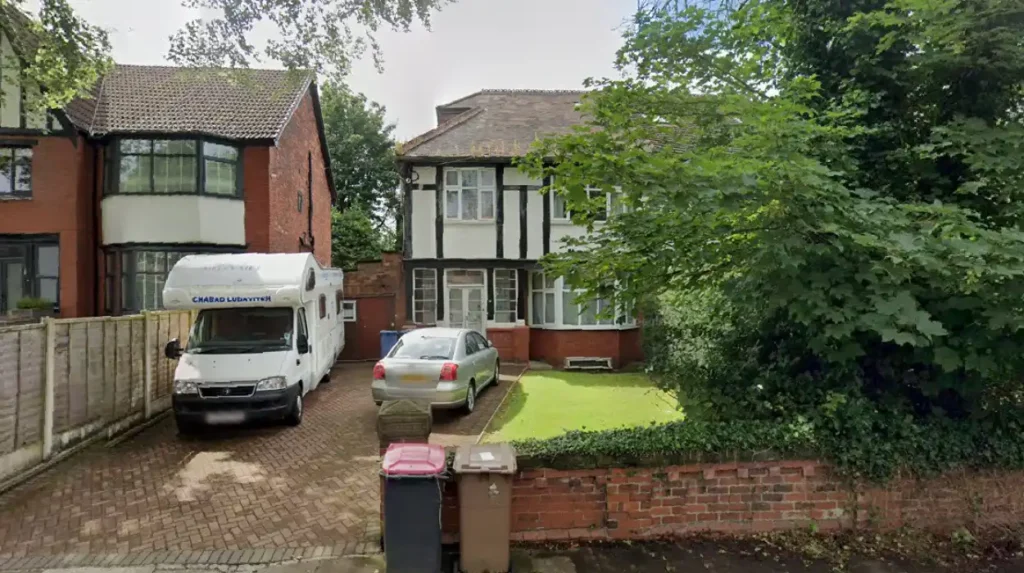
Collaborative efforts include joint operations with local kosher certification boards, burial societies, and community security organizations. Lubavitch centers host joint educational seminars and cultural events open to members of all local synagogues. During emergency situations or economic downturns, organizational welfare networks work alongside non-Hasidic charities to coordinate relief projects. The movement’s emissaries participate in communal rabbinical associations, contributing to regional policy decisions regarding religious life. Educational programs are frequently hosted in non-affiliated venues to ensure accessibility for the broader population. This integration fosters cross-communal cooperation while preserving the distinct spiritual identity of the Chabad movement.
What Is the Future Outlook for Lubavitch Manchester?
The future outlook for Lubavitch Manchester involves expanding physical facilities, increasing digital educational access, and broadening outreach in emerging suburban Jewish populations. Strategic planning focuses on addressing demographic movements toward regional suburban belts.
Capital improvement projects are underway to modernize existing school buildings and community centers in Salford and Trafford. Digital initiatives include expanding online lectures, resource portals, and virtual learning networks to reach isolated individuals across Northern England. Youth engagement strategies are being adapted to address contemporary cultural challenges faced by young professionals and students. The organization continues to appoint new emissaries to establish outposts in developing residential pockets across Greater Manchester. These long-term development plans ensure the institutional infrastructure remains capable of supporting coming generations.
Frequently Asked Questions
What is the difference between Chabad and Lubavitch?
Chabad is an acronym for the Hebrew words for wisdom, comprehension, and knowledge, representing the philosophical framework of the movement. Lubavitch is the Russian town where the movement was historically headquartered for over a century. Today, the two terms are used interchangeably to describe the same global Hasidic movement.
Are Lubavitch centers in Manchester open to non-orthodox Jews?
Yes, all Lubavitch centers in Greater Manchester are open to Jewish individuals of all backgrounds and levels of observance. Programs are designed to be accessible without requiring commitments to an orthodox lifestyle or payment of membership fees.
How does Lubavitch Manchester support university students?
Lubavitch operates dedicated student centers serving campuses across Greater Manchester. These centers provide free Shabbat dinners, holiday celebrations, social events, kosher food access, and personal counseling for Jewish students.
Where is the main headquarters for Lubavitch in Greater Manchester?
The central administrative complex for Lubavitch Greater Manchester is located on Singleton Road in Higher Broughton, Salford. This facility houses core operational offices, study halls, and central community services.
How can community members participate in adult education classes?
Adult education classes are hosted at various Lubavitch locations, including Salford, Hale, and Whitefield, as well as online. Courses are offered through the Jewish Learning Institute and local study groups, catering to all knowledge levels.