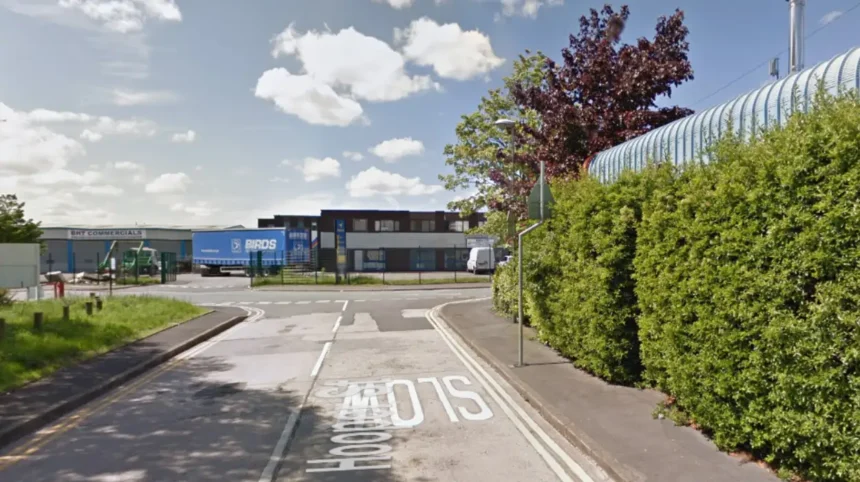
Kain Motors Manchester is a private limited automotive dealership registered in England under company number 13812545, specializing in used cars and light commercial vehicles.
- How Did Independent Dealerships Like Kain Motors Manchester Evolve?
- What Structural Components Make Up Used Car Retail Operations?
- How Does the Vehicle Sourcing and Preparation Process Work?
- What Real-World Examples Illustrate Manchester Used Car Inventory?
- What Key Statistics Define the Pre-Owned Automotive Market?
- What Are the Future Implications for Local Used Car Dealerships?
- Frequently Asked Questions
- What should buyers check before purchasing a used car in Manchester?
- How does the Consumer Rights Act 2015 protect used car buyers?
- Are used diesel cars permitted inside Manchester clean air and low emission zones?
- What documents are required when buying a used car from an independent dealership?
- What is the difference between cash purchase and Hire Purchase for used vehicles?
The business operates within the pre-owned vehicle sector, sourcing, preparing, and selling motorized vehicles to consumers across Greater Manchester. Established on December 21, 2021, the entity works within Standard Industrial Classification codes 45112 for used car sales and 45190 for other motor vehicles.
Physical dealership premises exist in urban industrial sectors such as Midland Street in Ardwick, allowing potential buyers to view inventory by appointment. The broader UK pre-owned automotive sector processes over seven million vehicle transfers annually according to Society of Motor Manufacturers and Traders data.
Independent dealerships like Kain Motors Manchester buy stock through auctions, trade-ins, and commercial fleets to serve retail customers seeking affordable transport. Operational workflows include inventory sourcing, mechanical inspection, vehicle history check verification, digital listing, customer test drives, and final registration transfers with statutory authorities.
How Did Independent Dealerships Like Kain Motors Manchester Evolve?
Independent car dealerships emerged in the UK during the mid-twentieth century alongside rising personal vehicle ownership and expanded automotive manufacturing output.
The sector transformed from localized physical lots into digitally integrated motor trading hubs using online platforms like AutoTrader. Legislative shifts, such as the Consumer Rights Act 2015, altered business operations by mandating strict quality standards, pre-delivery inspections, and statutory warranty protections.
The passage of the UK Clean Air Act and subsequent municipal low-emission zones, including Manchester’s Clean Air Plan regulations, influenced vehicle inventory composition. Private limited motor firms adapted by shifting inventory toward Euro 6 compliant diesel and petrol engines.
Incorporation records from Companies House demonstrate that private motor companies operate under defined accounting frameworks, equity thresholds, and annual reporting standards. Modern independent retailers rely heavily on multi-channel marketing, financial intermediary partnerships, and statutory verification databases to maintain commercial viability in competitive urban areas.
What Structural Components Make Up Used Car Retail Operations?
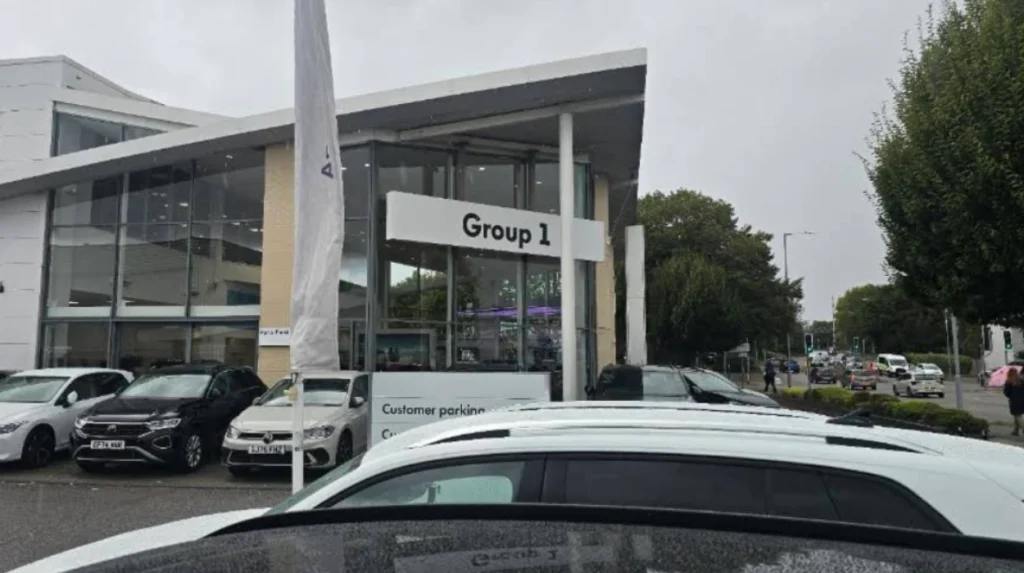
Used vehicle dealerships rely on five core pillars: inventory acquisition, mechanical reconditioning, compliance administration, digital sales architecture, and customer service management.
Acquisition teams monitor wholesale auto auctions, direct private purchases, and part-exchange offerings to maintain diverse vehicle stocks. Reconditioning infrastructure includes workshops, diagnostic tools, surface detailing, and structural inspections to meet UK Road Vehicles Regulations.
Administrative divisions manage DVLA documentation, logbook transfers, HPI history checks, and MOT testing compliance certificates before consumer release. Digital architecture relies on third-party listing platforms, inventory management software, web hosting, and direct messaging applications to present stock.
Financial management frameworks facilitate customer Hire Purchase agreements, personal loan processing, and cash transactions in accordance with Financial Conduct Authority regulations. Each division works systematically to transition acquired motor stock into roadworthy, retail-ready inventory for domestic consumers.
How Does the Vehicle Sourcing and Preparation Process Work?
Vehicle retail workflows follow a six-stage operational sequence designed to verify safety, legal ownership, and overall mechanical performance.
First, purchasing agents acquire inventory through verified wholesale channels, fleet liquidation auctions, or individual vehicle trade-in evaluations. Second, technical specialists perform comprehensive vehicle background checks using national databases to ensure the car has no outstanding finance or stolen markers.
Third, qualified technicians conduct mechanical assessments covering engine health, braking systems, suspension integrity, electronic diagnostic scans, and fluid levels. Fourth, necessary repairs, servicing, and fresh MOT certifications are completed to rectify identified mechanical or structural defects.
Fifth, professional detailers execute interior deep cleaning, exterior paint restoration, and cosmetic touch-ups to maximize visual appeal. Sixth, vehicle photographers capture high-resolution imagery and document precise technical specifications for online catalog publishing across digital automotive marketplaces.
What Real-World Examples Illustrate Manchester Used Car Inventory?
Independent dealerships stock a mixture of hatchbacks, saloons, estate cars, compact SUVs, and light commercial diesel vans.
Budget city cars like the Fiat 500 or Nissan Micra cater to first-time drivers requiring low insurance groups and modest engine capacities. Mid-sized family hatchbacks such as the Volkswagen Golf, Ford Focus, or Vauxhall Astra provide balanced fuel efficiency and daily utility.
Executive saloons including the Mercedes-Benz C-Class or BMW 1 Series appeal to long-distance commuters seeking premium cabin appointments and automatic transmissions. Compact crossover SUVs like the Nissan Juke or Citroen C5 Aircross satisfy demand for elevated driving positions and family storage.
Light commercial vehicles such as the Ford Transit Connect, Renault Trafic, or Mercedes-Benz Vito serve local tradespeople needing cargo capacity. These categories reflect real-world vehicle demand patterns across Greater Manchester metropolitan transit corridors.
What Key Statistics Define the Pre-Owned Automotive Market?
Data from automotive trade bodies and government registries highlight key financial and volume metrics across independent motor retail channels.
According to the SMMT, UK used car transactions grew by 5.1% in recent years, exceeding 7.2 million annual vehicle sales.
Average used car prices in urban regions like Greater Manchester range between £3,000 and £12,000 for mid-age pre-owned vehicles.
Statistical reports indicate that petrol and diesel vehicles account for over 90% of total used car transfers, though electric adoption is rising.
Independent dealerships maintain average stock retention cycles of 30 to 45 days per individual vehicle unit before successful customer sale.
Finance settlement statistics show that approximately 45% of retail used car purchases involve Hire Purchase or Personal Contract Purchase finance structures.
What Are the Future Implications for Local Used Car Dealerships?
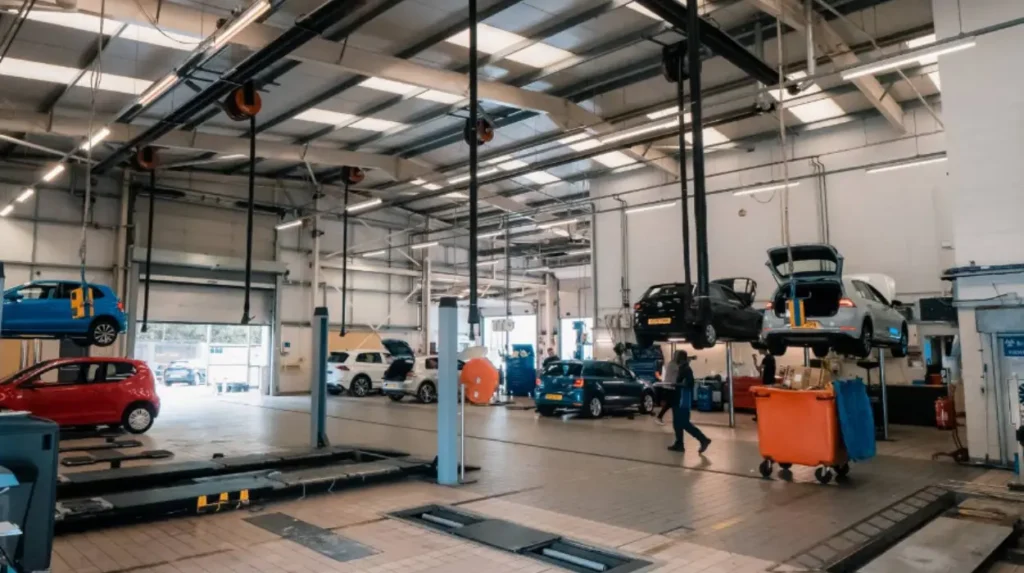
The ongoing shift toward zero-emission transport policy directly impacts independent used car retail inventory composition and infrastructure requirements.
The UK government target to ban new petrol and diesel sales accelerates the influx of used battery electric vehicles into second-hand markets. Dealerships must invest in high-voltage charging infrastructure, specialized diagnostic equipment, and battery health assessment certification tools to maintain buyer trust.
Digital retail trends indicate an increasing consumer preference for online reservations, home delivery services, and paperless distance-selling documentation. Enhanced municipal clean air enforcement zones across major metropolitan areas will continue reducing demand for older non-Euro 6 diesel vehicles.
Independent dealerships that adapt by integrating digital sales tools, transparent vehicle history reporting, and electric vehicle service capabilities will sustain long-term operational relevance in changing transport ecosystems.
Frequently Asked Questions
What should buyers check before purchasing a used car in Manchester?
Buyers must inspect the vehicle history logbook, verify valid MOT test records on the DVLA database, and conduct a physical test drive. Checking for body rust, tire tread depth, fluid leaks, and consistent service history stamps ensures mechanical reliability before completing payment.
How does the Consumer Rights Act 2015 protect used car buyers?
The Consumer Rights Act 2015 requires used cars sold by business dealers to be of satisfactory quality, fit for purpose, and as described. If a major fault develops within thirty days of purchase, the buyer maintains the legal right to reject the vehicle for a full refund.
Are used diesel cars permitted inside Manchester clean air and low emission zones?
Euro 6 compliant diesel cars meet modern emission standards and operate without incurring local clean air charges in most UK municipal zones. Buyers should confirm the vehicle Euro status using official government lookup tools prior to purchasing older diesel models.
What documents are required when buying a used car from an independent dealership?
Purchasers need a valid driving licence, proof of address, proof of vehicle insurance, and an agreed payment method or approved finance documentation. The selling dealer provides the green V5C/2 new keeper slip while submitting the permanent ownership transfer electronically to the DVLA.
What is the difference between cash purchase and Hire Purchase for used vehicles?
Cash purchases transfer immediate total vehicle ownership to the buyer at the point of full payment settlement. Hire Purchase spreads the vehicle cost over fixed monthly installments, where the finance company retains legal ownership until the final payment and option-to-purchase fee are cleared.