Key Points
- Chris Fairhurst and Lisa Aldred have been named as independent chairpersons of two new Pride in Place boards in Wigan.
- Each of the boards will play an instrumental role in the allocation of up to £20 million of funding that will span a period of ten years for either the Marsh Green/Laithwaite or Platt Bridge/Spring View neighbourhoods.
- The board will comprise local community members, businesses and voluntary representatives, who will base their decision on the needs of the community.
- Lisa Nandy, the MP for Wigan, and Andy Burnham, the MP for Makerfield, have openly supported the appointments due to the community connections of the chairs.
- These appointments have been made in accordance with the national guidelines for the Pride in Place initiative, which divides the funding into capital and revenue spending.
Wigan (Manchester Mirror) August 21, 2026 – Two Wigan residents with deep local roots have been named to lead how millions of pounds of government money are spent in some of the borough’s most disadvantaged neighbourhoods, under the national Pride in Place programme.
- Key Points
- Who are Chris Fairhurst and Lisa Aldred?
- What is the Pride in Place programme and how will it work in Wigan?
- How will local people influence spending decisions?
- What have MPs and the council said about the appointments?
- Background: how did Wigan’s Pride in Place development come about?
- Prediction: how could this development affect Wigan residents and community groups?
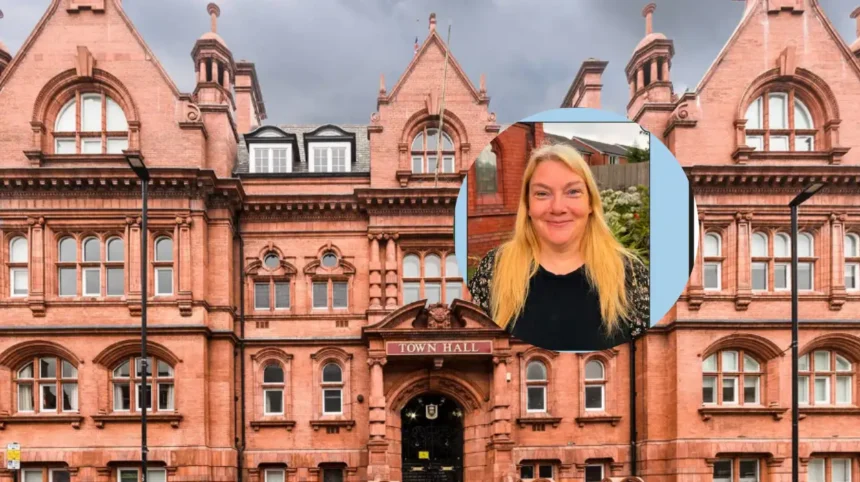
Chris Fairhurst, an experienced family lawyer with family links to Norley Hall, will chair the board for Marsh Green and Laithwaite, while Lisa Aldred, chair of Platt Bridge Community Group and a long‑time community organiser, will lead the board for Platt Bridge and Spring View. Each area is set to receive up to £20 million over a decade, with local people expected to shape how the money is used to improve their neighbourhoods.
Who are Chris Fairhurst and Lisa Aldred?
Chris Fairhurst has been described by Wigan MP Lisa Nandy as an “excellent Chair” for the Marsh Green and Laithwaite board, with a strong family connection to Norley Hall and a record of contributing to the communities set to benefit. In a statement reported by Wigan Today, Fairhurst said his grandparents were among the first residents of Norley in the 1950s and that their pride in the area had shaped his own outlook.
“My priority as the Pride in Place project progresses is to ensure that local voices are heard, opportunities are maximised and investment directed towards initiatives that deliver meaningful and long-lasting benefits for current and future generations,” Fairhurst said, according to Wigan Today.
Lisa Aldred, meanwhile, is already a prominent figure in Platt Bridge and surrounding areas. She chairs Platt Bridge Community Group and is involved with Abram Communities Together, the Flood Action Group, St Nathaniel’s Church and the Come and See Youth Group, Wigan Today reported. Makerfield MP Andy Burnham said he could not think of anyone better to lead the work, highlighting her role during the 2025 floods when she helped families and rallied the community.
“I’m so proud to have been appointed to chair the independent neighbourhood board here in Platt Bridge and Spring View which is a community I care so deeply about,” Aldred said, as quoted by Wigan Today. She added that while the area can feel “left behind at times”, there was “huge potential” to address inequalities and create a “thriving, safe, and connected neighbourhood”.
What is the Pride in Place programme and how will it work in Wigan?
Pride in Place is a UK government initiative designed to channel long‑term investment into overlooked neighbourhoods, with funding of up to £20 million per area over 10 years. Official delivery guidance states that each area will receive a mix of capital and revenue funding, with the split varying by phase, and that revenue funding in year one is paid in two tranches, the second contingent on approval of the chair and board membership.
In Wigan, the areas of Marsh Green/Laithwaite and Platt Bridge/Spring View have been selected for the programme, with investment expected to benefit residents in those neighbourhoods as well as Norley Hall, Worsley Hall, Kitt Green and Robin Park in the Marsh Green/Laithwaite footprint, according to Wigan Council.
Wigan Council’s announcements, published on 20 August 2026, set out that each board will be independent and made up of residents, businesses and representatives from the voluntary sector, with the role of shaping how the £20 million is used to improve opportunities, tackle local challenges and enhance the area over the next decade. The council said the boards would gather views and ideas from across the community to help determine priorities and guide future investment decisions.
How will local people influence spending decisions?
Both Wigan Council and the newly appointed chairs have emphasised that local voices will be central to decision‑making. As reported by Chris Fairhurst’s statement in Wigan Today, he “strongly believe[s] that people living and working locally should be at the centre of decisions affecting their community and shape the future of the area”.
Lisa Aldred’s comments, also carried by Wigan Today, stressed that the opportunity “gives us the chance to address inequalities, improve opportunities for children and young people, and create a thriving, safe, and connected neighbourhood that people are proud of”. Wigan Council’s news release for Platt Bridge and Spring View said the board would work closely with local people to gather views and ideas from across the community to help determine priorities and guide future investment decisions.
The structure mirrors other Pride in Place areas across England, where neighbourhood boards are being created to collectively decide how the money for each area should be spent over 10 years. In Medway, for example, three neighbourhood boards are being created, each led by a chair and made up of local residents, community groups, businesses, MPs and the council. In BCP, Hamworthy West and Turlin Moor appointed Claire Starmer as chair, with the board then spending six months gathering input from residents on how the £20 million should be invested.
What have MPs and the council said about the appointments?
Wigan MP Lisa Nandy said Chris Fairhurst would be an “excellent Chair for the Pride in Place Board”, adding:
“He has contributed to all of the communities set to benefit from Pride in Place and has a strong family connection to Norley Hall. With him as Chair we will ensure local residents get to decide where and how we invest in order to shape the future of their own communities,”
according to Wigan Today.
Makerfield MP Andy Burnham praised Lisa Aldred’s track record, saying:
“She has spent years putting Platt Bridge and Spring View first, through her brilliant work at St Nathaniel’s Church, bringing people together through community groups, and always stepping up when the community has needed her most.”
He added:
“I’ll always remember what Lisa did during the devastating floods in 2025. She was at the heart of the response, helping families who had lost so much and rallying our community.”
Wigan Council’s own announcements, published on 20 August 2026, framed the appointments as a key step in delivering the 10‑year plans for the two areas, with the council highlighting that the investment will be decided by local people.
Background: how did Wigan’s Pride in Place development come about?
The Pride in Place programme was rolled out in phases, with areas receiving early revenue funding in 2025/26 to support community engagement and the establishment of neighbourhood boards, according to UK government delivery guidance. Wigan’s selected neighbourhoods were identified as part of this process, with the council preparing to set up boards to coordinate the investment.
National guidance states that funding will be paid by the Ministry of Housing, Communities and Local Government (MHCLG) to the accountable body for each Pride in Place area, which at the start of the programme is the relevant local authority unless an alternative arrangement has been agreed. Each area can receive up to £20 million over 10 years, with the funding split between capital and revenue spending and paid in tranches linked to milestones such as the approval of the chair and board membership.
Other areas have followed similar timelines. In Stoke, a chair was appointed in early August 2026 to help shape Pride in Place investment in Bradeley, Chell Heath and Fegg Hayes, with up to £20 million of funding available. In Middlesbrough, co‑chairs were named on 20 August 2026 to oversee a £40 million programme covering Park End and Thorntree, with each area receiving £20 million over 10 years. These parallel developments show how Wigan’s appointments fit into a wider national roll‑out of neighbourhood‑led investment under Pride in Place.
Prediction: how could this development affect Wigan residents and community groups?
If the boards operate as outlined in council and government documents, Wigan residents and community groups in Marsh Green, Laithwaite, Platt Bridge and Spring View are likely to see a shift towards more locally driven decision‑making on regeneration spending. The requirement to gather community input before allocating funds means neighbourhood organisations, youth groups, sports clubs and faith groups may have more structured opportunities to propose projects and influence priorities than under previous, more centralised funding models.
Over time, the existence of independent, resident‑heavy boards could also change how local people engage with the council and MPs on neighbourhood issues, creating a formal channel through which community concerns about safety, public spaces, employment and youth provision are translated into investment decisions. However, the impact will depend on how effectively the boards recruit diverse members, communicate with residents and turn consultation into tangible capital and revenue projects within the 10‑year funding window set out in national guidance.