Key Points
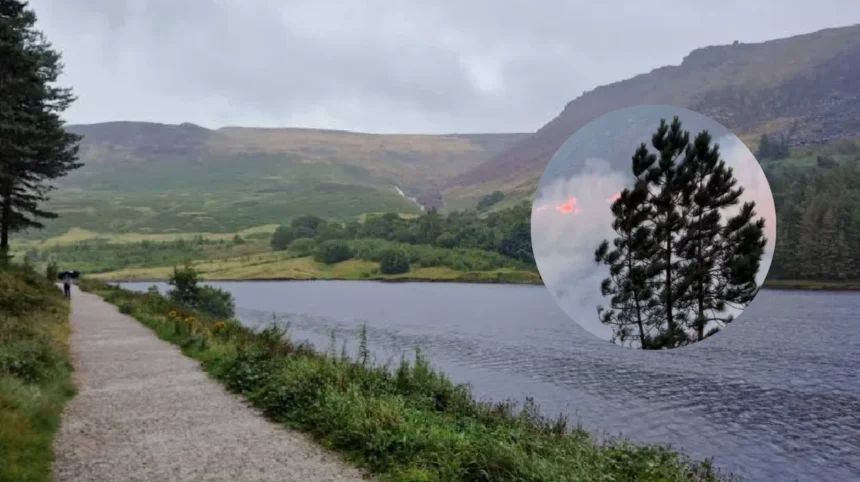
- Today marks the reopening of Dove Stone to the general public after the terrible wildfires which ravaged Saddleworth Moorland earlier this year.
- According to the Dove Stone RSPB, the reserve and its car park will now be reopened to the public.
- The car park was cleared for use following an arrangement made with the Fire and Rescue Service.
- Dove Stone and surrounding areas were extensively impacted by the wildfires prompting an emergency response that lasted several weeks.
- Enormous columns of smoke blanketed Greater Manchester and could be seen even from space.
- During this period, the Dove Stone RSPB staff were working together with the Fire and Rescue Service and other partners.
- Nature has shown remarkable resilience through the recovery of some greenery in parts of the moorland and the coming back of wildlife species.
- Areas of rewetted peatlands within the reserve managed to survive the inferno.
- While the park has been reopened, the risks of wildfire have not gone away.
- Anybody who sees any form of smoke, fire or suspicious activities should dial 999 immediately.
- A Public Space Protection Order is in place to prevent future incidents of fires.
- It is advised that visitors should respect the landscapes of Dove
Manchester (Manchester Mirror) August 20, 2026 – Dove Stone reopens to the public today as the popular beauty spot welcomes visitors back for the first time since the devastating wildfires that swept across the moorland this summer.
- Key Points
- Why has Dove Stone been closed to the public?
- Is the landscape recovering from the wildfires?
- What should visitors do to prevent another wildfire?
- How did the wildfires affect the wider region?
- What is the long-term outlook for Dove Stone’s moorland?
- Background: The Dove Stone wildfires and the fight to save the moorland
- Prediction: How will the reopening affect visitors and the local community?
The RSPB Dove Stone has confirmed that the reserve is once again open to the public, with its car park also reopening following an agreement with the Fire and Rescue Service that it is safe for visitors to return. The confirmation marks a significant milestone in the aftermath of an emergency that gripped the region for weeks and drew national attention.
Large areas of Dove Stone and neighbouring land were affected by the fires, which prompted a major emergency response and saw firefighters battling the flames for several weeks. The scale of the incident was immense, with huge plumes of smoke travelling across Greater Manchester and visible from space. The fire swept across the beauty spot, leaving behind a scarred landscape and raising urgent questions about the resilience of the region’s moorland.
Why has Dove Stone been closed to the public?
Throughout the emergency, the RSPB Dove Stone team worked alongside the Fire and Rescue Service and other partner agencies to help bring the fires under control. The closure was introduced to protect both public safety and the emergency response effort, allowing fire crews and partner agencies to operate without interference while the blaze remained active. The decision to reopen the car park was only taken once the Fire and Rescue Service had agreed that it was safe for visitors to return.
Is the landscape recovering from the wildfires?
While the damage caused to the landscape has been significant, the team says there are already encouraging signs of nature beginning to recover. Fresh green shoots are appearing across parts of the moorland and wildlife is beginning to return. Importantly, areas of rewetted peatland across the reserve also survived the fire, providing hope for the long-term recovery of the landscape.
As reported by the RSPB Dove Stone spokesperson, the organisation stated that: “This summer, we witnessed devastating wildfires that affected large areas of Dove Stone and neighbouring land.”
The spokesperson added: “While the impact of the wildfires has been heartbreaking, there are already encouraging signs of recovery. Fresh green shoots are emerging, wildlife is beginning to return, and areas of rewetted peatland across the reserve have survived the fire, offering hope for the future.”
The survival of the rewetted peatland is regarded as particularly significant. Rewetting involves restoring the natural water levels of peat bogs, which not only supports biodiversity but also helps lock carbon into the ground and reduces the risk of future fires by keeping the ground damp. Conservationists view the survival of these areas as a vital foundation for the landscape’s long-term regeneration.
What should visitors do to prevent another wildfire?
Despite the reopening, visitors are being reminded that the risk of wildfire has not disappeared. Anyone who spots smoke, fire or suspicious activity while visiting the area should call 999 immediately. A Public Spaces Protection Order remains in place to help prevent further fires, and visitors are being urged to respect the landscape, take their litter home and do everything possible to reduce the risk of another blaze.
The RSPB added: “Thank you for your patience, support and understanding during this difficult time.”
The organisation continued: “We would love to welcome you back to Dove Stone and continue sharing and protecting the incredible wildlife and landscapes of Greater Manchester together.”
The Public Spaces Protection Order is a legal measure designed to deter behaviour that could start fires, and its continued presence underscores the authorities’ determination to prevent a repeat of this summer’s emergency. Visitors are being encouraged to follow the Countryside Code, keep to designated paths and avoid lighting fires or using disposable barbecues in the open.
How did the wildfires affect the wider region?
The fires at Dove Stone were part of a broader pattern of moorland blazes that affected the Pennines and other upland areas during the summer. The incident at Dove Stone drew particular attention because of its scale, with smoke plumes that were visible from space and that drifted across large parts of Greater Manchester. The emergency response involved multiple fire crews, air support and a coordinated effort between the RSPB, the Fire and Rescue Service and partner agencies over several weeks.
The long duration of the firefighting effort reflected the difficult terrain and the dry conditions that made the moorland particularly vulnerable. Firefighters worked in challenging conditions, and the recovery of the landscape is expected to take considerable time even as the first signs of regrowth appear.
What is the long-term outlook for Dove Stone’s moorland?
Conservationists are cautiously optimistic about the long-term outlook, largely because of the survival of the rewetted peatland. Peatland that has been restored is better able to retain moisture, making it more resilient to fire and providing a stable base from which vegetation can regrow. The reappearance of fresh green shoots and the return of wildlife are early indicators that the ecosystem is beginning to repair itself, although full recovery is likely to take years.
The RSPB has emphasised that the reopening does not mean the danger has passed, and that continued vigilance and responsible behaviour from visitors will be essential in protecting the recovering landscape.
Background: The Dove Stone wildfires and the fight to save the moorland
Dove Stone is a much-loved nature reserve in Saddleworth, on the edge of the Peak District in Greater Manchester, managed by the RSPB. The reserve is known for its dramatic gritstone edges, reservoirs and open moorland, and attracts thousands of visitors each year who come to walk, birdwatch and enjoy the landscape.
The wildfires that affected Dove Stone this summer were among the most serious moorland incidents in the region in recent years. The fires broke out during a period of hot, dry weather that left the moorland tinder-dry and highly susceptible to ignition. Once alight, the flames spread rapidly across large areas, driven by the terrain and the wind, and proved difficult to bring under control.
The scale of the emergency prompted a major response, with firefighters deployed over several weeks and smoke plumes visible from space. The fires caused significant damage to the landscape, but the emergency response also highlighted the importance of ongoing conservation work, particularly the rewetting of peatland, in making the moorland more resilient to such events.
The reopening of Dove Stone marks a return to normality for the reserve, but it also serves as a reminder of the fragility of the landscape and the ongoing need to protect it from the risk of future fires.
Prediction: How will the reopening affect visitors and the local community?
The reopening of Dove Stone is expected to have a significant impact on visitors, local businesses and the wider community in Saddleworth and Greater Manchester.
For regular visitors, the reopening restores access to one of the region’s most popular outdoor destinations. Walkers, birdwatchers and families who have been unable to visit the reserve since the fires will once again be able to enjoy the moorland, the reservoirs and the surrounding countryside. This is likely to be welcomed by the many people who value Dove Stone as a place for recreation, exercise and connection with nature.
For the local economy, the reopening is an important step towards recovery. Dove Stone attracts significant numbers of visitors, and the surrounding villages and businesses depend on the footfall that the reserve generates. Cafés, shops and accommodation providers in Saddleworth are likely to see a return of trade as visitors come back to the area, providing a boost to the local economy after a difficult summer.
For conservationists and the RSPB, the reopening is an opportunity to continue their work of protecting and restoring the landscape, and to engage visitors in that effort. The survival of the rewetted peatland offers hope for the long-term recovery of the moorland, and the organisation will be watching closely to see how the ecosystem regenerates over the coming months and years.
However, the reopening also carries responsibilities. With the risk of wildfire still present, visitors will need to act carefully to avoid starting another blaze. The Public Spaces Protection Order and the continued vigilance of the emergency services will be important in protecting the recovering landscape. If visitors respond responsibly, the reopening could mark the beginning of a positive chapter in Dove Stone’s recovery, allowing the reserve to heal while continuing to be enjoyed by the public.