Key Points:
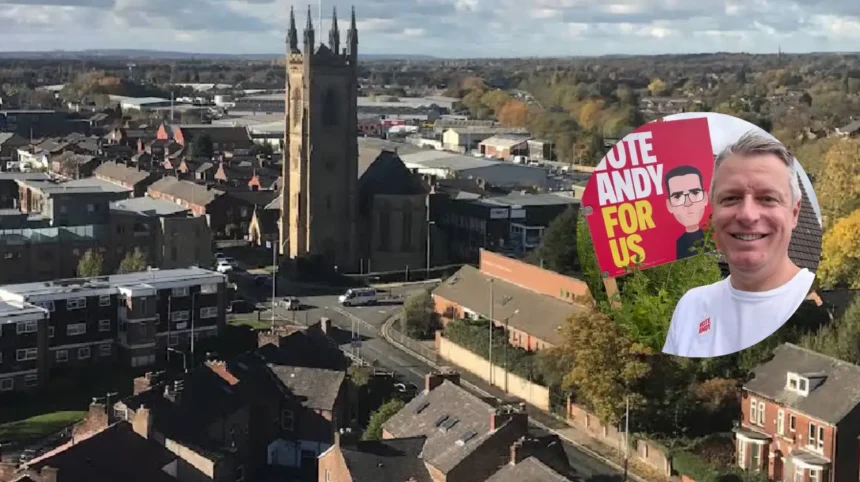
- Following Andy Burnham’s victory in the Makerfield byelection, the Mayor of Greater Manchester position has been left vacant.
- The selection of candidates is to take place from 26th of June to 3rd of July with the deadline to register to vote on the 14th of July.
- Multiple parties have begun announcing their mayoral candidates.
Why is there a mayoral election?
This mayoral election is not a regular scheduled election, but an early election triggered by Andy Burnham, the previous mayor’s win in the Makerfield byelection that automatically moved his position to MP. The election will take place in July as it is required to elect a new mayor within 35 days of the position’s vacancy. Over the past few weeks, parties have started confirming the candidates standing in the election and voters can begin to consider their options ahead of election day on July 30th.
What do we expect to see from this election?
Polling day for the Greater Manchester mayoral election is Thursday 30th July 2026 and voters will be able to submit their votes in polling stations throughout Manchester from 7:00am until 10:00pm. The voting system used for this election has not been used before within mayoral elections and is known as the ‘supplementary vote’ system. Voters will be able to mark a first preference on the polling sheet and optionally mark a second preference. First preference votes are counted and if a candidate gains more than 50% of votes they immediately win, however, if no candidate reaches 50% second preference votes are counted between the top two candidates and a winner is then determined. Results of the election are expected to be announced on Friday 31st July.
Who are the candidates and what do their manifesto’s look like?
Seven candidates will be standing in the mayoral byelection with 1 being an independent candidate. Sian Astley, a former TV presenter and the current Manchester councillor for Baguley, is leading the Reform UK Party in the mayoral byelection. Her manifesto focuses on lowering mayor’s tax, tightening laws surrounding immigration, enforcing a more rigorous approach to crime and improving city life from public transport to investing in town centres.
The Green Party is led by Geraldine Coggins, the Trafford green party councillor who has set out a 10-year plan to improve life across Greater Manchester. This plan focusses on providing 20,000 genuinely affordable homes for those living in greater Manchester alongside improving quality of life through better public transport, climate action and protecting green spaces throughout the city.
Manchester city council leader Bev Craig is also participating in the race, representing the Labour Party. Craig is often seen as Andy Burnham’s preferred successor, her manifesto focuses on economic growth, improving quality of life in Manchester and continuing regional policies previously enforced by Burnham.
The Conservative Party is led by Phil Eckersley, Deputy Leader of the Conservative Group and Shadow Executive Member for Economic Regeneration. His manifesto promotes an ‘open book’ policy that ensures residents of Greater Manchester are aware of mayoral decisions, particularly economic, to ensure the maintenance of trust between residents and political authority. He also calls for a greater focus on boroughs and the complete unity of Greater Manchester seen through an improvement across the city not just Manchester city centre.
Didsbury councillor Richard Kilpatrick has been selection to lead the Liberal Democrats Party. His work as councillor has focused on reversing the damage caused to the city and the UK by Brexit which he continues to call for in his manifesto for Greater Manchester mayor. His manifesto priorities local communities through improving housing and public transport throughout the entire city rather than a focus on the city centre.
Restore Britian has selected Marlon West to lead the party within this byelection whom has made criminal justice the focus of his manifesto. He also advocates for stronger border controls and immigration laws as a way to strengthen the city’s safety alongside tougher policing.
The final candidate running in the byelection race is Marcus Farmer, an independent candidate who is advocating for a focus on local issues and improving local communities’ quality of life. He has created a five-point plan which works on investing into smaller towns and areas within Greater Manchester and a greater prioritisation of resident’s choice within the city.
How will the results of this election impact Greater Manchester?
The election of a new Mayor of Greater Manchester could bring major changes to the city, new leadership opens the door to new priorities and possibly improvements within the region. Majority of the candidates have advocated for a focus on improving transport, policing and housing, with many also prioritising the city’s economic growth through allocating funding into the right projects. We do expect to see a broad continuation of Andy Burnham’s policies if the Labour, Green or Conservative candidates win, however major changes to policies are expected if Reform or Restore Britian take the lead. Overall, the results of this election will shape the direction Greater Manchester follows over the upcoming years, with the new mayor representing the region within the government.