Key Points
- St Catherine’s Wood, a 2.7-acre park in Red Bank, has opened to the public as the first phase of the wider 113-acre City River Park in Manchester.
- The park sits beside the River Irk and forms part of the Victoria North regeneration scheme, which is expected to deliver around 15,000 homes across seven neighbourhoods.
- The scheme has been supported by a £51.6 million Housing Infrastructure Fund grant, plus funding from the Greater Manchester Combined Authority.
- Manchester City Council and Victoria North development partner FEC marked the opening with local stakeholders and public access via Collyhurst Road.
- The park includes accessible paths, stepped and circular walkways, lighting, wayfinding, benches, viewpoints, educational boards and new planting, including Manchester poplar trees.
- The woodland has also been handed to Found, FEC’s neighbourhood management team, for day-to-day stewardship.
- Local representatives described the opening as a major milestone for the wider regeneration of Red Bank, Collyhurst and nearby parts of the city.
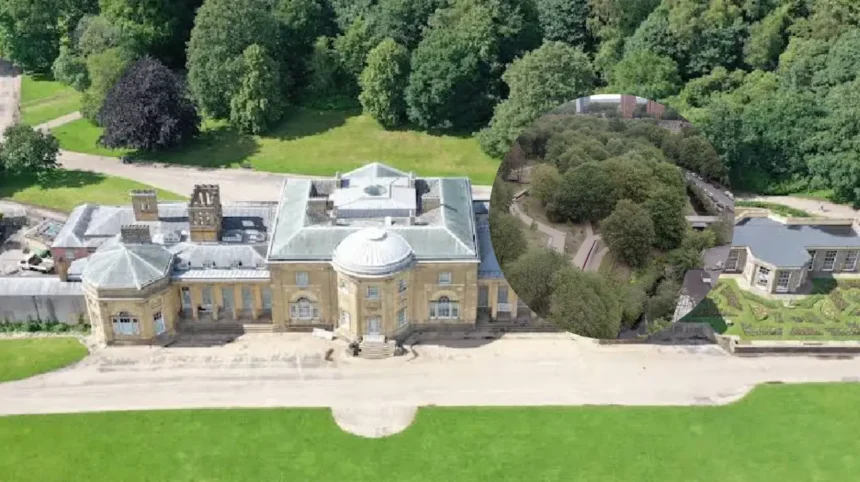
Manchester Council (Manchester Mirror) July 27, 2026 – St Catherine’s Wood welcomed its first visitors on Friday, with Manchester City Council and Victoria North development partner FEC unveiling the new park after work that began on a previously underused woodland site beside the River Irk.
The opening marks a visible early stage in Victoria North, a long-term regeneration project that is intended to reshape land north of Manchester city centre. The park has been designed not just as an amenity, but as part of a broader plan to create connected neighbourhoods, improved public space and future homes.
As reported by Dan Whelan of Place North West, the project used part of a £51.6 million Housing Infrastructure Fund grant from Homes England, alongside £7 million from the GMCA, to transform the site. The article says the woodland had been “previously forgotten” and was reworked into a public space with easier access and new landscaping.
What does the park include?
The new park offers accessible routes lined with gabion walling, stepping up through the woodland to an elevated plateau. It also includes circular walkways, open areas for relaxation and small events, plus benches and viewpoints that frame views across the city.
Planit, the landscape architect behind the scheme, said the woodland was enhanced with more than 60 new semi-mature trees and a biodiverse planting layer intended to support pollinators and wildlife habitat. Three endangered Manchester poplar trees were planted as part of the development, reinforcing the site’s ecological role as well as its public use.
The park also includes lighting, wayfinding and educational boards that explain the area’s history and wildlife. Access is via a pre-existing bridge off Collyhurst Road, which links the site to the surrounding neighbourhoods.
Why does it matter now?
The opening is significant because it is being treated as the first visible piece of the City River Park vision, a planned 113-acre green corridor running through Victoria North along the Irk. That wider plan sits within the 390-acre Victoria North masterplan, which could eventually deliver up to 15,000 homes.
The Red Bank neighbourhood alone is expected to form a major part of that growth, with around 5,000 homes planned nearby. Manchester City Council said the park is intended to serve existing residents as well as future communities that will live alongside it.
Councillor Gavin White, Manchester City Council’s executive member for housing and regeneration, said the park represents “a triumphal milestone” and described St Catherine’s Wood as the “green heart” of the wider development. He also said Victoria North is “a new town in our city” and that the park is only “a taste of what’s to come.”
Who is involved?
Manchester City Council, FEC, Homes England, the GMCA, BAM Nuttall and Planit are all named in the reporting as key parties behind the scheme. BAM Nuttall served as the main works contractor, while Found will manage the woodland on a day-to-day basis.
The opening was also presented as an early step in a wider sequence of public-space projects across Manchester. Place North West noted that St Catherine’s Wood follows Mayfield Park and sits alongside other planned or ongoing improvements, including Ancoats Green and work at Piccadilly Gardens.
The Manchester Evening News described the site as an area that had fallen into disrepair after the decline of the city’s industrial core, before being brought into a new regeneration phase. The paper also quoted local figures saying the park could help make the surrounding district a more attractive place to live and spend time in.
Background of the development
Victoria North is a major regeneration area north of Manchester city centre, stretching from the Victoria station area towards Collyhurst and beyond. The Red Bank part of that plan sits beside the River Irk and was previously marked by brownfield land, former railway sidings and underused space.
According to Manchester City Council, the Red Bank area is planned for more than 5,500 new low-carbon homes over the next 15 years, with a mix of tenures and new public spaces. The City River Park concept is intended to connect neighbourhoods through green routes, improve walking and cycling links and bring more wildlife back into the Irk Valley.
The project has been described by the council and developers as a long-term attempt to expand the city centre northwards while adding green infrastructure early in the process. The opening of St Catherine’s Wood shows that strategy moving from planning into public use.
Prediction for residents
For people living in Red Bank, Collyhurst and nearby neighbourhoods, the park is likely to improve access to green space before the wider housing programme is complete. That could make the area more appealing for families, walkers and people who work in the city centre but want easier access to outdoor space.
For future residents, the development may help set the tone for a more connected neighbourhood with green routes, public amenities and stronger community identity. For Manchester more broadly, the project may become a test case for whether early investment in parks can help shape new housing areas in a way that feels established from the start.